How to Make Homemade Buttermilk (Perfect for Baking)
Homemade Buttermilk
Homemade buttermilk is one of those simple kitchen staples that feels almost magical once you realize how easy it is to make. Many homesteaders and home cooks run into the same problem: a recipe calls for buttermilk, but there isn’t any in the fridge, and a trip to the store feels unnecessary. Instead of skipping the recipe or making do without it, you can create a rich, tangy substitute in just minutes using ingredients you likely already have on hand. This quick method delivers the same acidity and texture that baked goods and savory dishes rely on, making it a practical and reliable solution for everyday cooking.
What Is Buttermilk?
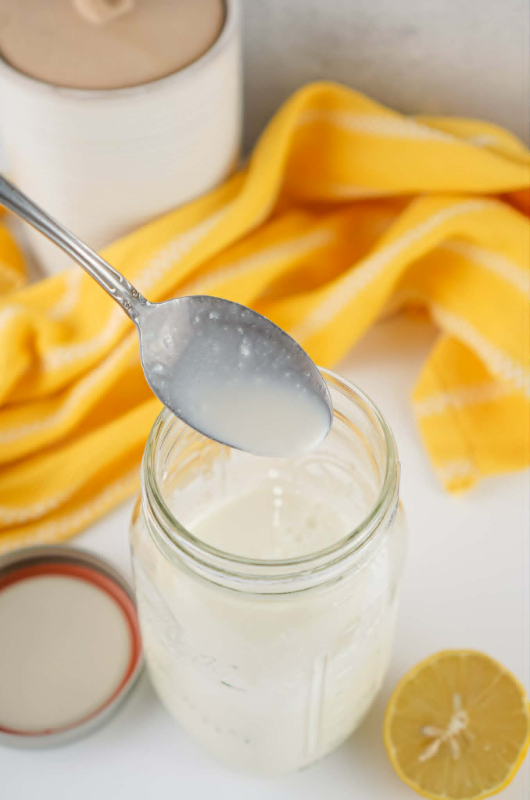
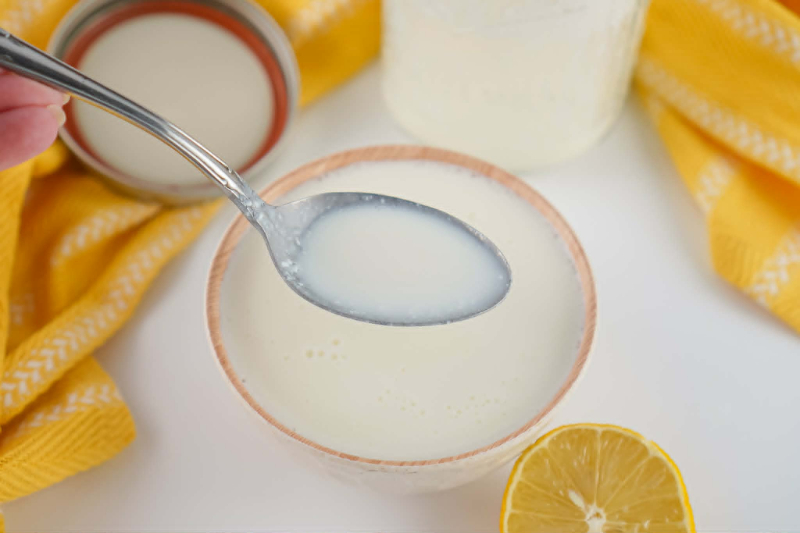
Traditionally, buttermilk was the liquid left behind after churning butter from cultured cream. Modern store-bought versions are cultured and thickened, giving them that signature tangy flavor. This homemade version mimics that acidity by combining milk with an acid like lemon juice. The reaction slightly thickens the milk and creates the perfect environment for baking recipes that depend on buttermilk’s ability to activate leavening agents like baking soda. While it may not be cultured in the traditional sense, it performs just as well in nearly every recipe.
Why This Simple Method Works
This recipe works beautifully because it embraces simplicity. You don’t need any special equipment, and you won’t spend more than a couple of minutes actively preparing it. The resting time does most of the work for you, allowing the acid to transform the milk into a slightly thickened, tangy liquid that closely resembles traditional buttermilk. Whether you’re baking biscuits, pancakes, or a rustic cake, this homemade version will deliver consistent results.
Recipe: Homemade Buttermilk
Prep Time: 2 Minutes
Rest Time: 15 Minutes
Yields: 16 Ounces
Ingredients for Homemade Buttermilk
16 ounces whole milk
2 tablespoons fresh lemon juice
Directions to Make Homemade Buttermilk
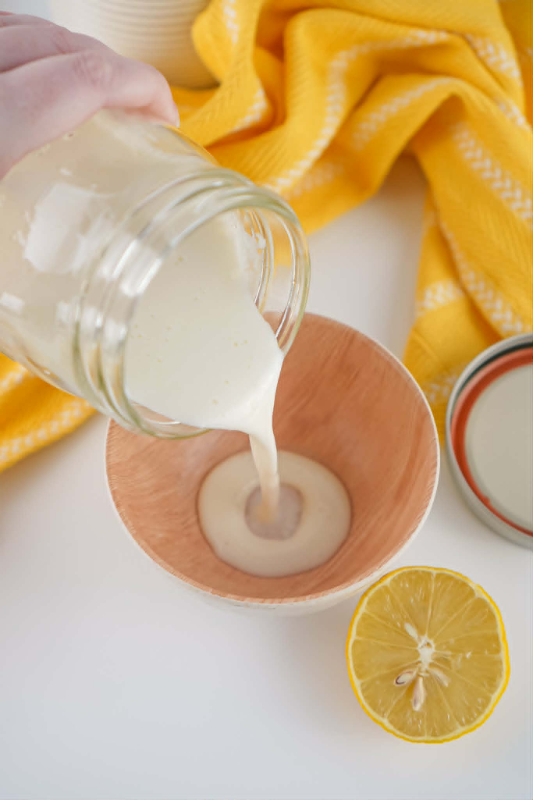
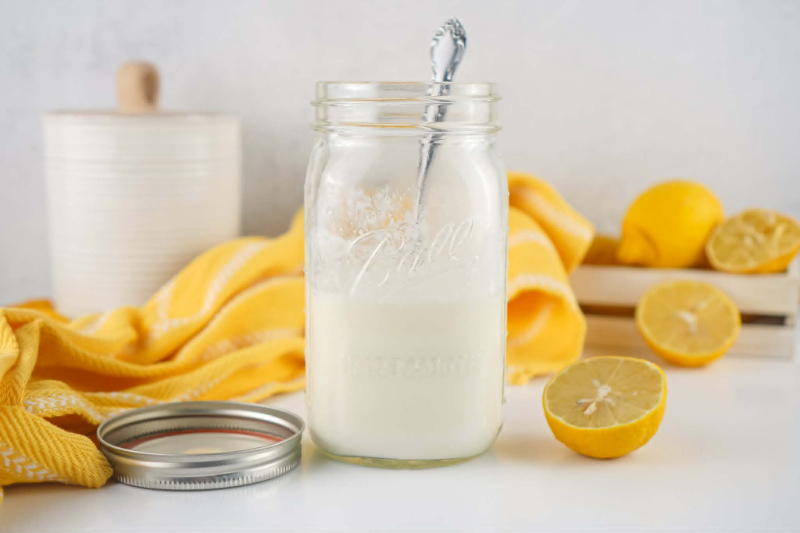
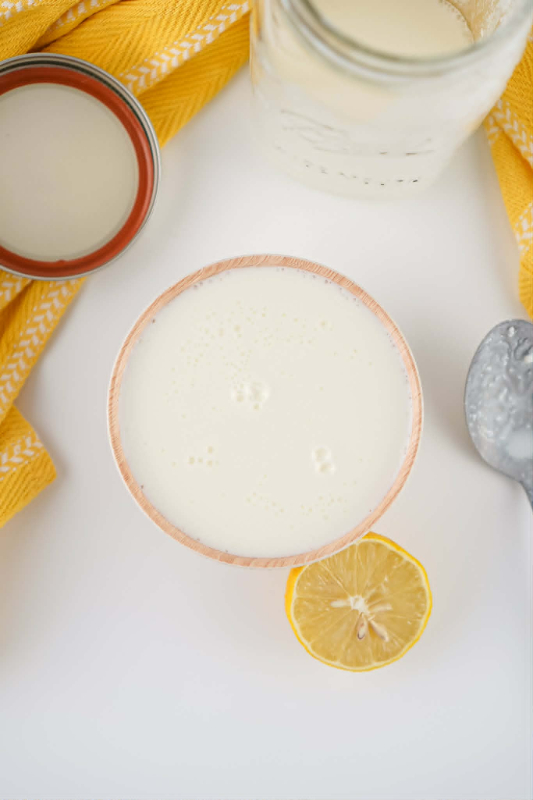
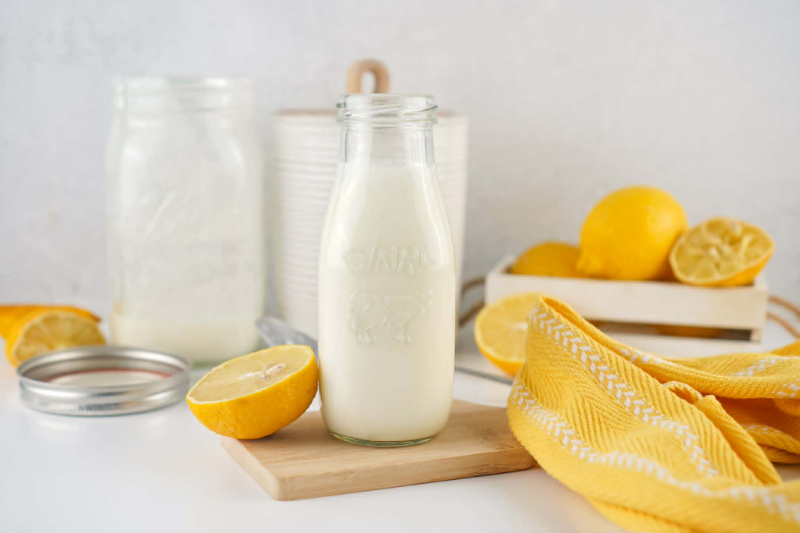
To make your homemade buttermilk, start by pouring the milk into a mason jar, milk jug, or another suitable container. Add the fresh lemon juice directly to the milk. Stir the mixture gently but thoroughly to ensure the acid distributes evenly throughout the liquid. Once combined, cover the container and let it sit at room temperature for about 15 minutes. During this time, the milk will begin to curdle slightly and thicken, creating that classic buttermilk texture.
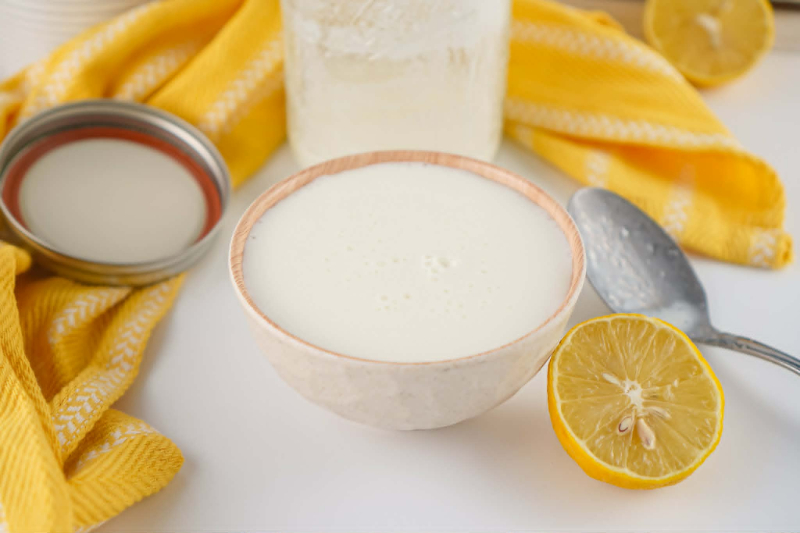
It’s important to keep the mixture at room temperature while it rests. Cold temperatures slow the reaction, which can prevent the milk from thickening properly. After 15 minutes, your buttermilk alternative is ready to use. You can incorporate it immediately into your recipe for the best results, especially in baking, where freshness can impact texture and rise.
Storage Tips for Homemade Buttermilk
If you need to store it, transfer the buttermilk to a covered container and place it in the refrigerator. It will keep for up to four days, though using it sooner ensures the best flavor and consistency. Give it a quick stir before using if it separates slightly during storage, as this is completely normal.
Substitutions and Variations
This simple recipe also offers a bit of flexibility. If you don’t have fresh lemon juice on hand, you can substitute the same amount of vinegar. While vinegar provides the necessary acidity, it lacks the subtle brightness that lemon juice brings. Many people prefer lemon juice for its cleaner, slightly fresher taste, especially in recipes where the flavor of the buttermilk shines through. Still, vinegar works perfectly well in a pinch and will give you the same functional results in baking.
Helpful Tips for Best Results
Homemade buttermilk is best used fresh, and freezing it is not recommended. Freezing can alter the texture and cause separation that doesn’t fully come back together after thawing. Since this recipe takes only minutes to prepare, it’s easy to make just what you need when you need it, eliminating the need for long-term storage.
One of the most appealing aspects of this method is how reliably it mimics the chemical behavior of traditional buttermilk. Even though it’s often labeled as a substitute, it reacts the same way in recipes. The acidity interacts with baking soda to create carbon dioxide, which helps baked goods rise and develop a light, tender crumb. This means you can confidently use this homemade version in biscuits, pancakes, muffins, cakes, and more without worrying about compromising the final result.
Homemade Buttermilk is a Homestead Kitchen Staple
For homesteaders and anyone who values self-sufficiency, recipes like this reinforce the idea that you don’t need to rely on store-bought ingredients for every dish. With a little knowledge and a few basic staples, you can recreate essential components right in your own kitchen. Homemade buttermilk stands as a perfect example of how simple techniques can make cooking more accessible, efficient, and satisfying.
Once you start making your own buttermilk, you may find yourself skipping the store-bought version altogether. It’s quick, effective, and adaptable, making it a valuable addition to your homestead kitchen routine.
Homemade Buttermilk
Buttermilk isn’t always the easiest to find in stores, but it’s super easy to make at home! With only two ingredients and a few minutes, you can have some decadent buttermilk ready!
Ingredients
- 16 Ounces Whole Milk
- 2 Tablespoons Fresh Lemon Juice
Instructions
- Combine the milk and lemon juice in a mason jar or other suitable container.
- Stir and allow to sit, covered, for 15 minutes. Do not put it in the fridge for this step as it
works best at room temp. - Store in a covered container for up to 4 days, in the refrigerator. Using it right away is best.
Notes
- Do not freeze.
- You can use the same amount of vinegar in place of the lemon juice. This isn't my first preference because it doesn’t include that slight bit of sour flavor that buttermilk can give. However, it works when needed.
- This is considered a buttermilk alternative, but the same chemical reaction occurs with this recipe as it does with “regular” buttermilk. So, although it’s considered a substitute, it works exactly the same.
-
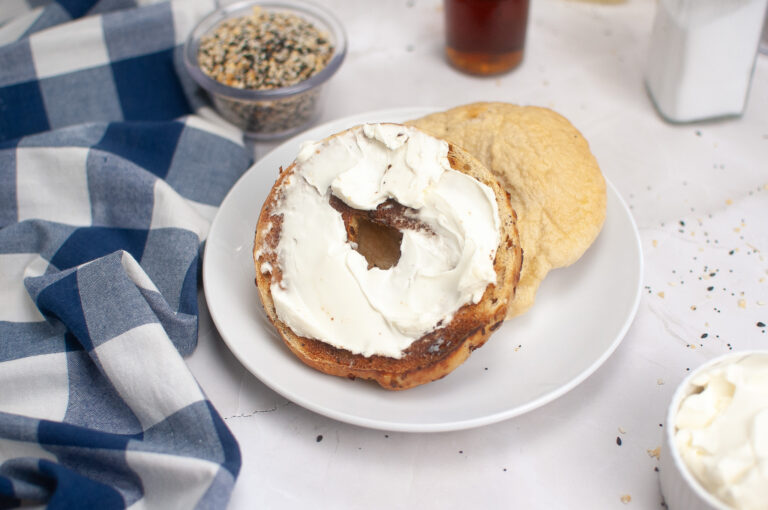
Homemade Sourdough Bagels for Cozy Mornings
This simple sourdough bagel recipe uses an overnight rise to create chewy, flavorful bagels that fit beautifully into a cozy homestead routine.
-
Baking | Cook | Desserts | Homemade Pantry
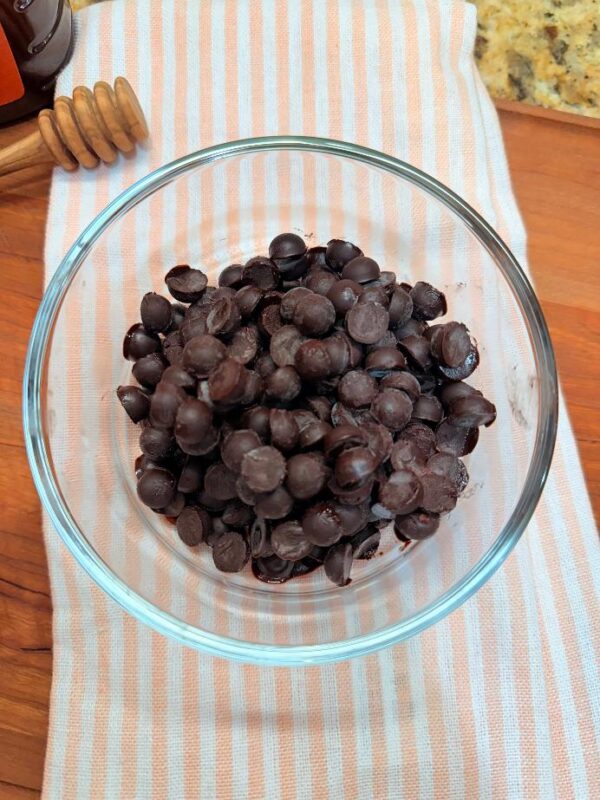
How to Make Homemade Chocolate Chips (Simple & Budget-Friendly)
Make homemade chocolate chips with simple ingredients and honey. Easy, natural, and perfect for baking. They are also cost effective.
-
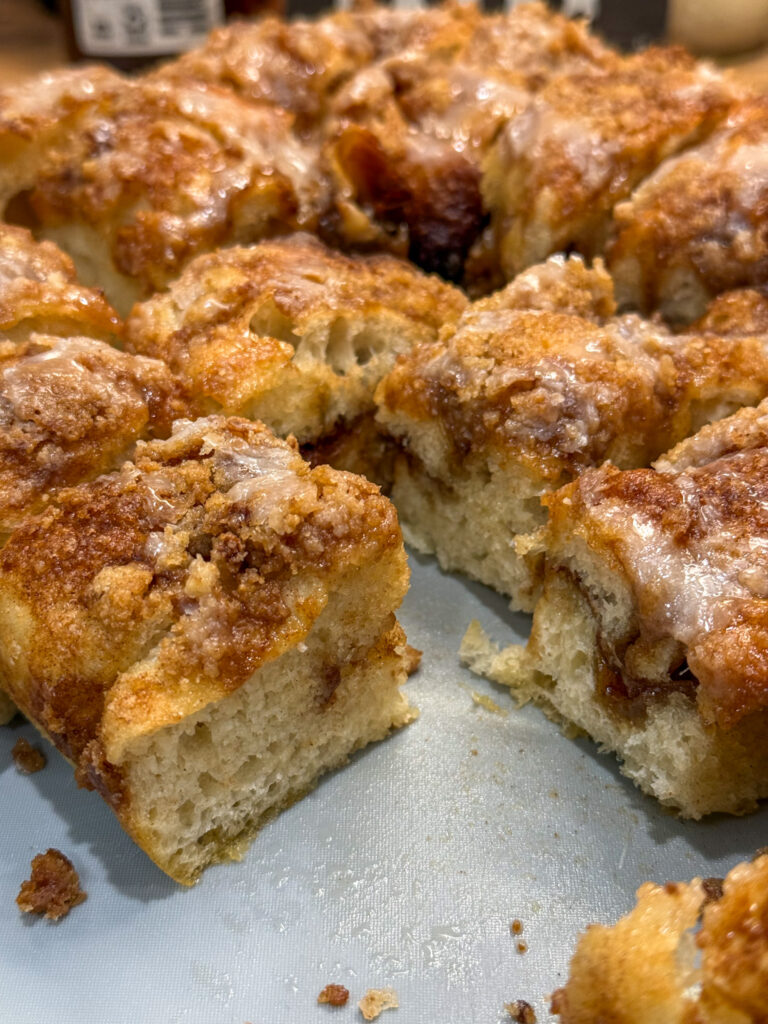
Cinnamon Roll Focaccia Bread Recipe (Better Than Cinnamon Rolls!)
Try this cinnamon roll focaccia recipe with buttery cinnamon filling, crumble topping, and sweet icing. Better than cinnamon rolls.
-
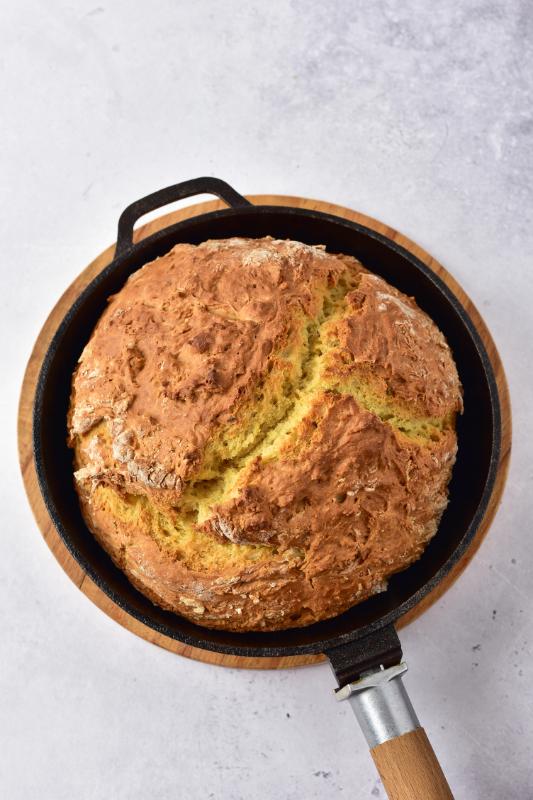
How to Make Traditional Irish Soda Bread at Home
This easy Irish soda bread recipe brings old-fashioned comfort to your homestead kitchen. The loaf bakes with a golden crust, tender center, and rich buttery flavor. Simple pantry ingredients and a quick mixing method make this bread perfect for busy days. Serve warm slices with soup, stew, or fresh butter straight from the table.
-
Homemade Hot Dog Buns (Soft and Easy Homestead Recipe)
These homemade hot dog buns bake up soft, golden, and perfect for any backyard meal. The dough comes together with simple ingredients and a gentle rise that keeps each bun tender. They hold their shape without feeling heavy, making them ideal for hot dogs, sausages, or easy weeknight sandwiches.
-
Freezer-Friendly Egg Bites
These freezer-friendly egg bites are a simple, protein-packed breakfast you can make ahead for busy mornings. Blended with cottage cheese and filled with spinach, bell pepper, and onion, they bake up tender and reheat beautifully. Store them in the fridge for the week or freeze for a quick, nourishing meal anytime.