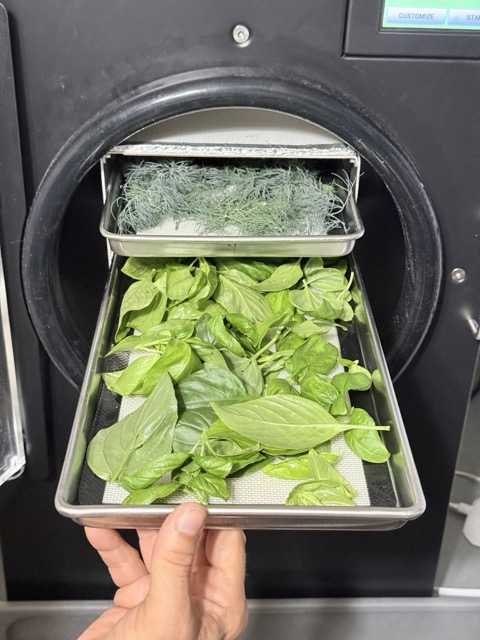
Disaster Preparedness on a Budget: Practical Homestead Essentials
Disaster preparedness on a budget starts with a simple question: What would our family need if the power went out or the tap stopped running? Here in Oklahoma, storms, ice, and other disruptions give us plenty of reasons to have a plan. You can build one a little at a time, using everyday supplies and adding equipment when it fits your needs.
On our homestead, we have camping water filter straws, rain barrels with a pump, Clearsource RV water filters, BLUETTI solar generators, a medium Harvest Right freeze-dryer, a Rise Garden, and a Lettuce Grow. Each has a place in a broader plan. Here is how to think through the basics, the upgrades, and the affordable alternatives.
This post contains affiliate links. If you purchase through these links, we may earn a commission at no extra cost to you. As an Amazon Associate, I earn from qualifying purchases.
Start disaster preparedness on a budget with a family plan
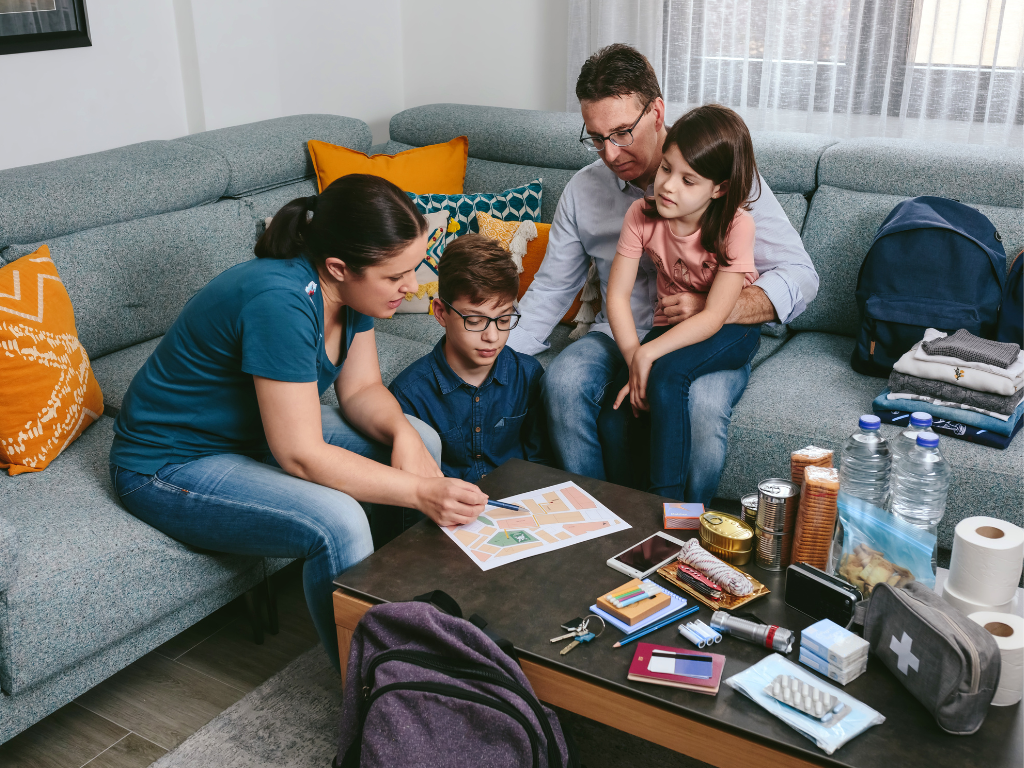
Before shopping, decide where your family will shelter, how you will get weather alerts, and where you will meet if you must leave home. Write down emergency contacts and choose someone outside your area who can help relay messages. Keep paper copies with your supplies.
Make room for prescriptions, glasses, infant supplies, mobility needs, and pets. If you keep livestock, include feed, water, fencing repairs, and a way to reach your veterinarian. Keep a evacuation bag ready. Supplies at home are useful, but they cannot make an unsafe home safe. Follow local evacuation and shelter instructions.
Budget option: Inventory your pantry, camping gear, flashlights, and spare blankets first. A written plan and an organized shelf can close gaps before you buy anything.
Near Zero READY-2-GO Bundle: gear for leaving home
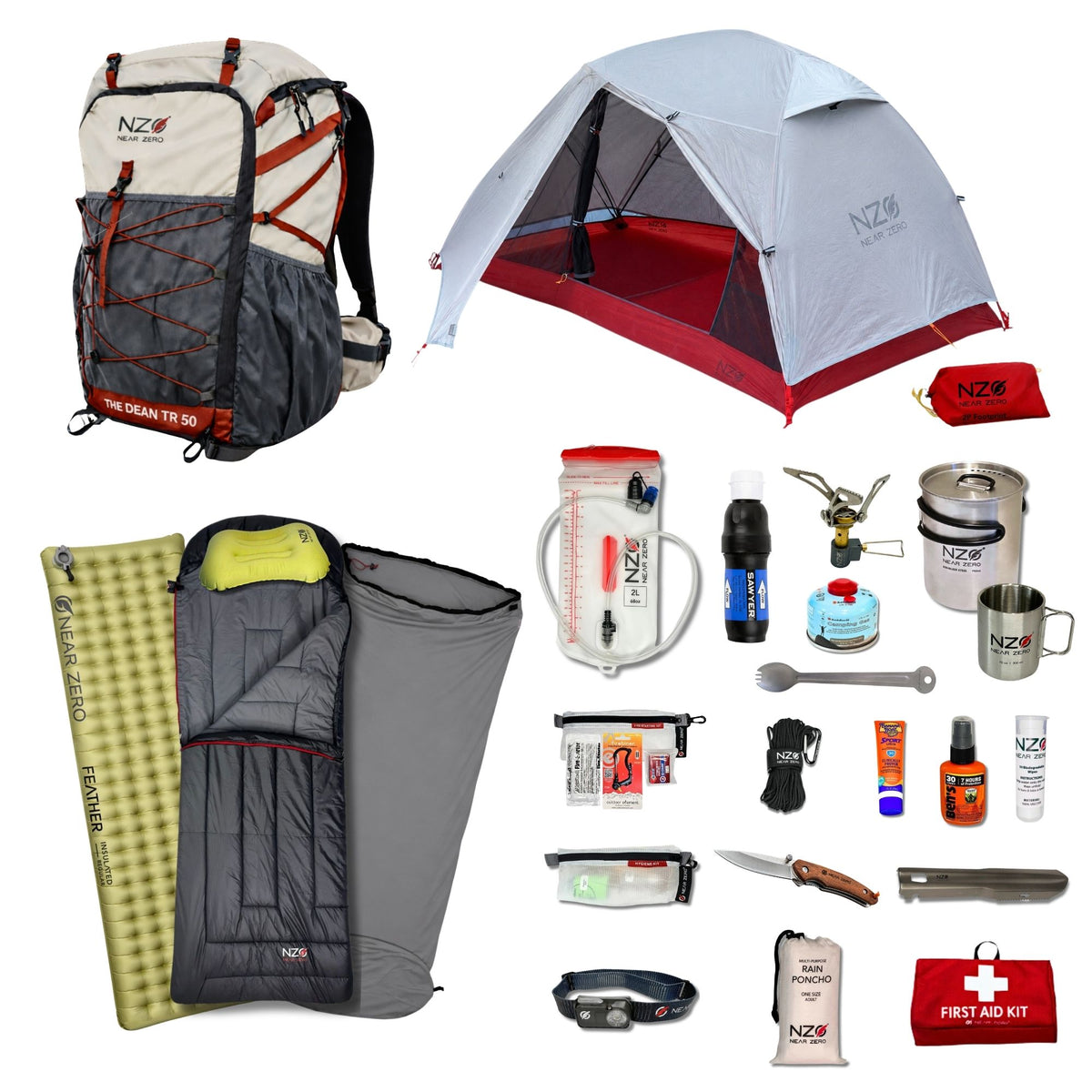
The Near Zero READY-2-GO Bundle brings camping equipment together in a prepacked DEAN TR 50 backpack. Near Zero lists 25 items and an 18.5-pound packed weight. Highlights include a two-person tent, sleeping bag, sleeping pad, pillow, cookware, compact stove and fuel, Sawyer Squeeze water filter, hydration bladder, rechargeable headlamp, and first aid supplies. It can provide a starting point for portable gear in your disaster preparedness plan.
This is a camping bundle, so tailor it to your evacuation needs. Add drinking water, food, prescriptions, documents, clothing, and supplies for children and pets. The two-person tent does not mean it includes two complete sleep systems. Check fit, weather suitability, and the final weight after adding personal items. Practice with the equipment before an emergency, and use the fuel-burning stove outdoors only.
Budget option: Build a bag with camping gear you already own and purchase only missing essentials. Compare individual costs with the bundle before buying. The product page listed $799.50 and marked it sold out when checked; confirm current contents, price, and availability.
Disaster preparedness: store safe drinking water
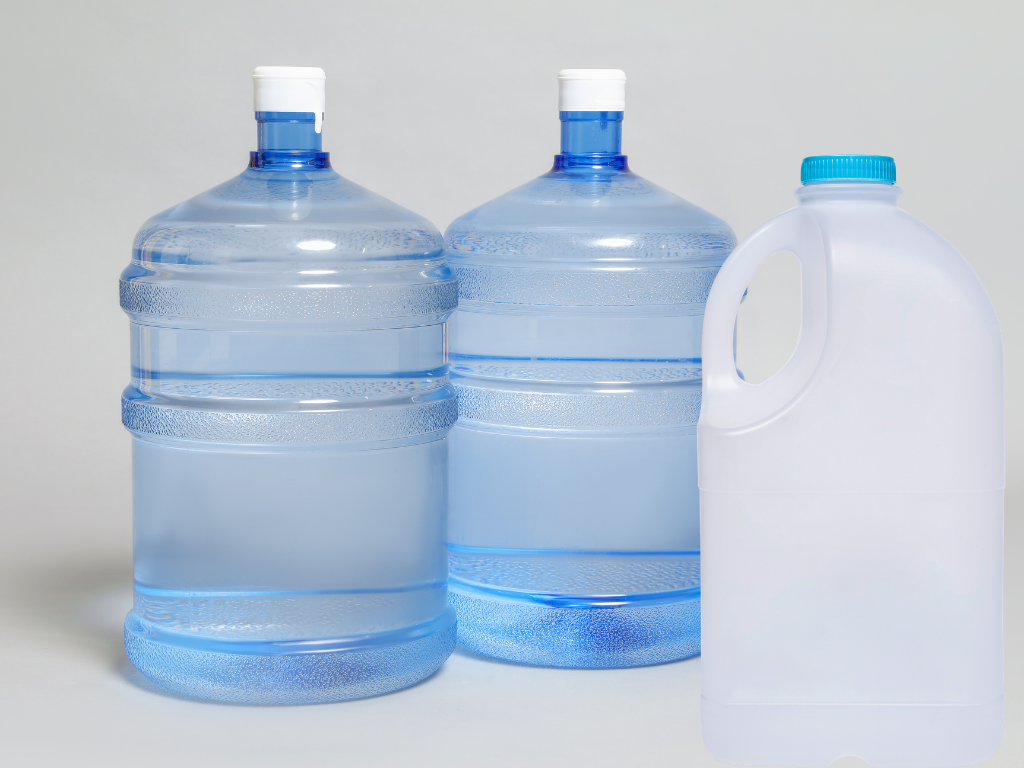
Water comes first. The CDC recommends at least one gallon per person per day for three days, with a two-week supply if possible. Add water for pets and extra needs in hot weather. A family of four needs at least 12 gallons for that first three-day supply.
Budget option: Add commercially bottled water to regular grocery trips. Alternatively, use properly cleaned and sanitized food-grade water containers, following CDC storage instructions. Label dates and rotate home-filled water every six months. Avoid containers that previously held chemicals.
Camping water filter straws: a portable backup
We keep camping water filter straws among our supplies. Compare camping water filter straws on Amazon. They are easy to pack, but their capabilities depend on the exact model. Check which bacteria, parasites, viruses, and chemicals the manufacturer says it addresses. A filter straw is not a complete household water plan, and some only allow one person to drink directly through the straw.
Patriot Pure Personal Water Filter Straw: a packable option
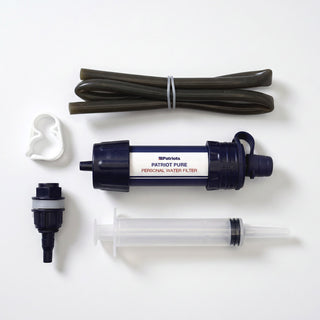
The Patriot Pure Personal Water Filter Straw works without electricity and includes accessories for a gravity-filter setup. 4Patriots lists a filter lifespan of up to 1,320 gallons, depending on use. The supplied link selects the five-pack; check the pack size before ordering.
For disaster preparedness, match a filter to the water you expect to use. The product’s detailed claim covers reduction of pathogenic bacteria; do not assume it removes viruses, dissolved chemicals, or salt. Follow the cleaning and source-water instructions. Stored drinking water should remain your first supply.
LifeSaver Cube: water purification without electricity
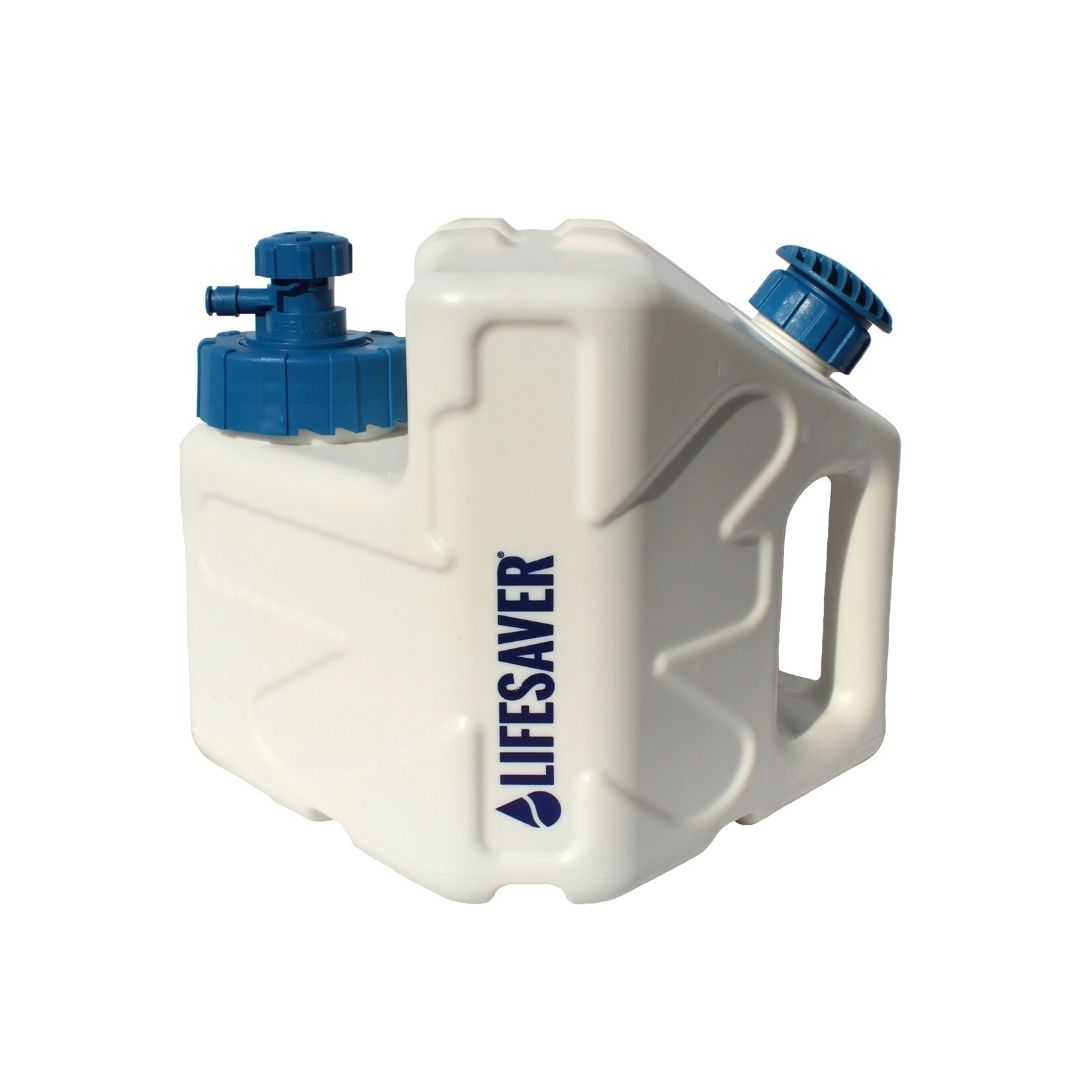
The LifeSaver Cube combines a five-liter container, hand pump, and tap, so it works without electricity. The manufacturer says its filter reduces bacteria, viruses, and cysts, making it an option to consider alongside stored drinking water. The complete Cube includes the container; a replacement cartridge alone does not.
Its main cartridge treats up to 5,000 liters, while the separate carbon disc has a much shorter lifespan of up to 25 gallons. Follow the instructions for priming, cleaning, storage, and replacements. No portable purifier makes every water source safe. Avoid water contaminated with fuel, toxic chemicals, or salt, and follow local emergency water guidance.
Rain barrels, a pump, and our Clearsource RV filters
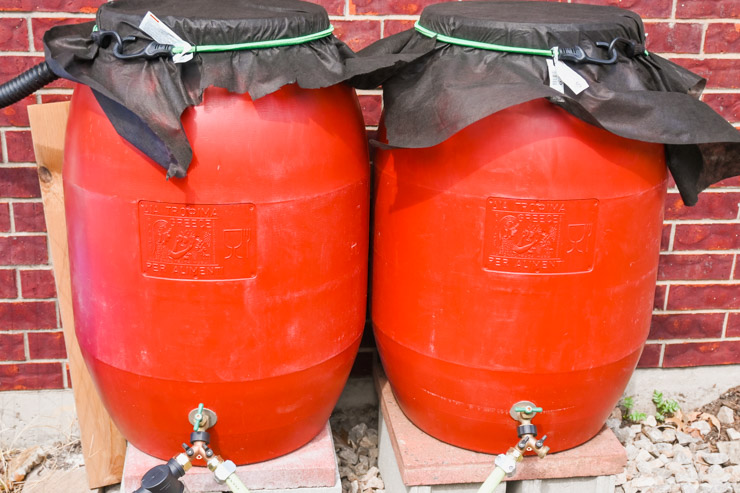
Our rain barrels have a pump, which gives us a way to move collected water and connect our Clearsource RV filtration equipment. That physical connection is only one part of the setup. Before using a similar arrangement, confirm the pump pressure, hoses, filter model, and source-water requirements with the manufacturer.
Do not assume filtered rain-barrel water is safe to drink. Roof runoff can contain germs and chemicals. An RV filter may not address every contaminant in that water. We would need appropriate testing and treatment for the intended use before calling it drinking water. The CDC explains the risks of collected rainwater and recommends public-system or bottled water for drinking when available.
Keep collected rainwater separate from household drinking-water pipes. Also plan how to move water if the pump loses power. Never use floodwater or water suspected of fuel or toxic chemical contamination for drinking; ordinary filtering or boiling cannot make it safe. Follow local water advisories.
Upgrade to consider: A maintained rain-barrel system and a treatment setup selected for tested water conditions. Budget option: Stored drinking water and a separate, clearly labeled supply for suitable non-drinking tasks.
Save Time Stocking Your Emergency Pantry
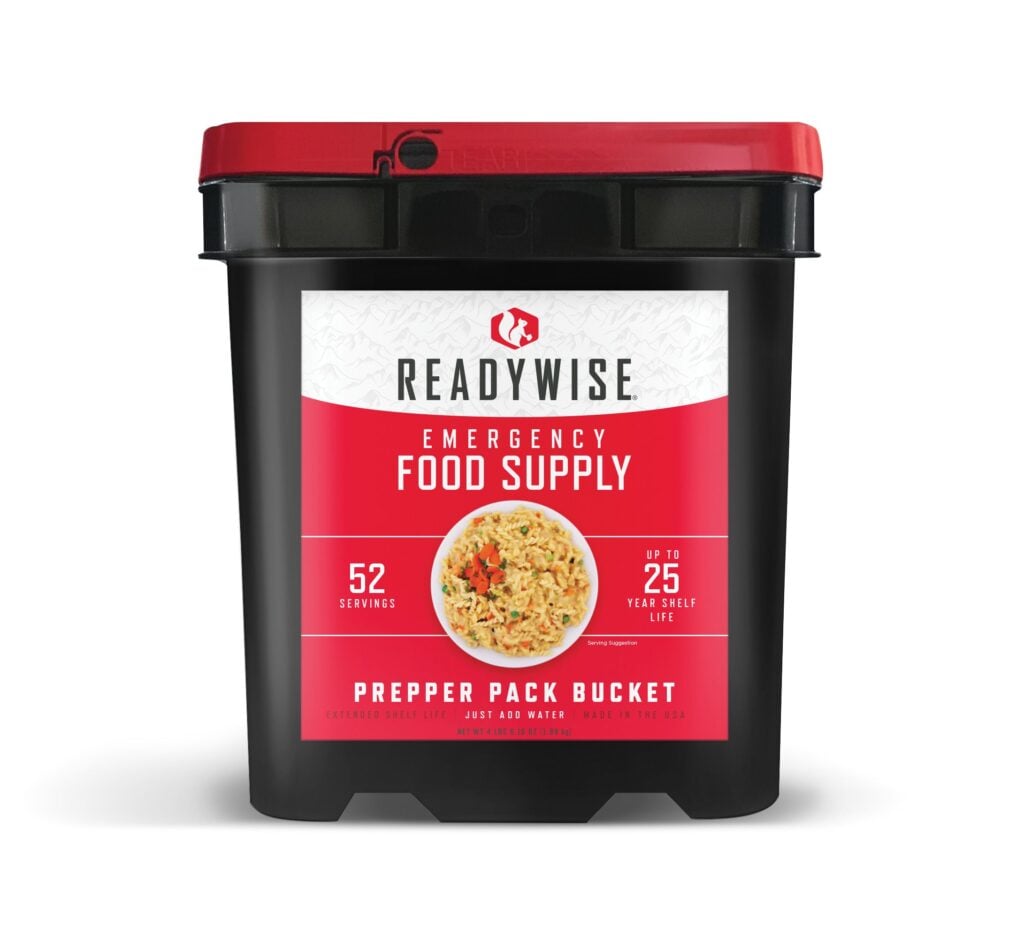
Survival expert Joe Bassett, co-author of Emergency Communication 101 and founder of Valiant Outfitters, recommends the ReadyWise Prepper Pack Bucket as a simple starting point for emergency food storage. This convenient bucket combines 52 servings of meals, cereals, and drinks in one purchase. Meal options include creamy vegetable rotini, savory stroganoff, tomato basil soup with pasta, and Southwest beans and rice. Brown sugar and maple multigrain cereal and apple cinnamon cereal add comforting breakfast choices. The pack also includes orange drink mix and a whey milk alternative.
These freeze-dried and dehydrated foods are ready in minutes when you add water, so remember to store water for preparation. Sealed Metallyte pouches offer a listed 25-year shelf life, making this a useful addition to your preparedness supplies. The stackable bucket saves storage space, while its grab-and-go handle makes carrying it easier. With 8,280 total calories, it provides a starting supply you can build around your family’s needs.

A food pantry for disaster preparedness
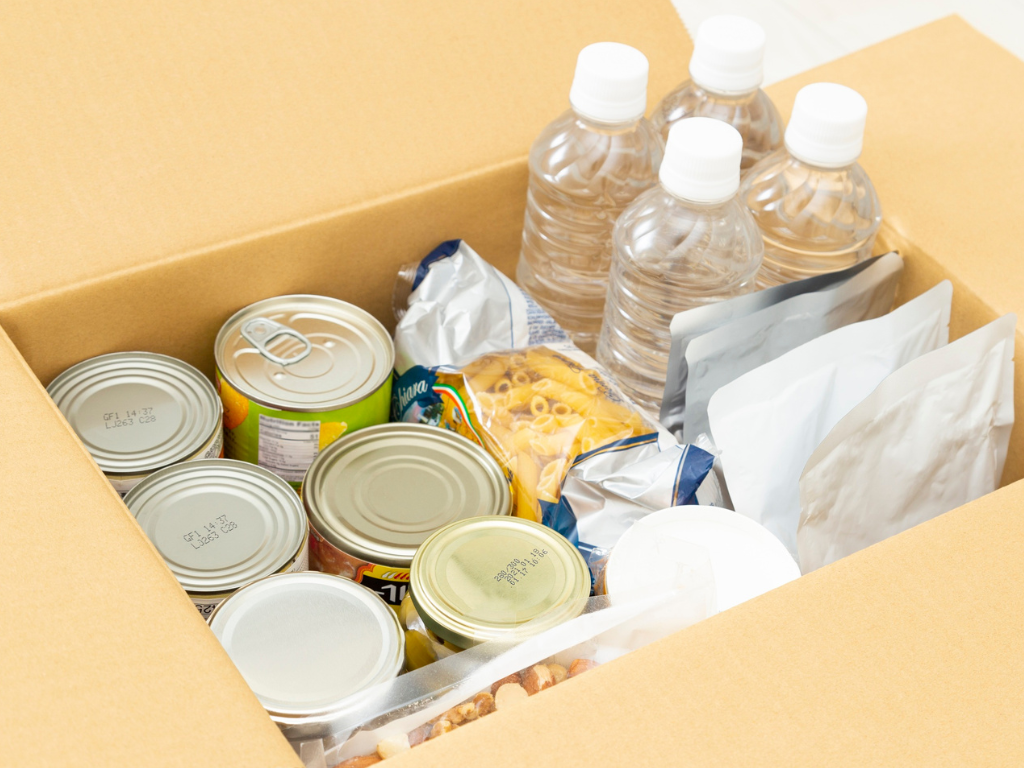
Building an emergency pantry can start with affordable foods your family already enjoys. White rice, dried beans, lentils, oats, and pasta are useful staples for longer storage. Keep them in airtight, food-safe containers in a cool, dry, dark place. Label everything with the purchase date, and use the oldest items first. Add canned meats, vegetables, fruit, and peanut butter for variety, including options you can eat without cooking. Keep a manual can opener handy, and store water for drinking and preparing dried foods.
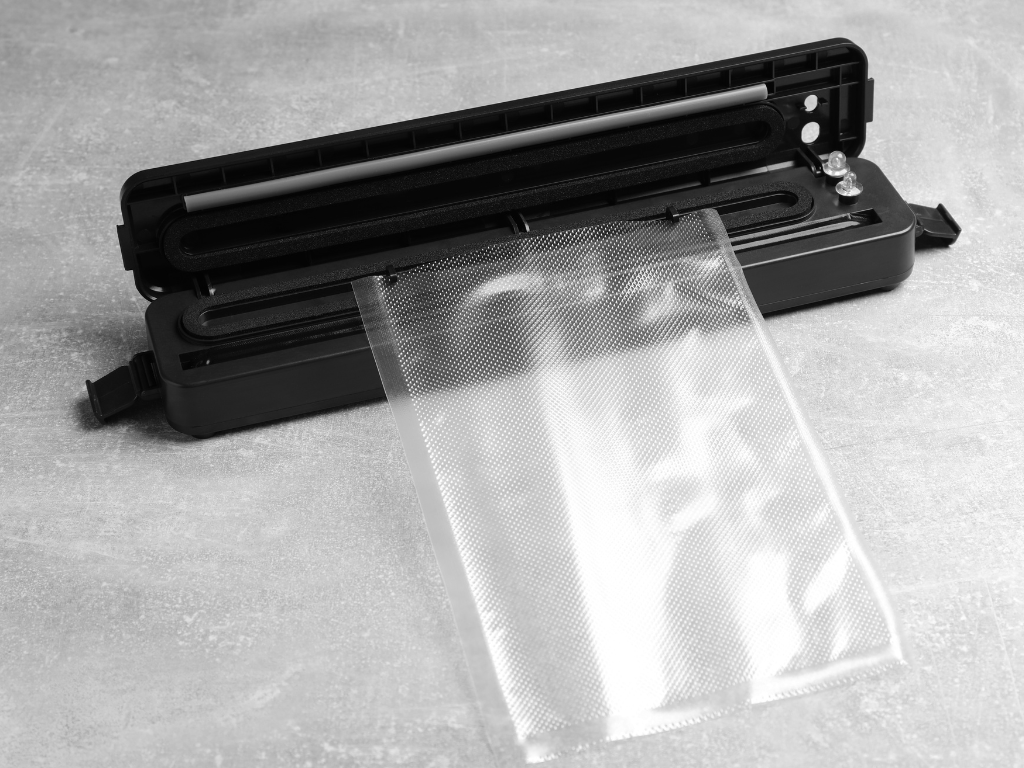
Rice is one staple we like to keep on hand, and we vacuum-seal ours with a FoodSaver. White rice is better suited to long-term storage than brown rice, which contains oils that can turn rancid sooner. You may have heard the tip about adding bay leaves to large rice canisters to help keep bugs away. It’s a traditional pantry trick, but research hasn’t shown that it reliably prevents infestations. Use tightly sealed containers, check your supplies regularly, and keep packages protected from moisture and pests. A little planning and regular rotation can help keep your emergency pantry ready when you need it. Balance foods that need cooking or added water with meals you can eat as they are. Plan portions so opened food does not depend on a working refrigerator.
Budget option: Buy one or two extra pantry items each week. Put new items behind older ones and use what you store. Rice and dry beans are useful pantry staples, but they need water, cooking time, and fuel. Keep some ready-to-eat alternatives too.
JVR Vac100: package food ahead of a disruption

The JVR Vac100 Chamber Vacuum Sealer is an upgrade to consider if you regularly portion bulk food or package your harvest. JVR lists an oil-lubricated rotary pump, a 12.3-inch seal bar, and a tempered-glass lid. Chamber sealing can handle liquids such as cooled soups and marinades when you follow the machine’s instructions. It needs electricity, so its role in disaster preparedness is to package food ahead of an outage.
Vacuum sealing does not make perishable food shelf-stable. Keep foods refrigerated or frozen when required. A vacuum-sealed bag or jar does not replace a tested canning process. Oregon State University Extension explains safe home vacuum packaging. Label each package with its contents and date, use suitable pouches, and follow the food’s storage requirements.
Tip: Start with food-safe airtight containers, freezer bags, or an external vacuum sealer you already own. The Vac100 was listed at $899 when checked. Compare the machine, pouches, counter space, and oil-pump maintenance costs with how often you will use it. Check accessory requirements with JVR before choosing specialty bags or jar-sealing options.
Bulk spices: make pantry meals taste familiar
Rice, beans, canned vegetables, and soups become much more inviting with seasonings your family already enjoys. For disaster preparedness, consider onion powder, garlic powder or granulated garlic, black pepper, paprika, cumin, cinnamon, and your favorite dried herbs. These pantry staples add flavor without needing fresh onions or garlic on hand.
Brands such as Watkins offer larger containers for households that cook often. For example, Watkins Organic Onion Powder comes in a 22-ounce food-service container. Use onion and garlic powders in beans, rice dishes, soups, dry rubs, and homemade seasoning blends. Check labels carefully: garlic salt and onion salt already contain salt, while plain powders let you adjust salt separately.
Keep spices tightly closed in a cool, dry, dark cupboard away from stove heat and steam. Use a clean, dry spoon, label the opening date, and rotate supplies through everyday cooking. A large container is useful only if you will use it while the flavor is still good; follow the package’s best-by and storage guidance.
Budget option: Compare the price per ounce with store brands and smaller jars. Start with onion powder and garlic powder if those are your most-used seasonings, then add others gradually. Buying the biggest container is not always the best value for a small household. Spices stretch your meal options, but they do not replace the food, water, and cooking fuel your pantry plan needs.
4Patriots Fruit, Veggie & Snack Kit: pantry variety
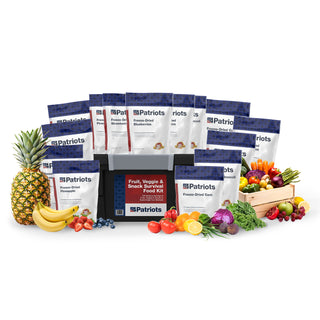
The Fruit, Veggie & Snack Emergency Survival Food Kit adds variety to a disaster preparedness pantry. It lists 120 servings and 3,920 total calories, with foods including freeze-dried berries, broccoli, corn, green beans, pineapple, banana chips, and chocolate pudding. Those servings are snacks and sides rather than 120 complete meals.
The brand lists a shelf life of up to 25 years under proper storage conditions; heat or damaged packaging can shorten it. Check each pouch for preparation directions, ingredients, and allergens. Keep safe water for foods that need rehydrating. Budget option: Add familiar canned fruit and vegetables a few at a time, then rotate them through everyday meals.
milkadamia Oat Milk Slices for disaster preparedness

milkadamia Oat Milk Slices offer a compact way to keep a plant-based milk option in your pantry. One pack contains 20 slices, each making eight fluid ounces of oat milk, for a total of 160 fluid ounces. Prepare only the amount you need for cereal, coffee, or cooking.
The manufacturer gives two preparation methods: blend with water for 60 seconds, or soak for 30 minutes and shake. The soak-and-shake option is useful when you want to save backup battery power. You still need safe drinking water and a clean container. Follow the package’s best-by and storage directions, including refrigeration instructions after preparation. During an outage, make only what you can use safely.
Budget option: Compare the cost per prepared cup with powdered milk or shelf-stable cartons your household already uses. Choose portions that suit your family and help prevent waste.
Disaster preparedness: root-cellar alternatives for produce
Some garden crops can keep without electricity when their temperature and humidity needs are met. Utah State University Extension describes outdoor storage options, including buried containers insulated with straw. Think of these as small seasonal produce-storage systems, with different requirements from a dry pantry.
A buried container is not automatically a safe refrigerator. Choose suitable crops and monitor the actual storage temperature and humidity. Plan drainage, ventilation, pest protection, and easy access. For direct food contact, use food-safe materials; never reuse a container that held trash or chemicals. Keep medicines and perishable foods that require refrigeration in storage approved for their needs.
Oklahoma’s variable weather means you should test a small setup before relying on it. Ask your local Extension office which methods suit your soil, rainfall, and crops. Avoid flood-prone locations and have underground utilities marked before digging. Budget option: Begin with a small amount of suitable produce in a cool storage space you can monitor. Inspect it regularly and remove spoiled items.

How our medium Harvest Right freeze-dryer fits in for Our Disaster Preparedness
We own a medium Harvest Right freeze-dryer. Its role in preparedness is to preserve food ahead of a disruption, so there is less reliance on a freezer later. It needs electricity to process food, and many freeze-dried meals also need safe water to rehydrate.
For a closer look at foods you can preserve, read our guides to how to freeze-dry corn and how to freeze-dry cheese. These are useful starting points for learning the process before building a larger pantry.
Safe preparation matters. Utah State University Extension notes that freeze-drying does not kill bacteria. Follow current food-safety guidance and the equipment instructions. Fully dry suitable foods, package them correctly, and label each batch. Storage life varies with the food, process, packaging, and conditions.
Explore Harvest Right freeze-dryers through our affiliate link (opens in a new tab).
Budget option: Build a rotating canned-food pantry first. A freeze-dryer is a major purchase, so consider the machine, supplies, maintenance, and electricity costs together. You can prepare useful meals without owning one.
Disaster preparedness with backup power
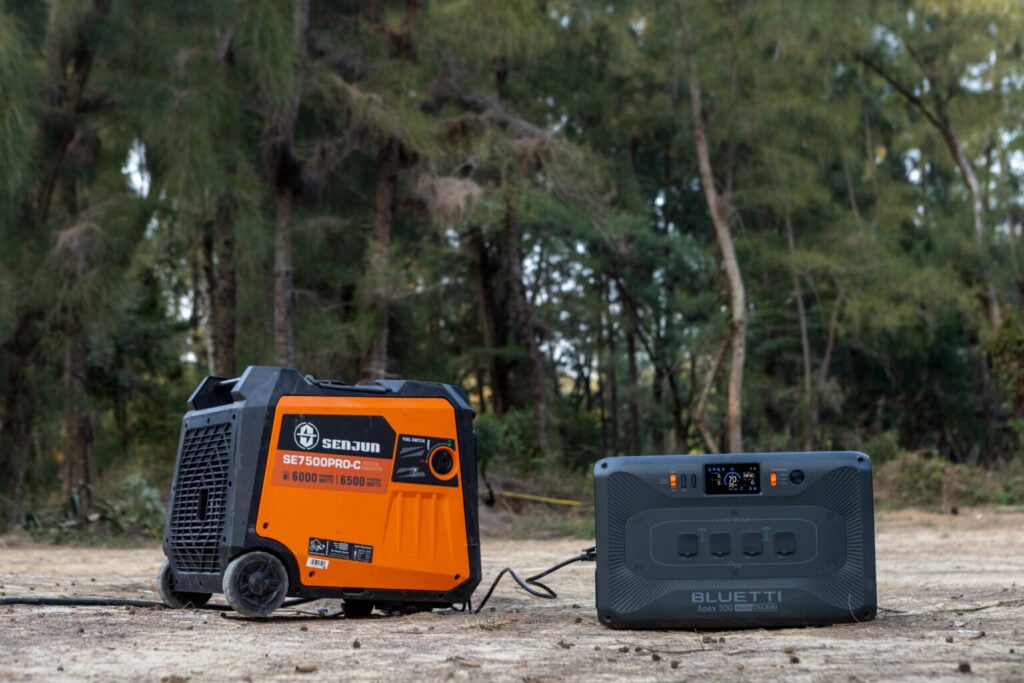
We have BLUETTI solar generators as part of our setup. A portable battery power station can be useful for selected devices, but the right size depends on what you need to run and for how long. Write down those needs before comparing models.
Check both output watts and battery capacity in watt-hours. Starting surges, conversion losses, temperature, and the load all affect performance. Solar recharging also depends on compatible panels, sunlight, and weather. Test your actual devices ahead of time rather than assuming a battery will run a refrigerator or water pump through a long outage.
For medical equipment, work with your care team and equipment supplier on a tested backup plan. Keep another safe location in mind if your power supply will not last.
Budget option: Start with a charged phone power bank, charging cables, LED lanterns, and headlamps. These handle smaller needs while you save for larger equipment. Keep batteries and charging supplies together.
Battery power stations and fuel-powered generators have different safety requirements. Follow the manual for either. The CDC says fuel-powered portable generators must stay outdoors, at least 20 feet from doors, windows, and vents. Use working carbon monoxide alarms with battery backup.
Infinity Power Failure Night Lights: light when the power goes out

The Infinity Power Failure Night Light 3-pack at Costco offers a simple addition to your disaster preparedness lighting plan. Costco lists automatic lighting when power fails, a built-in rechargeable battery, motion activation, dimming, and three color-temperature settings. A USB-C side port also provides device charging; check the product instructions for its output and limits before relying on it for your phone.
Place lights according to the instructions where nighttime darkness would make moving around difficult, such as a hallway or near a bedroom. Charge and test them before severe weather, and check the listed runtime for your chosen setting. Keep a separate flashlight or headlamp ready for longer outages. Costco’s Same-Day listing showed out of stock when checked; availability and pricing may vary by location.
Budget option: Start with a working flashlight and spare batteries you already own. Compare the three-pack’s per-light cost with individual rechargeable outage lights, and add them where automatic light would help most.
Blackout Buddy: a refrigerator backup to compare
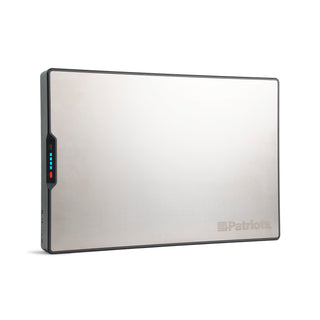
The Blackout Buddy Emergency Power Supply is a larger disaster preparedness upgrade for a compatible refrigerator. It lists 1,030 watt-hours of capacity, 600 watts of output, and automatic switchover in about 20 milliseconds. Check that your refrigerator stays below the listed limits of 600 running watts and 1,200 starting watts.
The advertised “up to 34 hours” depends on the appliance and conditions; it is not a guaranteed runtime. Follow the manual’s grounded-wall-outlet installation instructions and test compatibility before relying on it. This unit cannot run the 1,300-watt Kenyon grill discussed below. It showed out of stock when checked. Budget option: Start with appliance thermometers and a plan for keeping refrigerator doors closed.
Disaster preparedness: safe outdoor cooking
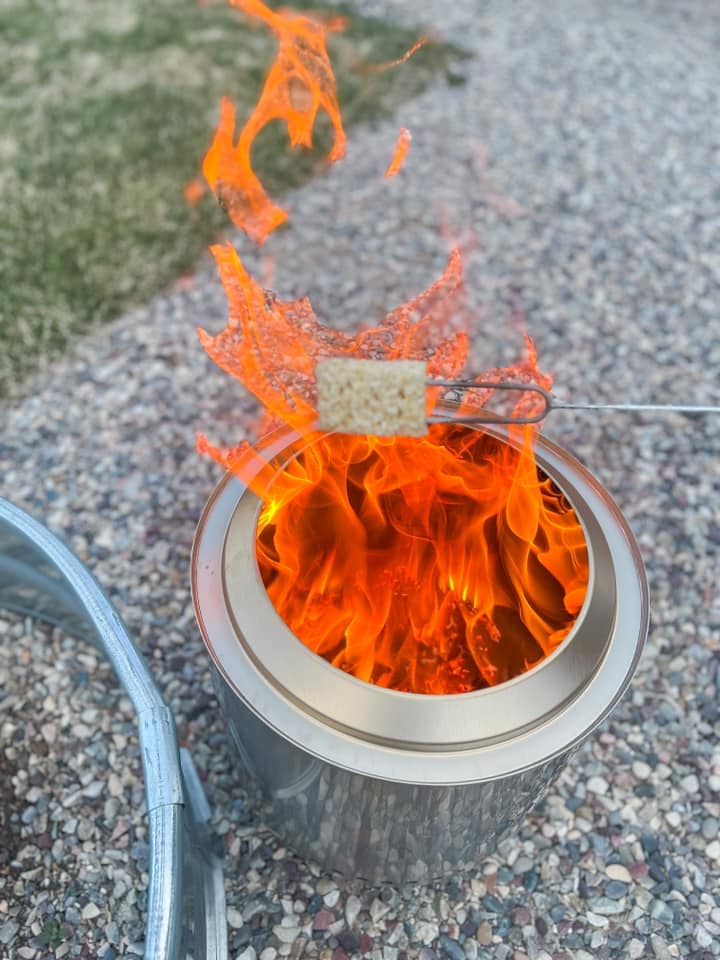
A Solo Stove fire pit with a compatible cooking system is one option for outdoor meals. Solo Stove makes cooking accessories sized for specific fire pits, so check compatibility before buying. Keep suitable fuel dry and practice cooking before an emergency.
Outdoor cooking depends on safe weather and local fire restrictions. Never use a fire pit, grill, or outdoor camp stove inside a home, garage, tent, or camper. Keep equipment clear of structures and openings, follow the required clearances, and never use it to heat your home. Keep ready-to-eat meals for times when outdoor cooking is unsafe.
Budget option: Use safe outdoor cooking equipment you already own. If you are buying a basic camp stove, include the cost and safe storage of its approved fuel. A no-cook meal plan is the simplest backup.
Kenyon City Grill: electric cooking with compatible backup power
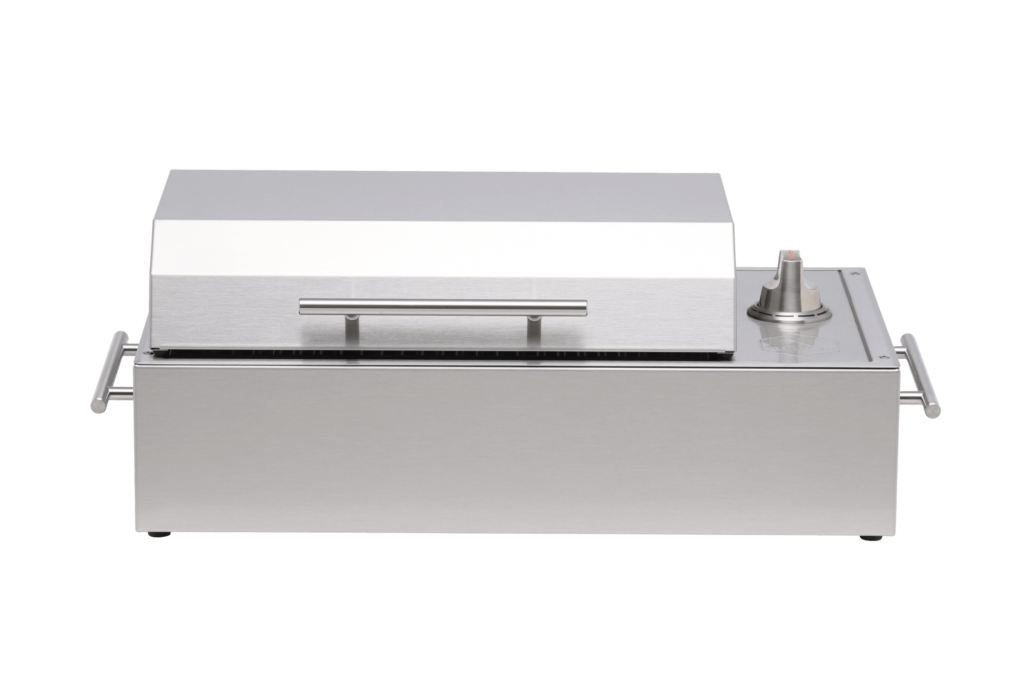
If you already have solar backup power and want to avoid storing or carrying cooking fuel, the Kenyon City Grill is an option to consider. Listed at $695 when checked, this compact electric grill needs no propane, charcoal, or open flame. Kenyon lists it as UL- approved for indoor and outdoor use, offering flexibility when weather makes outdoor cooking difficult.
Carrying handles make it easier to move and store. The concealed heating element avoids open-flame flare-ups, and Kenyon says the grill reaches temperatures above 550°F in about five minutes. Follow the owner’s instructions for placement, ventilation, drip-tray preparation, and safe operation indoors or outdoors.
Check your backup power first: The City Grill requires a standard 120-volt outlet and 1,300 watts. Your battery system must support that continuous load, with capacity left for the rest of your essentials. At a constant 1,300-watt draw, 30 minutes would use about 650 watt-hours before inverter losses. Actual use varies with heat settings and cycling. Solar panels alone do not make it outage-ready; plan for a compatible power station or home backup system and test the setup ahead of time.
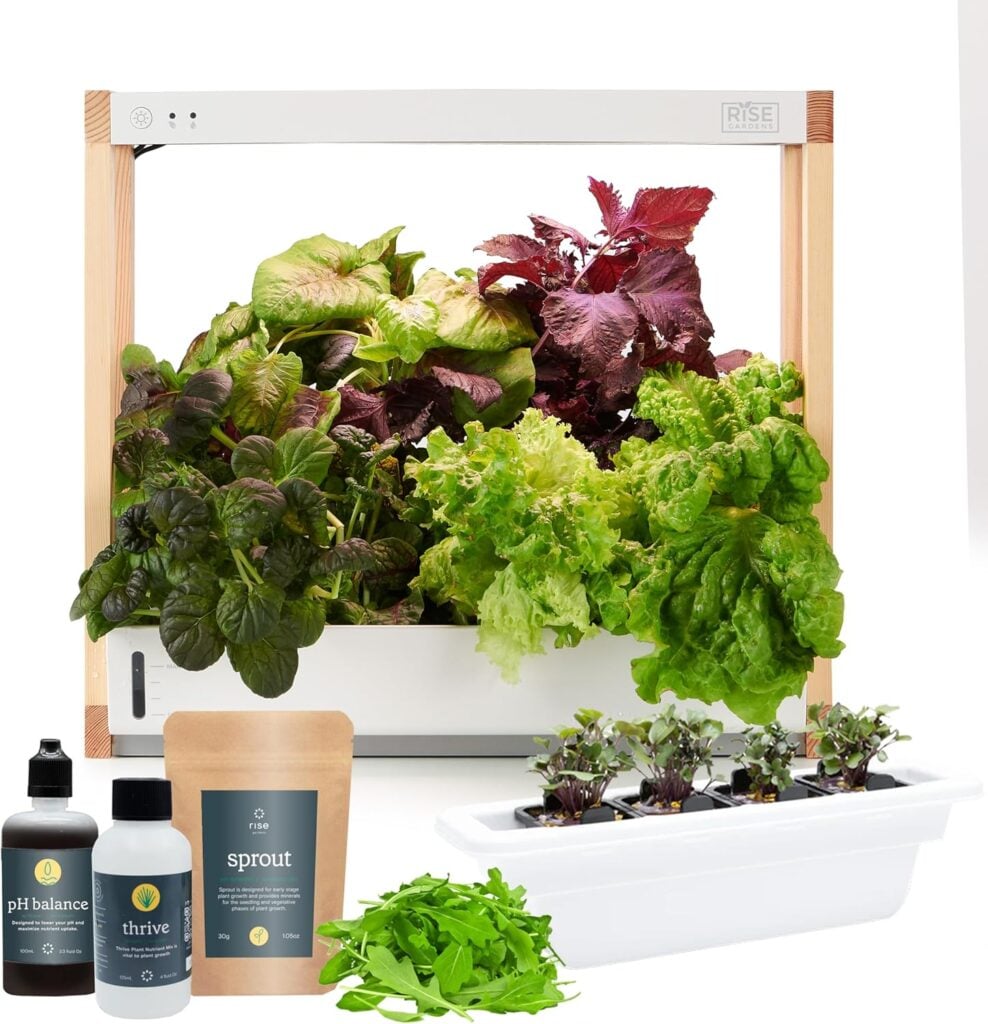
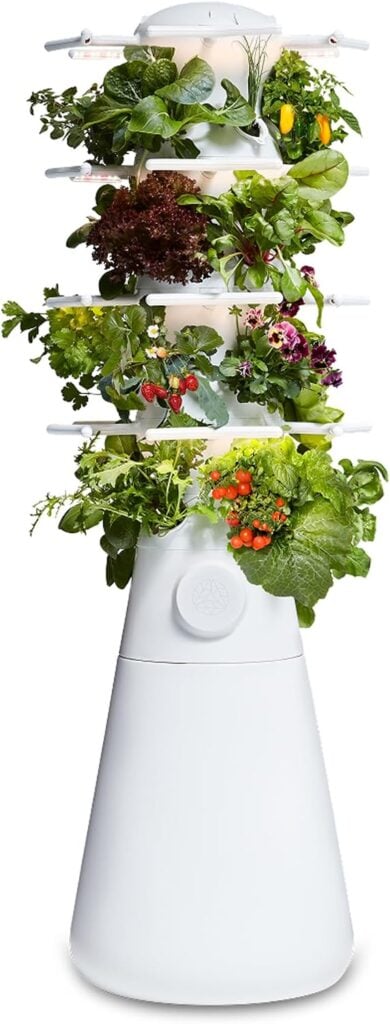
Grow fresh food before you need it
We have both a Rise Garden and a Lettuce Grow. Hydroponic gardens can add greens and herbs to a household food plan, especially when you begin growing well before a disruption. They also give you a chance to learn plant care in a smaller space.
These systems still need water, nutrients, time, and electricity for their pumps and any grow lights. They will not replace a stocked pantry or provide an instant harvest. Include their power needs only after you have planned for your household essentials.
Budget option: Try a few containers with drainage, suitable potting mix, and seasonally appropriate seeds. Herbs and greens can be a manageable starting point. Use our gardening resources to build skills, then expand as your space and budget allow.
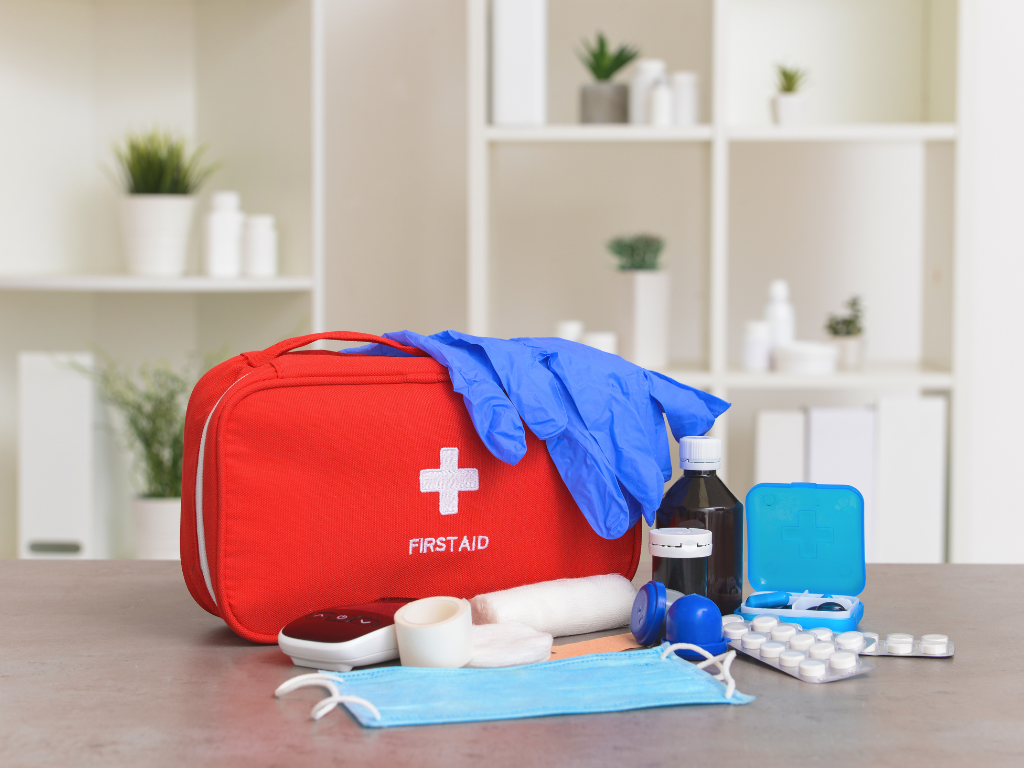
Keep first aid and everyday health supplies ready
Stock bandages, gloves, a thermometer, soap, hygiene supplies, and the medicines your household normally uses. Keep a current medication list and discuss emergency prescription planning with your pharmacist. A first-aid class is another useful investment.
Homemade tinctures may be part of your interest in herbs, but they should not replace prescriptions, first aid, or medical care. The National Institutes of Health warns that herbal supplements can interact with medicines, and many have limited safety evidence. Ask a clinician or pharmacist about specific herbs, especially for children or during pregnancy.
If you make tinctures, identify plants correctly, label every ingredient and preparation date, and store them securely away from children. Avoid experimenting with unfamiliar remedies during an emergency.
Budget option: Organize supplies you already have, replace expired essentials, and learn basic first aid before buying specialty herbal products.
Disaster preparedness: make an emergency medication plan
Before a disruption, review your regular medicines with your clinician and pharmacist. Ask about refill timing, an appropriate emergency supply, and what to do if your pharmacy closes. If an advance prescription is appropriate, obtain it through a licensed clinician and pharmacy with clear written instructions. There is no single antibiotic kit that is right for every household.
Keep an updated list of medicine names, doses, allergies, prescriber contacts, and pharmacy details. Store medicines in their labeled containers under the required conditions, and check expiration dates. Ask your pharmacist for a plan for refrigerated medicines during an outage; a cooler alone does not guarantee the right temperature.
Do not build an antibiotic reserve from leftover prescriptions, someone else’s medicine, or animal products. The CDC advises taking antibiotics only as prescribed and not saving them for a future illness. Antibiotics treat certain bacterial infections, not colds or flu. Any clinician-prescribed standby treatment needs specific instructions about when to seek advice and when to use it.
Budget option: Start with a current medication list, a refill plan, and the basic first aid supplies you already use. Ask your pharmacist about affordable options for your individual needs before buying specialty emergency products.
Optional homeopathic products and disaster preparedness
Some households include homeopathic products among their everyday supplies. The following Boiron options are optional purchases to discuss with your pharmacist.
Boiron Oscillococcinum, 36 doses, is a homeopathic pellet product marketed for flu-like symptoms.
Boiron ColdCalm Tablets, 120 count, are marketed for cold symptoms.
Boiron Chestal Pellets for Cough & Congestion are another homeopathic option, marketed for cough and congestion.
Boiron Arnicare Arthritis Tablets, 120 count, are marketed for arthritis-related aches and joint pain.
Know the evidence: The FDA states that no homeopathic product is FDA-approved. The National Institutes of Health reports little evidence that homeopathy effectively treats any specific condition. Do not rely on these products to prevent flu, treat an infection, or replace prescribed treatment. Do not delay medical care. Review ingredients, allergies, age limits, and label directions with a pharmacist, especially for children, pregnancy, or anyone taking regular medicines.
Budget option: For disaster preparedness, prioritize your regular medicines, a thermometer, and basic first aid supplies before optional products.
Rubyloo pet first aid kit: keep supplies together
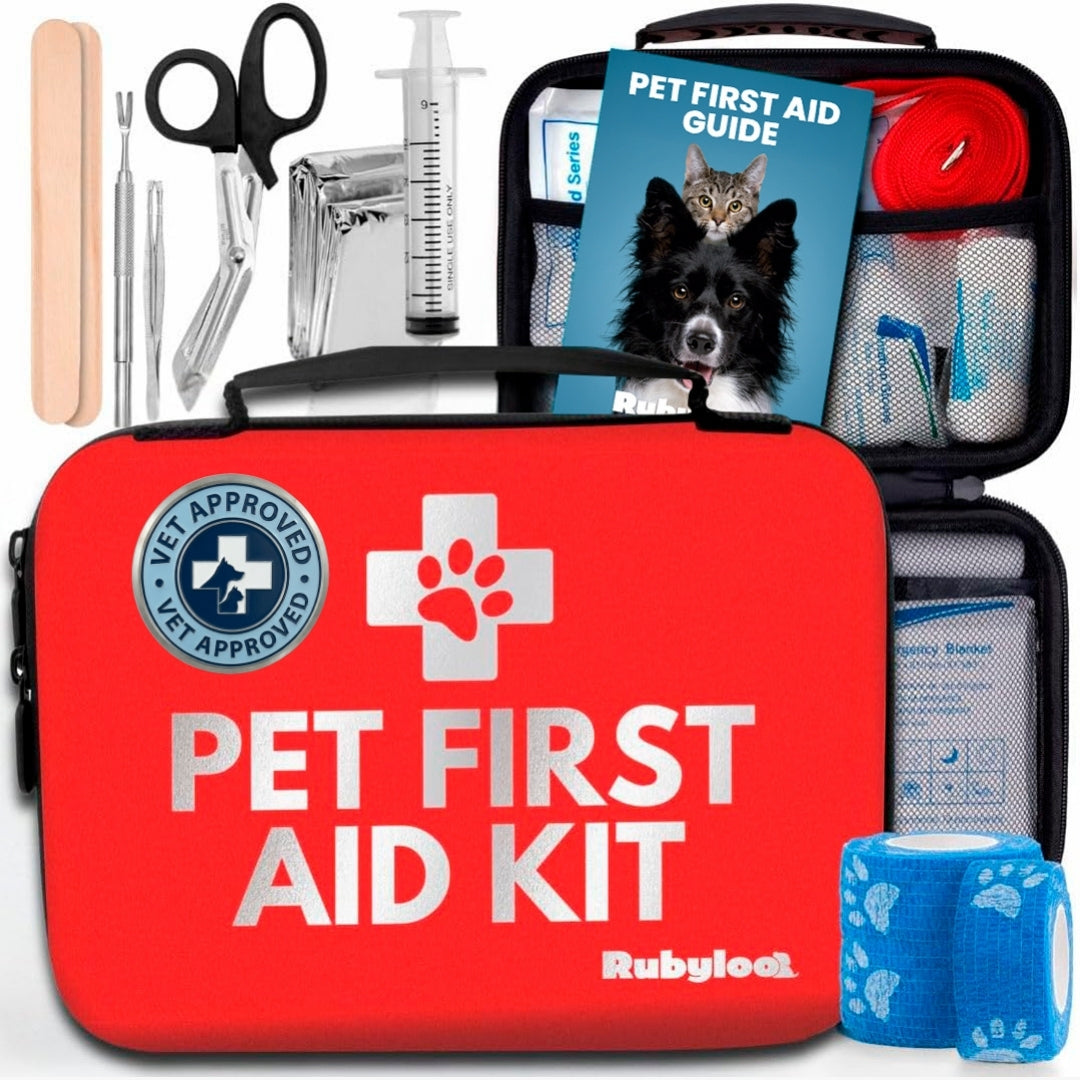
A Rubyloo Dog First Aid Kit for dogs and cats is another option for your pet disaster preparedness supplies. The listing describes a 53-piece kit with items such as vet wrap, first aid pads, saline wash, a tick remover, a slip leash, and a thermal blanket. A compact, hard-sided case keeps supplies organized for home, the car, camping, or an evacuation bag. It also includes a pet first aid guide.
Review the contents before an emergency, check expiration dates, and ask your veterinarian what to add for your own animals. Keep regular medicines, veterinary records, and emergency clinic contact details with your pet plan. A kit supports basic preparedness; it does not replace veterinary care.
Budget option: Compare a ready-made kit with the cost of gathering the supplies your veterinarian recommends in a sturdy pouch. Choose the approach that fills your household’s gaps, and replace used items after each outing.
ReadyRESCUE: include pets in disaster preparedness
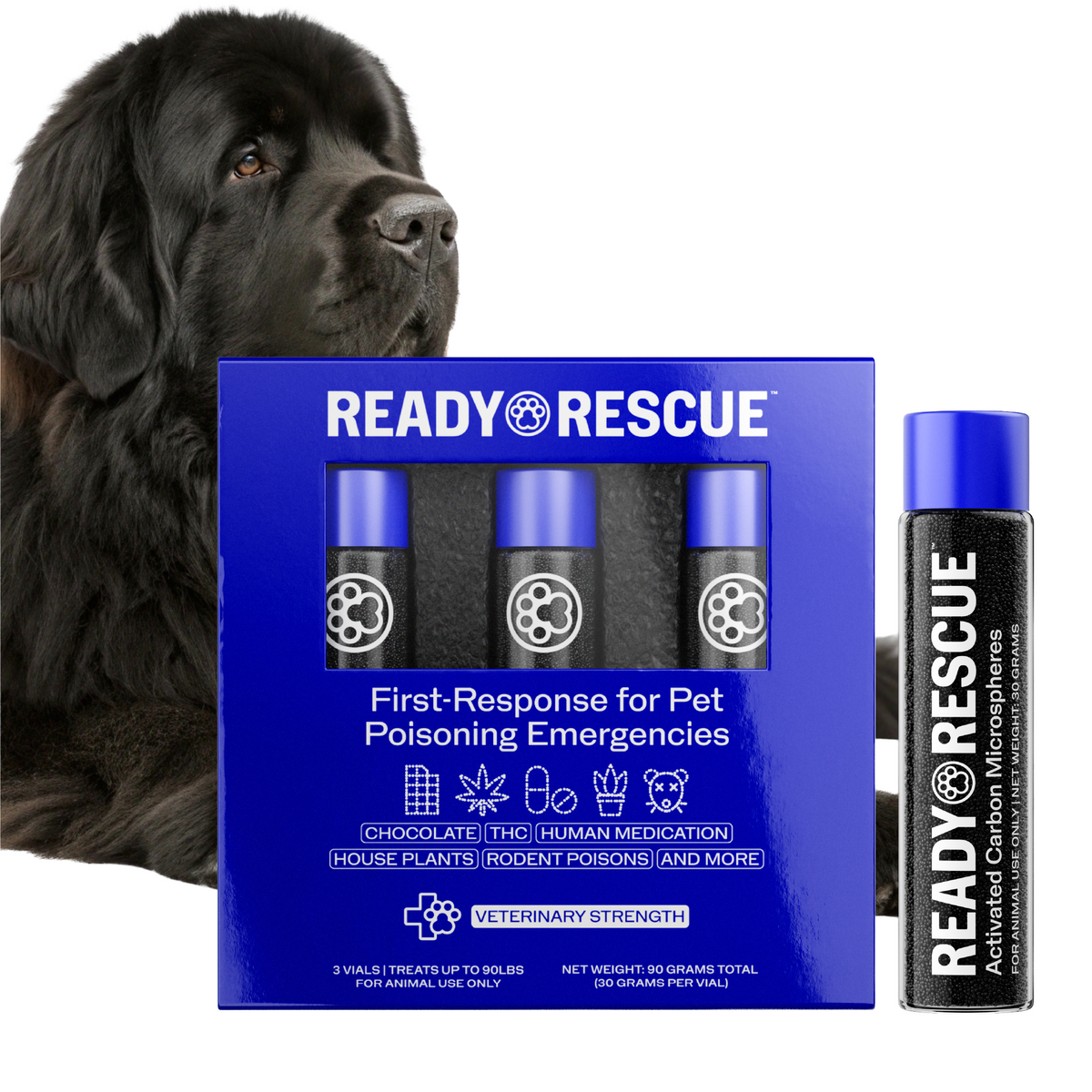
Pets need an emergency plan too. ReadyRESCUE is an activated-charcoal product developed by veterinary specialists for dogs and cats after certain toxin ingestions. Its compact vials can fit into a pet emergency kit. Ask your veterinarian ahead of time whether it belongs in your pet’s kit, and review the correct product size, storage directions, and expiration date.
Call for veterinary guidance before giving it. If you suspect poisoning, contact your veterinarian, an emergency animal hospital, or animal poison control immediately. Activated charcoal does not work for every toxin and can be unsafe in some situations. The ASPCA explains why charcoal requires careful assessment. Follow professional instructions, and do not delay veterinary care or induce vomiting on your own.
Budget option: Start with your pet’s regular food, drinking water, medicines, leash or carrier, and copies of veterinary records. Save emergency clinic contact details on paper and in your phone. Discuss specialty supplies with your vet before buying.
Small supplies that make a big difference
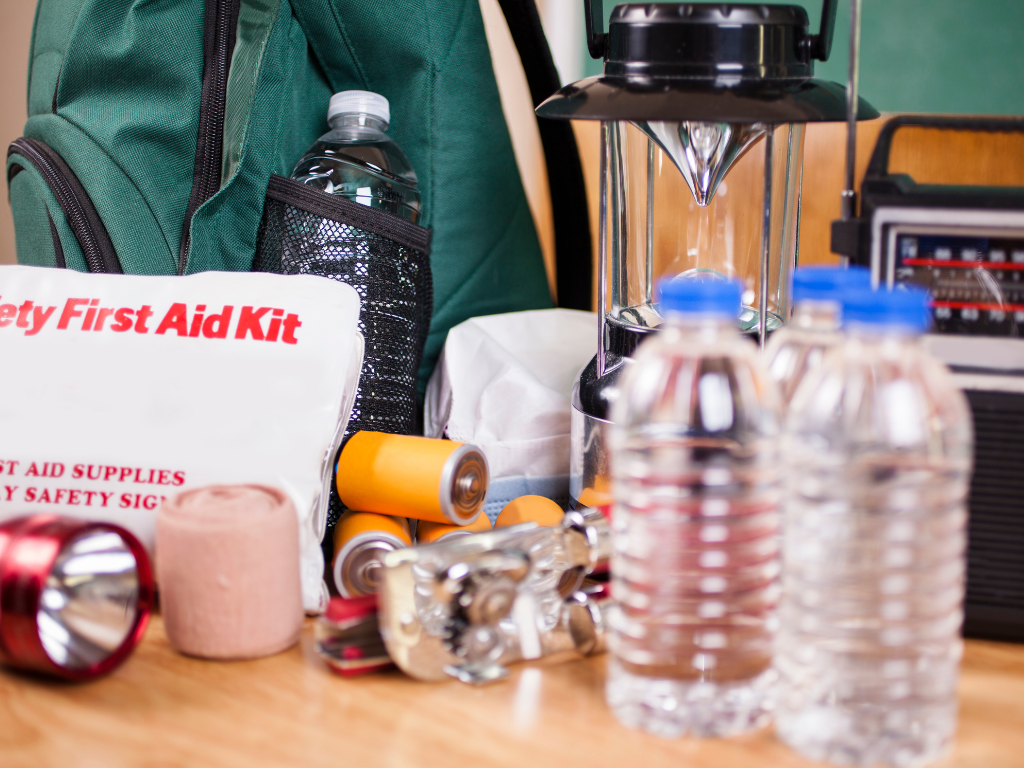
A weather radio, sturdy shoes, work gloves, trash bags, toilet paper, pet supplies, and a small amount of cash deserve space on your list. Keep copies of key documents in a protected, easy-to-grab place. Add blankets and clothing suitable for the season.
Also plan for sanitation, communication, and leaving home. Know where you can get safe shelter if indoor temperatures become dangerous. Check on neighbors when it is safe to do so, and keep local emergency information available offline.
Everyday hygiene and household safety
Set aside soap, hand sanitizer, toothbrushes, toothpaste, wipes, menstrual products, diapers if needed, and sturdy trash bags. Add paper plates and utensils if limited water makes washing dishes difficult. Keep cleaning products in their original labeled containers, separate from food and drinking water. Follow local guidance if water or sewer service fails.
Check smoke alarms, battery-backed carbon monoxide alarms, and fire extinguishers. Keep sturdy shoes, work gloves, a whistle, and seasonal clothing easy to reach. Choose items your family already uses so the supplies are simple to rotate.
DEFEND 360 camera: monitor remote homestead areas

The DEFEND 360 Cellular Security Camera is an option for checking a barn, gate, equipment shed, or long driveway where home Wi-Fi does not reach. It uses a 4G LTE cellular connection and includes a rechargeable battery and detachable solar panel. Through the DEFEND app, you can pan, tilt, and zoom, view live footage, and receive motion alerts. The manufacturer lists 4K photos, 1080p video, and IP65 weather resistance.
Include the ongoing cost in your disaster preparedness budget: a separate DEFEND data plan is required, with plans listed from $5 per month when checked. AI object tracking requires an additional subscription. The camera is intended for U.S. use. Test cellular reception at the mounting spot and follow the instructions for solar-panel placement and charging.
A cellular camera can work without your home router, but remote viewing and alerts still depend on cellular service and available power. Storm damage, network congestion, or poor sunlight can limit that backup. It should support your household safety plan rather than replace locks, local checks, or emergency services.
Budget option: Begin with sturdy locks and a routine for checking gates and outbuildings. Add a camera where it solves a specific monitoring gap, and compare subscription costs before buying.
Li-Fire EV Fire Blanket: understand its limits

The Li-Fire EV Fire Blanket is a specialty product to discuss with your local fire department when planning for battery-related hazards. Li-Fire offers multiple sizes, from small battery-area blankets to large vehicle blankets, with storage bags or wall-mount options depending on the size. Confirm the exact coverage, training needs, and intended use before purchasing; a small blanket is not vehicle-size protection.
Important safety limit: The U.S. Fire Administration shares a warning about EV fire blankets. Research found that blankets can suppress visible flames while battery thermal runaway continues. Flammable gases can collect underneath and create an explosion hazard. Do not approach a burning vehicle to deploy a blanket. Evacuate the area, stay away from smoke, and call 911. A blanket does not replace professional emergency response.
Budget priority: Start disaster preparedness with working smoke alarms, clear exits, and a practiced escape plan. Ask your fire department about appropriate household fire equipment before buying specialty battery-fire products.
Battery Tender 2000 Amp Jump Starter: a vehicle backup

The Battery Tender Jump N Start 2000 Amp Lithium Jump Starter is a portable option for a compatible vehicle with a discharged starting battery. The manufacturer lists 2,000 peak amps, a 16,000mAh battery, USB device charging, and an included carrying case. It can help round out a vehicle disaster preparedness kit when another vehicle is unavailable for a jump start.
Check your vehicle’s battery system and the jump starter manual for compatibility before buying. Keep the unit charged, inspect it before use, and follow both manuals for safe connections, storage temperatures, and operating limits. This model is a jump starter and device power bank; it does not provide the household AC backup discussed elsewhere in this guide.
Budget option: Prioritize battery maintenance, roadside assistance details, and basic vehicle supplies first. Compare a jump starter with your actual needs rather than peak amps alone.
Keep a small vehicle emergency kit
Disaster preparedness should travel with you. Pack drinking water, shelf-stable snacks, a first aid kit, a flashlight, a phone cable and car charger, a blanket, rain gear, reflective warning supplies, and a paper map. A tire inflator can be useful if you know how to use it. Keep your vehicle maintained and refuel before severe weather when it is safe to do so.
Check food, water, batteries, and medicines regularly because vehicle temperatures can be extreme. Store each item according to its label; a hot car is not a substitute for cool pantry storage. Washington’s health department offers a vehicle preparedness checklist to help tailor your kit.
Plan for hearing, mobility, and medical-device needs
Include hearing-aid batteries or chargers, communication aids, backup glasses, and supplies for mobility equipment as needed. Plan accessible transportation and identify someone who can help if your usual support is unavailable. Ask your care team about power-dependent equipment, refrigerated medicines, and emergency prescription supplies before an outage. The CDC’s emergency kit guidance can help you build around individual needs.
Protect documents and keep supplies ready
Keep copies of IDs, insurance information, medication lists, emergency contacts, and a few small bills in a secure, water-resistant pouch. Protect digital backups and avoid leaving passwords or complete account credentials in an exposed kit. Give family members contact cards, agree on meeting places, and review evacuation routes and official local alert options.
Keep a main household supply and a portable evacuation bag, with a small vehicle kit when practical. Use safe, accessible storage locations so one damaged area does not put everything out of reach. Maintain one inventory so supplies are easy to find. Review your disaster preparedness kit every six months and after use: replace expired items, rotate water and food as directed, recharge batteries, and update contacts. Start with one affordable gap today; there is no special calendar deadline.
Liberty Band radio: weather information during an outage
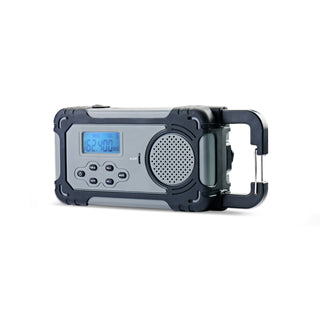
The Liberty Band Emergency Solar Weather Radio brings NOAA weather bands, AM/FM reception, and a built-in flashlight into one portable unit. The manufacturer lists solar, hand-crank, USB, and battery power options. A radio can help your disaster preparedness plan when phone service or home internet is interrupted.
Charge it ahead of time, keep the specified spare batteries nearby, and practice finding your local NOAA broadcast. Treat its phone-charging feature as a small backup. Solar charging depends on sunlight, so keep more than one power option ready. This radio showed out of stock when checked. Budget option: A basic battery-powered NOAA radio can cover the essential listening role.
HaloXT 9-in-1 Solar Flashlight: light and portable tools
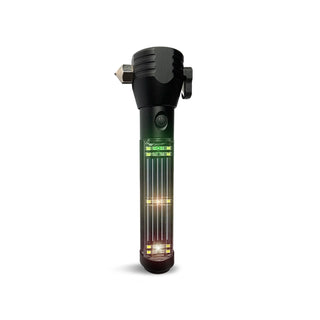
The HaloXT Tactical 9-in-1 Solar Flashlight combines a listed 200-lumen main beam with USB and solar charging. Its tools include a seatbelt cutter and glass breaker, and the brand lists an IP66 weather-resistance rating. It can fit into a vehicle kit or a home disaster preparedness supply bin.
Check the charge regularly and read the instructions before you need the extra tools. Solar charging is a backup option that depends on conditions. Keep sharp tools away from children, and check vehicle-window compatibility before relying on a glass breaker.
Budget option: Start with an ordinary flashlight or headlamp and spare batteries; add multi-use tools as your budget allows.
Organize your emergency kit with an HDX storage tote
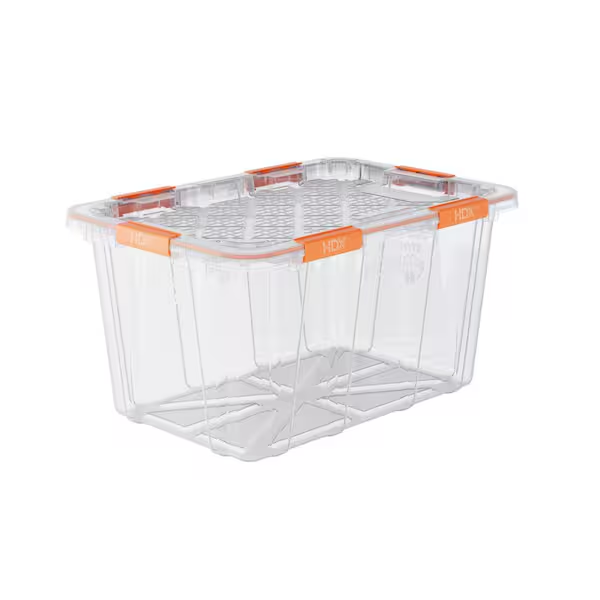
The HDX 27-gallon Clear Defender Weatherproof Storage Tote is an option for keeping disaster preparedness supplies together. Its clear sides make contents easier to spot, and heavy-duty latches secure the lid. Home Depot lists it as waterproof and dustproof. Use it to organize items such as flashlights, spare batteries, work gloves, hygiene supplies, and sealed pantry foods. Keep food in its original packaging or food-safe containers.
Label the tote by category and keep frequently needed items near the top. Split heavy supplies between smaller containers so each one stays manageable to carry. Keep important papers in a separate waterproof pouch, and store the kit above floor level where practical. A storage tote does not replace an evacuation bag you can grab quickly.
Budget option: Start with a sturdy lidded bin you already own. Organizing and labeling your supplies is useful even before you upgrade the container.
Build practical skills with disaster preparedness books
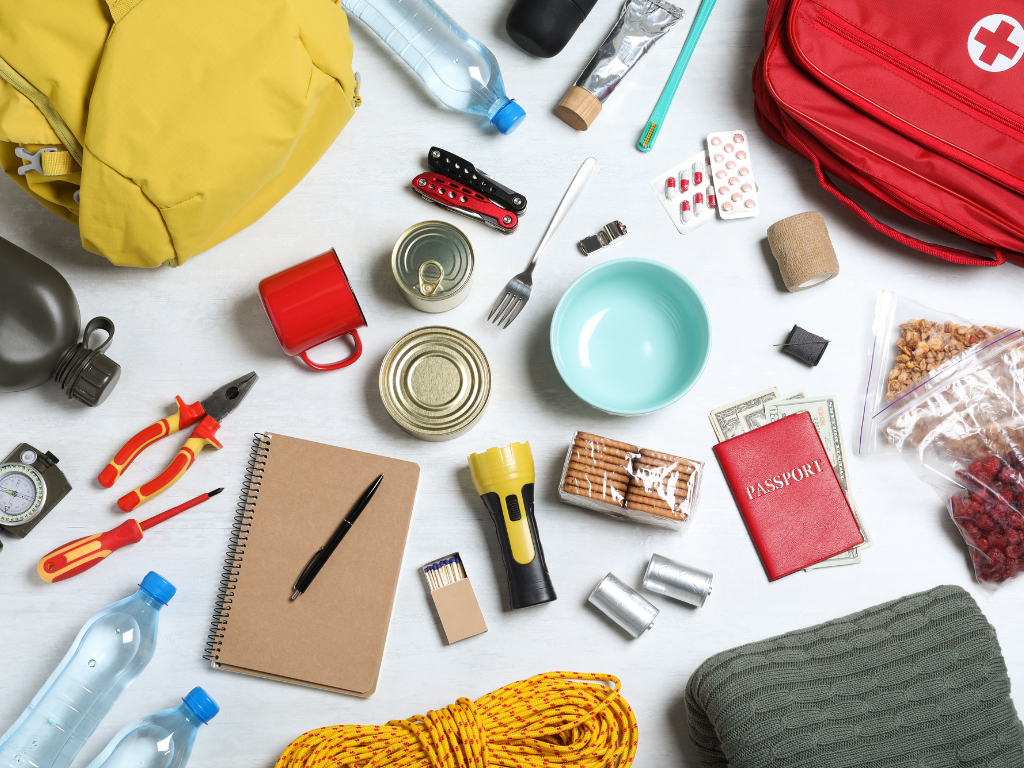
Disaster preparedness includes learning skills before you need them. Printed books give you instructions to revisit without internet access or a charged screen. These three Familius titles offer projects and reference material for building everyday self-reliance. Read them ahead of time, gather the right supplies, and practice at your own pace.
Make Your Own Cheese

Make Your Own Cheese by Caleb Warnock introduces home cheesemaking, with an expanded second edition covering varieties such as mozzarella, cottage cheese, cream cheese, cheddar, and Parmesan. This is a skill to learn while your kitchen is fully working. Plan for safe milk handling, clean equipment, temperature control, and the storage needs of each cheese. Homemade cheese is not automatically shelf-stable emergency food.
Make Your Own Hard Lotion

Make Your Own Hard Lotion by Amberlee Rynn and Caleb Warnock explores making solid lotion with ingredients such as coconut and avocado oils. It fits the homemade personal-care side of a homestead supply plan. Try a small batch first, check ingredients for allergies, and label and store finished products as directed. Lotion is a comfort item, not a substitute for wound care or medicine.
276 Edible Wild Plants of the United States and Canada

276 Edible Wild Plants of the United States and Canada by Caleb Warnock covers wild foods, preparation, and poisonous look-alikes, with more than 800 photographs according to the publisher. Use it for study alongside guidance from a qualified local foraging expert. Never eat a plant unless you can positively identify it and confirm that its parts and preparation are safe. Wild foods are seasonal and location-dependent, so keep a stocked pantry as your main emergency food plan.
Budget option: Check your library for these titles or request an interlibrary loan before buying. Start with the skill you are most likely to use, and build your reference shelf over time.
Disaster preparedness: when friends and neighbors ask for food
A hard part of disaster preparedness is deciding what you can share when your supplies were planned for your own family. Discuss this before a crisis. Count the people depending on your pantry, their dietary needs, the water and fuel needed to prepare meals, and how long supplies may need to last. Set a household reserve and decide together whether you have a small amount available to share. Avoid promising ongoing meals when you cannot sustain them.
You can be kind and clear: “We have limited food set aside for the people in our household, so we cannot provide an ongoing supply. I can help you look for a food distribution site.” If you can spare a meal or a few sealed pantry items, state that limit plainly. Check allergies and preparation needs before sharing food, and do not give away food that may have become unsafe during an outage.
Help can also mean sharing verified relief information, checking on someone who lives alone, or coordinating with an established neighborhood group. Confirm food-bank, shelter, and emergency distribution locations through local emergency management before sending someone there. Share only the details about your household supplies that you are comfortable sharing. If an interaction becomes threatening, step away, avoid confrontation, and seek emergency help when needed.
Set aside an optional kindness box
If your family’s essentials are covered, you might set aside a small “kindness box” separate from your household reserve. Fill it with a few sealed, easy-to-eat pantry items that fit your budget. Check dates, keep ingredient labels intact, and ask about allergies before sharing. This is an optional, limited gift, not a promise to supply another household.
You do not need to announce the box or invite requests. If someone comes to your door asking for food, you can explain: “We set aside this small box specifically to help someone. You’re welcome to it, but once it’s gone, we aren’t able to provide any more.” Decide in advance what you can give, and keep that boundary when the box is empty. You can still share verified information about relief resources.
Budget option: Build the kindness box gradually only if you have room in your budget. There is no need to buy extra at the expense of your family’s basic needs. Before disasters, encourage neighbors to make their own plans and discuss practical ways to help one another. Michigan’s Neighbors Helping Neighbors guidance offers a starting point.
Disaster preparedness during emergency orders or martial law
The term is martial law. In the United States, it generally describes military authority taking the place of civilian government in an area, but its legal scope is complex and unsettled. A disaster declaration, curfew, or National Guard presence does not by itself mean martial law is in effect. The Brennan Center’s explanation of martial law discusses these distinctions. This section is a planning precaution, not a prediction that martial law will occur.
If you hear that new restrictions apply, verify the original announcement through the issuing authority and local emergency management. Check the affected area, start and end times, travel rules, and any stated exceptions for medical care or essential needs. Save a copy offline when possible. Avoid acting on forwarded screenshots or social posts without checking their date and source. Oklahoma readers can begin with the Oklahoma Department of Emergency Management and their city or county emergency office.
Keep identification, medicines, emergency contacts, and your evacuation bag accessible. Follow applicable curfews, road closures, and evacuation instructions; do not assume a shelter-in-place message cancels a later evacuation order. Ask the responsible agency how to obtain essential care or travel assistance if restrictions affect your household. At a checkpoint, remain calm, avoid sudden movements, and ask for clarification if you do not understand an instruction.
Disaster preparedness does not require guessing which rights an emergency order changes. Do not assume a declaration automatically removes constitutional protections. For a specific concern about an order or your rights, seek qualified legal assistance. Keep family communication plans current and focus on verified instructions, safe shelter, and access to essentials.
A simple disaster preparedness on a budget checklist
Use this order to spread purchases across several shopping trips. Adjust it for your family’s health needs and the hazards in your area.
- Write your shelter, evacuation, and contact plan.
- Store safe drinking water and account for pets.
- Build three days of familiar food, including no-cook meals and a manual can opener.
- Gather medicines, first aid, hygiene supplies, and important documents.
- Add headlamps, a weather radio, and phone charging supplies.
- Practice using your water, power, and outdoor cooking equipment safely.
- Expand your pantry and water storage gradually, then consider larger upgrades.
When you are ready to compare options, browse our prepper supplies shopping guide. It organizes water filtration, food storage, backup power, cooking, first aid, sanitation, and pet supplies by category so you can focus on the gaps in your household plan.
Preparedness grows through small habits: rotating food, charging batteries, checking supplies, and learning how equipment works. Start with one gap this week. Each practical step gives your household more options when everyday routines are interrupted.
-
How to Freeze-Dry Herbs in a Harvest Right Freeze Dryer
Learn how to freeze-dry fresh herbs to preserve your garden harvest and enjoy basil, rosemary, and dill year-round.
-
Reasons to Own a Freeze-Dryer:Freeze Dryer Benefits That Actually Pay Off
Discover home freeze dryer benefits: cut food waste, save money, and stock flavorful, long-lasting meals with Harvest Right.
-
Freeze-Dried Banana Pudding Bites with Nilla Wafers
Learn how to make delicious freeze-dried banana pudding bites with easy tips for extra sweet, creative twists!
-
How to Freeze Dry Corn
Freeze-drying corn preserves its sweet flavor and crunchy texture while extending its shelf life. The process removes moisture by freezing the kernels and then using a vacuum to sublimate ice into vapor. This method retains most nutrients and results in a lightweight, shelf-stable snack or ingredient. Freeze-dried corn rehydrates quickly in soups and casseroles or adds a satisfying crunch to salads and trail mixes.
-
Canning | Cook | Freeze Drying | Preserve | Soups
Italian Tomato Sauce Recipe
Whip up the perfect Italian tomato sauce recipe using San Marzano tomatoes; discover the secrets to its rich flavor and velvety texture.
-
How to Freeze Dry Cheese
Discover the art of freeze-drying cheese for long-lasting flavor and convenience. Learn how to freeze dry cheese with our simple guide!