How to Make Vanilla Extract at Home With Just 2 Ingredients
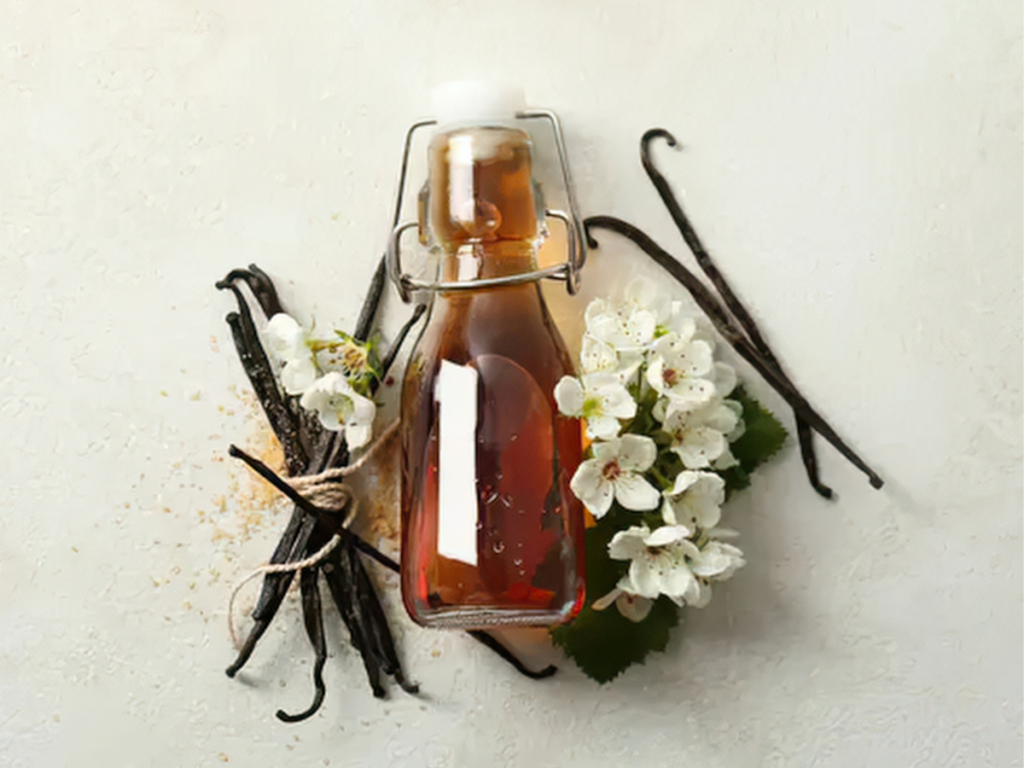
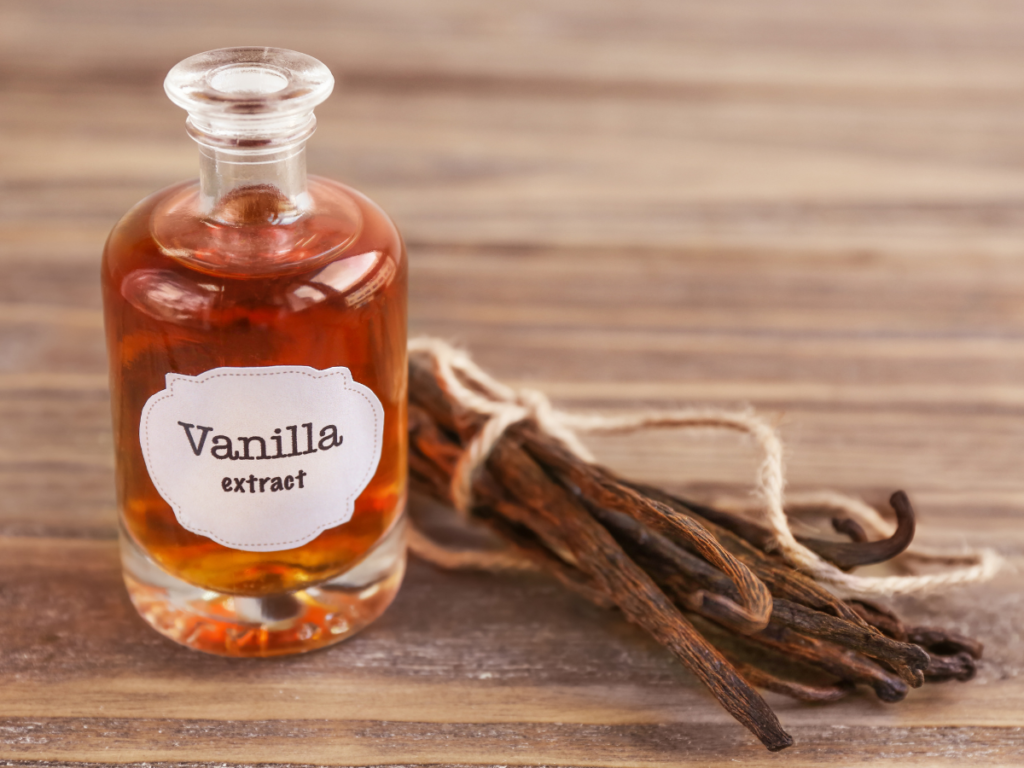
Learning how to make vanilla extract is simple: cover vanilla beans with vodka, tuck the jar away, and give it time. The hands-on work is easy, but this is a pantry project to start months before you need it. I’m planning on 6–12 months of steeping, with a full year as my goal before judging the finished flavor.
Daniel loves baking, so homemade vanilla feels like a useful project for our kitchen. I’m making two batches: one with American Harvest Organic Vodka and one with Upstate Vodka by Sauvage Distillery, made from New York State apples. I’ll compare them later. These are newly started batches, so I’m sharing my setup and method here—not a claim that one vodka has already produced better vanilla.
What You Need to Make Vanilla Extract
For one batch, use just these two ingredients:
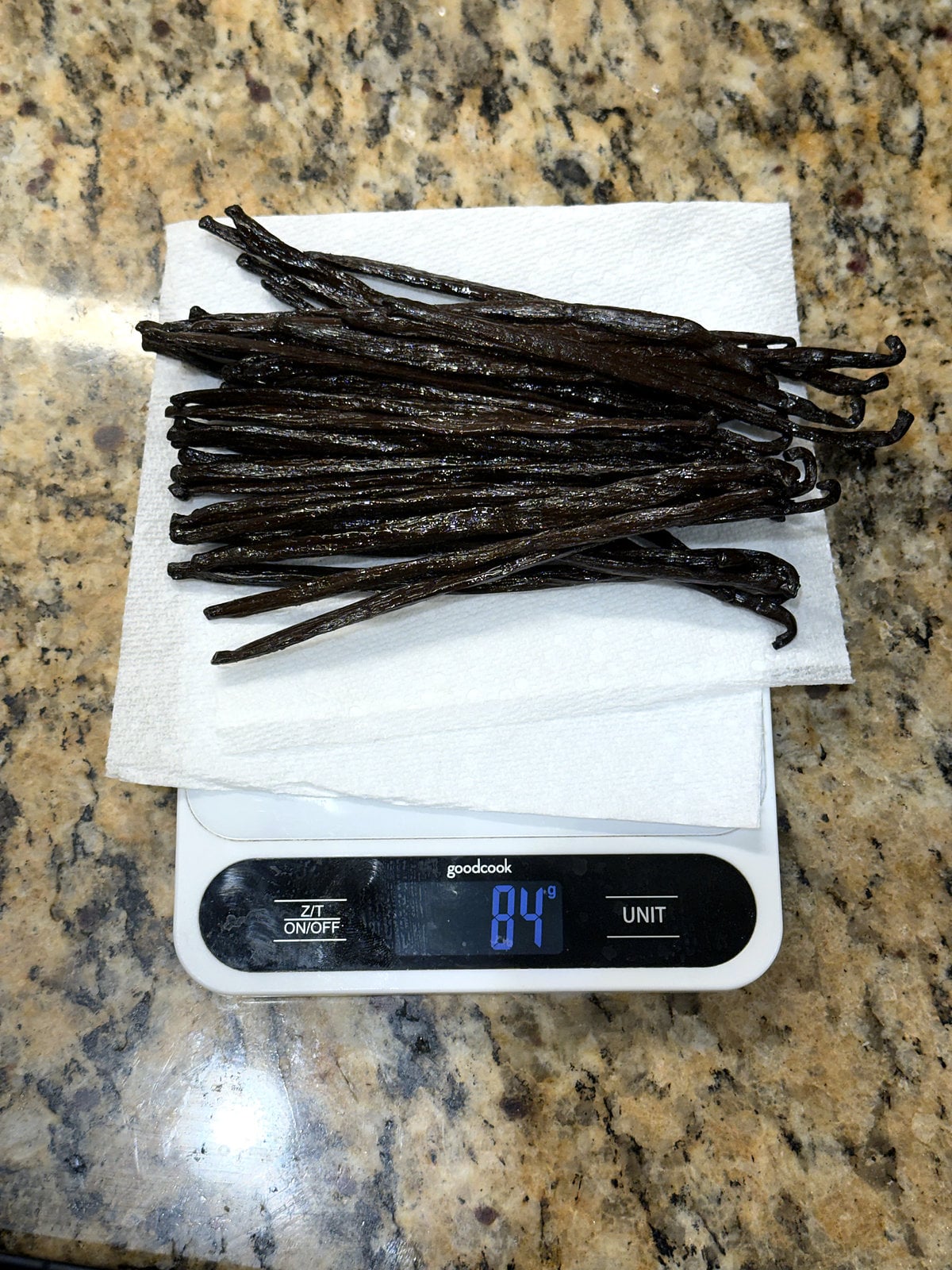
About 3 ounces (85 g) organic Madagascar Grade B vanilla beans, weighed on a kitchen scale, plus 750 mL unflavored 80-proof vodka (40% alcohol by volume). For two full batches, you need 6 ounces (170 g) of beans and 1,500 mL of vodka total. The 3-ounce measurement is bean weight; it is not 3 fluid ounces.
You’ll also need a clean, completely dry glass jar with a tight-fitting lid, a kitchen scale, a knife and cutting board, a funnel, a measuring jug, and a label. A 1-liter jar is a practical choice for each batch because the beans need room as well as the vodka. No sugar, water, or syrup goes into this recipe.
Why I Weigh the Beans Instead of Counting Them
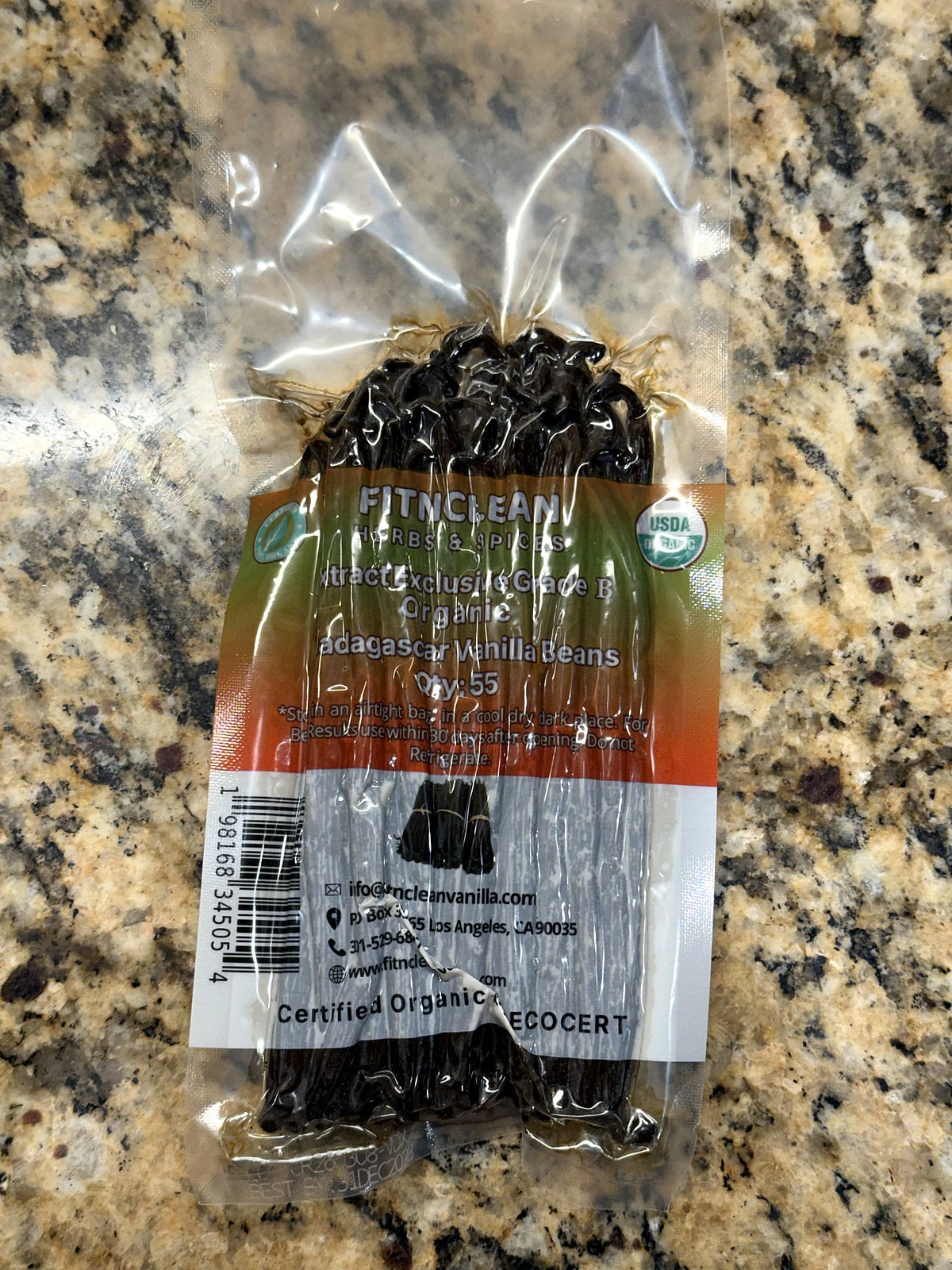
I’m using FITNCLEAN organic Madagascar Grade B beans from the 55-bean package labeled 4–5 inches long. In my batch, it took at least three-quarters of that package per bottle. That is a shopping observation from these beans, not a dependable recipe measurement: pod size and moisture vary.
For two bottles, order at least two packages and check the combined net weight before buying. You need 170 g total for two batches made with the full 750 mL of vodka each. Even two packages may need supplementing if their total weight falls short. Weigh about 85 g for each batch rather than assuming a certain bean count will be enough.
Grade B beans are sold for extraction and can be drier or less pretty than Grade A beans. Grade A beans can also be used; keep the weight measurement. Use sound beans with a normal vanilla aroma, not beans showing fuzzy growth or spoilage.
Which Vodka Is Best for Homemade Vanilla Extract?
An unflavored 80-proof vodka is an easy starting point. On a U.S. label, 80 proof means 40% alcohol by volume. The water and alcohol in vodka work together during extraction, so higher proof is not automatically better. Use drinking-quality vodka, never rubbing alcohol, and check the label on the bottle you actually buy.
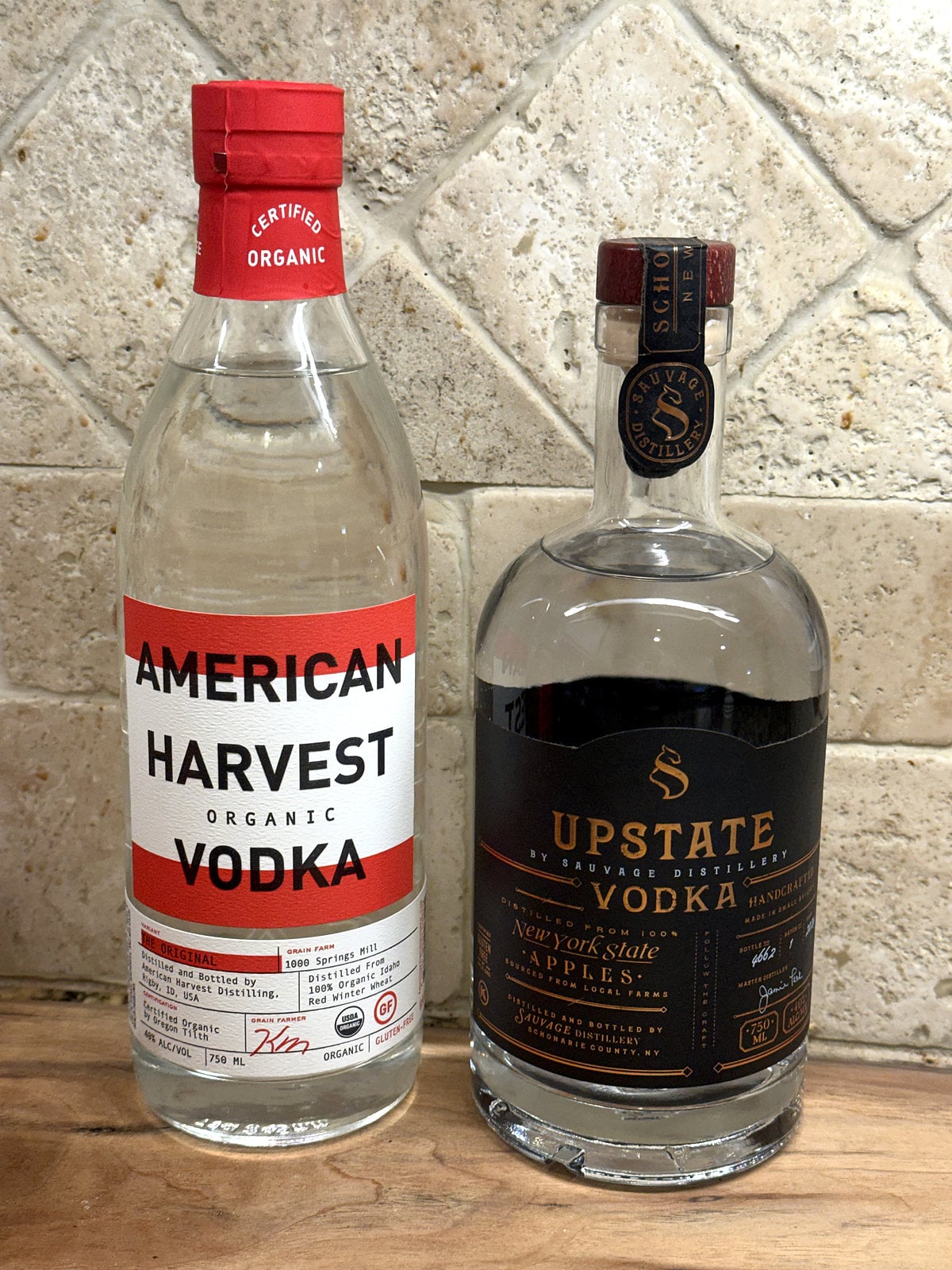
My two choices are American Harvest Organic Vodka and Upstate Vodka by Sauvage Distillery. Upstate is distilled from apples; it is not an apple-flavored vodka. The distillery describes its apple base on its Upstate Vodka story page. You do not need either brand to follow this method. A reasonably priced, unflavored 80-proof vodka is fine.
For a fair comparison, I’ll keep the bean weight, actual vodka volume, steeping time, and storage conditions as similar as possible. Later, I plan to try the extracts in the same baking recipe using the same amount. I haven’t picked a winner yet.
How to Make Vanilla Extract Step by Step
1. Clean Your Equipment and Weigh the Beans
Wash the jars, lids, funnel, and utensils thoroughly, rinse well, and let everything dry completely. Weigh about 85 g of beans for each 750 mL of vodka. Keep the two batches separate and label them with the vodka brand so they don’t get mixed up.
2. Split the Vanilla Beans
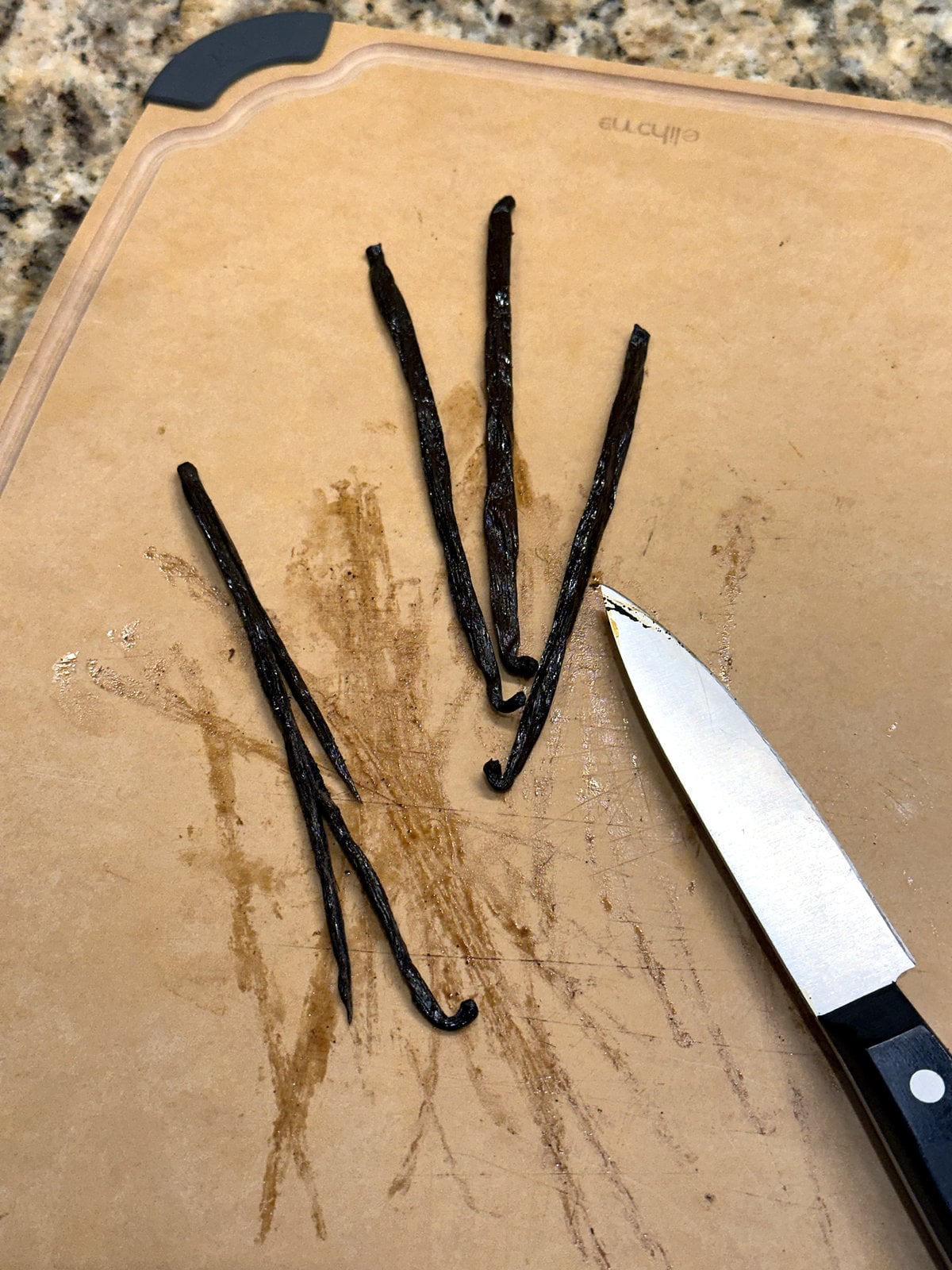
Place each bean on a cutting board and carefully slit it lengthwise to expose the tiny seeds inside. Keep both the seeds and pods for the jar. Cut long beans into shorter pieces if needed so they will sit below the vodka. Dry Grade B pods may be brittle; small pieces are fine.
3. Add Vodka and Allow for Bean Displacement
The simplest way to keep the recipe measurements accurate is to put the 85 g of beans in a larger jar and add the full measured 750 mL of vodka. Leave a little headspace so you can shake the sealed jar, and keep every bean submerged.
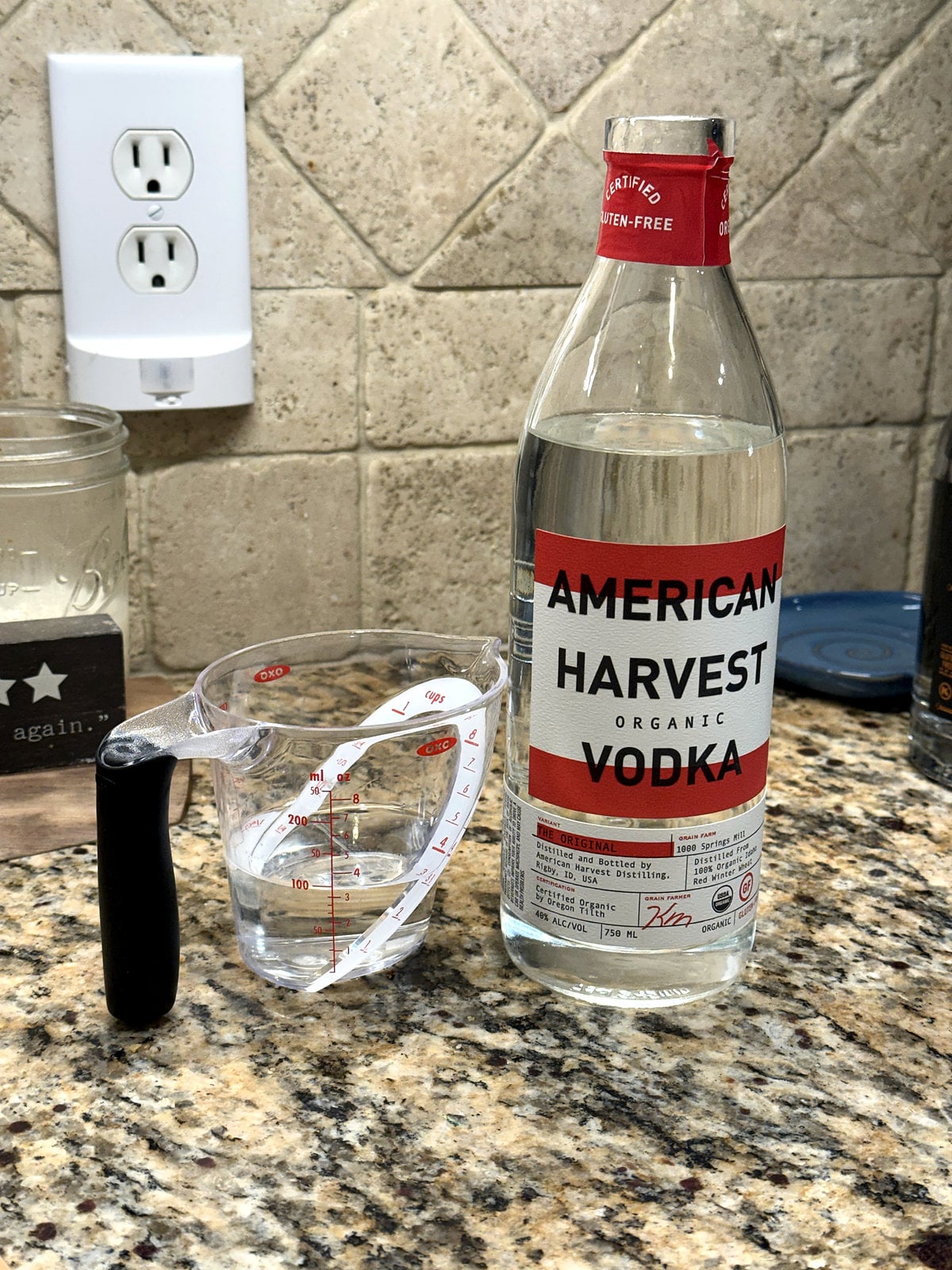
If you use the original 750 mL vodka bottle, pour some vodka into a clean measuring jug before adding the beans. The beans take up space, so the full original volume may no longer fit. Add back only what fits safely while leaving headspace and covering the beans. Save the unused vodka separately and record how much you actually used. Do not force the bottle full or discard beans just to make room.
With the same 85 g of beans and less than 750 mL vodka, the bean-to-vodka ratio will be higher. For example, if 650 mL fits, write “85 g beans + 650 mL vodka” on your batch notes. Move to a larger jar if you cannot cover the beans. For the most useful comparison between my two vodkas, matching the measured liquid volumes matters.
4. Label, Shake, and Store
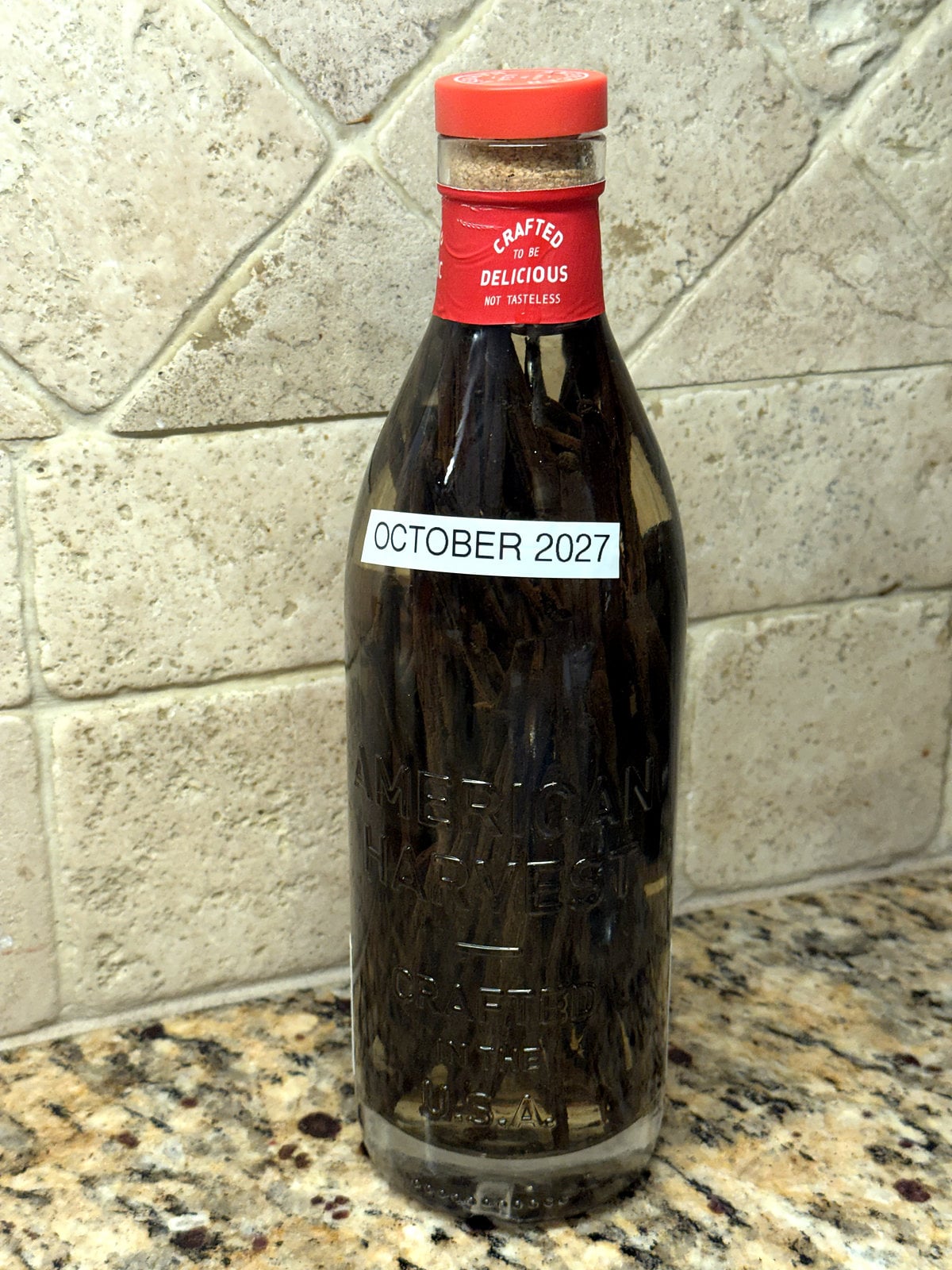
Close the lid tightly and give the jar a gentle shake. Label it with the start date, vodka brand and proof, bean weight, and actual vodka volume. Store it upright in a cool, dark cupboard away from the stove and direct sunlight. Give it a gentle shake about once a week, checking that the beans stay covered.
5. Give it 6–12 Months, Then Test the Vanilla Extract in Food
Start checking the flavor around six months, but plan for closer to 12 months before gifting or relying on it for special baking. Some batches need longer. A dark color alone does not tell you whether the flavor is ready.
To judge it, use a small measured amount in a spoonful of sweetened milk or a simple recipe you know well. Straight extract tastes strongly of alcohol and is a poor way to judge its baking flavor. If the vanilla seems weak, let it steep longer and check again in a month. Waiting does not make this alcohol-free.
Using and Storing Your Homemade Vanilla Extract
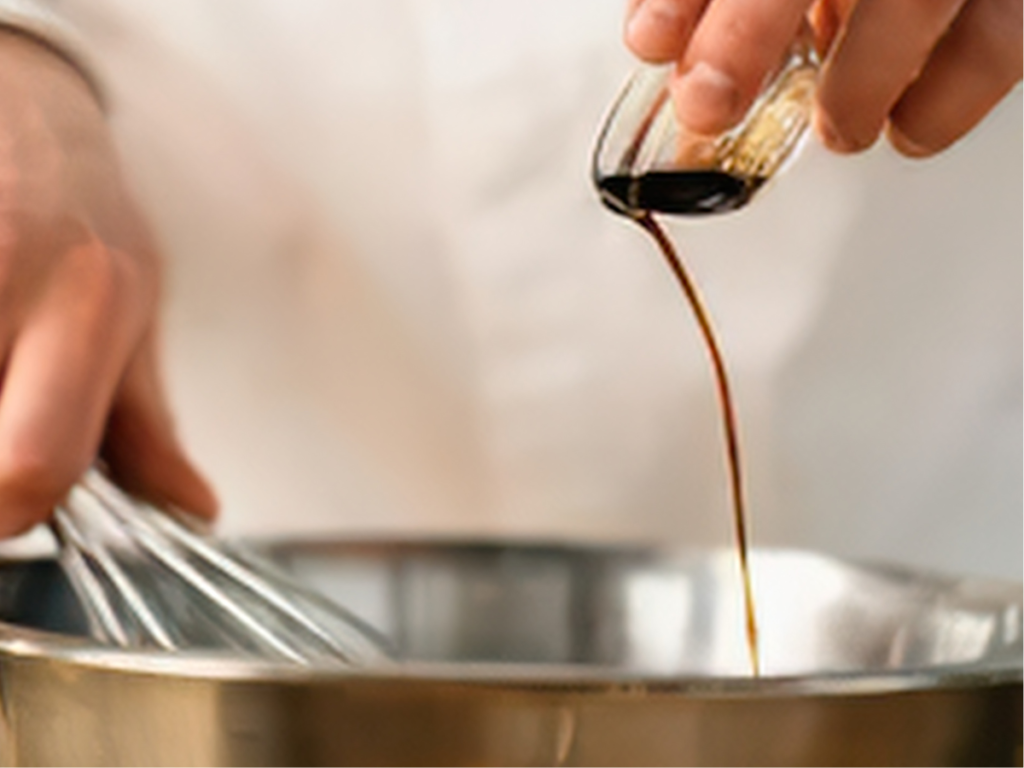
Once you like the flavor, try the amount of vanilla extract called for in your recipe and adjust future batches to taste. Cookies, cakes, pancakes, and custards are good places to use it. Homemade batches vary, so I’m not labeling this double-strength or promising it will match every store-bought extract.
You can strain the finished extract through a fine strainer or coffee filter into clean, dry bottles if you prefer fewer seeds and pod fragments. Keep the bottles tightly closed in a cool, dark place. If you leave beans in the jar, keep them submerged or remove them as the liquid level drops.
I prefer to finish one measured batch before starting another. Repeatedly topping off the bottle with fresh vodka dilutes the finished extract, and spent beans cannot provide the same strength forever. For consistent results, start a new batch with freshly weighed beans.
Homemade Vanilla Extract Gift Ideas
Small glass bottles make useful gifts for friends who bake. Bottle the finished extract, add a simple label, and pair it with a favorite cookie recipe, a tea towel, or a baking mix. A funnel makes filling small bottles much easier.
Include the ingredients, the start date, and a note to store it tightly closed away from sunlight. If you give it away before it is ready, label it as still steeping and include a suggested check date rather than presenting it as finished vanilla. Explain that it contains alcohol. Plan gift batches roughly a year ahead so the calendar doesn’t rush the flavor.
Troubleshooting Homemade Vanilla Extract
My Extract Still Smells Like Vodka
An alcohol aroma is expected because vodka is the base. Check the bean weight, actual liquid volume, and steeping time, then test a little in food. If it tastes weak after six months, give it more time. If too few beans went in, add enough to correct the ratio and allow additional extraction time.
The Beans Are Sticking Above the Liquid
Cut the exposed pods shorter with clean utensils or transfer the batch to a better-fitting jar. If you add vodka to cover them, measure and record it because extra liquid changes the ratio. Keep the lid tight to limit evaporation.
There Are Specks or Sediment in the Bottle
Tiny black vanilla seeds and small pod fragments can settle at the bottom; you can filter those out when the flavor is ready. Fuzzy growth or a distinctly rotten smell is different. Don’t taste a suspicious batch to investigate it; discard it and start over with clean equipment and sound ingredients.
It Is Dark, but the Flavor Is Weak
Color can develop before the flavor is where you want it. Check your measurements and let the batch continue steeping. Don’t use color as the only readiness test, and don’t add water to soften the alcohol smell.
Vanilla Extract and Vanilla Bean Paste Are Different Pantry Projects
This recipe makes a liquid vanilla extract for measuring into recipes. If you want a thicker vanilla ingredient with visible seeds, try my separate homemade vanilla bean paste recipe. The paste has its own ingredients and method; you don’t need to make it before starting this extract.

Frequently Asked Questions
Can I Make a Smaller Batch?
Yes. Use the same proportion by weight and measured liquid volume: 42.5 g beans with 375 mL vodka makes half a batch. Choose a jar that keeps the beans covered and still leaves a little headspace.
Do I Have to Use Organic Beans and Vodka?
No. Those are my choices for these batches, not requirements for extraction. You can use other good-quality vanilla beans and unflavored 80-proof vodka. Compare net bean weight as well as package price when shopping.
Does Madagascar Bourbon Vanilla Mean I Need Bourbon?
No. “Bourbon” in the name of Madagascar vanilla describes its regional naming tradition, not a requirement to use bourbon whiskey. Vodka works for this recipe.
Is Homemade Vanilla Cheaper?
It depends on the price of your beans, vodka, and gift bottles. Add up those costs and divide by your actual finished volume before comparing it with store-bought vanilla. I like having control over my ingredients, but I wouldn’t promise every homemade batch saves money.
Can I Speed It Up With Heat?
For this beginner method, stick with room-temperature steeping. Do not heat vodka on the stove or try to rush this batch in a pressure cooker. Start early and let time do the work.
Can I Keep Reusing the Same Beans?
They may have some flavor left after a batch, but extraction uses up that flavor. Reused beans won’t reliably make another equally strong batch. Use fresh, weighed beans when you want repeatable results.
I’ll come back to these two batches after they’ve had time to develop and share how the American Harvest and Upstate versions compare in our baking. For now, the most useful habits are simple: weigh the beans, measure the vodka, label the jar, and give it time.
Helpful References
For more background, see King Arthur Baking’s vanilla extract guide and Sally’s Baking guidance on long steeping times. Homemade methods vary; the measurements above document the two batches I’m making.
-
Homemade Sourdough Bagels with an Overnight Rise
This simple sourdough bagel recipe uses an overnight rise to create chewy, flavorful bagels that fit beautifully into a cozy homestead routine.
-
Baking | Cook | Desserts | Homemade Pantry
Homemade Chocolate Chips with Honey (3 Ingredients)
Make homemade chocolate chips with simple ingredients and honey. Easy, natural, and perfect for baking. They are also cost effective.
-
Cinnamon Roll Focaccia Bread Recipe (Better Than Cinnamon Rolls!)
Try this cinnamon roll focaccia recipe with buttery cinnamon filling, crumble topping, and sweet icing. Better than cinnamon rolls.
-
Irish Soda Bread with Buttermilk and Caraway
This easy Irish soda bread recipe brings old-fashioned comfort to your homestead kitchen. The loaf bakes with a golden crust, tender center, and rich buttery flavor. Simple pantry ingredients and a quick mixing method make this bread perfect for busy days. Serve warm slices with soup, stew, or fresh butter straight from the table.
-
Homemade Buttermilk Substitute with Milk and Lemon
Learn how to make homemade buttermilk in minutes. A simple, perfect substitute for baking and everyday recipes.
-
Homemade Hot Dog Buns: Soft Yeast Rolls
These homemade hot dog buns bake up soft, golden, and perfect for any backyard meal. The dough comes together with simple ingredients and a gentle rise that keeps each bun tender. They hold their shape without feeling heavy, making them ideal for hot dogs, sausages, or easy weeknight sandwiches.