How to Clean a Bathtub Drain the Eco‑Friendly Way
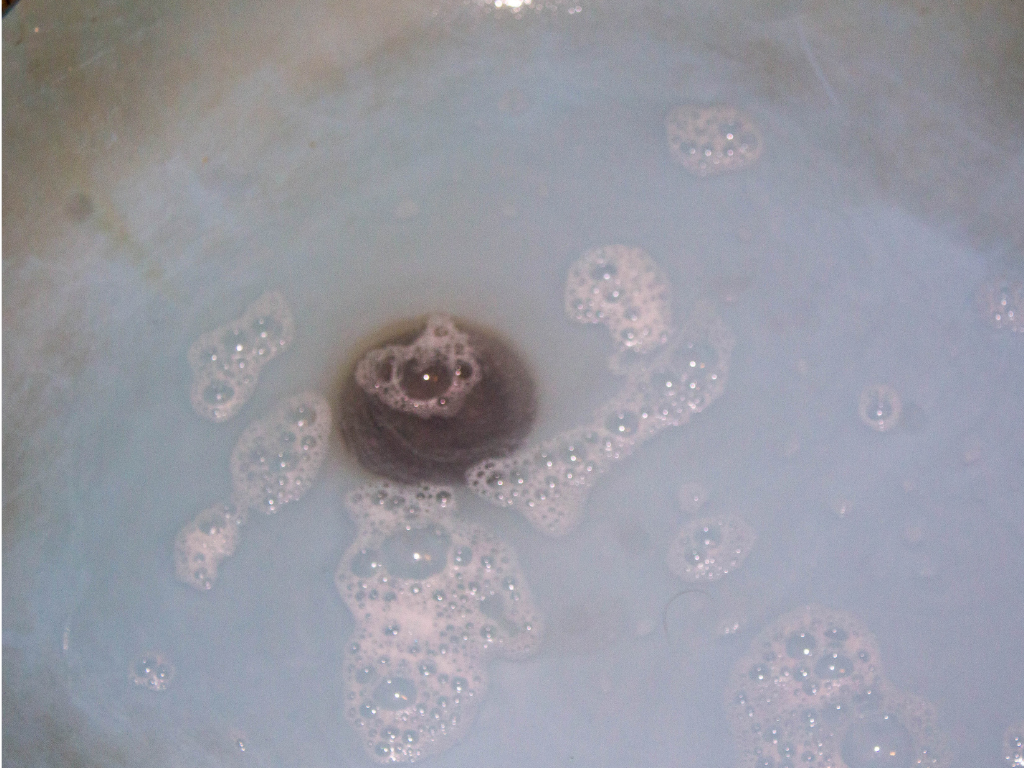
A slow bathtub drain disrupts the rhythm of your bathroom. Hair, soap scum, and mineral buildup collect fast. Many store‑bought drain cleaners rely on harsh chemicals. Those chemicals create fumes, damage pipes, and harm septic systems. You can skip all that. You can clean a bathtub drain with safe, non‑toxic ingredients you already keep in your pantry.
This guide shows you how to clean a bathtub drain with natural methods that protect your home and your water system. Each step supports a healthier homestead and a cleaner bathroom.
Why Choose Non‑Toxic Drain Cleaning
Eco‑friendly drain cleaning protects your pipes and your soil. Harsh cleaners break down older plumbing. They also disrupt septic bacteria. Natural cleaners avoid those problems. They work with simple reactions that loosen buildup and push debris through the line.
Non‑toxic ingredients also keep your indoor air clean. You avoid fumes and residue. You also avoid accidental damage to tubs, tile, and metal fixtures.
What Causes Bathtub Drain Clogs
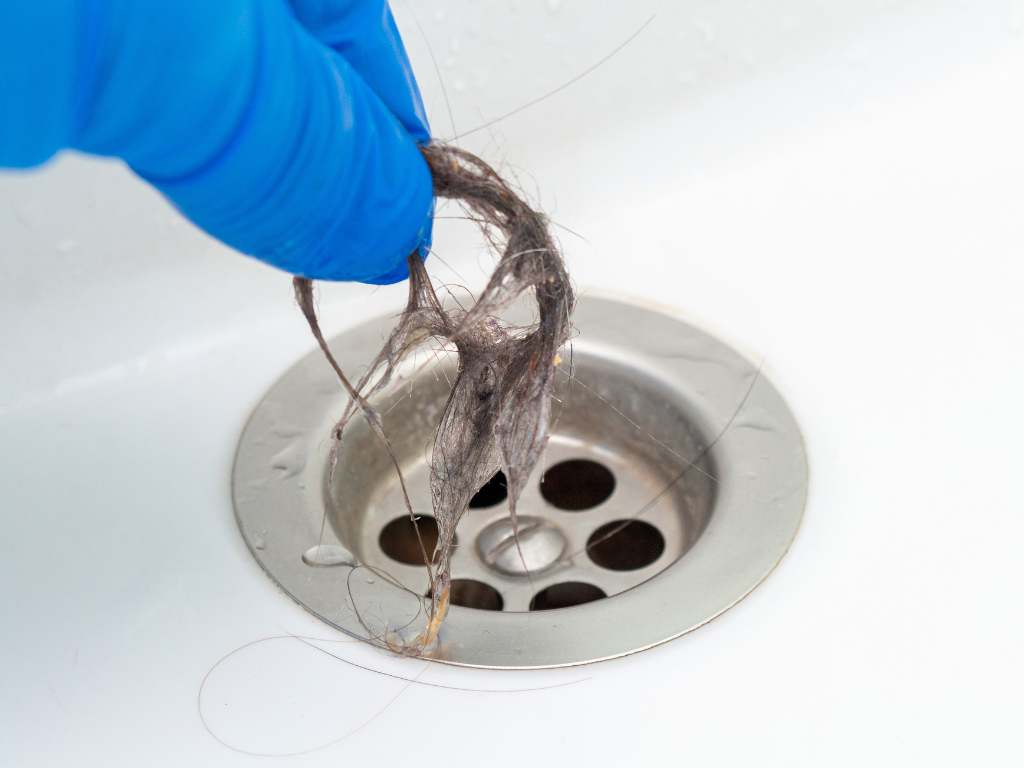
Hair
Hair is the biggest culprit. It tangles and traps soap scum. It forms a net that slows water flow. Over time, that net gets thicker and harder to remove. This makes it much harder to clean a bathtub drain because the hair holds onto oils, dirt, and anything else that moves through the pipe. When the drain fills with tangled hair, water struggles to pass through, and the clog grows even faster.
Soap Scum
Soap binds with minerals in hard water. It creates a sticky film that coats the inside of the drain.
Oils and Bath Products
Body oils, conditioners, and bath salts leave residue. That residue builds up over time.
These products stick to the sides of the drain and cling to anything already inside the pipe. Each bath adds a little more, and the layer gets thicker and heavier. After a while, the drain slows down because the water has to push past all that sticky buildup. This is why regular cleaning helps keep the drain open and running smoothly.
Hard Water Deposits
Minerals cling to pipes. They narrow the drain and slow water movement.
Eco‑Friendly Supplies You Need to Clean a Bathtub Drain
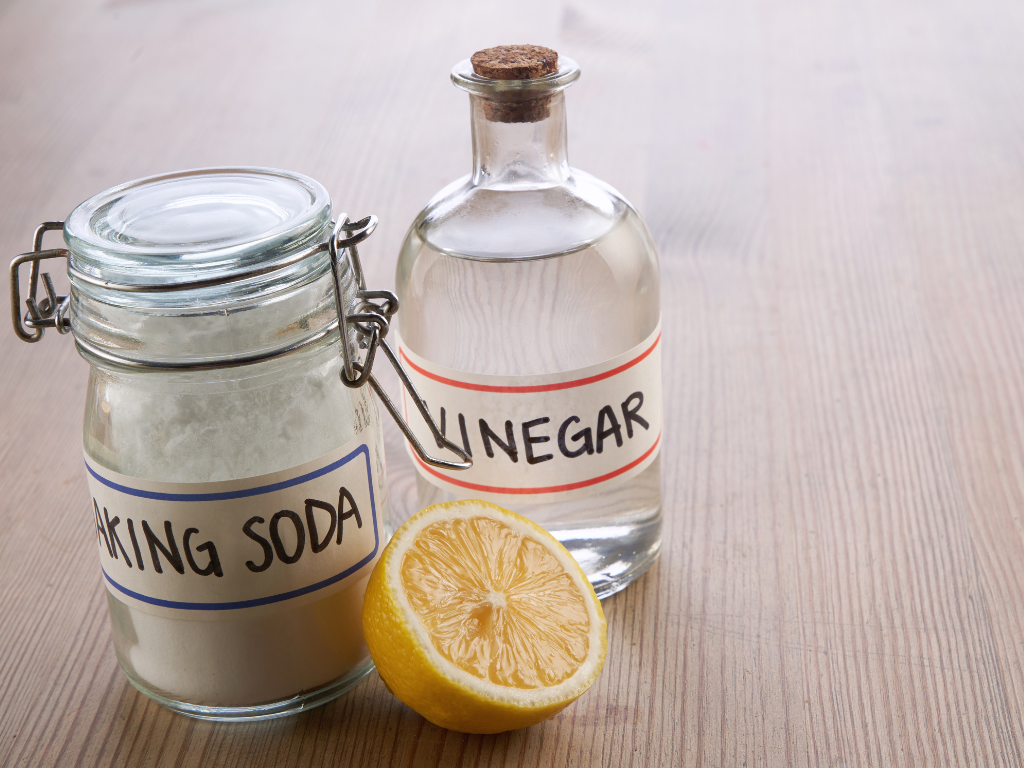
You only need a few simple ingredients. Most homesteads keep these on hand.
- Baking soda
- White vinegar
- Boiling water
- A drain snake or hair tool
- A small brush
- Optional: lemon juice for fresh scent
These ingredients clean without toxins. They also protect septic systems and greywater setups.
Step‑by‑Step: How to Clean a Bathtub Drain Naturally
Step 1: Remove Visible Debris
Pull the drain cover. Remove hair and gunk with a drain tool. This step clears the biggest blockage. It helps the natural cleaners work better.
Step 2: Pour Boiling Water
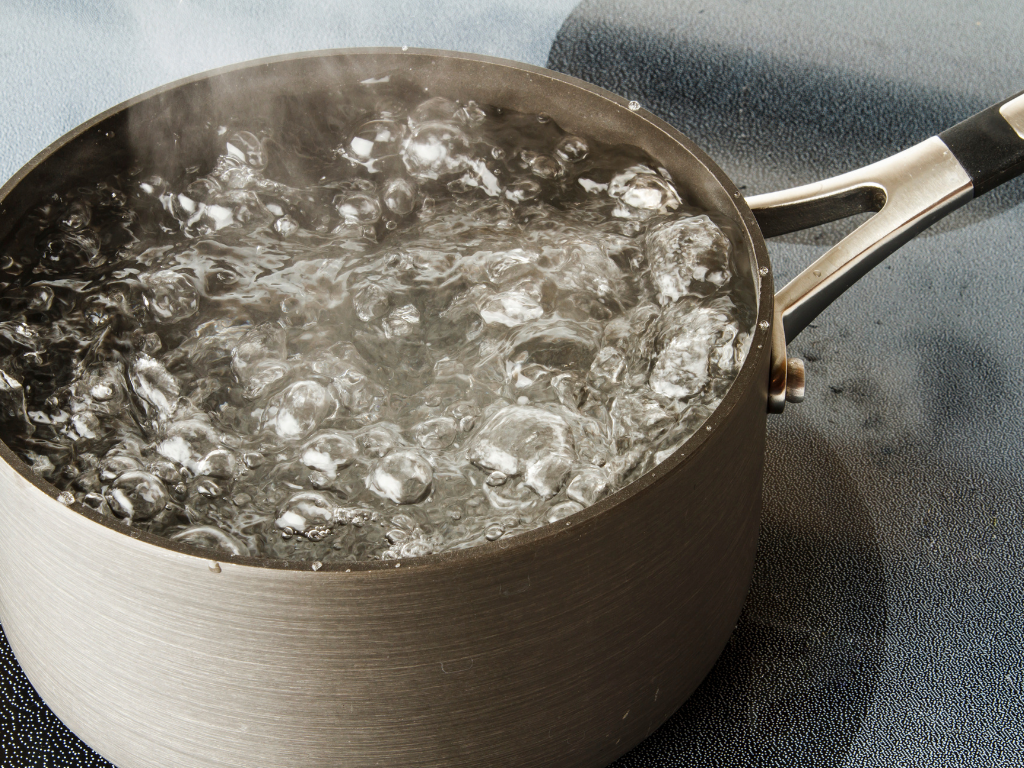
Heat water until it reaches a rolling boil. Pour it slowly down the drain. The hot water melts soap scum and loosens oils. It also warms the pipe so the next steps work better.
Step 3: Add Baking Soda
Measure one cup of baking soda. Pour it directly into the drain. Baking soda breaks down residue and deodorizes the pipe.
Step 4: Add Vinegar
Pour one cup of white vinegar into the drain. The reaction lifts buildup and pushes debris deeper into the line. Cover the drain to keep the reaction inside the pipe. Let it sit for fifteen minutes.
Step 5: Flush With Hot Water
Pour another kettle of boiling water down the drain. This flushes out loosened debris. It also clears the pipe walls.
Step 6: Brush the Drain Cover After You Clean a Bathtub Drain
Scrub the drain cover with baking soda and water. Rinse it well. This prevents future buildup.
Extra Natural Methods for Stubborn Clogs
Salt and Baking Soda
Combine ½ c. salt and ½ c. baking soda. This blend works as a natural abrasive and a gentle deodorizer. Pour the mixture directly into the drain and let it settle deep into the pipe. The salt scrubs residue. The baking soda softens buildup and neutralizes odors. Let it sit overnight so the ingredients have time to break down the clog. In the morning, flush the drain with boiling water. The hot water pushes loosened debris through the line and leaves the pipe cleaner and fresher.

Lemon Juice Boost
Add lemon juice after the vinegar step for extra cleaning power. Lemon cuts grease and helps dissolve soap scum. It also brightens the drain area and leaves a fresh, clean scent that fits well with homestead cleaning routines. The natural acidity works gently, so it protects older pipes and septic systems. Use fresh lemon juice when possible for the strongest effect.
Manual Snaking to Clean a Bathtub Drain
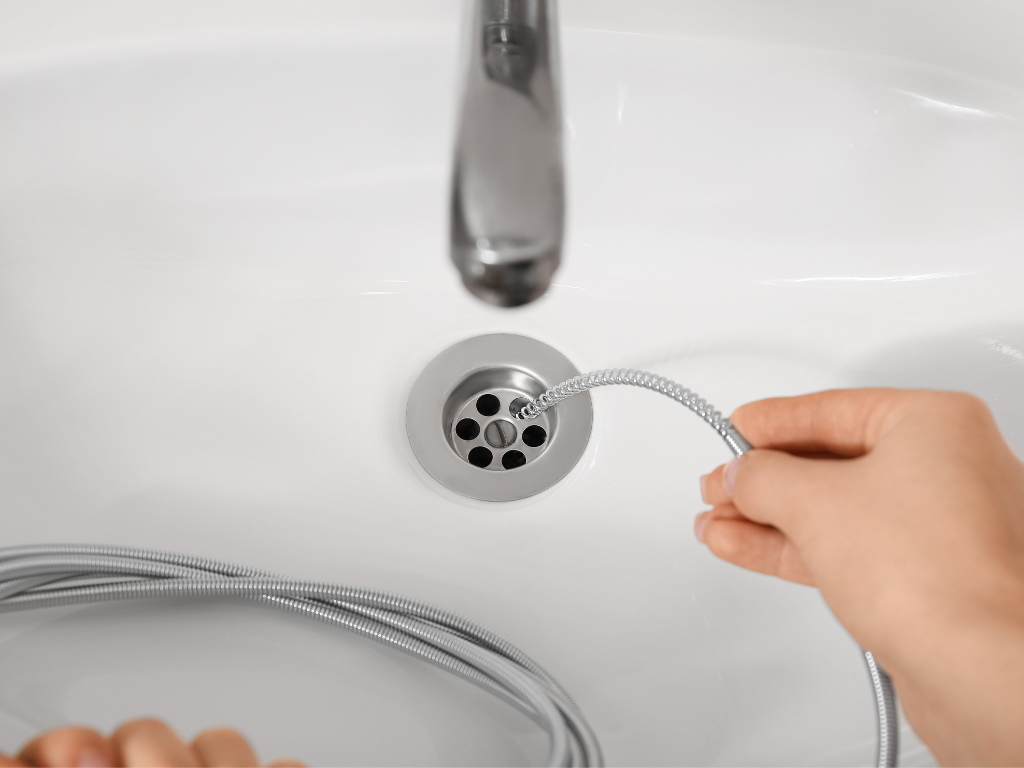
If the clog sits deeper in the line, use a drain snake. A simple hand snake works well for most bathtub drains. Insert it slowly and guide it through the pipe. Twist gently to catch hair and compacted debris. Pull the snake out and remove the buildup. Repeat until the line feels clear. Work with patience to avoid scratching the pipe or damaging the drain assembly. Manual snaking pairs well with natural cleaners because it removes the physical blockage before the ingredients do their work.
How to Keep Your Bathtub Drain Clean
A clean drain lasts longer when you maintain it. These habits prevent future clogs and keep your bathroom running smoothly. Use a drain screen to catch hair before it enters the pipe. Rinse the tub with hot water after each bath to wash away oils and soap residue. Run a baking soda and vinegar flush once a month to keep buildup from forming. Avoid heavy oils and thick bath products that cling to pipes. Small, steady habits protect your plumbing and support a healthier homestead.
- Use a drain screen to catch hair.
- Rinse the tub with hot water after each bath.
- Run a baking soda and vinegar flush once a month.
- Avoid heavy oils and thick bath products.
These small steps keep your plumbing healthy. They also reduce the need for deep cleaning.
Eco‑Friendly Benefits for Homestead Living
Natural drain cleaning supports a sustainable home. You avoid chemicals that harm soil and water. You also protect your septic system. Many homesteads rely on septic tanks. Harsh cleaners disrupt the bacteria that break down waste. Natural cleaners keep that balance intact.
You also save money. Baking soda and vinegar cost less than chemical cleaners. They store well and last long. They also serve many other cleaning tasks around the homestead.
Final Thoughts on How to Clean a Bathtub Drain
A clean bathtub drain makes your bathroom feel fresh and functional. You can keep it flowing with simple, non‑toxic ingredients that support your homestead values. If you want more natural cleaning ideas, you can explore homemade washing machine cleaner recipes.
-
Dawn Powerwash Ingredients: Homemade Dawn Powerwash
We all went crazy when we discovered that we found out that foaming handsoap was just regular old hand soap and water. Well I’m about to blow your mind even further and unlock the secret behind homemade Dawn Powerwash! Unleash the power of your own Dawn Powerwash refill and save money with this easy DIY…
-
Homemade Pine Cleaner with Real Pine Needles and Lemon
Make your own homemade pine cleaner using real pine needles, lemon, and vinegar. Natural, effective, and chemical-free!
-
How to Make a Jelly Jar Soap Dispenser (Yes, We’re the First to Write It Down!)
Turn a Smucker’s jelly jar into a DIY soap dispenser with this fun and easy step-by-step tutorial. How to Make a Jelly Jar Soap Dispenser.
-
Homemade Washing Machine Cleaner with Natural Ingredients
Learn how to make a homemade washing machine cleaner using natural ingredients like white vinegar and essential oils.