
How to Use an Entire Lemon (Without Waste)
In this post, you’ll learn simple, practical ways to use every part of a lemon—from the zest and juice to the peel, pith, and even the leaves—so you get the most value out of every fruit. You’ll also see the common mistakes people make when storing and prepping lemons, along with easy fixes that help you keep them fresher and more flavorful for longer.
I’ll walk you through clear answers to the most‑asked questions about lemon storage, substitutions, and everyday uses, giving you the confidence to use lemons more creatively in your kitchen. And to make things even easier, you’ll get straightforward next steps and product recommendations so you can start making the most of your lemons right away.
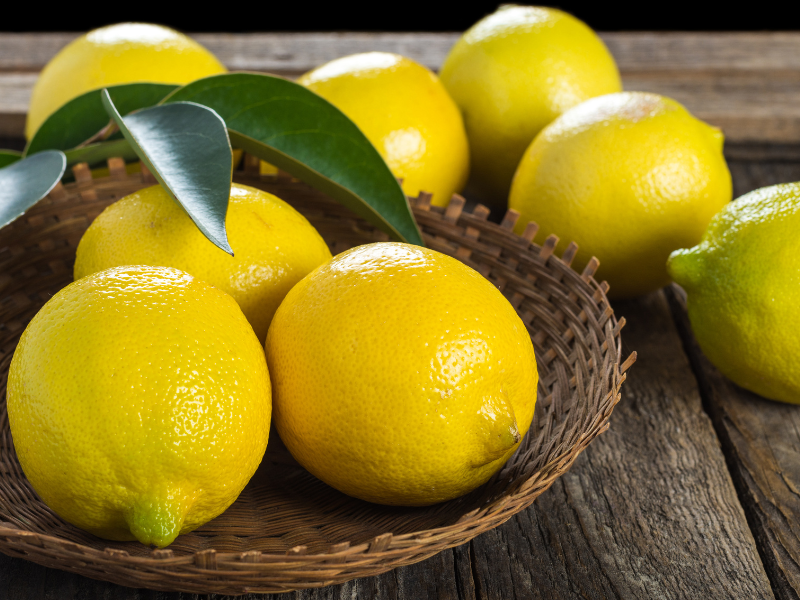
Key Benefits and Use an Entire Lemon
Lemons are one of the most hardworking ingredients in a homestead kitchen. Their bright acidity lifts savory dishes, their oils perfume baked goods, and their natural cleaning power makes them a staple for eco‑friendly households. When you learn to use the entire lemon—zest, juice, peel, pith, pulp, and even the leftover halves—you stretch your grocery budget and reduce waste.
Below are the most practical, everyday ways to use a whole lemon from top to bottom.
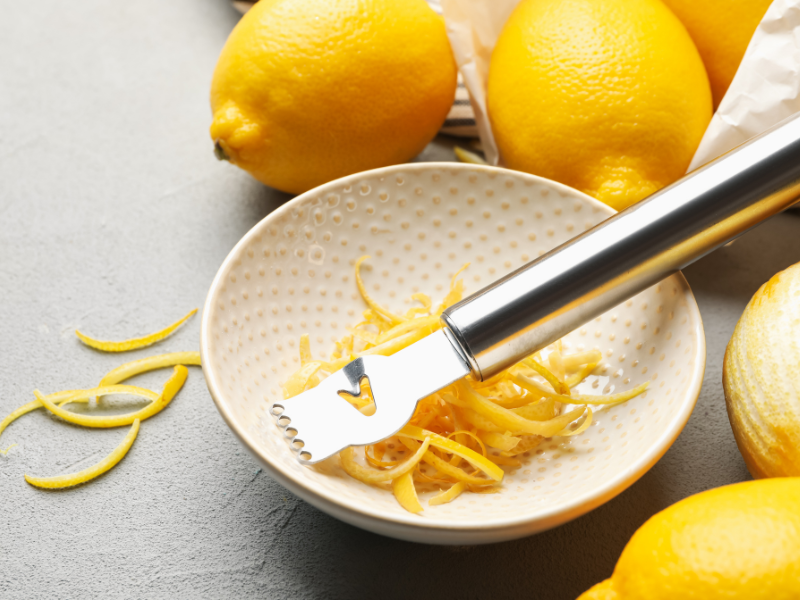
Use the Zest for Bright, Clean Flavor
The zest delivers bright, clean flavor thanks to the essential oils in the thin yellow peel, making it perfect for sprinkling over salads, pasta, seafood, roasted vegetables, or mixing into marinades, dressings, baked goods, yogurt, and homemade seasoning blends.
Freeze zest on parchment and store it in a jar to keep that fragrance for months. Fresh lemon juice adds instant brightness to almost any dish—use it in dressings, marinades, cocktails, sauces, soups, desserts, or even for canning.
Roll the lemon on the counter before cutting to release more juice, and freeze the juice in ice cube trays so you always have quick, two‑tablespoon portions ready for cooking.
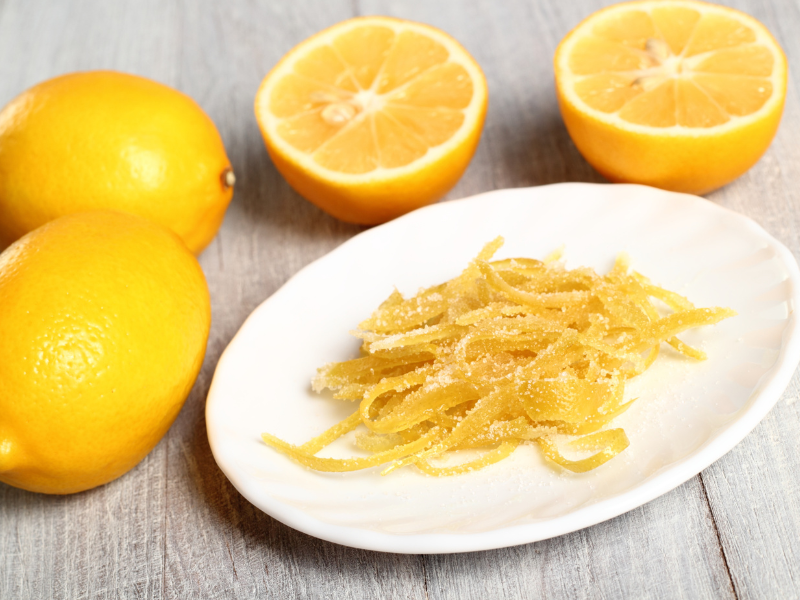
Peels for Candying, Infusions, and Seasonings
Once you’ve juiced a lemon, the peel still has plenty of bright, citrusy flavor left to offer. You can turn those leftover peels into candied lemon strips—sweet, tangy, and perfect for snacking, dipping in chocolate, or decorating cakes and cocktails—by slicing them thin, blanching to remove bitterness, and simmering them in sugar syrup until tender.
Lemon peels also shine in homemade infusions like lemon‑infused olive oil, lemon sugar, lemon salt, limoncello, or even citrus‑powered vinegar cleaners.
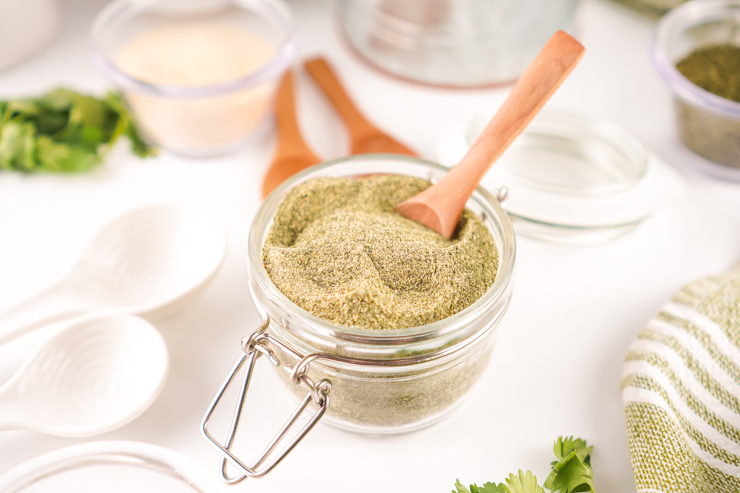
For a long‑lasting pantry staple, dry the peels at low heat until crisp and grind them into a fragrant powder that adds instant lemon flavor to seasoning blends and baked goods.
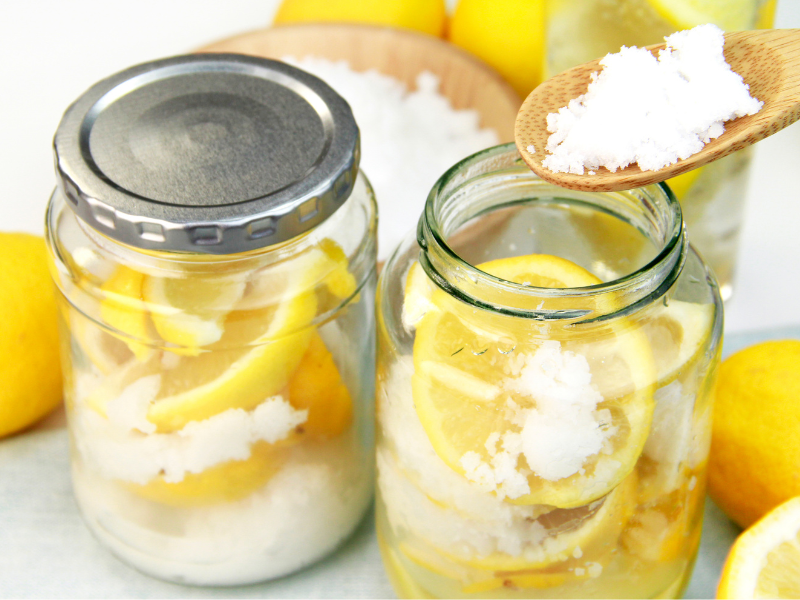
Lemon Salt for Everyday Cooking
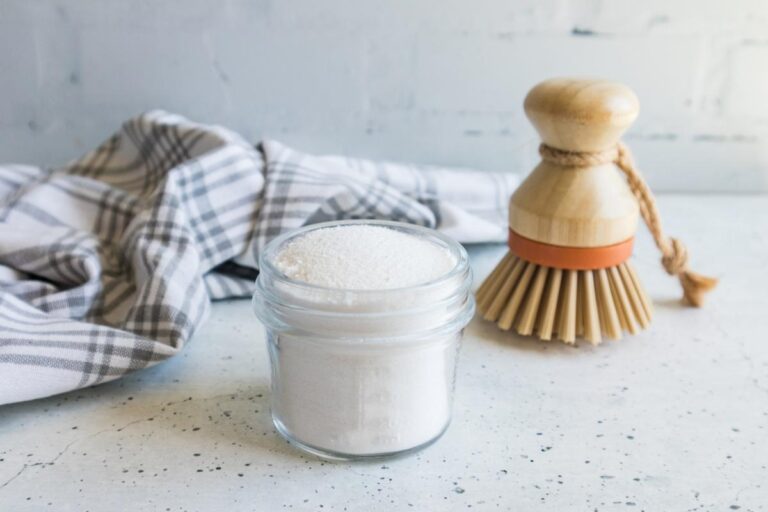
Lemon salt is an easy way to add a bright, citrusy punch to savory dishes. Simply combine finely grated zest with coarse sea salt, spread the mixture on a baking sheet to dry completely, and store it in an airtight jar.
A sprinkle transforms grilled meats, roasted vegetables, popcorn, avocado toast, and pasta, making it one of the simplest ways to elevate everyday meals with fresh lemon flavor.
Pulpy Lemon Purée for Sauces and Dressings
Lemon salt is an easy way to add a bright, citrusy punch to savory dishes. Simply combine finely grated zest with coarse sea salt, spread the mixture on a baking sheet to dry completely, and store it in an airtight jar.
A sprinkle transforms grilled meats, roasted vegetables, popcorn, avocado toast, and pasta, making it one of the simplest ways to elevate everyday meals with fresh lemon flavor.
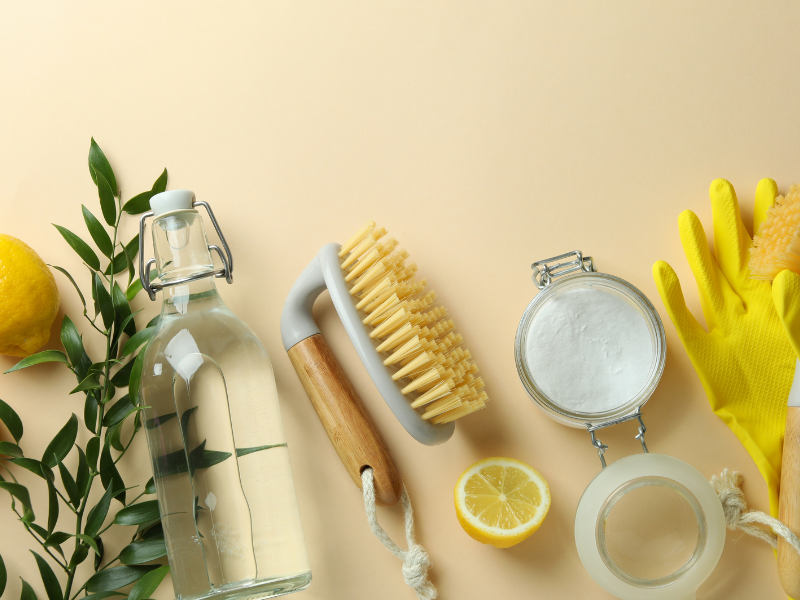
Lemon‑Powered Cleaning for a Natural Home
Lemons are one of the most effective natural cleaners thanks to their acidity and essential oils.
Natural Cleaner
If you love natural cleaning, you’ll enjoy this homemade pine cleaner made with real pine needles and fresh lemon. I’ll walk you through how to create a powerful, woodsy‑lemon cleaner using simple ingredients you can forage or already have at home. It’s an easy, budget‑friendly way to bring a fresh, outdoorsy scent into your cleaning routine while avoiding harsh chemicals.
Microwave Deodorizer
Heat a bowl of water with fresh lemon slices for several minutes, allowing the steam to loosen stuck‑on splatters and naturally eliminate lingering odors. The warm citrus vapor leaves your microwave smelling clean and bright.
Cutting Board Refresher
Scrub your cutting boards with half a lemon and a handful of coarse salt. The combination lifts stains, neutralizes odors, and provides gentle natural sanitizing power, leaving the surface fresh and renewed.
Garbage Disposal Cleaner
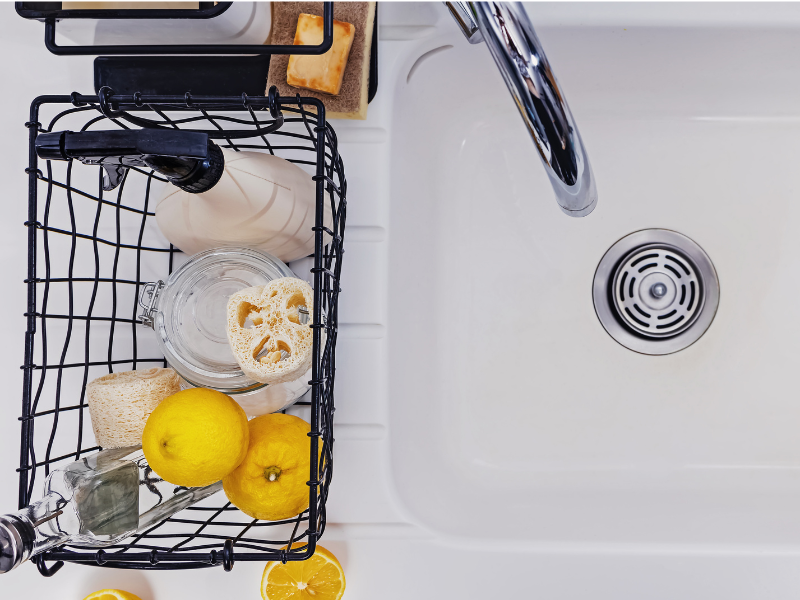
Drop lemon peels into the garbage disposal and run cold water as you grind them. The peels help clean the blades, break down buildup, and release a fresh citrus scent that instantly improves the smell of your sink.
Stainless Steel Polisher
Dip a soft cloth in lemon juice and rub it over stainless steel surfaces to dissolve spots and residue. Finish by buffing the surface dry, and you’ll reveal a clean, streak‑free shine with almost no effort.
Common Mistakes to Avoid When You Use an Entire Lemon(and How to Fix Them Easily)
It’s surprisingly simple to get more flavor and longer life out of your lemons once you know what not to do. A few small habits can make a big difference, and most of these mistakes are incredibly easy to correct. By avoiding these common slip‑ups, you’ll enjoy brighter flavor, fresher lemons, and far less waste in your kitchen.
Mistake 1: Storing Lemons on the Counter
They dry out quickly at room temperature.
Correct method: Store in the fridge inside a sealed container or bag.
Mistake 2: Washing Before Storage
Moisture encourages mold.
Correct method: Wash lemons right before use.
Mistake 3: Over‑Zesting Into the Pith
The white pith is bitter.
Correct method: Use a microplane and stop when you reach the white layer.
Mistake 4: Throwing Away the Peel
The peel contains more flavor than the juice.
Correct method: Zest before juicing and save peels for drying or infusing.
Mistake 5: Only Using Fresh Lemons
Frozen zest, dried peel, preserved lemons, and lemon purée all offer long shelf life.
Correct method: Keep multiple forms on hand.
Frequently Asked Questions on How to Use an Entire Lemon
How long do lemons last in the fridge?
Whole lemons last 3–4 weeks when stored in a sealed container.
Can you freeze whole lemons?
Yes. They soften when thawed but are perfect for juicing.
Can I use dried lemon peel instead of fresh zest?
Yes. It’s more concentrated—use half the amount.
Are the seeds safe to use?
Yes. They’re not eaten, but they’re safe to simmer in jams to release natural pectin.
What can I do with leftover lemon halves?
- Freeze for garbage disposal cleaning
- Scrub cutting boards
- Add to simmer pots for fragrance
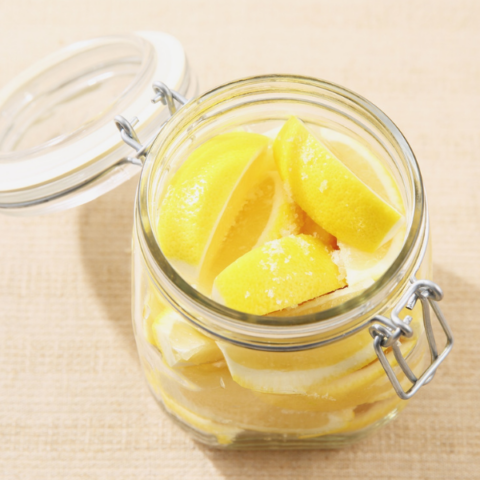
Preserved Lemons
Preserved lemons are lemons packed in salt and their own juice until the peels turn soft, fragrant, and deeply flavorful. This Moroccan staple adds a bold, savory citrus boost to dressings, marinades, roasted vegetables, chicken, and soups. The softened peel becomes the star—bright, salty, and unlike anything fresh—making preserved lemons an easy way to elevate everyday cooking.
Ingredients
- 5–6 medium lemons (organic preferred)
- 1–2 extra lemons for juicing
- ¼–½ cup coarse kosher salt
- 1 clean pint‑size glass jar with lid
Instructions
Prep Lemons:
Wash and scrub lemons well. Dry completely.
Cut:
Slice each lemon into quarters lengthwise, stopping ½ inch from the
bottom so the lemon stays attached.
Salt:
Open each lemon slightly and pack 1–2 tablespoons of salt inside.
Sprinkle more salt on the outside.
Pack Jar:
Press salted lemons tightly into the jar. Add a little extra salt
between layers.
Add Juice:
Squeeze extra lemons and pour juice over the packed lemons until
fully submerged.
Seal:
Close the jar and store at room temperature for 3–4 days, shaking
once daily.
Ferment:
Move the jar to the refrigerator and let ferment for 3–4 weeks,
until the peel is soft and the juice is cloudy.
Notes
To Use
Remove a lemon, rinse lightly, discard pulp if desired, and chop
the peel.
Add to dressings, marinades, roasted vegetables, chicken dishes,
soups, and grain bowls.
Storage
Keeps 6–12 months in the refrigerator.
Always keep lemons submerged in liquid.
Next Steps and Recommendations
1. Build a Zero‑Waste Lemon Routine
Start with these habits:
- Zest all the lemons before juicing
- Freeze zest and juice
- Save peels for drying or infusing
- Store lemons in airtight containers
2. Stock Your Kitchen with Helpful Tools
These inexpensive tools make lemon prep easier:
- Microplane zester
- Citrus reamer or hand juicer
- Glass storage jars
- Ice cube trays for freezing juice
- Cheesecloth for pectin extraction
3. Try One New Use for Lemons This Week
Choose one simple way to get started: you can make a batch of preserved lemons for long‑lasting flavor, mix up a bright lemon salt to sprinkle on meals, candy lemon peels for a sweet treat, freeze lemon juice for quick cooking, or whip up a lemon‑infused vinegar cleaner for your home. Any of these small steps will help you start using lemons more fully and get more value out of every fruit.
Zero‑Waste Wrap‑Up
Using lemons without waste is simpler than most people realize, and once you start, it becomes second nature. Whether you’re zesting before juicing, saving peels for homemade cleaners, or trying your first batch of preserved lemons, every small step adds up to more flavor and less waste in your kitchen. Keep experimenting, stay curious, and enjoy the satisfaction of getting every last bit of goodness out of each lemon. Your zero‑waste habits start right here, one bright citrus at a time.
-
25 Must-Know Instant Pot Uses for Homesteaders (Part 5)
Finish the Must-Know Instant Pot Uses series with homemade herbal syrups, easy steamed desserts, helpful FAQs, and practical tips for saving time, money, and food in the kitchen.
-
25 Must-Know Instant Pot Uses for Homesteaders (Part 4)
Discover more practical Instant Pot uses that can save time, reduce food waste, and make everyday cooking easier.
-
Homemade OxiClean Recipe: Easy DIY Stain Remover
Homemade OxiClean Recipe made with simple ingredients to help lift laundry stains and brighten clothes without the high cost.
-
Air Fryer Potato Chips: A Simple Snack
Air Fryer Potato Chips are a simple, crunchy snack made with just potatoes, salt, and a touch of oil. They cook fast, turn perfectly golden, and taste better than anything in a bag. Perfect for after‑school snacking or anytime you want something homemade and crisp.
-
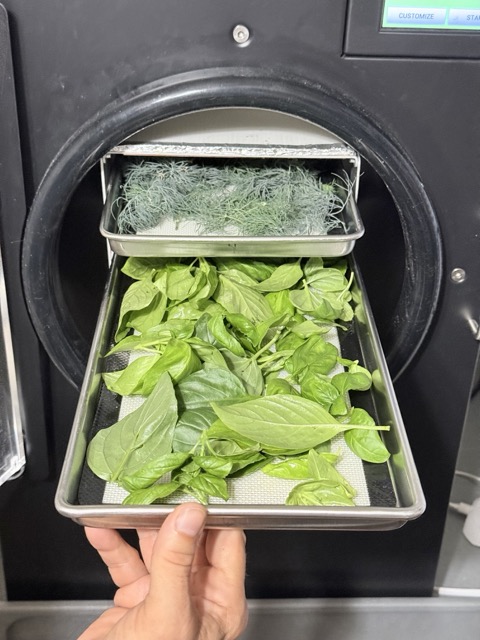
How to Freeze-Dry Herbs in a Harvest Right Freeze Dryer
Learn how to freeze-dry fresh herbs to preserve your garden harvest and enjoy basil, rosemary, and dill year-round.
-
25 Must-Know Instant Pot Uses for Homesteaders (Part 3)
Discover more Must-Know Instant Pot Uses for your homestead kitchen, including homemade tomato sauce, whole grains, sweet potatoes, fresh corn, and pumpkin purée. Learn simple ways to save time, use seasonal produce, reduce food waste, and get more value from your Instant Pot.




Follow Us on Social Media
The Oklahoma Homesteader Facebook Page
U.S. Homesteading for Beginners Facebook Group


Loving these articles.
So much info that I never knew before.
Now I can put them to use.
Yeah, that’s awesome to hear!
So many great uses for lemons and this adds a few more new ideas😊😊😊
Love all the info you share.
I love lemons so much I bought a lemon tree. I’m now anticipating my first home grown lemon.
That’s awesome; it’s definitely something I am adding to my list.
I thought I knew all the different ways to use a lemon but a couple were new for me! This is absolutely great. We currently have 6 Meyer lemon trees growing. Very small still but we’ll get there! Very excited for this because we go through lemons like crazy in our house. 🍋
Thats awesome!
Wow! Definitely using some of these ideas from now on. Thank you!!!
You are so welcome!