Non-Toxic Bedroom Swaps for a Healthier Home
This post contains affiliate links. As an Amazon Associate, I earn from qualifying purchases.

When I first started learning about creating a non-toxic home, I quickly became overwhelmed at the thought of all the non-toxic bedroom swaps.
Every article I read seemed to tell me I needed to replace EVERYTHING in my house immediately. One person said to throw out my cookware. Another told me my bedding had to go. Before long, it felt like nothing in my home was “good enough.”
The reality is, that’s simply not practical for most families.
Our approach has been much different.
Instead of replacing everything overnight, we’ve decided to make healthier choices as things naturally wear out or when we’re already planning to buy something new. It’s easier on our budget, keeps perfectly usable items out of the landfill, and allows us to make thoughtful decisions instead of impulse purchases.
That’s exactly what this Healthy Home series is all about.
Whether you live on a large homestead, in the suburbs, or in a small apartment, creating a healthier home doesn’t have to happen all at once. Small changes made over time can have a big impact.
Today, we’re starting with one of my favorite rooms in the house—the bedroom.


When Making Non-Toxic Bedroom Swaps, Why Start with Your Bedding?
Think about how much time you spend in bed.
The average person spends about one-third of their life sleeping, reading, or relaxing in their bedroom. That’s why bedding was one of the first areas I wanted to improve as we slowly transitioned toward using more natural materials throughout our home.
When shopping for bedroom essentials, I wasn’t looking for the most expensive products or the latest trends. I wanted bedding that was comfortable, made from natural materials whenever possible, and would last for years.
If you’re just getting started, don’t worry about replacing everything. Simply keep these ideas in mind the next time you’re shopping for new bedding.
Choose Natural Fiber Bed Sheets
Sheets are one of the easiest bedroom swaps because they’re something we use every single night.
As you shop, you’ll notice there are countless options available—microfiber, cotton blends, bamboo-derived fabrics, linen, and 100% cotton, just to name a few.
After doing quite a bit of research, I decided that 100% cotton was the best fit for our family. I love the crisp, cool feeling of cotton sheets, especially during Oklahoma summers, and I appreciate that they’re breathable and durable enough to last for years with proper care.
What to Look for Before You Buy
Before purchasing a new sheet set, here are a few things I recommend checking:
- Fiber content (look for 100% cotton if that’s your preference)
- Pocket depth to fit your mattress properly
- Machine washable care instructions
- Size compatibility, especially for adjustable beds
- Customer reviews about durability after washing
One thing I learned during this process is that thread count isn’t everything. While it often gets the most attention, the quality of the cotton itself can make a much bigger difference in how the sheets feel and how well they hold up over time.
The Sheets I Got: Bare Home Organic Cotton Percale
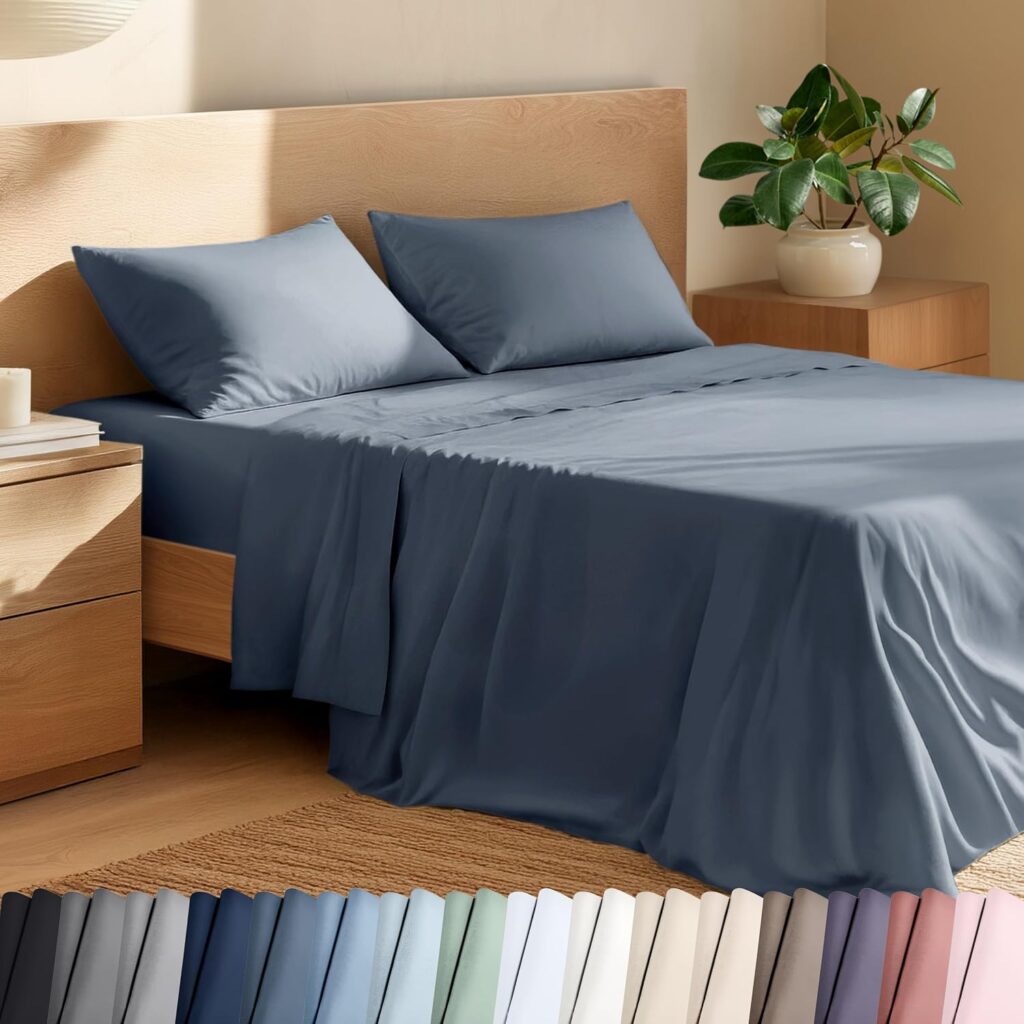
For our split king adjustable bed, I got the Bare Home 100% Organic Cotton Percale Sheet Set in Bering Sea. These are the sheets we chose for our bedroom, while the Bedsure set below gives readers another option to compare.
The Bare Home listing describes a five-piece split king set: two Twin XL fitted sheets, one King flat sheet, and two King pillowcases. Each fitted sheet measures 39 by 80 inches and has a 15-inch pocket. The material is 100% organic cotton with a percale weave, and the brand lists GOTS and OEKO-TEX certifications.
That split king sizing matters with an adjustable bed. Separate fitted sheets let each mattress move on its own, while the larger flat sheet covers the whole bed. Check your mattress depth before ordering, especially if you use a topper.
Percale and sateen are two different weaves, so it helps to read beyond the thread count. Bare Home describes this percale set as crisp and lightweight; the Bedsure organic cotton option uses sateen. Choose the fabric feel and fit that suit your own bed, and follow the care instructions for the set you buy.
Another Option: Bedsure Organic Cotton Sheets
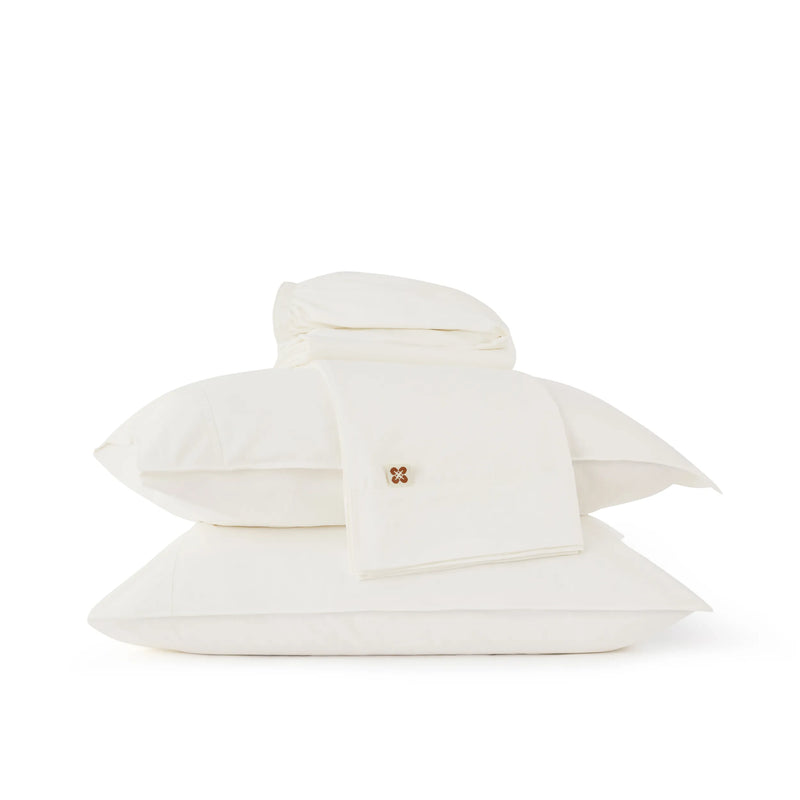
For readers looking for a solid-color sheet set, the Bedsure Organic Cotton Sheet Set is another option to compare. Bedsure lists 100% organic Turkish cotton, a 300-thread-count sateen weave, and fitted-sheet pockets that accommodate mattresses up to 17 inches deep. The brand also lists GOTS and OEKO-TEX STANDARD 100 certifications for this set.
Pay attention to sizing before ordering. The current product page lists Full, Queen, King, and California King sizes, rather than Twin XL or Split King. A standard King fitted sheet will not allow the two sides of a split adjustable bed to move independently, so this set is an option for readers with a matching mattress size.
Choose a Cotton Duvet Cover, Comforter, or Quilt
Your top layer is another place to look at materials when it is time for new bedding. A cotton duvet cover lets you change the outside of your bedding while continuing to use an insert you already have. A comforter or quilt is another option, depending on the weight and construction you prefer.
The Duvet Cover I Got: MooMee Washed Cotton
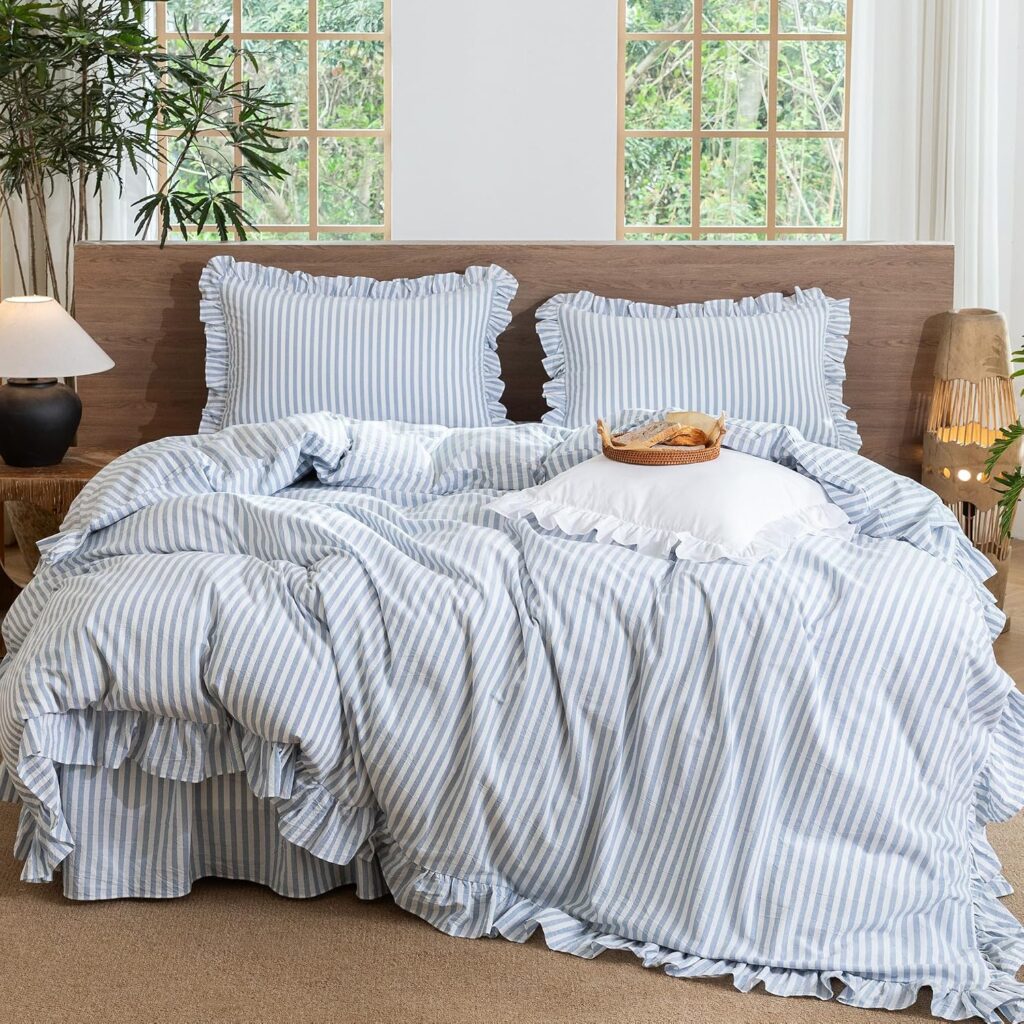
I got the MooMee Stripes Ruffle Duvet Cover Set in cornflower blue and white. It is made from 100% washed cotton, with a striped pattern and ruffle trim.
The linked version is labeled King and measures 104 by 90 inches. It includes the duvet cover and two matching pillowcases; the comforter or duvet insert is sold separately. A hidden zipper closes the cover, and eight interior ties help secure the insert.
Check the Cover and the Insert Separately
A cotton cover tells you about the outer fabric, so check the insert’s fill and shell separately if those materials matter to you. Match the cover dimensions to your insert instead of assuming every King or California King label means the same thing. For a comforter or quilt, compare both the fabric and fill, along with care instructions and the amount of coverage you want.
The MooMee duvet cover and the Bedsure waffle blanket below offer different ways to finish a bed: one covers an insert, while the other is a separate layer. You can choose whichever works with the bedding you already own.
Add a Lightweight Layer: Bedsure Cooling Waffle Blanket
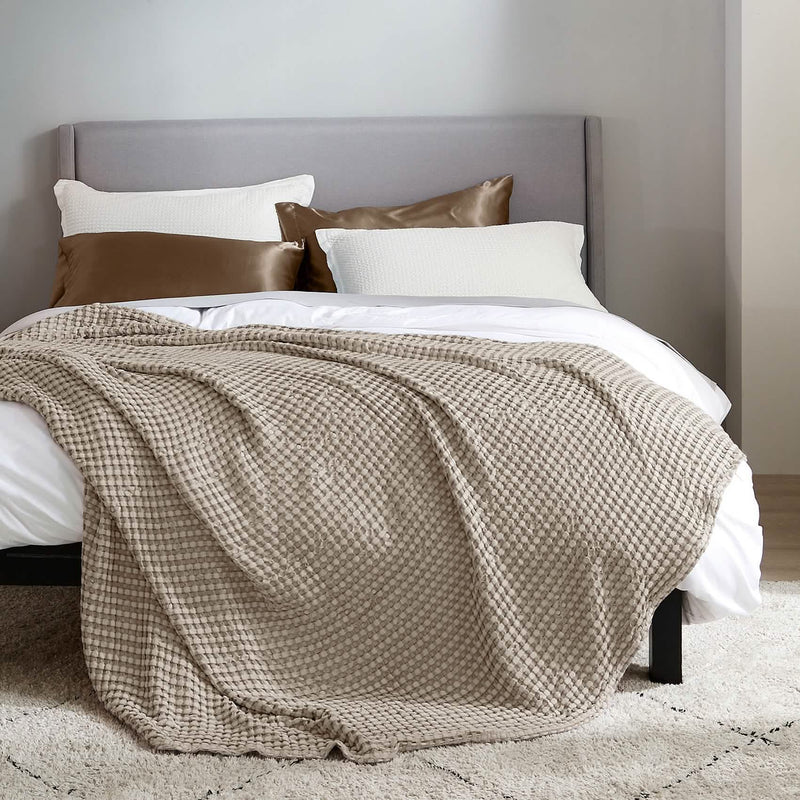
A lighter blanket is another option to consider when you want a layer you can add or fold back as needed. The Bedsure Cooling Waffle Blanket has a textured waffle weave and is made from 50% cotton and 50% rayon derived from bamboo. It is a blend, so keep that distinction in mind if you are specifically shopping for 100% cotton bedding.
I use California King blankets on our bed. The linked blanket is labeled Oversized King (120 by 96 inches). Compare the blanket dimensions with your mattress and the amount of overhang you prefer rather than relying on the size name alone.
Bedsure lists this blanket as machine washable and OEKO-TEX STANDARD 100 certified. Follow the care label for the blanket you receive, especially when choosing wash and drying settings.
An Optional Addition: Premium Grounding Products
Along with bedding, grounding products are another part of this bedroom conversation. These products are designed to connect a conductive fabric surface to the grounding port of a properly grounded outlet. They serve a different purpose from choosing cotton sheets or replacing a worn-out blanket.
Premium Grounding Sheet: Our Split King Setup

We used the Twin XL for our split king bed. The Premium Grounding Sheet is a flat underlay that goes beneath your regular fitted sheet. The manufacturer lists a blend of 70% cotton and 30% stainless steel fiber, along with a grounding adapter and cord.
The current size menu uses the label Single/Twin for the smaller option. Check the listed measurements and confirm the fit with the company before ordering for a Twin XL mattress. Follow the manufacturer’s instructions for placement, connection, and care, using a properly grounded outlet.
Premium Grounding Mat
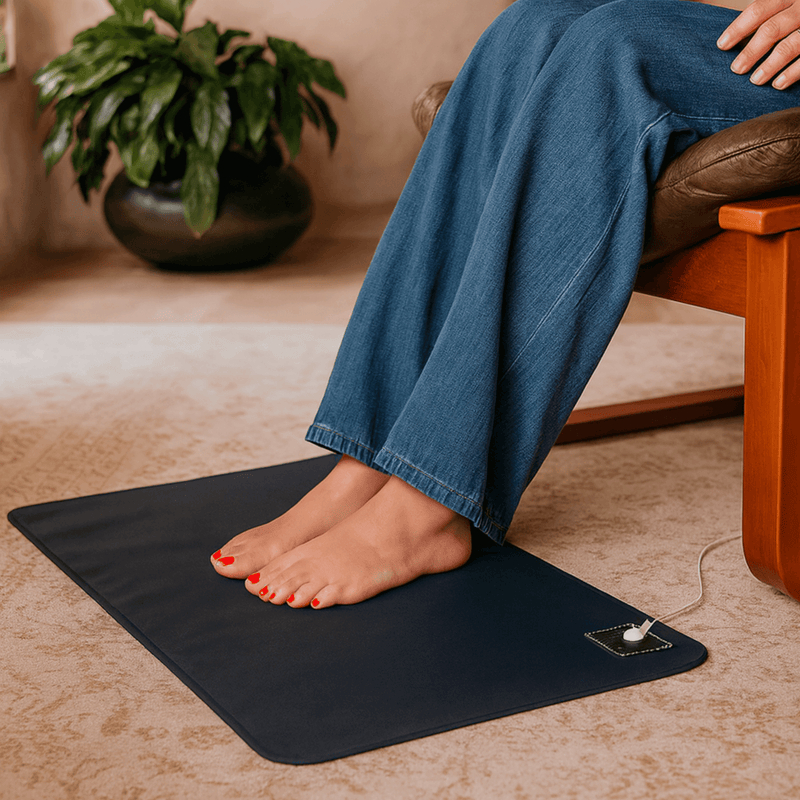
The Premium Grounding Mat is a smaller alternative for a sitting area or bedside spot. The listed mat measures about 18.5 by 23.6 inches and contains 30% stainless steel fiber in a fabric with a denim-like texture. It comes with a 15-foot cord for placement near a suitable outlet.
The mat can be moved between spaces, while the underlay is designed to stay with your bedding. Choose based on where you intend to use it, and follow the product’s setup and cleaning instructions.
Add Comfort with Decorative Throw Pillows
Throw pillows are one of the easiest ways to refresh a bedroom without completely redecorating.
When it’s time to buy new ones, consider looking for removable covers made from natural fabrics like:
- Cotton
- Linen
Removable covers make washing much easier, and they’re a simple way to change your bedroom’s look with the seasons.
I also like choosing neutral colors that can be mixed with seasonal accent pillows instead of buying an entirely new set every year.
Future Product Non-Toxic Bedroom Swaps Recommendation
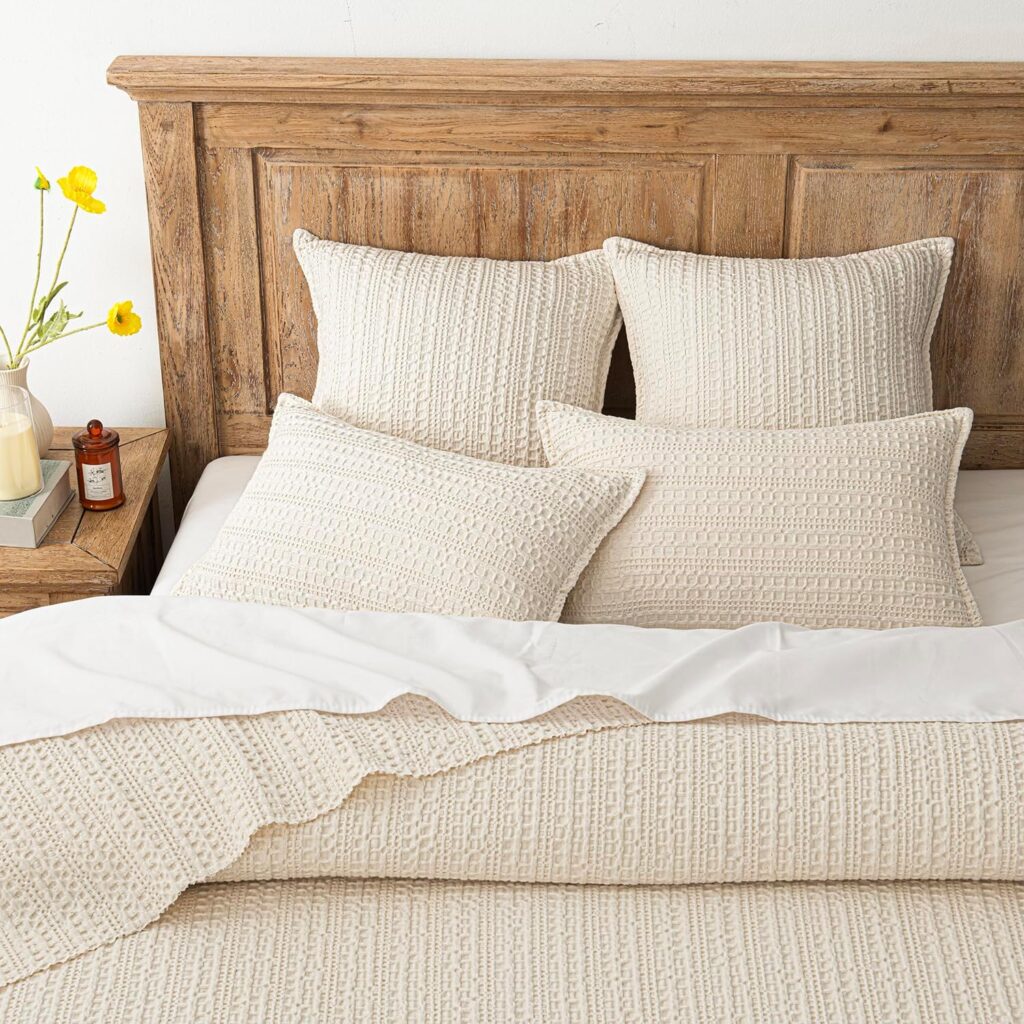
This 100% cotton waffle‑weave pillow cover brings soft texture and a clean, neutral cream tone to your space. The breathable cotton fabric is naturally non‑toxic and gentle against the skin, making it a safe choice for chemical‑sensitive homes.
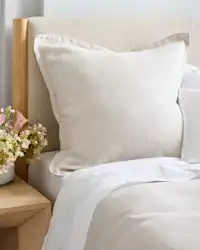
These linen pillow covers bring organic warmth and understated elegance to your home. Their natural fibers and neutral tone make them a safe, sustainable choice for a clean, cozy living space.
Choose Natural Fiber Curtains
Curtains are another bedroom feature that’s easy to overlook. Besides adding privacy, they soften the room, frame your windows, and help create a relaxing atmosphere.
When you’re shopping for curtains, consider natural fabrics such as:
- Cotton
- Linen
If you’re sensitive to morning light, blackout curtains can be a wonderful option. If you enjoy natural sunlight during the day, light-filtering curtains can brighten your room while still providing privacy.
Choose what works best for your home and your sleep habits.
Future Product Recommendation
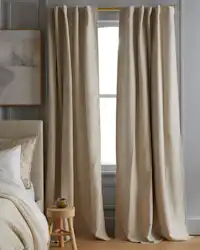
Create a calm, cozy bedroom with Quince European Linen Blackout Curtains. These stylish curtains combine the natural texture of linen with blackout functionality to help block unwanted light and create a more restful space. The soft flax color adds warmth and works beautifully with neutral decor for a timeless, natural look in your non-toxic home.
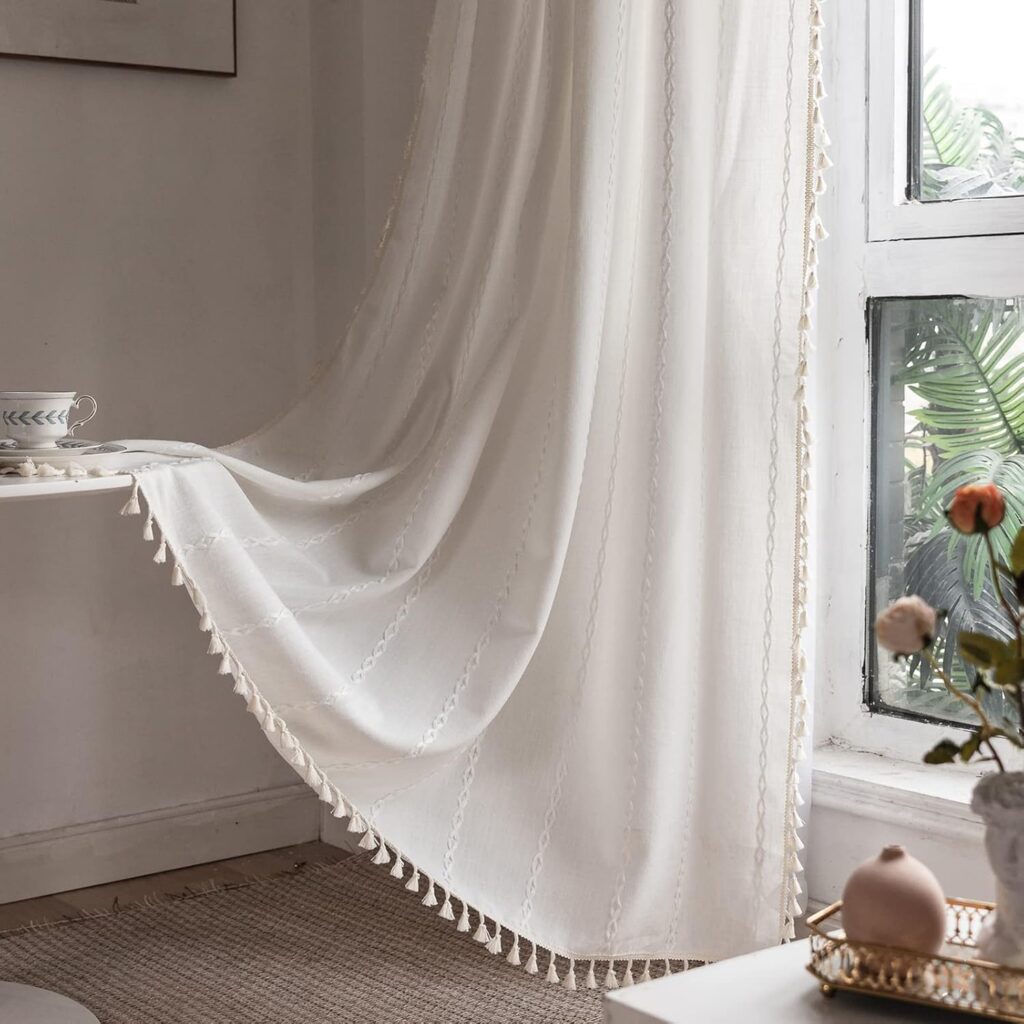
When searching for non-toxic bedroom swaps, these RoomTalks cotton‑linen farmhouse curtains use a natural, textured fabric that gently filters light without harsh dyes or synthetic finishes. The neutral stripe and tassel edge add a cozy, handmade feel while keeping your space clean, breathable, and chemical‑conscious.

What to Look for in a Mattress when Making Non-Toxic Bedroom Swaps
A mattress is one of the biggest investments you’ll make for your bedroom, so I don’t believe it’s something you should rush into replacing. If your current mattress is still comfortable and supportive, keep using it.
When the time eventually comes to shop for a new one, spend a little time researching the materials, construction, warranty, and customer reviews before making your decision. This is one purchase where quality is usually worth the investment.
Since we’re still researching mattresses ourselves, these are options to compare as we plan a future purchase. They are research suggestions rather than mattresses we’ve personally tested.
When comparing mattresses marketed as “non-toxic,” look for a full material list and specific certifications. The brands below list GOTS (Global Organic Textile Standard) and GOLS (Global Organic Latex Standard) certifications. Check each model’s certification details, since a certified component and a certified finished mattress are different things.
Sleep On Latex: Pure Green Organic Latex Mattress
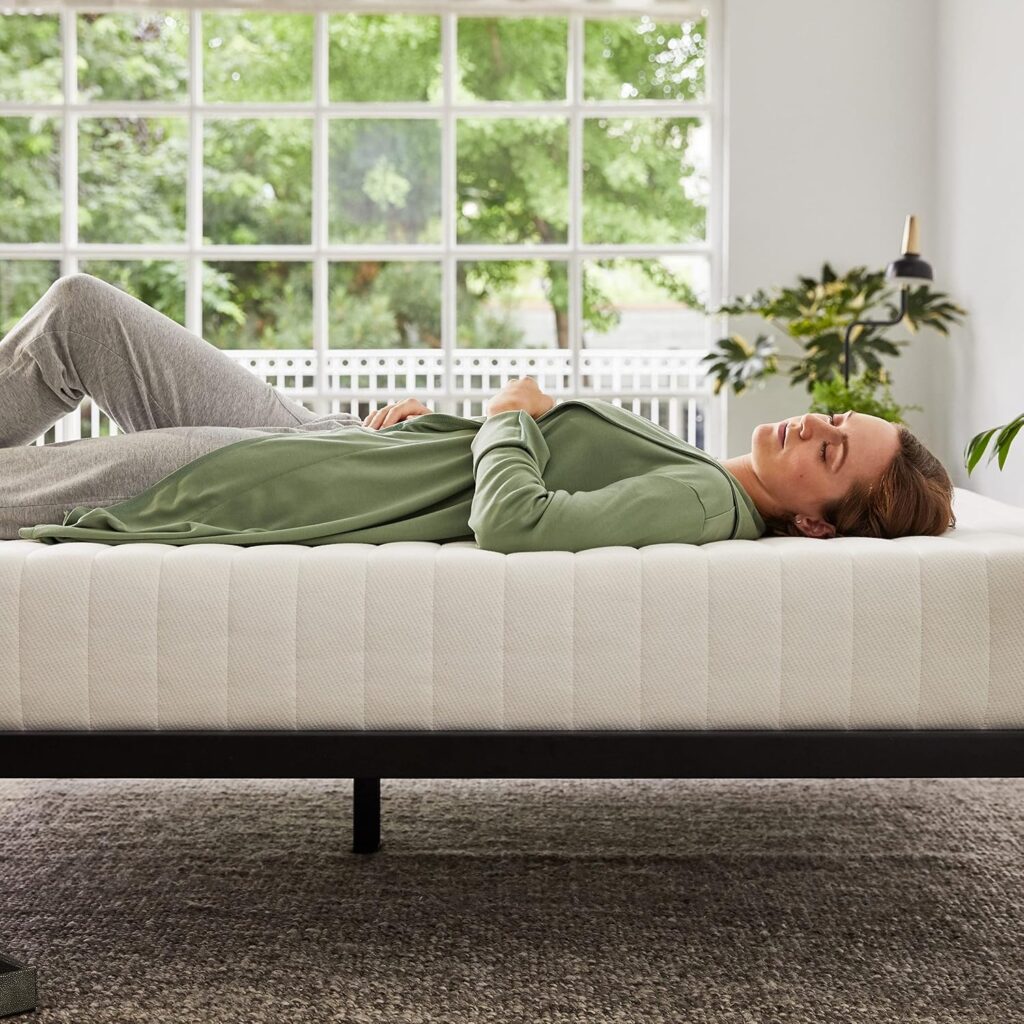
The Pure Green Organic Latex Mattress from Sleep On Latex is an option for readers who want an all-latex mattress rather than a coil hybrid. The company lists an eight-inch organic latex foam interior, with organic cotton and organic wool in the quilted cover. It comes in Medium and Firm versions; the linked Amazon listing starts with Medium in Queen.
Sleep On Latex publishes its certification details, including GOTS, GOLS, and GREENGUARD Gold. GREENGUARD Gold addresses low chemical emissions, which is a different consideration from whether the materials are organic.
Happsy: Organic Hybrid Mattress
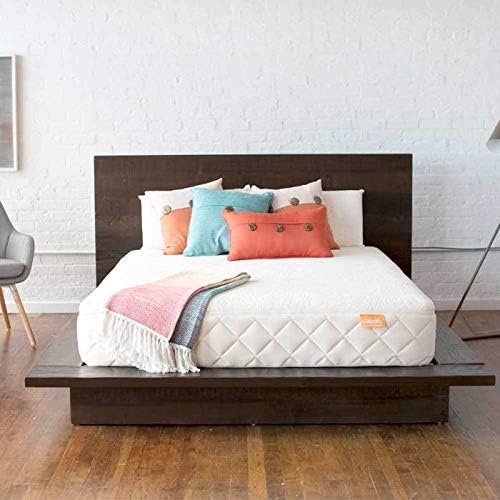
The Happsy Organic Hybrid Mattress combines an organic latex comfort layer with individually encased steel coils. Happsy lists organic cotton and wool among its materials, along with GOTS, GOLS, and GREENGUARD Gold certifications on its product page. This is another construction to compare if you prefer a mattress with springs. The linked Amazon version is Medium Firm in Queen.
Non-Toxic Bedroom Swaps-My Green Mattress: Kiwi Organic Mattress
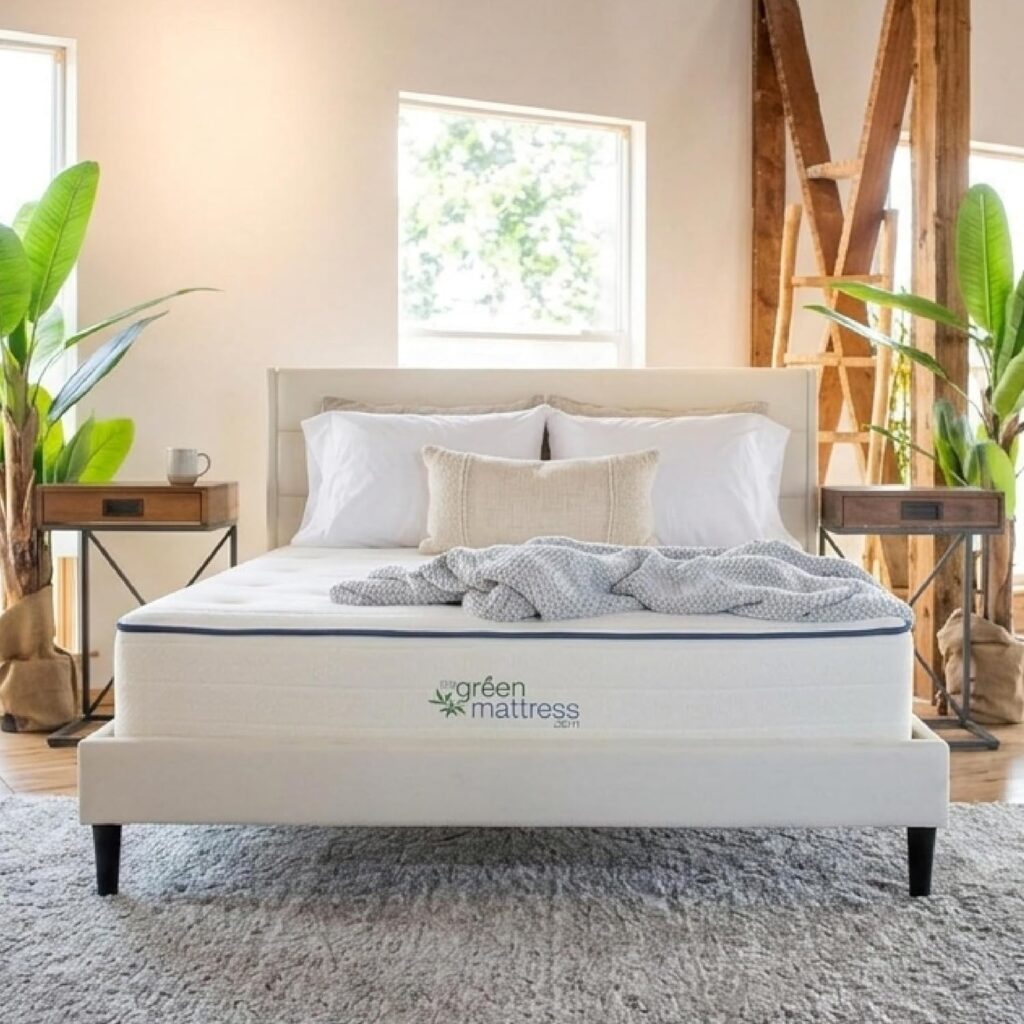
The Kiwi Organic Mattress from My Green Mattress is a medium-firm hybrid with organic Dunlop latex, pocketed coils, and an organic cotton-and-wool quilted cover. The brand describes hand-tufted construction that holds the layers together without adhesives, and lists GOTS, GOLS, GREENGUARD Gold, and MADE SAFE certifications on its Kiwi product page.
Before ordering Non-Toxic Bedroom Swaps, select the size and firmness that fit your needs and read the requirements for your bed frame. For a split king adjustable bed, check Twin XL availability and confirm adjustable-base compatibility with the manufacturer. Also check the actual Amazon seller’s return, trial, and warranty terms; offers advertised for a purchase directly from a brand may differ on Amazon.
Reconsider Scented Candles: A Flame-Free Option

Bedroom swaps can include the way you add fragrance, too. If you enjoy a scented room but want to skip burning a candle, an electric essential oil diffuser is one option. The EPA lists burning candles as a source of indoor particles, so reducing candle use removes that particular source of smoke and soot.
Simply Earth offers pure essential oils and diffusers. The company says its oils have no added fragrance or fillers and undergo third-party GC/MS testing, with batch reports available through its product pages. Those reports give you something specific to check when comparing oils.
Essential oils also have aromatherapy uses. Oils such as lavender, cedarwood, and bergamot are used for their aromas, and a diffuser can be a way to enjoy those scents as part of an evening wind-down routine. Choose an aroma you enjoy rather than expecting a particular oil to guarantee better sleep.
Keep fragrance optional. Essential oils are concentrated, and a diffuser adds scent to the air; it does not clean the air. Research on ultrasonic diffusers found that they can also release volatile organic compounds and particles. Follow the oil and diffuser instructions, keep the diffuser clean, and choose a scent-free room if that is more comfortable for your household.
Simply Earth code: Use CONSUMERQUEENFREE at checkout when shopping Simply Earth. Check the current promotion and eligible-purchase terms before placing your order.
Non-Toxic Bedroom Swaps-Consider an Air Purifier
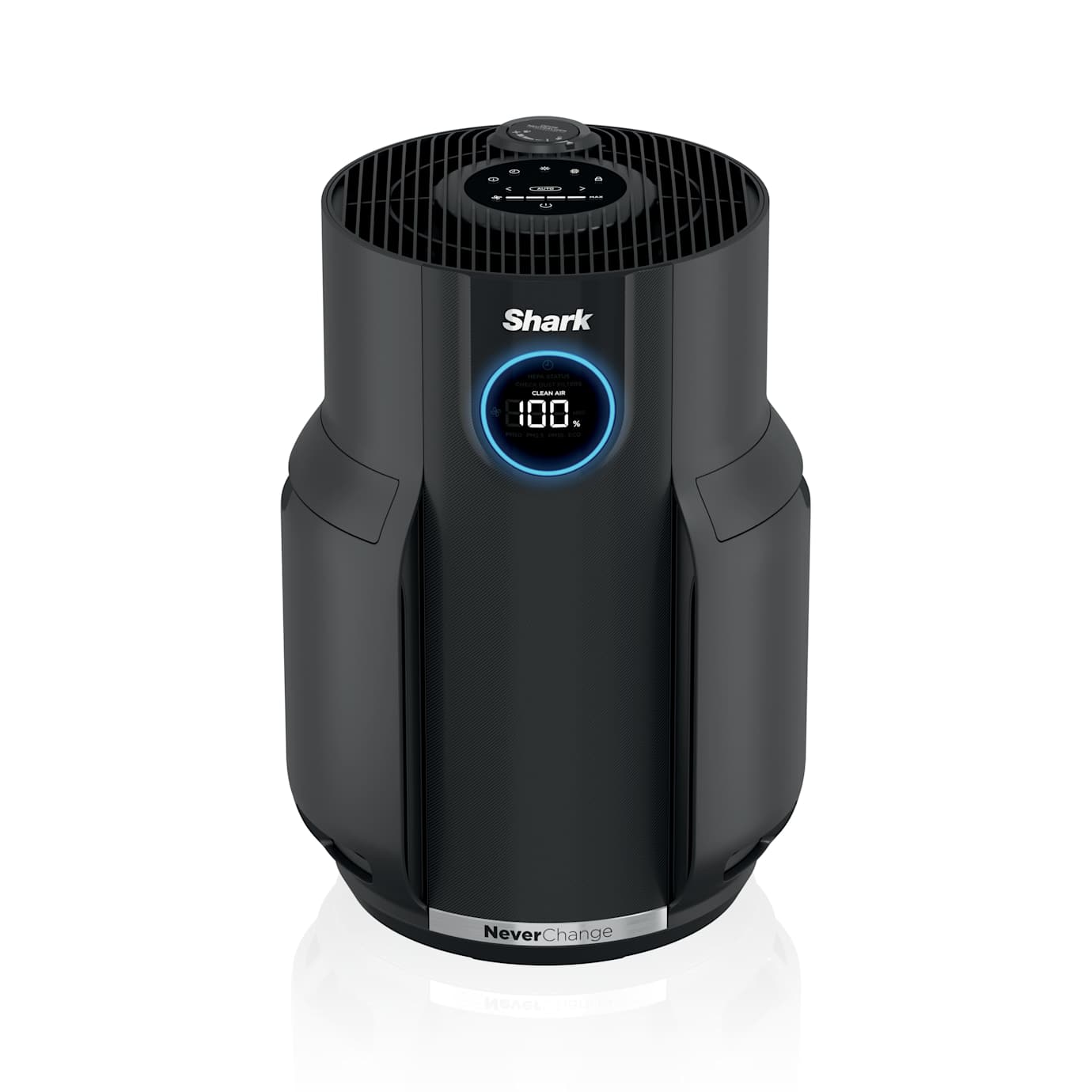
Bedding and fragrance are only part of a bedroom’s environment. An air purifier is another option to consider if you want help filtering airborne particles. The Shark NeverChange™ Air Purifier linked here is model HP152, with HEPA filtration, a CleanSense IQ air-quality display, and washable Debris Defense screens.
Shark advertises coverage of up to 650 square feet at one air change per hour. Check the room size and clean air delivery rate when comparing purifiers, since that coverage claim is tied to a specific air-change rate. Shark also advertises up to five years of filtration; the washable screens still need cleaning according to the manual.
This model includes a scented Odor Neutralizer cartridge, which is a detail to consider if you are trying to reduce fragrance in your bedroom. The EPA describes filtration as a supplement to reducing pollutant sources and ventilation. A purifier cannot remove every pollutant, so pair it with regular cleaning and thoughtful choices about what you bring into the room.
Melissa’s Simple Swap Guide for Non-Toxic Bedroom Swaps
You don’t have to replace everything today.
Instead, use what you have and simply keep these ideas in mind the next time you’re shopping.
| If You Have… | Consider Next Time… |
|---|---|
| Microfiber Sheets | 100% Cotton Sheets |
| Polyester Comforter | Cotton Duvet Cover, Comforter, or Quilt |
| Synthetic Throw Pillows | Cotton or Linen Covers |
| Polyester Curtains | Cotton or Linen Curtains |
Remember, this isn’t about creating the perfect bedroom overnight.
It’s about making thoughtful choices over time that fit your family’s needs and budget.
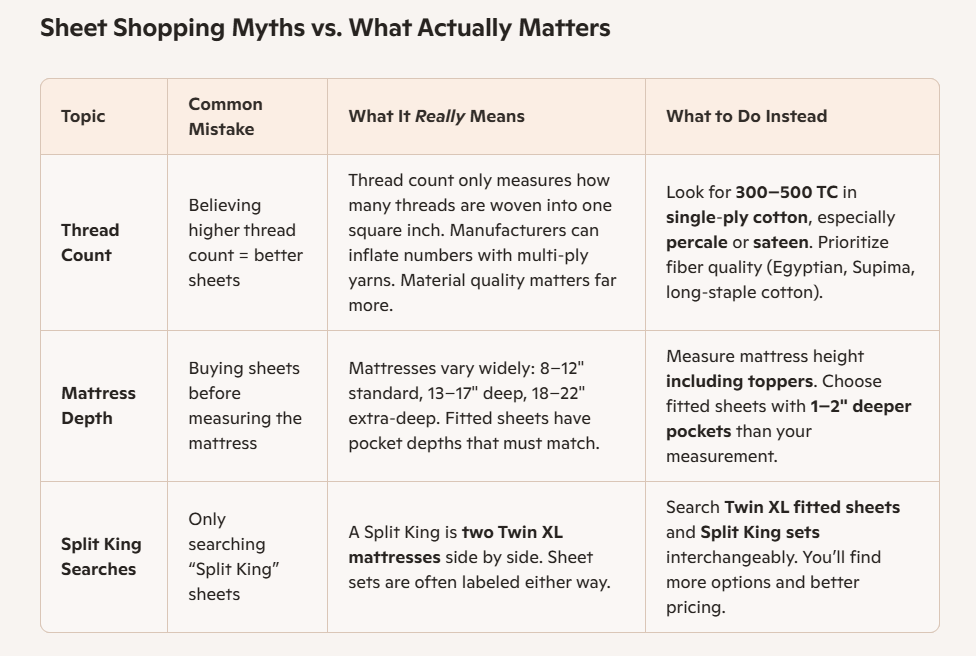
Common Mistakes to Avoid When Making Non-Toxic Bedroom Swaps
As I researched and shopped for our own bedroom, I noticed a few common mistakes that are easy to make when shopping for Non-Toxic Bedroom Swaps.
Shopping by thread count alone. A higher thread count doesn’t automatically mean better sheets. Pay attention to the material and overall quality as well.
Buying before measuring.
Mattress depth matters. Check the pocket depth on fitted sheets to make sure they’ll fit properly.
Limiting yourself to “Split King” searches. If you have a Split King adjustable bed, remember that the fitted sheets are simply two Twin XL fitted sheets. Knowing this can give you many more shopping options.
Feeling pressured to replace everything. This is probably the biggest mistake of all. Creating a healthier home isn’t a race. Replace items as they wear out and choose products you’ll enjoy for years.
Final Thoughts on Non-Toxic Bedroom Swaps
One thing I’ve learned on this journey is that creating a non-toxic home doesn’t happen in a weekend.
Our bedroom certainly didn’t.
Every purchase we’ve made has been intentional, and every decision has taught us something new.
Whether you’re shopping for your first set of cotton sheets or finally replacing an old comforter, don’t feel like you have to make every change today.
Start with one purchase.
Learn from it.
Then make the next decision when the time comes.
Those small, thoughtful choices eventually create a bedroom that feels comfortable, welcoming, and uniquely yours.
That’s the approach we’re taking in our own home, and I hope it encourages you to do the same.

Continue Your Healthy Home Journey
This article is part of our Healthy Home Series, where we share the simple changes we’re making as we create a healthier home one room at a time.
Be sure to read these related guides as they’re published:
- Non-Toxic Kitchen Swaps for a Healthier Home
- Non-Toxic Bathroom Swaps
- Non-Toxic Laundry Room Swaps
- Best Non-Toxic Cookware
- Glass vs. Plastic Food Storage
If you’re just getting started, keep an eye out for our upcoming cornerstone guide: The Ultimate Guide to Creating a Non‑Toxic Home. Once it’s live, it will connect you to every article in this series.
-
Homemade Electrolyte Drink: Easy Hydration Recipe
A homemade electrolyte drink gives you control over the ingredients, the flavor, and the sweetness, making it an easy alternative to store‑bought options when you need extra hydration. You can mix a small batch, adjust it to your taste, and keep it chilled in the refrigerator for busy days outside. It’s simple, customizable, and a practical recipe to have on hand whenever you want a clean, refreshing way to replace electrolytes
-
Fall & Thanksgiving Homestead Gift Guide
Celebrate the season with our Fall & Thanksgiving Homestead Gift Guide! Discover thoughtful gifts for gardeners, home cooks, and country living enthusiasts. From cozy fall clothing and kitchen essentials to garden supplies and sweet treats, these finds bring a little extra warmth to the season. Whether you’re shopping for Thanksgiving or getting a head start on holiday gifting, you’ll find practical gifts for a homegrown lifestyle.
-
Non-Toxic Kitchen Swaps for a Healthier Home
Non-Toxic Kitchen Swaps to create a healthier kitchen with simple product changes and practical cooking tips.
-
Homemade Dishwasher Powder: Easy DIY Detergent Recipe
Homemade Dishwasher Powder made with simple ingredients for an easy, affordable alternative to store-bought dishwasher detergent.
-
Fall Wax Melts Recipe with Essential Oils
These fall wax melts bring warm, cozy scents to your home with just a few basic ingredients. They’re easy to make, budget‑friendly, and perfect for anyone who loves natural, homemade products. The blend of cinnamon, clove, orange, and cedarwood creates a comforting autumn aroma that feels right at home in any farmhouse kitchen. Make a batch for your own warmer or package them as sweet seasonal gifts.
-
Whipped Tallow Balm Recipe with a Cozy Fall Scent
Whipped Tallow Balm Recipe with nourishing oils and a cozy fall scent. An easy homemade balm for soft, moisturized skin.