Non-Toxic Kitchen Swaps for a Healthier Home
When I first began learning about non-toxic kitchen swaps, I felt like I had suddenly discovered a long list of things I was supposedly doing wrong. Plastic containers, cooking utensils, cutting boards, cookware, dinnerware, mixing bowls, and even measuring cups all seemed to land on the “replace immediately” list.
Honestly, it was overwhelming.
If you’ve spent any time researching healthier home products, you’ve probably experienced that same feeling. One article tells you to replace all your plastic storage containers. Another says you need different cookware. Before long, it feels like creating a healthier kitchen requires emptying every cabinet and starting over from scratch.
I want to begin by sharing something I wish I had heard much earlier in my journey: Creating a healthier kitchen is not an all-or-nothing decision.
You do not need to throw away everything you own. You do not need to spend hundreds or thousands of dollars replacing perfectly functional items. For most families, that simply is not realistic. It can also create a surprising amount of unnecessary waste.
Our family has chosen a much slower approach.
Instead of replacing everything at once, we use what we already have. When an item wears out, becomes damaged, or reaches the end of its useful life, we look for a replacement made from materials we feel more comfortable using. Sometimes we find exactly what we want. Other times, we choose the best option that fits within our budget.
Those small choices still matter.
Whether you live on a large farm, a suburban lot, or a small apartment, intentional living is part of the homesteading mindset. It’s about using resources wisely, reducing waste, cooking more meals from scratch, and making thoughtful decisions about the products that come into your home.
Why Start with the Kitchen?
For many homesteaders, the kitchen is the heart of the home.
It’s where fresh garden vegetables become family meals. It’s where bread dough rises on the counter, jars are filled during canning season, and loved ones gather at the end of a busy day.
It is also one of the most frequently used spaces in the house.
Because we interact with kitchen tools and food preparation surfaces every day, this room is a practical place to begin making gradual changes. The good news is that you do not have to start with the biggest or most expensive item. Sometimes the easiest first step is replacing a worn-out plastic spoon with a wooden one or picking up a glass storage container the next time you need one.
Start where it makes sense for your family and your budget.

Growing Your Own Food
One of the best non-toxic swaps can be growing or raising more of your own food, and backyard ducks are a fun way to get started. Metzer Farms specializes in helping backyard homesteaders raise ducks for fresh eggs at home. Duck eggs are nutrient-rich, versatile for cooking and especially popular for baking. Raising your own ducks also gives you a sustainable source of fresh eggs while knowing exactly where your food comes from. Family-owned since 1978, Metzer Farms has helped thousands of families get started with backyard ducks.
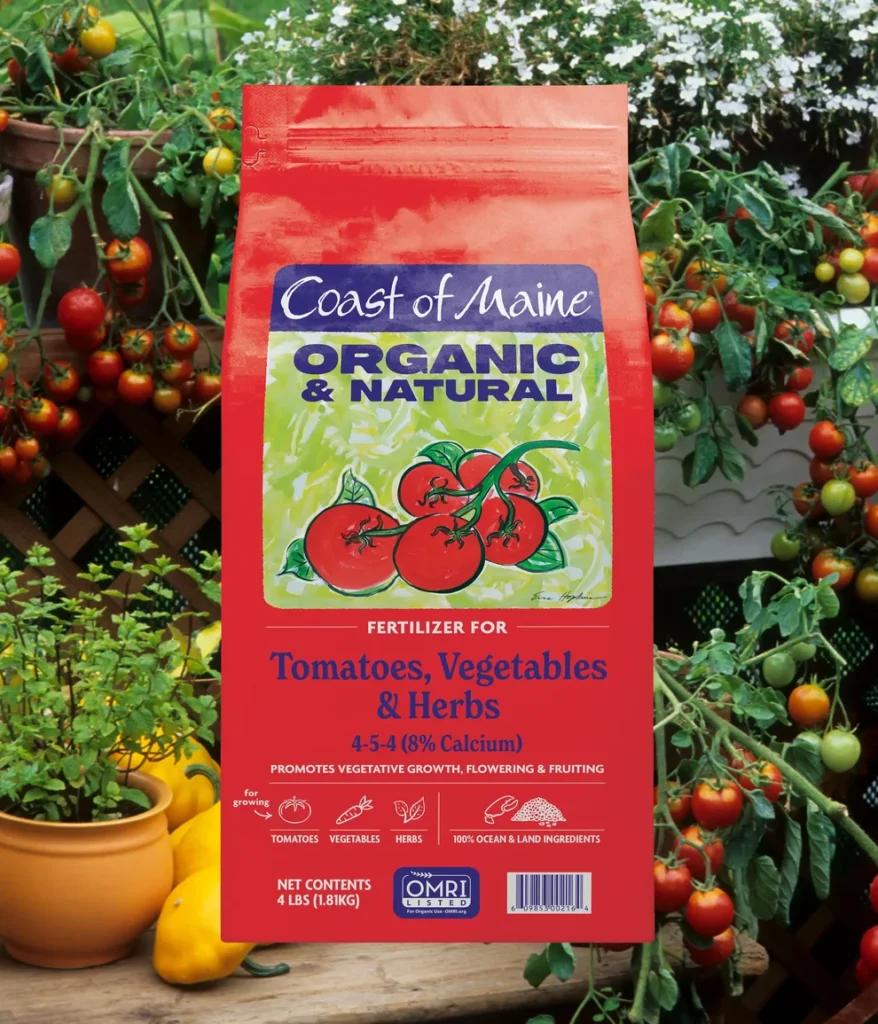
For gardeners who want a more natural approach to feeding their plants, Coast of Maine Tomatoes, Vegetables & Herbs Fertilizer is a great addition to the garden. Coast of Maine Organic Products offers a wide variety of organic soils, composts, mulches, fertilizers, and plant foods designed to support healthy gardens. Their products use natural ingredients sourced from farms and ocean waters, including lobster, crab, kelp, fish, and worm castings.
This particular fertilizer is made with composted poultry manure, lobster and crab shell meal, feather meal, worm castings, fish bone meal, and kelp meal. It is OMRI Listed for organic use and is formulated to support the growth, flowering, and fruiting of tomatoes, vegetables, and herbs. Coast of Maine has been producing its organic garden products since 1996, making it a useful option for gardeners looking to make more natural choices in the garden.
Choose Safer and Less or Non-Toxic Appliances
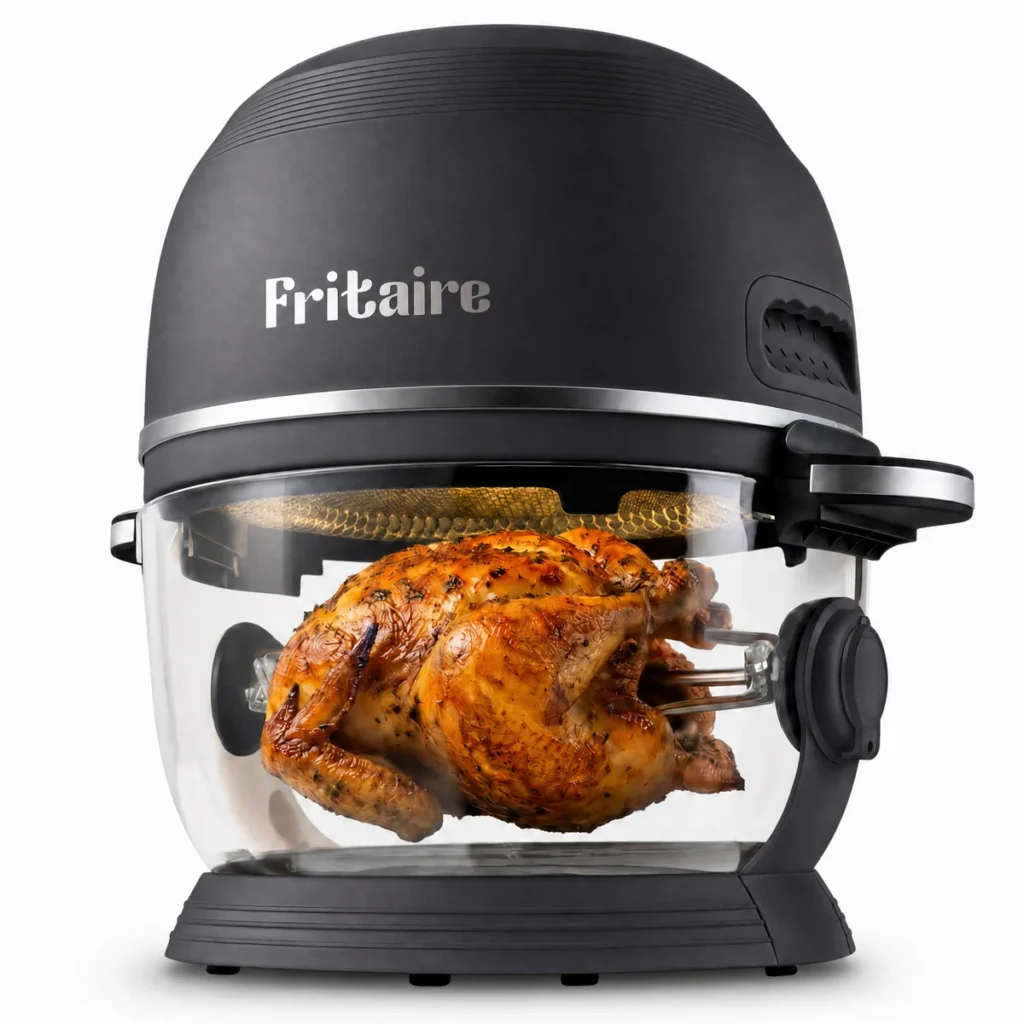
If you are looking for non-toxic kitchen swaps for your appliances, or a kitchen appliance without traditional nonstick coatings, the Fritaire Midnight Black Air Fryer is worth considering. It uses a tempered glass cooking bowl and 304 stainless steel accessories, with no BPA, PFAS, or Teflon/PTFE coatings on food-contact surfaces. The 9-in-1 appliance also includes air frying, baking, dehydrating, and rotisserie functions, while its self-cleaning cycle helps reduce the need for scrubbing.
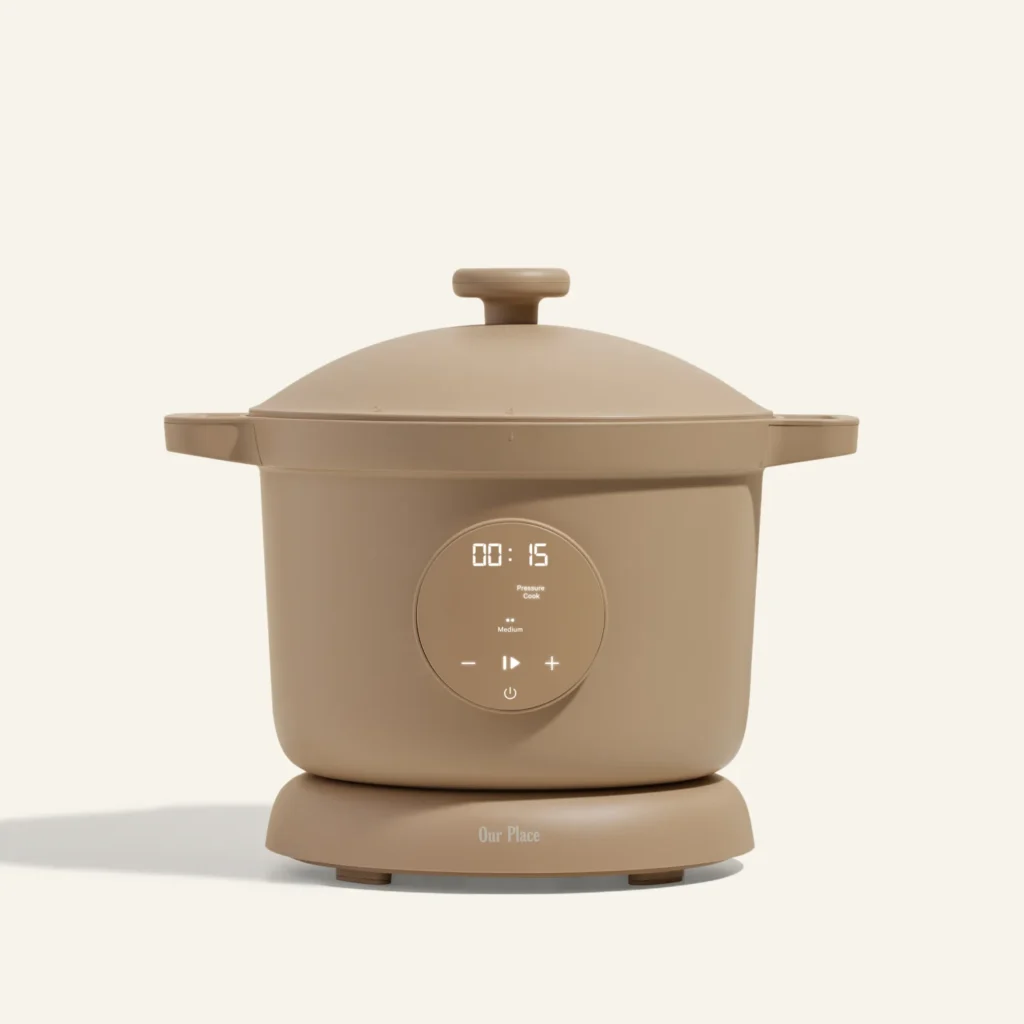
The Our Place Dream Cooker combines several cooking methods in one 6-quart appliance, including pressure cooking, slow cooking, sautéing, searing, and keeping food warm. Its inner cooking pot is aluminum with a toxin-free ceramic nonstick coating, providing an alternative to traditional nonstick surfaces. Having multiple cooking functions in one appliance can also help reduce the number of separate kitchen gadgets you need, making it a practical option for a more streamlined home kitchen.
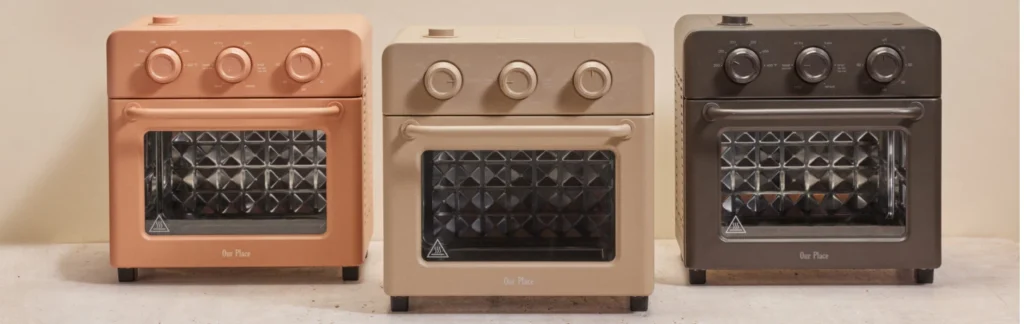
The Our Place Wonder Oven is a versatile 6-in-1 appliance that can air fry, bake, roast, toast, broil, and reheat. It has a stainless steel interior and glass door, while its included cooking accessories are made without PFAS, PTFE, PFOA, lead, or cadmium. The compact design can also replace several countertop appliances, making it a practical choice for a kitchen where you want fewer products without giving up cooking options.
Choosing Ceramic Dinnerware for Everyday Use
Dinnerware is not always the first thing people think of when considering non-toxic kitchen swaps, but most of us use it several times every day.
Ceramic, stoneware, porcelain, and glass dishes are popular alternatives to plastic plates and bowls. They are durable, reusable, and available in styles that work equally well for everyday meals and special gatherings.
When shopping for dinnerware, take time to look beyond the appearance of the dishes. Consider how the pieces fit into your daily routine. Are they dishwasher safe? Will they fit in your cabinets? Are the bowls deep enough for soups, stews, and other meals your family enjoys?
It is also worth inspecting dishes regularly. Deep chips, cracks, or damaged glaze can be signs that a piece should be retired from food use.
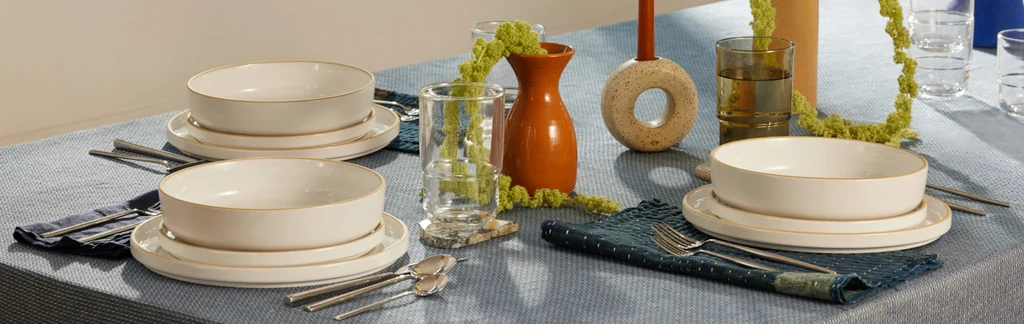
One dinnerware collection we’re currently featuring is Our Place Dinnerware. What appealed to us most was its timeless design and versatility. We wanted something attractive enough for family gatherings while still being practical for everyday meals. It also comes in several colors.
Why We Chose It
- Classic heirloom-inspired design
- Practical alternative to plastic dishes
- Easy to mix with existing dinnerware
- Fits the warm, collected look we enjoy in our kitchen
As we continue using different products, we’ll share a detailed review covering durability, comfort, ease of cleaning, and how well it holds up to daily family use.
Move from Plastic to Glass Food Storage Gradually
Food storage is one of the easiest places to make gradual changes.
That doesn’t mean you need to throw away every plastic container currently sitting in your cabinet. Instead, focus on replacing containers as they wear out. Cracked lids, warped containers, cloudy plastic, and heavily stained pieces are all natural opportunities for an upgrade.
Glass storage containers have several advantages. They make it easy to see what’s inside, help organize leftovers, and are useful for meal preparation and homemade foods. Many styles can also move between the refrigerator, microwave, and oven when used according to manufacturer guidelines.
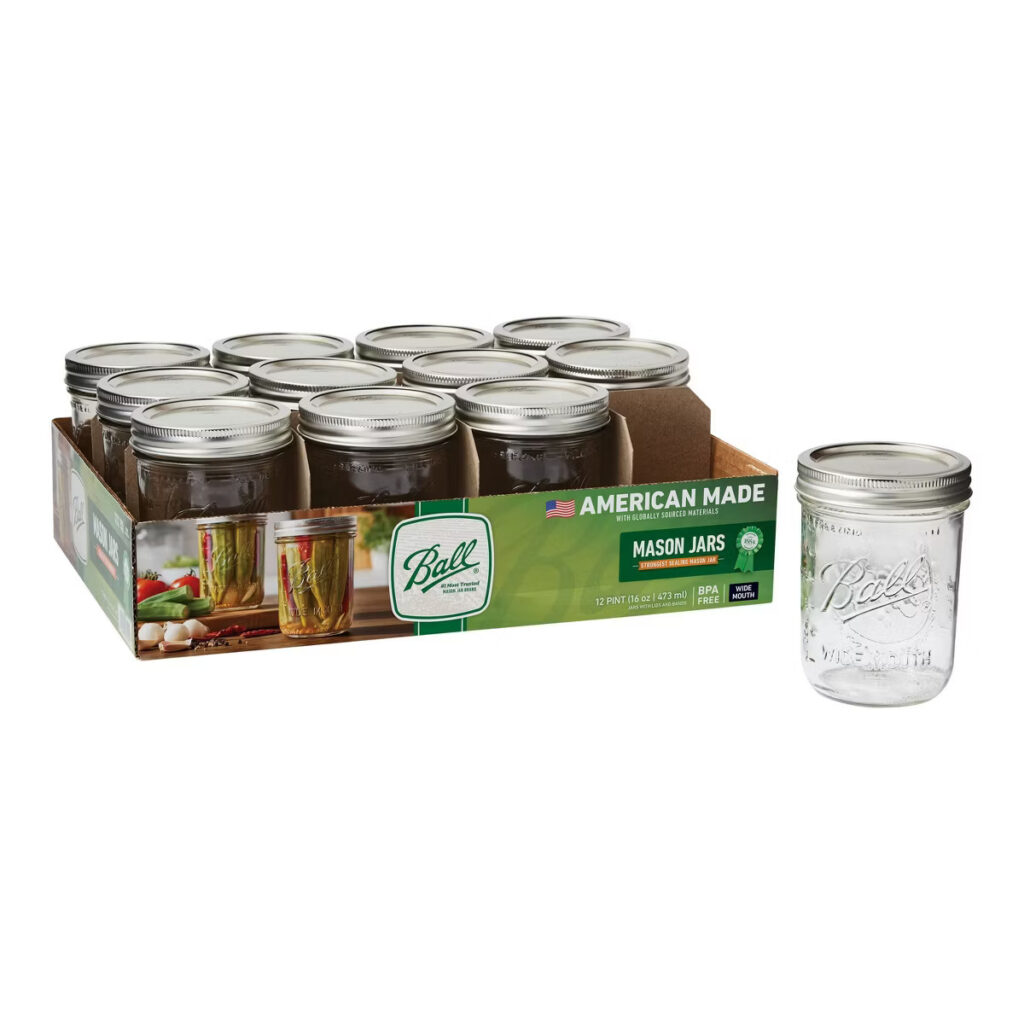
Mason jars are another homestead favorite. They work well for storing dry goods, sauces, homemade dressings, fermented foods, and countless pantry staples. For a simple swap away from plastic food storage, Ball 16-Ounce Wide-Mouth Mason Jars are a practical choice. The reusable glass jars are BPA-free and can be used for food storage, pantry organization, canning, preserving, and even serving drinks. They are also dishwasher-safe, making them easy to use again and again. Choosing durable glass containers can help reduce your reliance on disposable food-storage products while keeping food in a material many people prefer over plastic.
Of course, glass isn’t perfect for every situation. It is heavier than plastic and can break if dropped. For travel, children’s lunches, or outdoor use, plastic may still be the most practical option. The goal is not perfection. The goal is simply making thoughtful choices where they make sense.
Invest in Better Cookware One Piece at a Time
Cookware can be one of the more expensive kitchen categories to upgrade, so I recommend taking a piece-by-piece approach. Instead of buying an expensive matching set, start by replacing the pieces you use most often.
Popular cookware materials include cast iron, stainless steel, carbon steel, enameled cast iron, and ceramic cookware. Each has its own advantages and drawbacks, so the best choice depends on how you cook and what you use most.
Cast Iron
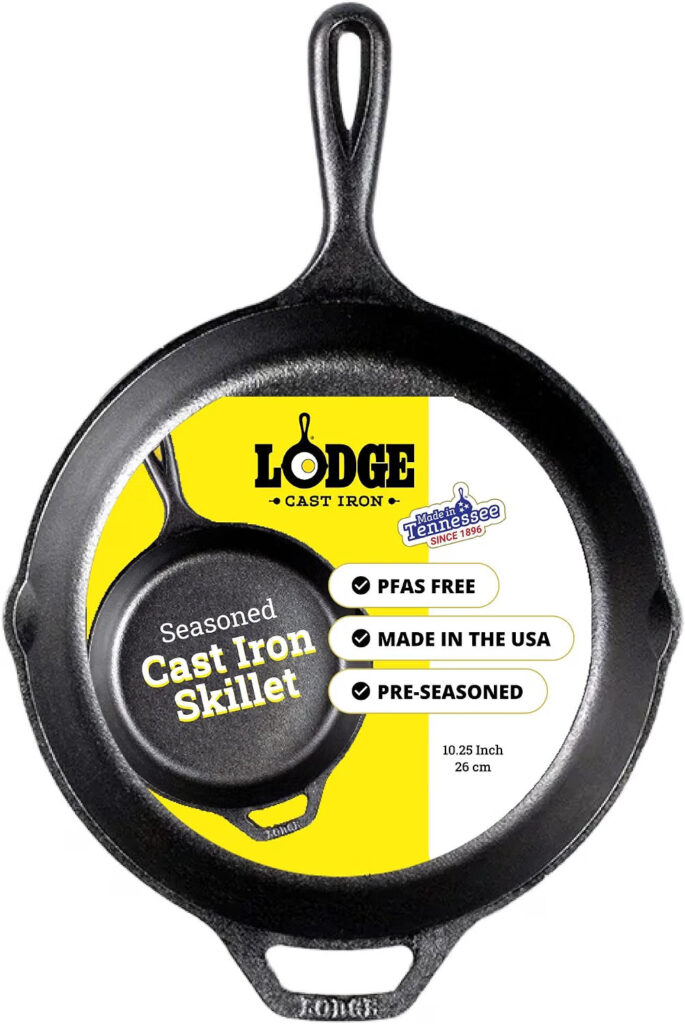
Cast iron offers excellent heat retention and, with proper care, can last for generations. Several American-made brands are also available. Lodge Cast Iron is a popular option at a more affordable price point. Stainless steel is durable, versatile, and easy to use for a wide range of dishes.
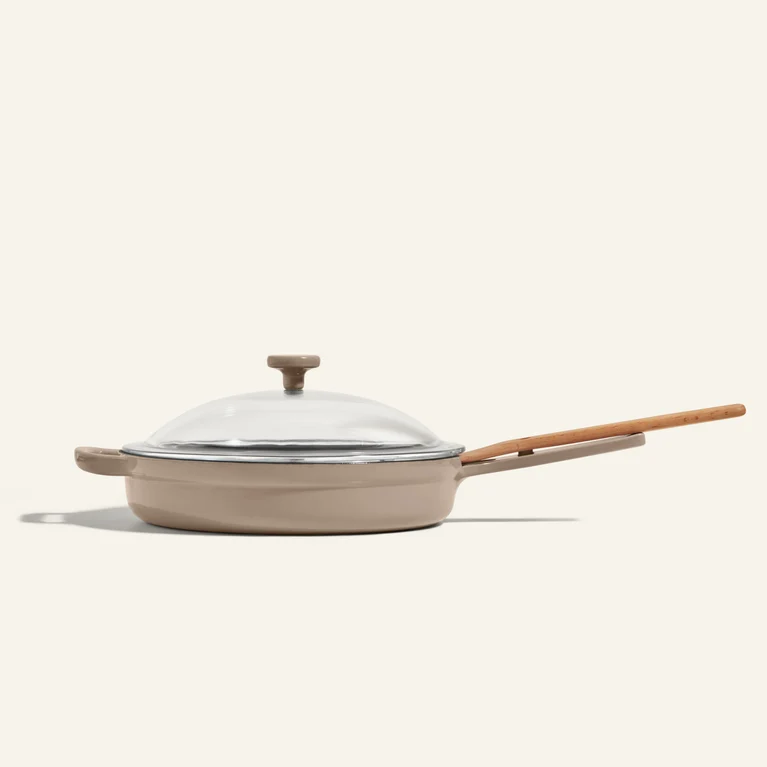
The Our Place Cast Iron Always Pan is a versatile option if you are replacing traditional nonstick cookware. It is made from durable enameled cast iron, so it does not require the seasoning that traditional cast iron does. The 10.5-inch pan can grill, sear, sauté, braise, roast, bake, broil, and serve. It also includes a glass lid, beechwood spatula, and silicone hot grips. The pan works on all cooktops, including induction, and is oven-safe up to 500°F without the lid. Enameled cast iron offers the durability of cast iron with easier maintenance, although it is typically heavier and more expensive.
Carbon Steel
Carbon steel cookware is a durable option for a lower-tox kitchen, especially if you want to move away from traditional nonstick coatings. It can handle high heat, works well for searing and frying, and is lighter than cast iron. With proper seasoning, carbon steel develops a naturally slick cooking surface that can become easier to use over time. However, it does require some care. You need to season the pan, dry it thoroughly after washing, and avoid leaving it wet because it can rust. Acidic foods like tomatoes and vinegar can also affect the seasoning, particularly with newer pans. Carbon steel is generally not dishwasher-friendly, but with proper care, a quality pan can last for many years.
Ceramic Cookware
Ceramic cookware can be another option if you are trying to move away from traditional nonstick cookware. True ceramic cookware is made from ceramic material, while ceramic-coated cookware typically has a metal base with a ceramic-based nonstick coating. Quality ceramic-coated cookware can provide a naturally slick cooking surface without traditional PTFE-based nonstick coatings. However, ceramic coatings can wear over time, so proper care and avoiding metal utensils can help extend their lifespan.
Before investing in new cookware, think about what you actually cook and which pieces you reach for most often. A high-quality skillet that you use several times a week is likely a better investment than a large cookware set that spends most of its time sitting in a cabinet.
Replace Worn Plastic Utensils with Wood or Stainless Steel
Cooking utensils are often one of the simplest and most affordable kitchen swaps. As our plastic utensils become cracked, melted, stained, or worn, we’ve gradually replaced them with wooden or stainless steel alternatives.
Wooden spoons and spatulas are comfortable to use and gentle on cookware surfaces. Stainless steel utensils are durable and work well for heavier tasks that require extra strength.
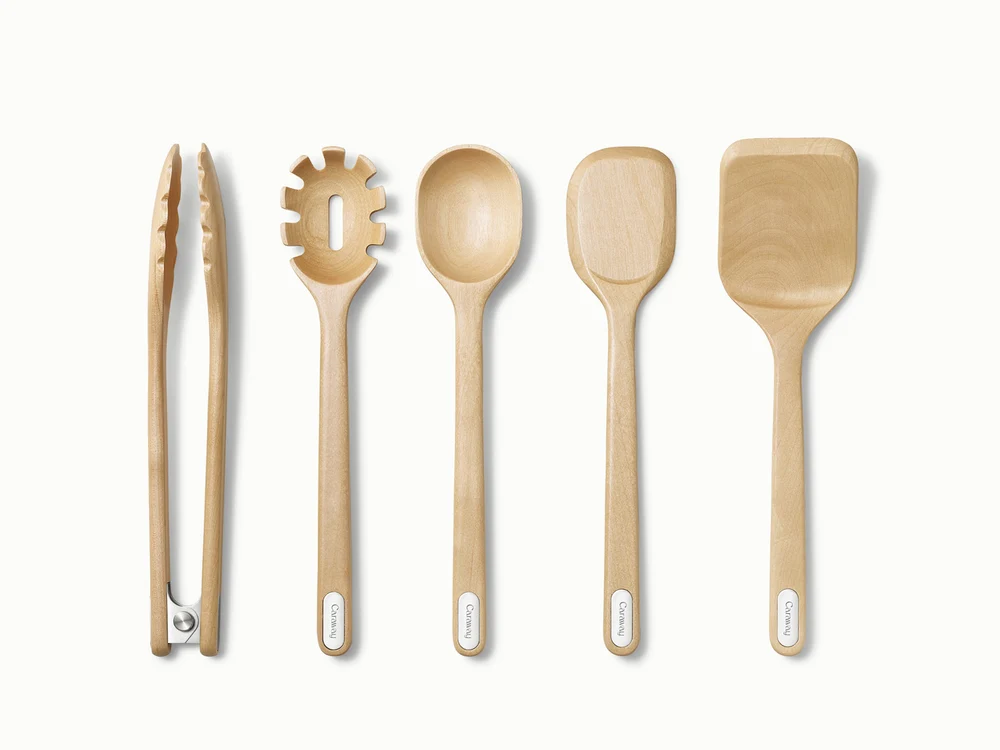
Replace plastic cooking utensils with the Caraway Wooden Utensil Set, made from FSC-certified birch wood. The five-piece set includes a spoon, server, scraper, spatula, and tongs, all designed without plastic, BPA, phthalates, formaldehyde, VOCs, or heavy metals. Because the wood is responsibly sourced and the utensils are designed for long-term use, they offer a more sustainable, lower-plastic option for everyday cooking.
The good news is that you don’t need dozens of specialty tools. A handful of well-made, frequently used utensils can handle most kitchen tasks.
Choosing the Right Cutting Board

Few kitchen items spark as much discussion as the humble cutting board. If you’ve spent any time researching non-toxic kitchen swaps, you’ve probably encountered plenty of conflicting opinions about which material is best. While every family has different preferences, I’ve found that a quality wooden cutting board remains one of the most practical and dependable choices for everyday food preparation.
A natural olive wood cutting board adds beauty and function to your kitchen without relying on synthetic materials. Sustainable Haus Natural Olive Wood Cutting & Charcuterie Boards are made from a naturally durable hardwood, making them a long-lasting choice for food preparation and entertaining. Choosing durable kitchen pieces that can be used for years is one simple way to reduce the need for frequent replacements.
Wood cutting boards are a durable, natural choice for the kitchen and can last for years with proper care. They are gentle on knives and work well for everything from chopping vegetables to preparing bread and meals. For food safety, many people use separate boards for produce and raw meat and clean and dry them thoroughly between uses. Choose a board that fits your space, avoid soaking it in water, and allow it to dry completely after washing. With regular care, a quality wooden cutting board can be a long-lasting kitchen essential.
Don’t Overlook Mixing Bowls and Measuring Tools
Mixing bowls don’t get much attention, but they’re among the hardest-working items in many kitchens.
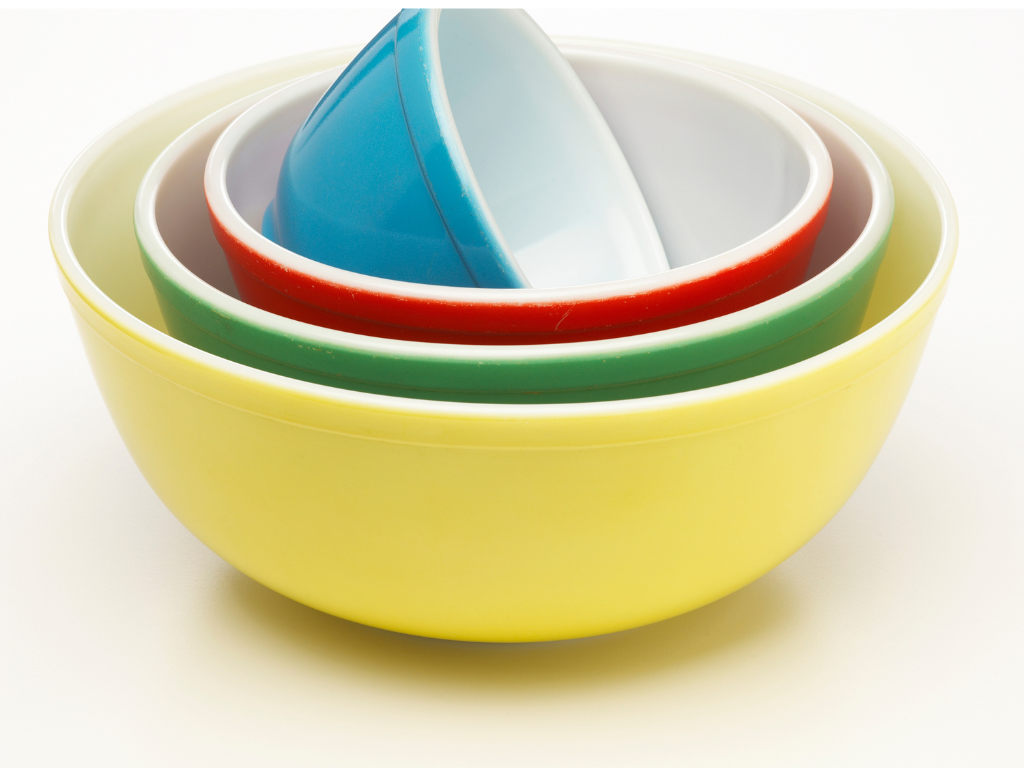
Glass, stainless steel, and ceramic bowls can all be excellent choices.
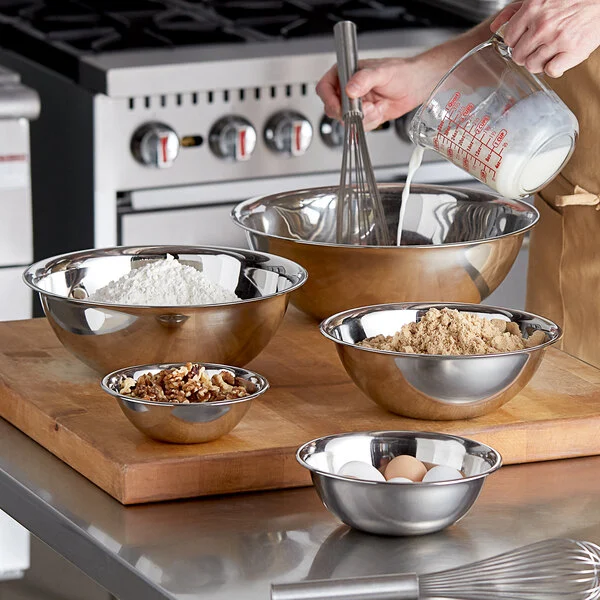
For a lower-tox kitchen, Vollrath’s 5-Piece Stainless Steel Mixing Bowl Set is a durable alternative to plastic mixing bowls. The set includes five nesting bowls ranging from ¾ to 8 quarts, all made from stainless steel with no nonstick coating. They are dishwasher-safe, heat-resistant, and designed to withstand everyday use without warping easily. Stainless steel is also a long-lasting material, making these a practical choice if you want kitchen tools that can stay in your home for many years.
Glass Bowls
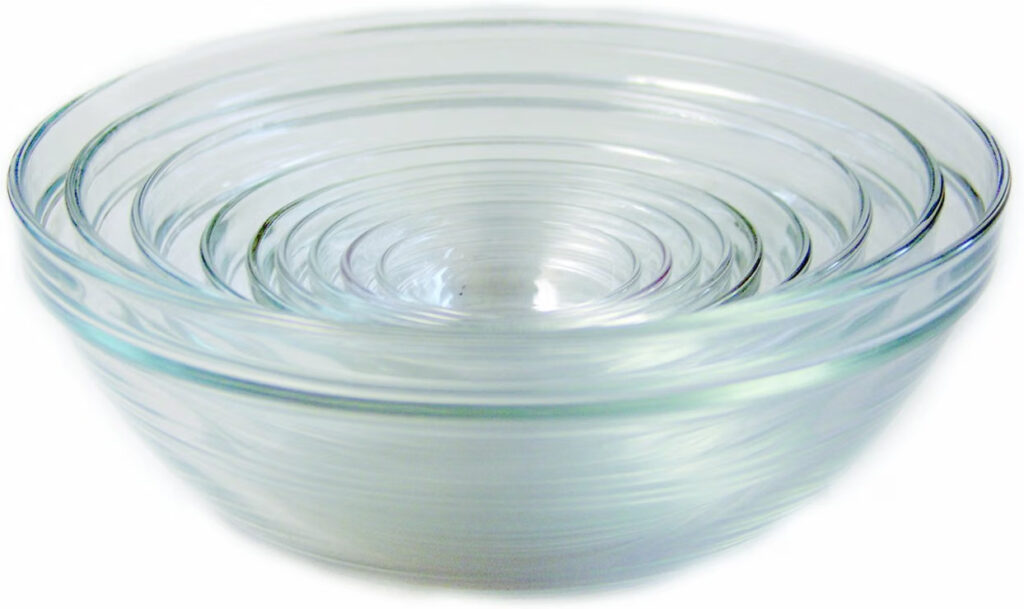
Glass bowls allow you to see ingredients clearly and often work well for food preparation and serving. The Duralex Lys 9-Piece Glass Mixing Bowl Set is a great alternative to plastic mixing bowls. Made from tempered glass in France, the set includes nine nesting bowls ranging from 1 ounce to 2½ quarts. The non-porous glass does not absorb food odors, colors, or flavors, and the bowls are dishwasher-, microwave-, and refrigerator-safe. Their durable design and space-saving nesting also make them a practical choice for a kitchen you want to use for years.
Ceramic Bowls and Measuring Non-Toxic Kitchen Swaps
Ceramic bowls add beauty to the kitchen but are generally heavier. These bowls can be a good choice for a lower-tox kitchen because they provide a durable, reusable alternative to plastic. Food-safe glazed ceramic is smooth, easy to clean, and does not require a nonstick coating, making it useful for mixing, serving, and storing food. Quality ceramic bowls can last for years with proper care, helping reduce waste and the need to replace kitchen items frequently. When shopping, look for food-safe ceramics and check that the manufacturer addresses lead and cadmium safety.
Likewise, measuring cups and spoons are simple swaps that can last for decades. Stainless steel measuring tools are known for their durability and easy maintenance, while glass liquid measuring cups provide clear markings for cooking and baking.
There’s no need to replace working measuring tools immediately. Simply keep these materials in mind when it’s time for a replacement.
Non-Toxic Kitchen Swaps-Add Reusable Cotton Kitchen Towels
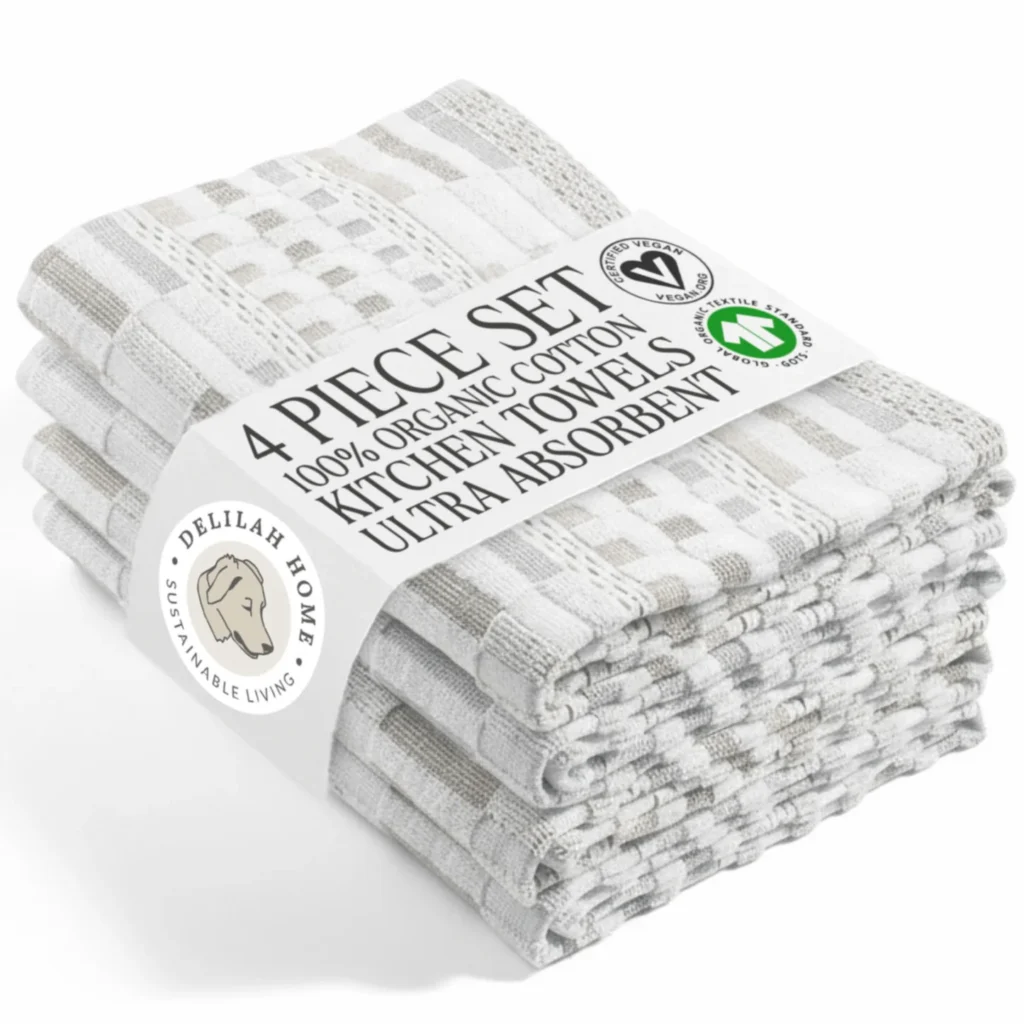
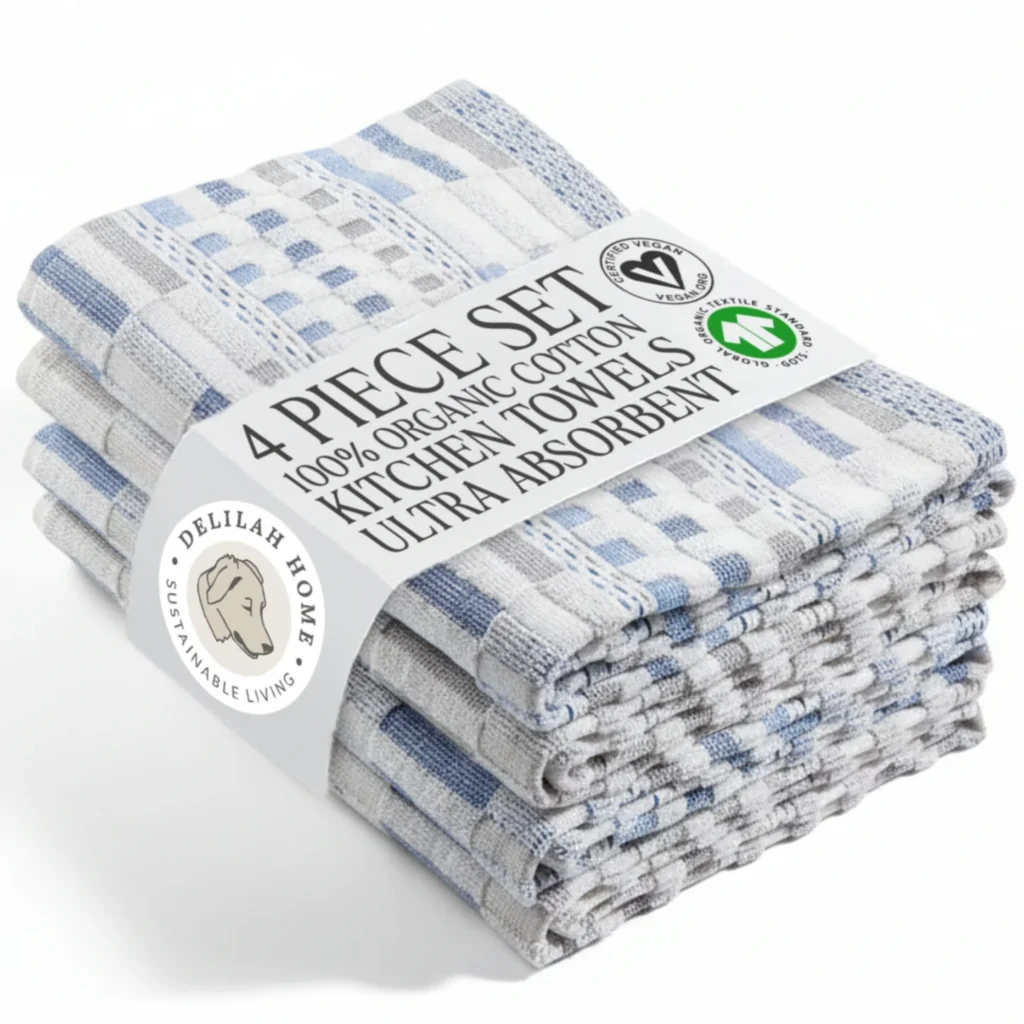
Swap out synthetic kitchen towels for Delilah Home 100% Organic Cotton Kitchen Towels, made with GOTS-certified organic Turkish cotton. The four-piece set is made to be highly absorbent and durable for drying dishes, wiping counters, and everyday kitchen messes. Choosing reusable organic cotton towels can also help reduce your reliance on disposable paper towels and synthetic microfiber cloths.
Sometimes the smallest changes have the biggest impact. Cotton kitchen towels are versatile, reusable, and well-suited for everyday homestead tasks. They can dry dishes, cover rising bread dough, line baskets, wipe spills, and reduce the need for disposable paper products.
Flour-sack towels are especially useful because they are lightweight, absorbent, and dry quickly. Keep separate towels for drying dishes and cleaning surfaces, wash them regularly, and allow damp towels to dry properly between uses.
Bring in More Natural Non-Toxic Kitchen Swaps
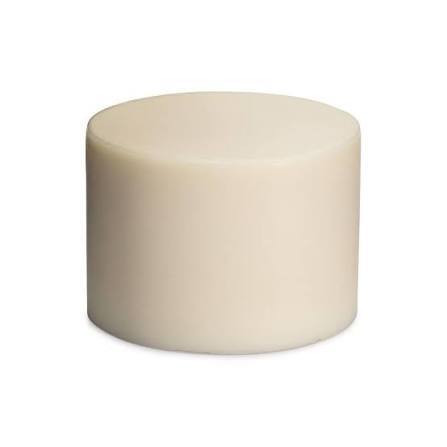
Kaaterskill Market Solid Dish Soap is an easy way to eliminate another plastic bottle from your kitchen. The 7-ounce bar is vegan, cruelty-free, MADE SAFE Certified, dye-free, preservative-free, and palm-oil-free. It uses vegetable-based soap, organic coconut and sunflower oils, and organic lemon peel oil. The solid format also means you can use the soap without bringing home another liquid dish soap bottle.
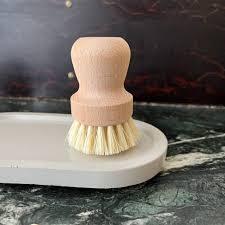
A reusable Kaaterskill Market Cup Brush can replace disposable sponges and help create a more natural dishwashing setup. Choosing a durable brush made for repeated use is a simple way to cut down on the number of cleaning tools you throw away. Pair it with a solid dish soap bar for an easy plastic-reducing kitchen swap.
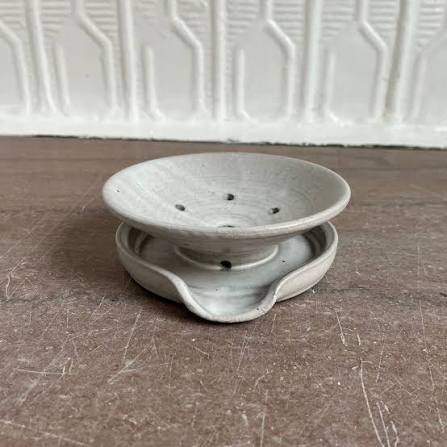
The Kaaterskill Market Draining Ceramic Soap Dish is a beautiful alternative to keeping liquid soap bottles around the sink. Handmade in Catskill, New York, the ceramic dish has drainage holes that allow water to flow into a lower dish and out through a spout. It is especially useful with solid dish soap because it helps the bar stay dry between uses and can extend its life.
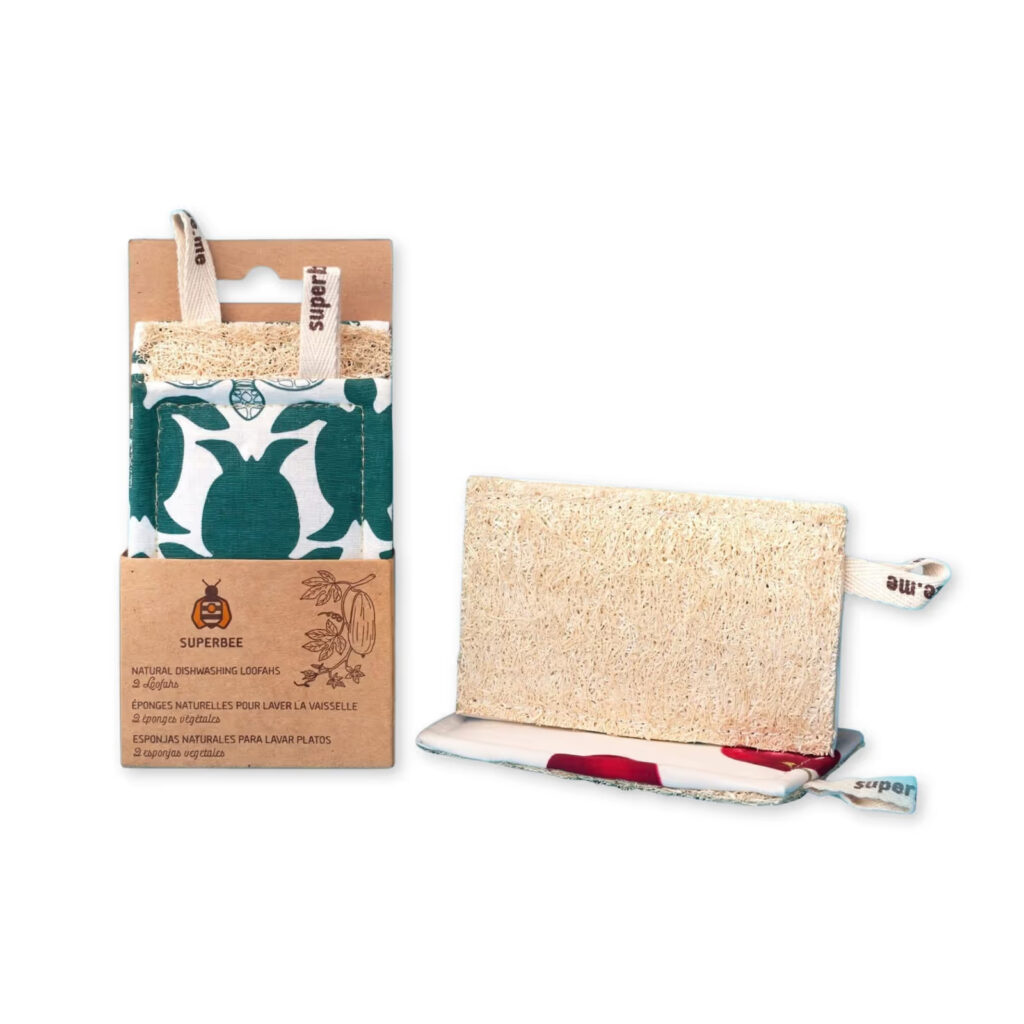
If you are replacing plastic kitchen sponges, the SuperBee Natural Dish Scrubber is a simple lower-waste option. It is made from 100% natural loofah with a GOTS-certified organic cotton backing. The two scrubbers are biodegradable and home compostable, giving you a plant-based alternative for everyday dishwashing. They can be used on dishes, pots, and pans and are designed to be tough on food and grease while being gentle on cookware.
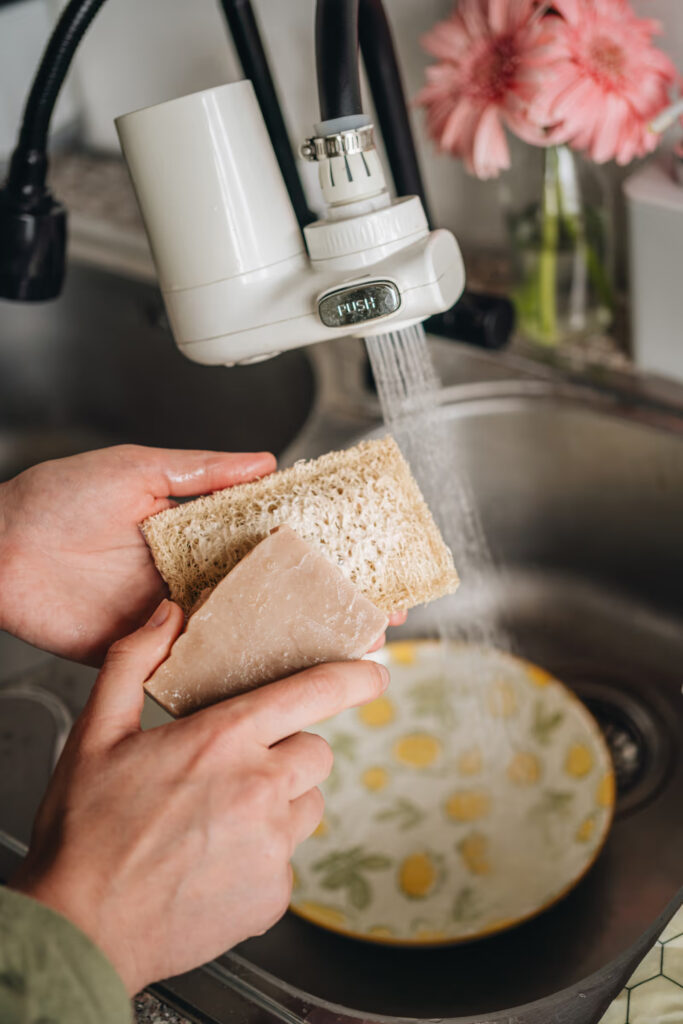
Pair the scrubber with the SuperBee Dishwashing Soap Bar for a plastic-free dishwashing routine. The concentrated bar is designed to cut through grease and food residue while creating a rich lather. It is made with organic coconut oil, clove powder, cinnamon powder, and sodium hydroxide. Simply wet your scrubber, rub it over the bar, and wash your dishes as usual. The solid format also eliminates the need for a plastic bottle of liquid dish soap.
Common Mistakes to Avoid When Making Non-Toxic Kitchen Swaps
One of the biggest mistakes people make when creating a safer kitchen is trying to replace everything at once. That can get expensive and create unnecessary waste. Instead, make changes slowly. Replace items as they wear out or when you find a better option that fits your needs.
Another mistake is assuming that products labeled “natural,” “green,” or “non-toxic” are automatically better. These labels do not always tell you everything about a product. Look at the materials, coatings, care instructions, durability, and how long the product is expected to last before buying.
You also do not need to buy matching sets. While they may look nice, sets often include pieces you will rarely use. Buy the individual items you actually need and will use regularly.
Finally, take care of the products you already have. Even quality kitchen tools can wear out quickly if they are not cleaned, stored, or used properly. Taking good care of them helps them last longer, saves money, and reduces waste.
Start with Small Non-Toxic Kitchen Swaps
Creating a healthier kitchen doesn’t happen in a weekend. It happens through small, intentional choices made over time.
Replace a damaged utensil with a wooden one. Add a glass storage container to your collection. Invest in a sturdy cutting board when your current one wears out. Purchase one quality skillet you know you’ll use for years.
Those little decisions add up.
One of the things I love most about homesteading is that it rarely requires dramatic changes. Instead, it encourages us to make thoughtful improvements, learn practical skills, and use what we already have wisely.
If you’re beginning your healthy home journey, start with one drawer, one cabinet, or one worn-out item. Small, consistent steps are often the most sustainable path forward, and before long you’ll have a kitchen filled with tools that serve your family well and reflect the values that matter most to you.
This article is part of our Healthy Home Series. Be sure to explore our related guides, including The Ultimate Guide to Creating a Non-Toxic Home, Non-Toxic Bedroom Swaps, Non-Toxic Bathroom Swaps, Non-Toxic Laundry Room Swaps, Best Non-Toxic Cookware, and Glass vs. Plastic Food Storage. You don’t have to do everything at once. Choose one change that makes sense for your home and begin there.
-
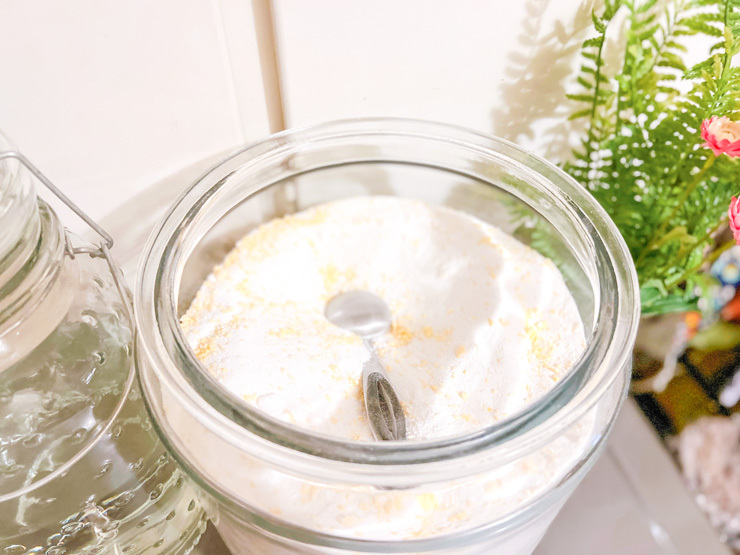
Best Non Toxic Laundry Detergent (Homemade)
Do you want to do something innovative for your laundry routine? Are you interested in creating a non-toxic solution that is cost effective and good for the environment? Homemade non-toxic detergent might be just the answer. Making your own batch help insure you have one of the best non-toxic laundry detergent blends for your family….
-
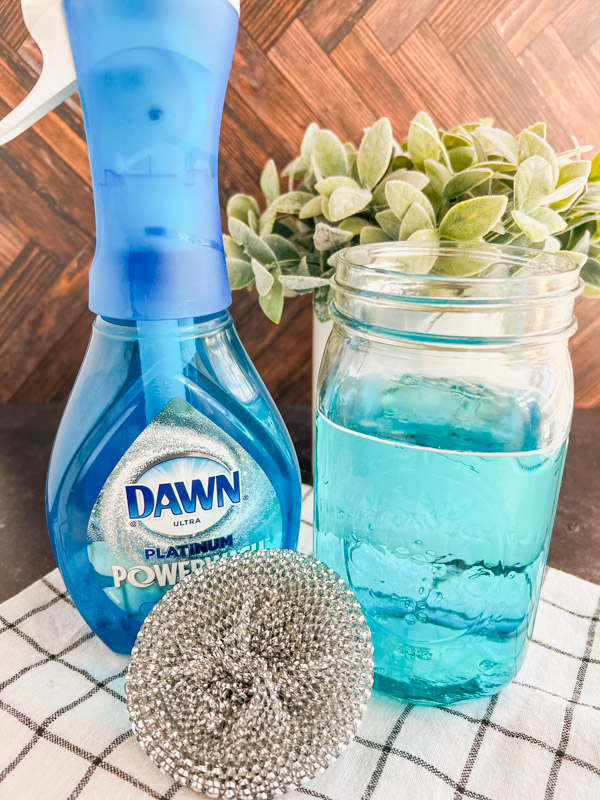
Dawn Powerwash Ingredients: Homemade Dawn Powerwash
We all went crazy when we discovered that we found out that foaming handsoap was just regular old hand soap and water. Well I’m about to blow your mind even further and unlock the secret behind homemade Dawn Powerwash! Unleash the power of your own Dawn Powerwash refill and save money with this easy DIY…
-
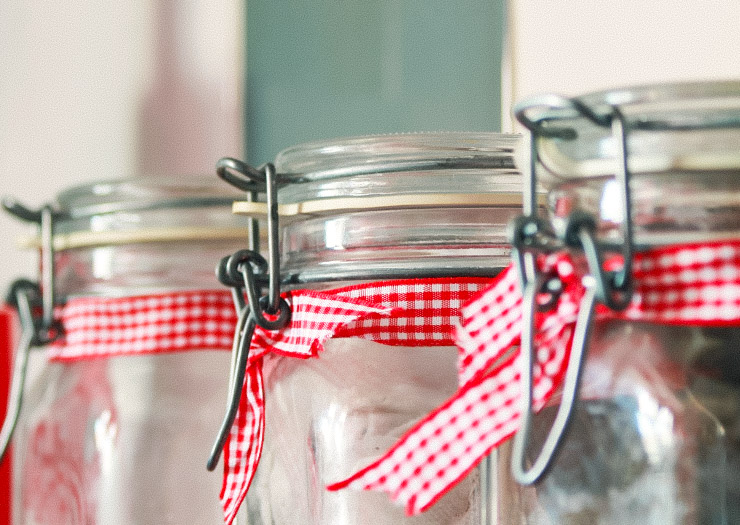
Mason Jar Christmas Recipes With Free Printable Gift Tags
Get creative this Christmas with these festive Mason jar recipes and ideas. From tasty treats to charming decor, you won’t want to miss out!
-
How to Use an Entire Lemon (Without Waste)
Discover ingenious ways to utilize every part of a lemon with our comprehensive guide. From zesty lemon zest to refreshing lemon juice.
-
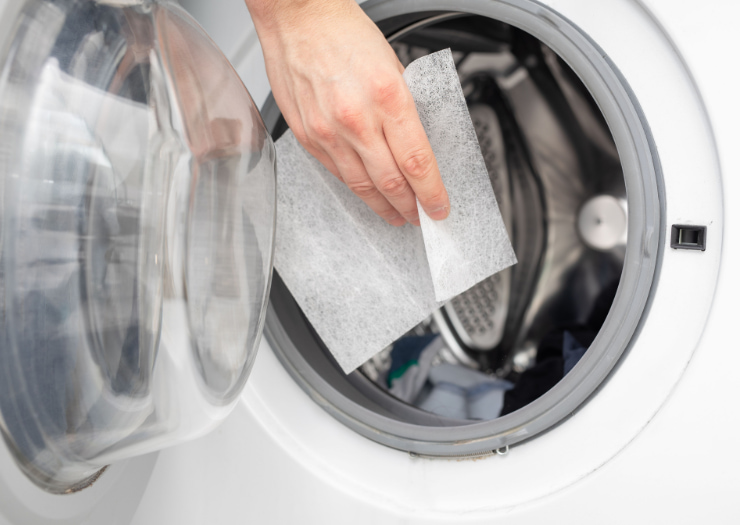
Does Fabric Softener Cause Cancer and Natural Alternatives
Does fabric softener cause cancer? Discover the risks and explore natural alternatives for a healthier, chemical-free laundry routine.
-
Non Toxic Wood Cleaner
I’ve been thinking a lot about non-toxic wood cleaners lately and how they can really transform the way we maintain our wooden surfaces. It’s fascinating to see how these products, often made from natural ingredients, not only clean effectively but also keep our homes safe from harsh chemicals. I’ve tried various brands and even experimented…