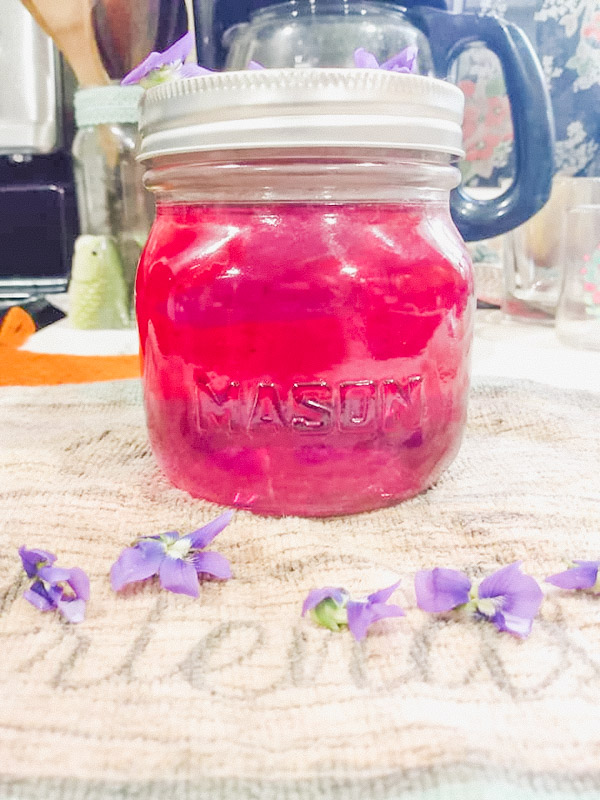
How to Make Homemade Vegetable Stock (Using Veggie Scraps)
Vegetable stock is one of the easiest and most budget-friendly recipes you can make at home. Throw some veggies, herbs, spices, and water in a pot and let it simmer to perfection. It makes the house smell amazing and gives your soups, stews, and sauces a rich, homemade flavor boost. This is second to my husbands homemade chicken stock.


Ingredients
- 1 gallon water
- 1 head celery
- 2 medium yellow onions
- 5 medium carrots
- 1 head garlic
- 12 sprigs thyme
- 4 sprigs rosemary
- 3 sprigs sage
- 5 bay leaves
- 2 tablespoons whole peppercorns
- 1 teaspoon salt (optional)
Items Needed


Directions
- Wash all vegetables thoroughly.
- Cut the celery into 3-inch pieces, including the leaves and root ends. Add to the stock pot.
- Quarter the carrots and onions. Leave the skin and roots on the carrots. Remove the onion roots but leave the skin on. Add to the pot.
- Slice the garlic head in half horizontally so all cloves are halved. Add both halves, unpeeled, to the pot.
- Add herbs and spices whole to the pot.
- Pour in 1 gallon of water.
- Bring to a boil, then reduce to low/medium-low and simmer uncovered for 1 hour.
- Remove large vegetable pieces with tongs or a slotted spoon.
- Pour the remaining stock through a mesh strainer into a heat-safe bowl or large measuring cup.
- Carefully fill mason jars with the hot stock.
- Let cool on the counter for about 2 hours until room temperature. Retighten lids and place in the fridge.
- Download our free printable recipe card for homemade vegetable stock.

What Kind of Veggie Scraps to Use for Stock?
Homemade vegetable stock is a great way to use up leftover produce. Keep a freezer bag or container where you can collect scraps like:
- Onion skins (not moldy or slimy)
- Carrot peels and ends
- Celery tops and bottoms
- Garlic peels and ends
- Herb stems (parsley, thyme, rosemary, etc.)
- Mushroom stems
- Corn cobs
- Tomato tops and cores (small amounts)
The key is to use clean, fresh scraps—not anything rotting or slimy.

What Not to Put in Homemade Vegetable Stock
Not all scraps are good for stock. Avoid these to keep your stock from becoming bitter or cloudy:
- Cruciferous vegetables like broccoli, cauliflower, cabbage, and Brussels sprouts
- Potato peels (can make the stock starchy and cloudy)
- Beets (will color the stock red)
- Zucchini or squash skins (can turn mushy and bitter)
- Overly strong herbs like cilantro
- Rotten, moldy, or slimy produce
Tips
- Store in the fridge for up to 2 months. If a jar is opened, use within 2 weeks.
- For longer shelf life, freeze the stock in freezer-safe containers for up to 3 months.
- You can also water bath can the stock for pantry storage.
- Leaving the stock unsalted allows you to control seasoning later when cooking.
- Using the whole vegetable—including skins, stems, and ends—adds more depth to your stock’s flavor and nutrients.
Making your own vegetable stock is not only practical but also a great way to reduce food waste and stretch your grocery budget. Give it a try and elevate your homemade meals with deep, savory flavor.

Homemade Vegetable Stock (Using Veggie Scraps)
Delicious Homemade Vegetable Stock
Ingredients
- 1 gallon water
- 1 head celery
- 2 medium yellow onions
- 5 medium carrots
- 1 head garlic
- 12 sprigs thyme
- 4 sprigs rosemary
- 3 sprigs sage
- 5 bay leaves
- 2 tablespoons whole peppercorns
- 1 teaspoon salt (optional)
Instructions
- Wash all vegetables thoroughly.
- Cut the celery into 3-inch pieces, including the leaves and root ends. Add to the stock pot.
- Quarter the carrots and onions. Leave the skin and roots on the carrots. Remove the onion roots but leave the skin on. Add to the pot.
- Slice the garlic head in half horizontally so all cloves are halved. Add both halves, unpeeled, to the pot.
- Add herbs and spices whole to the pot.
- Pour in 1 gallon of water.
- Bring to a boil, then reduce to low/medium-low and simmer uncovered for 1 hour.
- Remove large vegetable pieces with tongs or a slotted spoon.
- Pour the remaining stock through a mesh strainer into a heat-safe bowl or large measuring cup.
- Carefully fill mason jars with the hot stock.
- Let cool on the counter for about 2 hours until room temperature. Retighten lids and place in the fridge.
Water Bath Canning Method (Only if Stock is High in Acid or Acidified)
Note: Water bath canning is not recommended for plain vegetable stock unless it has been acidified with vinegar, lemon juice, or tomatoes (and tested to ensure a safe pH below 4.6). For plain unsalted vegetable stock like this one, pressure canning is the safest method.
Pressure Canning Instructions (Recommended)
What You’ll Need:
- Pressure canner
- Sterilized canning jars (pint or quart)
- Lids and rings
- Jar lifter and canning funnel
- Clean towel
Step-by-Step Pressure Canning:
- Prepare Your Jars:
Wash jars, lids, and rings with hot, soapy water. Rinse well. Keep jars warm until ready to use to prevent breakage when filling with hot stock. - Fill the Jars:
Pour hot, strained vegetable stock into jars, leaving 1-inch headspace at the top. Wipe the rims with a clean, damp cloth to ensure a good seal. - Apply Lids and Rings:
Place lids on the jars and screw the rings on finger-tight—not overly tight. - Prepare Your Pressure Canner:
Add 2–3 inches of hot water to the bottom of the pressure canner. Place jars inside using a jar lifter. - Seal and Vent:
Lock the lid on the canner. Turn the heat to high. Allow steam to vent for 10 minutes before adding the weight or closing the valve. - Process the Jars:
Process pint jars for 30 minutes and quart jars for 35 minutes at 10 PSI (adjust for your altitude):- 0–1,000 ft: 10 PSI
- 1,001–2,000 ft: 11 PSI
- 2,001–4,000 ft: 12 PSI
- 4,001–6,000 ft: 13 PSI
- 6,001–8,000 ft: 14 PSI
- Cool Down:
Turn off heat and allow pressure to naturally return to zero. Do not remove the lid until pressure has fully released. - Remove and Cool Jars:
Carefully lift jars from the canner and place on a towel-lined counter. Let cool undisturbed for 12–24 hours. - Check Seals:
Press down on the center of each lid. If it doesn’t pop up, the jar is sealed. If it pops up and down, it did not seal and must be refrigerated and used within 7 days. - Label and Store:
Label jars with the date. Store in a cool, dark place for up to 1 year. Refrigerate after opening.
Final Notes:
- Do not try to water bath can plain vegetable stock unless it’s been tested and confirmed acidic.
- Always follow tested and trusted guidelines for pressure canning from sources like Ball or the National Center for Home Food Preservation.
Peppermint Muddy Buddies: Easy Christmas Treat Recipe
Peppermint Muddy Buddies are an easy Christmas treat with chocolate and peppermint that’s perfect for parties, gifts and snacking.