Homemade Thai Peanut Sauce Recipe (Better Than Takeout)
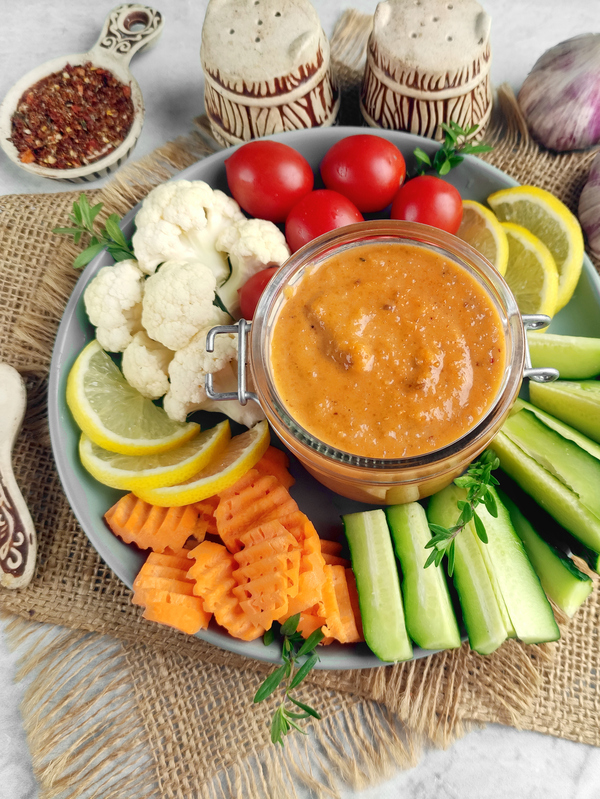
Thai Peanut Sauce
Thai peanut sauce is a simple recipe packed with bold flavor. It adds richness, creaminess, and a touch of heat to almost any meal. The balance of savory, sweet, and tangy flavors makes it especially memorable. Many people know it as satay sauce served with grilled chicken skewers. However, this versatile sauce pairs well with far more than grilled meats.
This sauce fits beautifully into a homestead kitchen because it relies on pantry staples and fresh ingredients rather than complicated techniques. In just a few minutes, you can create a homemade sauce that tastes fresh, vibrant, and customizable to your own preferences. Whether spooned over rice bowls, served as a dip for vegetables, or drizzled onto noodles, peanut sauce brings warmth and richness to nearly any dish.
Why Homemade Thai Peanut Sauce Is Worth Making
Store-bought sauces often contain preservatives, unnecessary additives, and overly sweet flavors that overpower the natural richness of the peanuts. Homemade peanut sauce allows you to control every ingredient while building a fresher, more balanced flavor profile. Roasting your own peanuts creates a deeper nutty flavor that gives the sauce a richer and more authentic taste.
The combination of peanuts, soy sauce, garlic, ginger, and citrus creates layers of flavor that work together beautifully. The peanuts provide creaminess and body, while soy sauce adds saltiness and depth. Lemon juice brightens the sauce and balances the richness, while garlic and ginger create a bold aromatic base that ties everything together.
One of the best aspects of this recipe is its flexibility. You can keep the sauce thick for dipping fresh vegetables or spring rolls, or thin it out slightly for a dressing or marinade. It adapts easily depending on how you plan to serve it, making it a reliable recipe to keep on hand.
Recipe: Thai Peanut Sauce
Serves: 4
Prep and Cook Time: 20 Minutes
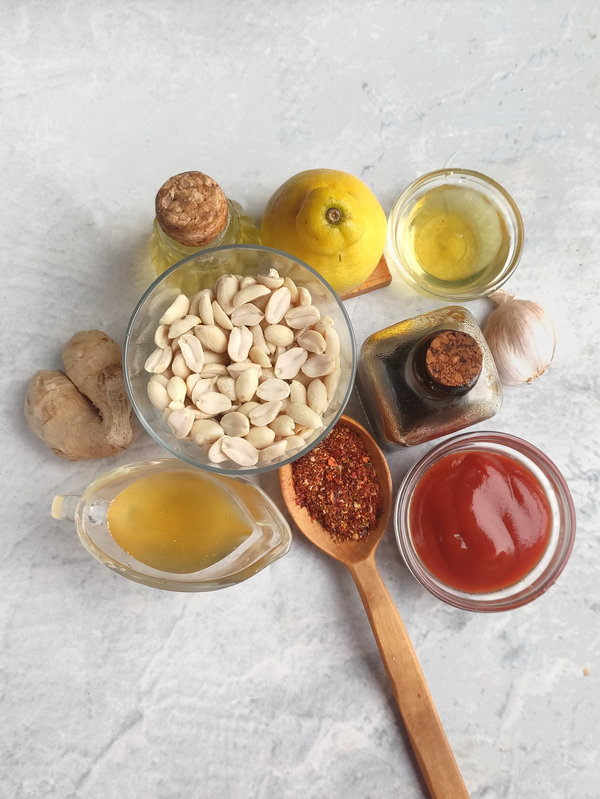
Ingredients
½ cup unsalted peanuts
2 tablespoons olive oil
2 tablespoons light soy sauce
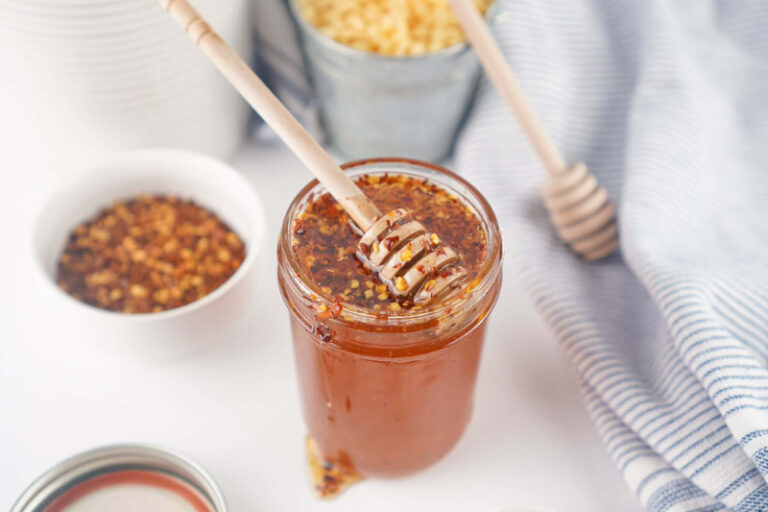
2 teaspoons honey or hot honey
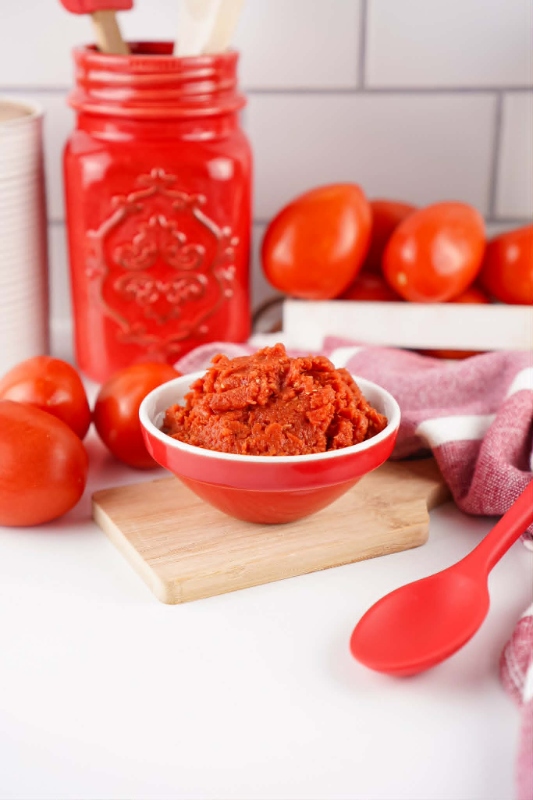
2 tablespoons tomato sauce
2–3 cloves garlic
1 small ginger root
½ tablespoon chili flakes
Juice of half a lemon
3–5 tablespoons water
Directions
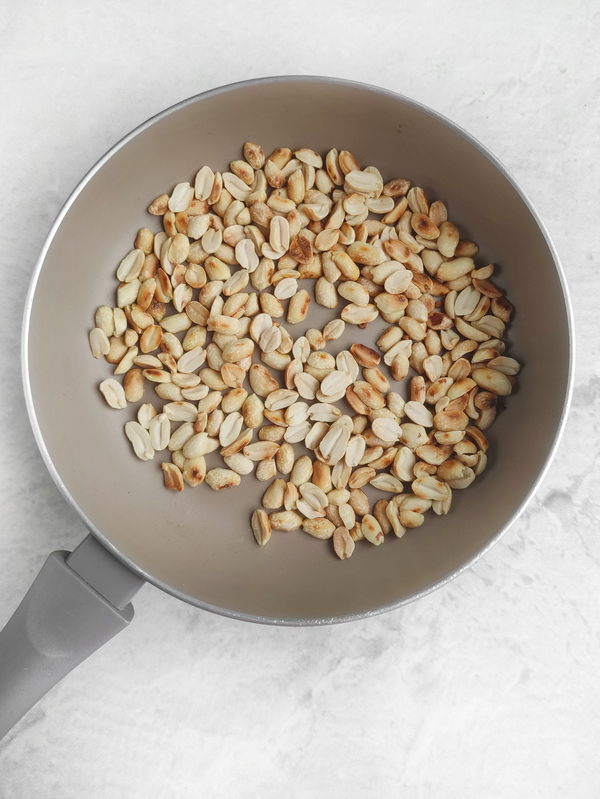
Start by placing the raw peanuts into a dry frying pan over medium heat. Stir them frequently as they toast to prevent burning. Continue cooking until the peanuts turn golden brown and release a warm, nutty aroma. Toasting the peanuts deepens their flavor and creates a richer final sauce.
Once toasted, remove the peanuts from the pan and let them cool to room temperature. This helps maintain a smooth sauce texture and prevents the heat from affecting the fresh ingredients during blending.
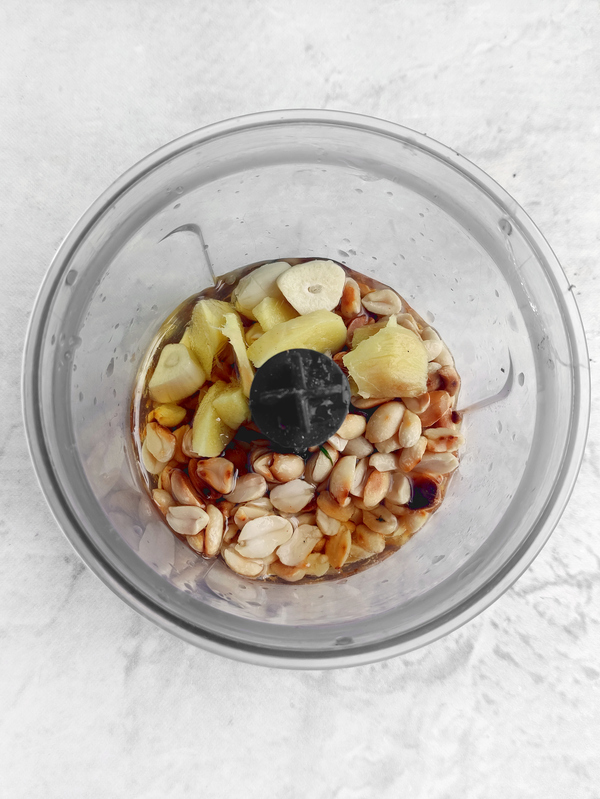
Add the cooled peanuts to a blender along with the olive oil, soy sauce, lemon juice, honey, peeled garlic cloves, and peeled ginger. Blend the mixture on high speed until smooth and creamy. Depending on your blender, you may need to pause occasionally and scrape down the sides to ensure everything blends evenly.
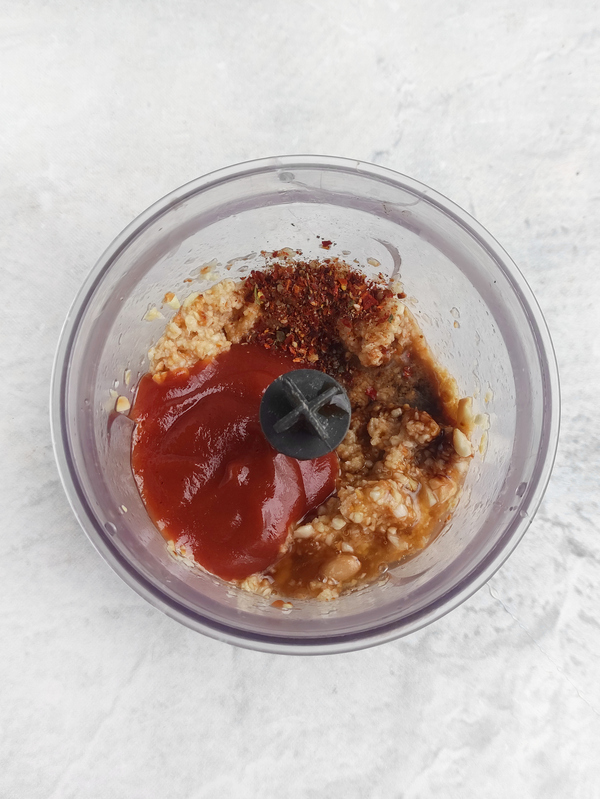
After the base becomes smooth, add the chili flakes and tomato sauce. Blend again briefly until fully combined. Slowly add water, one tablespoon at a time, until the sauce reaches your preferred consistency. For a thick dipping sauce, use less water. For a thinner dressing or marinade, add a bit more.
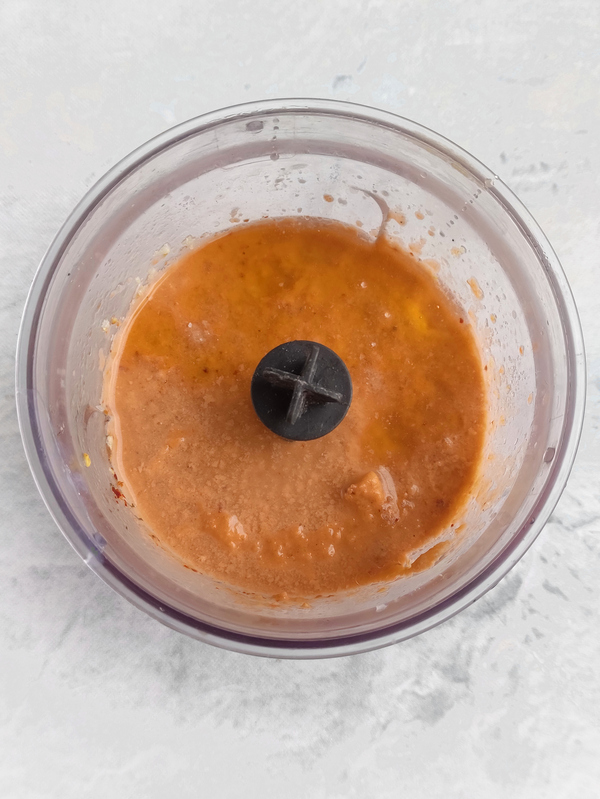
Taste the sauce once blended and adjust the flavor as needed. Add more honey if you prefer additional sweetness. Add more chili flakes for extra heat, lemon juice for brightness, or soy sauce for a deeper savory flavor. This step allows you to customize the sauce perfectly to your preferences.
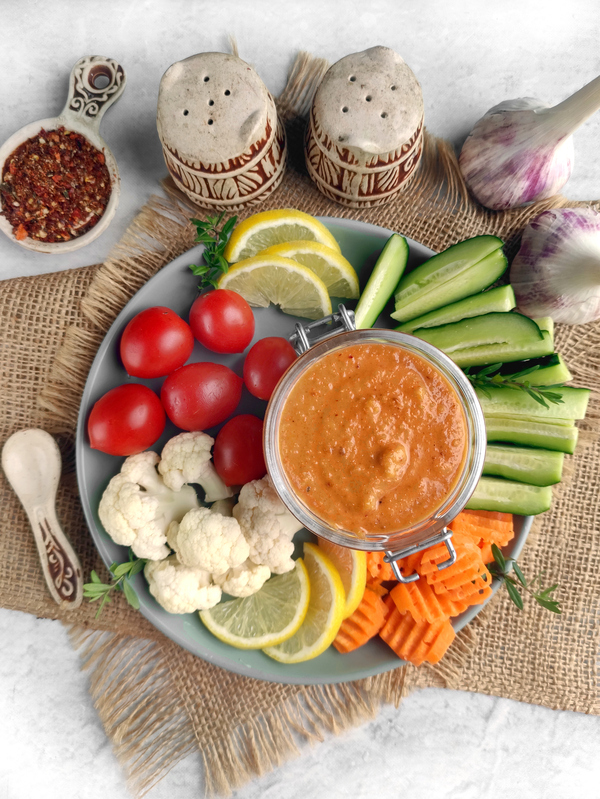
Serve the peanut sauce immediately with fresh vegetables, grilled meats, noodles, rice, or spring rolls.
Serving Ideas
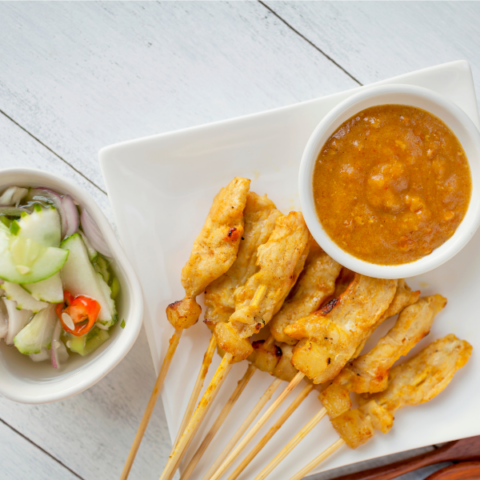
Thai peanut sauce works with an incredible variety of dishes. It pairs especially well with grilled chicken, beef skewers, shrimp, or crispy tofu. Drizzle it over rice bowls or stir it into noodles for an easy meal packed with flavor.
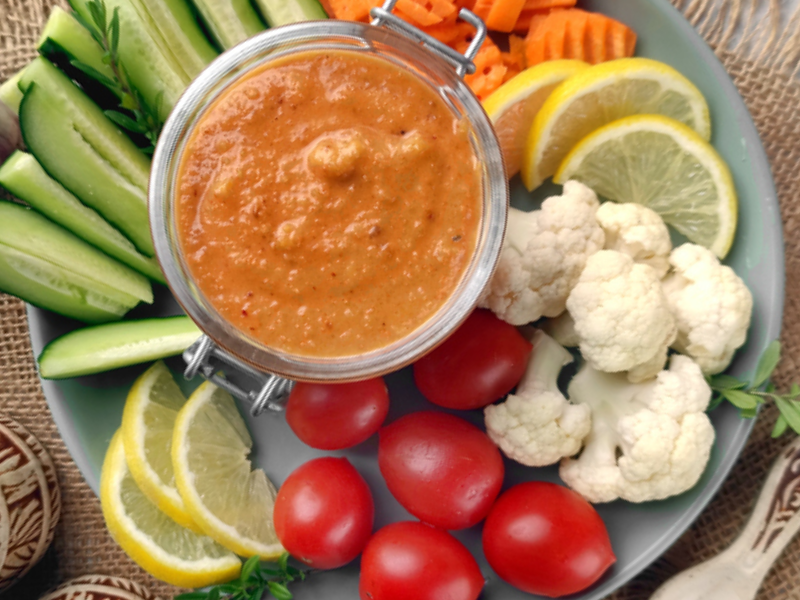
Fresh vegetables like cucumbers, carrots, and bell peppers pair well with the creamy sauce because of their crisp texture. The sauce also works well as a spread for sandwiches, wraps, and burgers, adding bold savory flavor.
For homesteaders, peanut sauce is an easy way to turn fresh garden vegetables into a flavorful snack or light meal.
Storage Tips
Homemade peanut sauce stores very well in the refrigerator. Place it in an airtight container and refrigerate for up to seven days. As the sauce chills, it may thicken slightly due to the natural oils in the peanuts.
Before serving leftovers, stir the sauce thoroughly. If needed, add a small splash of water to loosen the texture and restore its creamy consistency.
Freezing is possible, though fresh peanut sauce generally offers the best flavor and texture when enjoyed within the first week.
Tips for Best Results
Use high-quality peanuts and fresh ingredients whenever possible. Fresh garlic, ginger, and citrus juice create a noticeably brighter and more balanced flavor than dried alternatives.
Toast the peanuts over medium-low heat, stirring often to ensure they brown evenly and do not burn. Peanuts can go from perfectly toasted to scorched very quickly, especially once they begin releasing their oils. Even a small amount of burning can give the entire sauce a bitter, harsh flavor that overpowers the creamy, nutty balance of the peanut sauce. You’re aiming for a light golden color and a warm, fragrant aroma rather than dark brown spots or smoke. Once toasted, remove them from the pan promptly to stop the cooking process.
Adjust the consistency gradually. It’s easier to thin the sauce than to thicken it later, so add water slowly until you reach the desired texture.
For a stronger Asian-inspired flavor, tamari can replace light soy sauce. It creates a slightly deeper, richer taste while still maintaining balance.
Thai Peanut Sauce
Thai peanut sauce is a creamy, savory-sweet sauce made from peanuts, garlic, ginger, soy sauce, citrus, and chili. It is commonly used as a dip, dressing, or noodle sauce in Thai-inspired dishes.
Ingredients
- ½ cup unsalted peanuts
- 2 tablespoons olive oil
- 2 tablespoons light soy sauce
- 2 teaspoons honey or hot honey
- 2 tablespoons tomato sauce
- 2–3 cloves garlic
- 1 small ginger root
- ½ tablespoon chili flakes
- Juice of half a lemon
- 3–5 tablespoons water
Instructions
1. Place the raw peanuts in a dry frying pan and cook, stirring, until golden brown.
2. Cool the peanuts to room temperature and place in a blender. Pour in the olive oil, soy sauce, lemon juice, honey, and peeled garlic and ginger. Blend on high speed until smooth.
3. Add the chili pepper and tomato sauce. Gradually add water to achieve the desired consistency. You can make a thick sauce or a thinner dressing.
4. Taste and adjust the flavor. Use honey for sweetness, chili pepper for spiciness, lemon juice for sourness, and soy sauce for saltiness.
Serve the sauce with fresh vegetables and enjoy!
Notes
- Use high-quality ingredients for the best flavor and texture.
- Natural peanut butter without additives can be used, but freshly toasted peanuts will create a richer, more authentic sauce.
- Light soy sauce provides a milder flavor, while tamari creates a bolder, deeper Asian-inspired taste.
- Lemon juice adds brightness and acidity, but lime juice, rice vinegar, or apple cider vinegar also work well.
- Fresh garlic and ginger give the sauce the most vibrant flavor, though dried spices can be substituted if needed.
- For extra heat, add chili paste, Sriracha, or additional red pepper flakes.
- Adjust the consistency to fit your needs. Keep the sauce thick for dipping or thin it with water for dressings and marinades.
- This sauce comes together quickly and doesn't require any complicated cooking techniques.
Store leftover peanut sauce in an airtight container in the refrigerator for up to 7 days.
A Flavorful Homestead Favorite
Thai peanut sauce proves that homemade condiments can be both simple and incredibly satisfying. With a handful of pantry ingredients and a few fresh additions, you can create a sauce that feels restaurant-quality while still fitting naturally into a practical homestead kitchen.
Its versatility, bold flavor, and easy preparation make it a recipe worth keeping on repeat. Once you start making peanut sauce from scratch, it quickly becomes one of those dependable staples that adds excitement and richness to all kinds of homemade meals.
-
Cook | Drinks | Homemade Pantry | Recipe
How to Make Almond Milk at Home (Easy Guide)
How to Make Almond Milk at Home with simple ingredients, easy steps, and helpful tips for fresh, creamy homemade milk.
-
Baking | Cook | Desserts | Homemade Pantry
How to Make Homemade Chocolate Chips (Simple & Budget-Friendly)
Make homemade chocolate chips with simple ingredients and honey. Easy, natural, and perfect for baking. They are also cost effective.
-
How to Make Homemade Orange Marmalade from Scratch
Learn how to make orange marmalade from scratch with fresh citrus. Sweet, tangy, and perfect for toast or gifts.
-
How to Make Homemade Buttermilk (Perfect for Baking)
Learn how to make homemade buttermilk in minutes. A simple, perfect substitute for baking and everyday recipes.
-
Easy Homemade Hot Honey (3 Ingredients, Big Flavor)
Make homemade hot honey with just 2 ingredients. Sweet, spicy, and perfect for pizza, chicken, wellness and more.
-
Easy Rustic Homemade Tomato Paste (No Additives)
Make rustic homemade tomato paste with fresh tomatoes. No additives, rich flavor, and perfect for preserving your garden harvest.