How to Make Homemade Orange Marmalade from Scratch
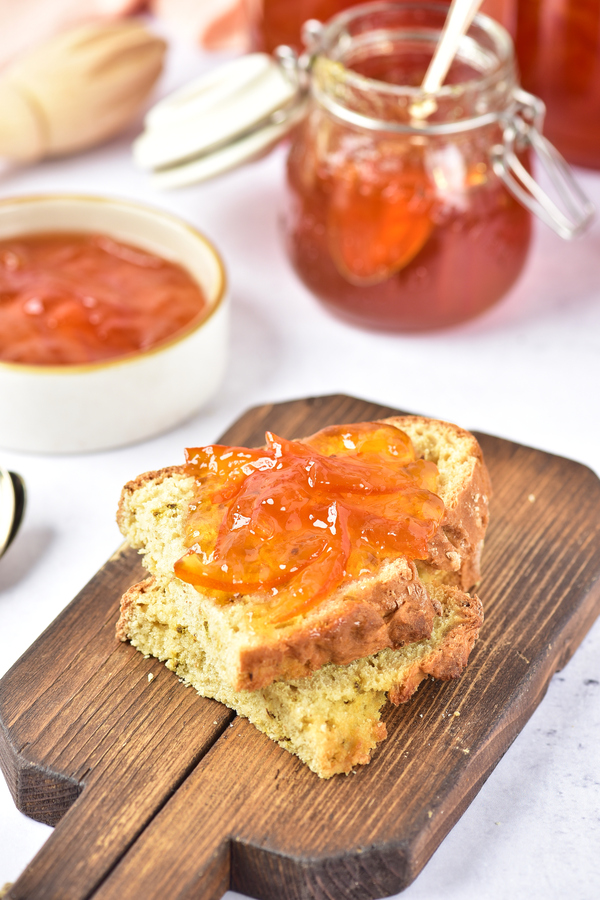
Orange marmalade is one of those timeless homestead preserves that transforms simple citrus into something rich, bright, and deeply comforting. With its balance of sweetness and slight bitterness, marmalade has a flavor that feels both refreshing and cozy at the same time. Spread over warm toast, spooned into baked goods, or paired with savory dishes, homemade marmalade brings a burst of citrus flavor to the table in a way store-bought versions rarely can. We have been traveling for 6 weeks in Europe and the UK and I have eaten more marmalade and jelly than I ever have before. I had forgotten how good it was. Follow our adventures on Facebook.
Making marmalade from scratch may seem intimidating at first because of the long cooking time and careful preparation, but the process itself is surprisingly simple. Most of the work comes from allowing the fruit to slowly cook and develop flavor naturally. For people who enjoy preserving seasonal ingredients, marmalade offers a rewarding way to stock the pantry with something beautiful, flavorful, and shelf-stable.
Why Homemade Orange Marmalade Is Worth Making
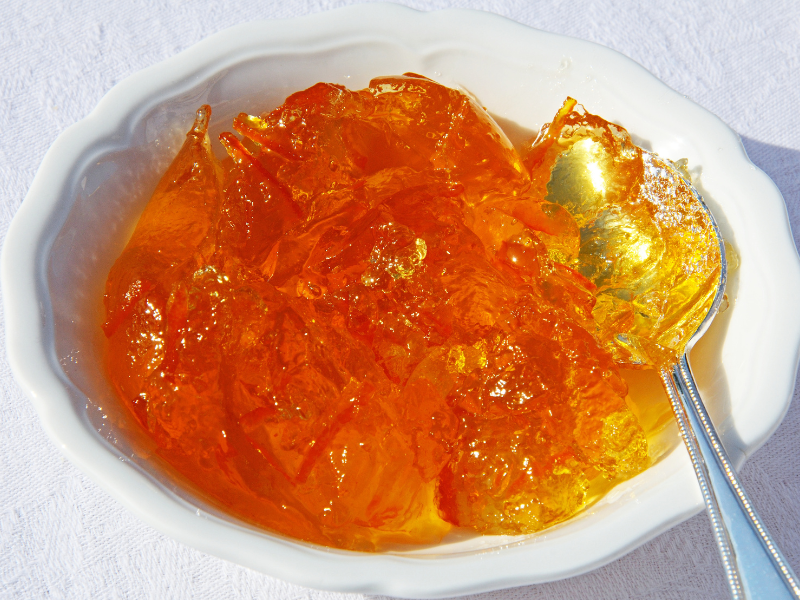
Unlike many jams and jellies, marmalade uses nearly the entire fruit, including the peel. This gives it its signature texture and slightly bitter depth that balances the sweetness of the sugar. The peels soften during cooking and absorb the citrus syrup, creating tender ribbons of flavor throughout every jar.
Seville oranges are the traditional choice because they naturally contain high amounts of pectin and possess the classic bittersweet flavor marmalade is known for. Combined with lemons, they create a preserve that tastes bright and layered rather than overwhelmingly sweet. The long-simmering process allows those flavors to deepen while naturally thickening the mixture into a spreadable consistency.
Homemade marmalade also allows you to control the texture and flavor. Some people enjoy thin strips of peel for a delicate texture, while others prefer chunkier pieces for a heartier spread. Either way, the result feels far more vibrant and fresh than commercial varieties.
Recipe: Orange Marmalade
Prep Time: 5 Minutes
Cook Time: 150 Minutes
Yield: 8 to 10 half-pint (8 oz) jars
Ingredients
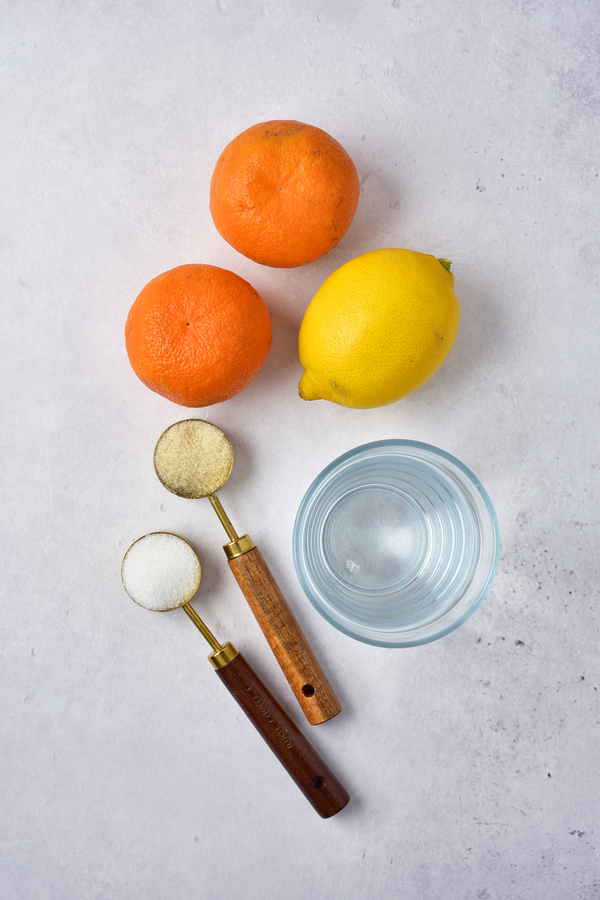
2 pounds Seville oranges
2 lemons
2 cups white sugar
½ cup brown sugar
3 cups water
Recommended Equipment
Muslin bag
Cooking thermometer
Directions for Orange Marmalade
Prepare the Citrus
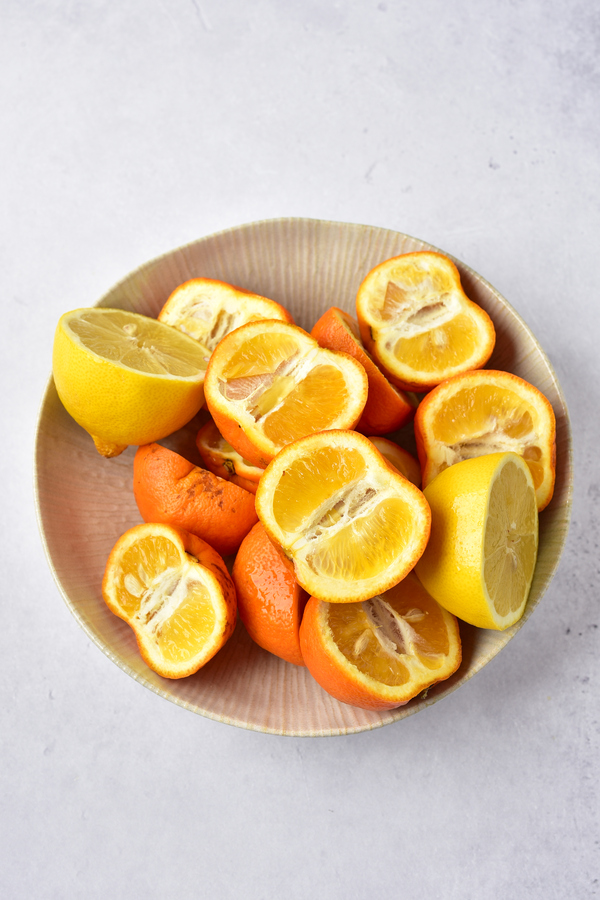
Begin by thoroughly washing the oranges and lemons. Since the peels are an important part of the recipe, cleaning the fruit well helps remove any residue from the skin. Once washed, cut the citrus fruits in half.
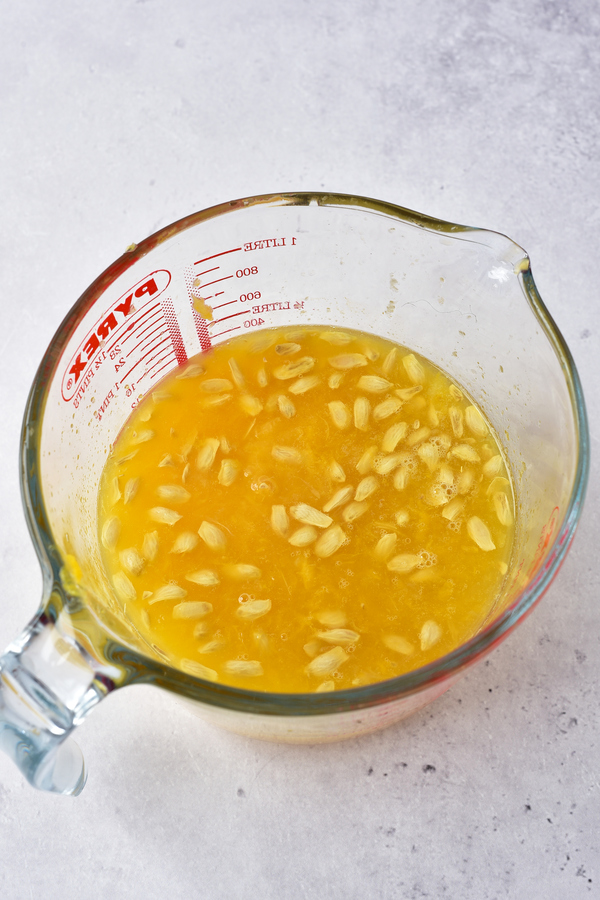
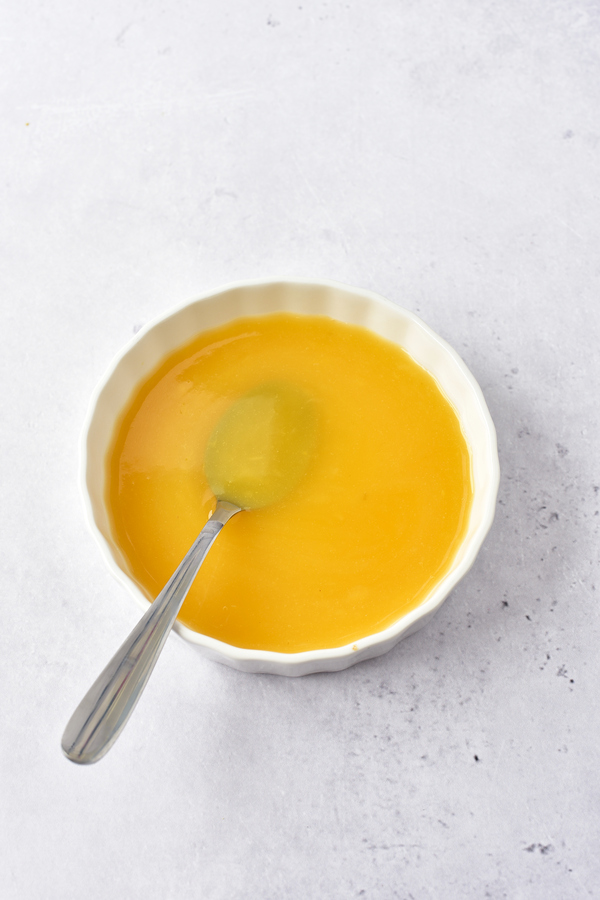
Squeeze the juice from the oranges and lemons into a measuring cup or large bowl. If seeds fall into the juice, leave them for now since they contain natural pectin that will help the marmalade set properly later.
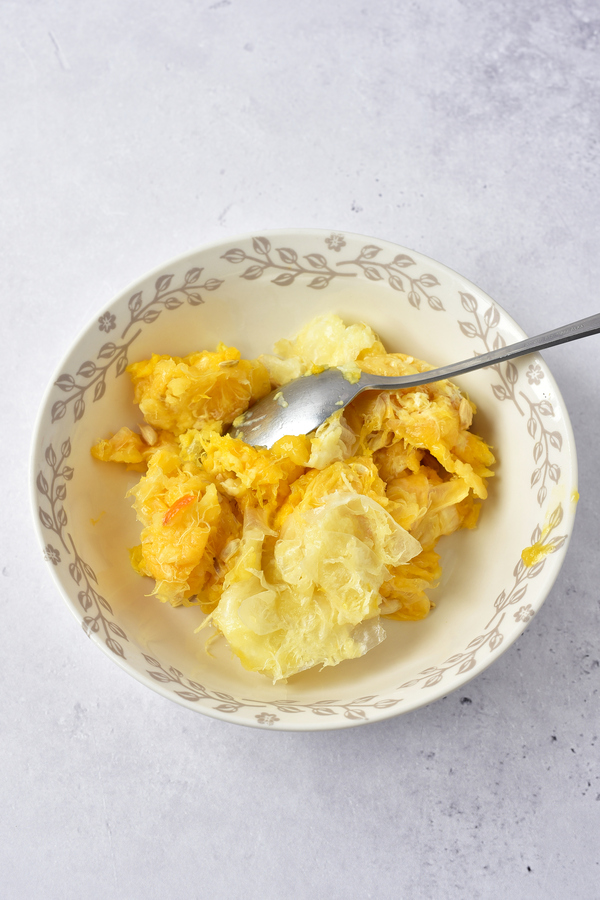
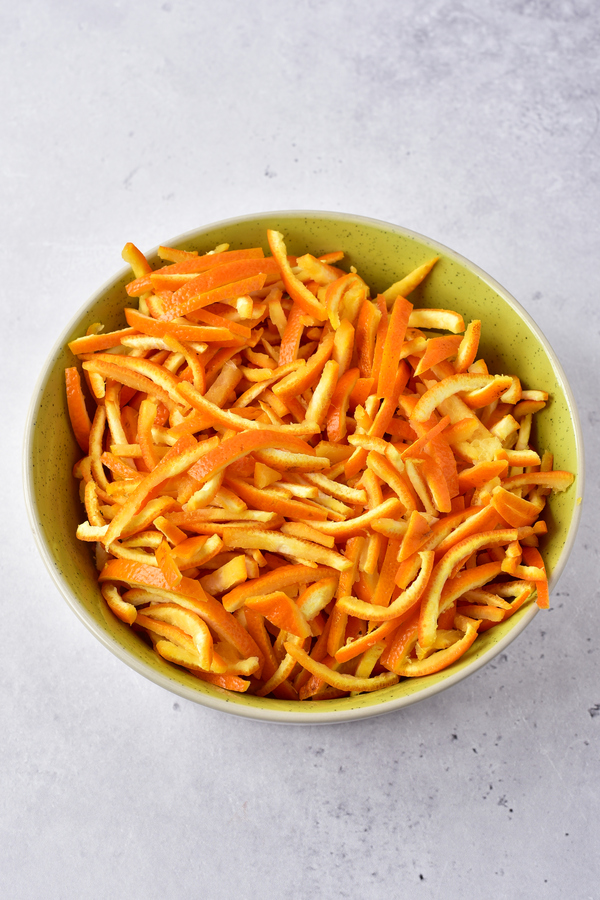
After juicing the fruit, scoop the pulp and white membranes from the orange halves. Set these aside because they will also contribute valuable pectin during cooking. Next, slice the orange peels into thin, even strips. Uniform slices help the marmalade cook consistently and create a more pleasant final texture.
Simmer the Base
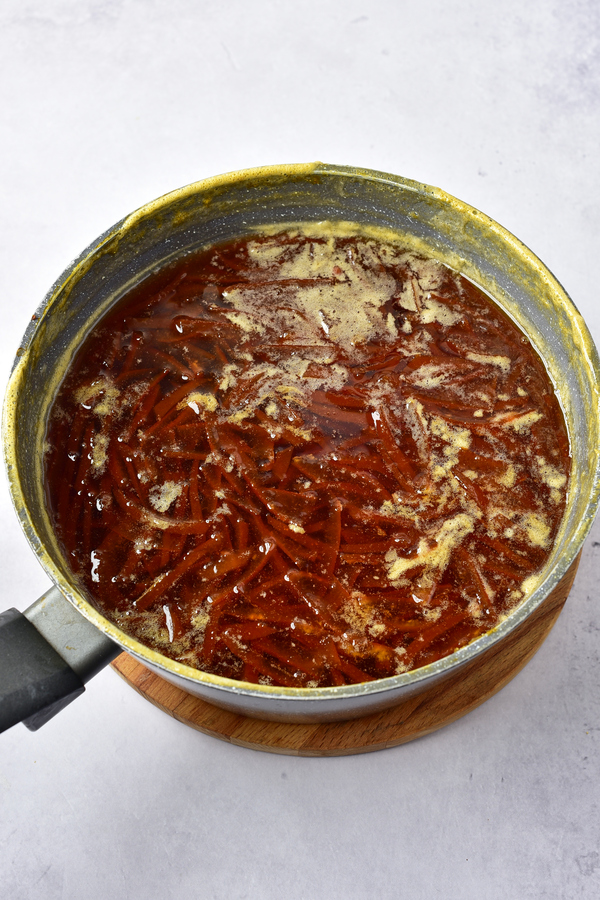
Pour the water into a large pot, then add the strained citrus juice and sliced peels. Remove any loose seeds from the juice before adding it to the pot.
Place the pulp, membranes, and seeds into a muslin bag and tie it securely closed. Attach the bag to the handle of the pot so it remains submerged in the liquid while cooking. This allows the pectin to release into the marmalade without leaving unwanted bits in the finished product.
Bring the mixture to a gentle simmer and cook for 30 to 60 minutes, or until the peels become soft and tender. The exact timing depends on the thickness of your peel slices, so check them periodically.
Once the peels soften, remove the muslin bag and allow it to cool slightly. Carefully squeeze the bag over the pot to release the thick, pectin-rich liquid back into the mixture. This step plays a major role in helping the marmalade reach the proper consistency.
Cook to Setting Point
Add both the white sugar and brown sugar to the pot. Bring the mixture to a boil while stirring until all the sugar fully dissolves.
Place a small plate in the freezer while the marmalade cooks. Using a cooking thermometer, continue boiling the marmalade until it reaches 218°F (103°C). Temperature matters more than exact cooking time during this stage because reaching the proper temperature ensures the marmalade sets correctly.
To test the marmalade, spoon a small amount onto the frozen plate and gently push it with your finger. If the surface wrinkles slightly, it is ready.
Jar and Cool Your Orange Marmalade
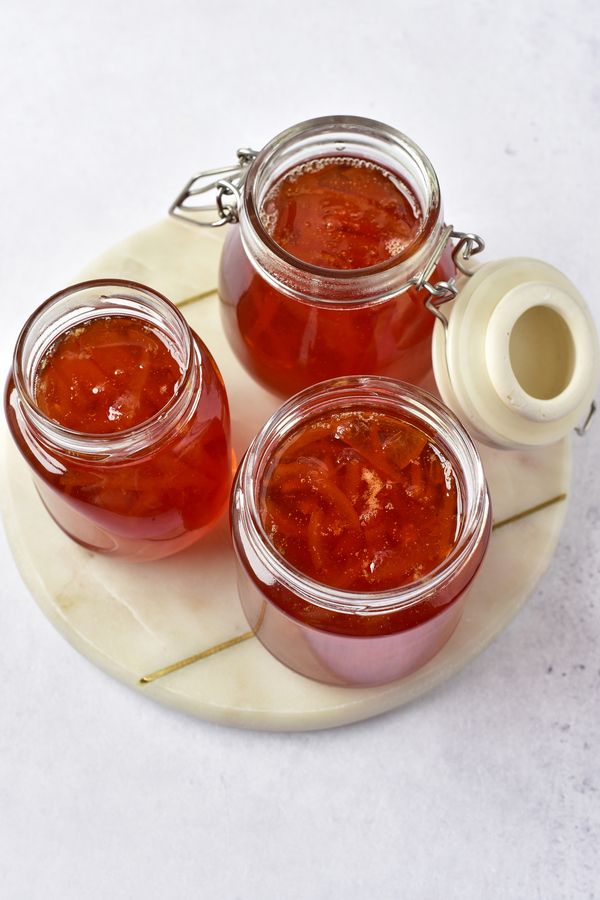
Carefully pour the hot marmalade into sterilized jars and seal them with sterilized lids. As the jars cool, the peels may float toward the top. To distribute them evenly, gently turn the jars every 30 minutes during the cooling process.
Storage Tips
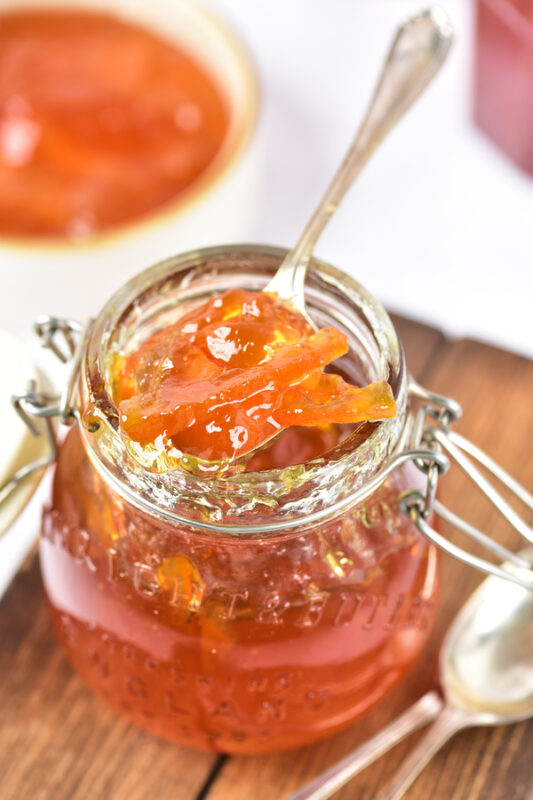
Once sealed, store the jars in a cool, dark location for up to 12 months. Properly sealed marmalade keeps exceptionally well, making it a wonderful pantry staple throughout the year.
After opening a jar, refrigerate it and use it within four to six weeks for the best flavor and texture.
Tips for Best Results
Slice the peels as evenly as possible to create a consistent texture throughout the marmalade. Thin slices soften more evenly and create a smoother final product.
Do not rush the setting stage. Marmalade can appear thin while hot, but thickens significantly as it cools. Paying attention to temperature rather than time helps prevent overcooking.
Turning the jars during cooling keeps the peels suspended evenly throughout the marmalade instead of floating entirely to the top.
For the most traditional flavor, use Seville oranges whenever possible. Their natural bitterness gives marmalade its classic taste and helps balance the sweetness beautifully.
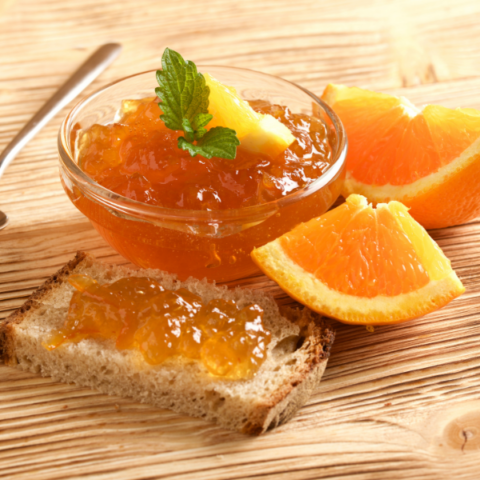
Orange Marmalade
Orange marmalade is a classic citrus preserve made by slowly cooking oranges, sugar, and citrus juice until thick and glossy. It has a bright, tangy flavor with a hint of bitterness from the peel, making it perfect for toast, baking, or adding a burst of citrus to savory dishes.
Ingredients
- 2 pounds Seville oranges
- 2 lemons
- 2 cups white sugar
- ½ cup brown sugar
- 3 cups water
Instructions
1. Wash the oranges and lemons thoroughly. Cut them in half.
2. Squeeze the juice into a large bowl, including any seeds that fall in.
3. Scoop out the pulp and white membranes from the orange halves.
4. Slice the peels into thin strips.
5. Add the water, strained citrus juice (remove seeds), and sliced peels to a large pot.
6. Place the pulp and seeds into a muslin bag, tie it securely, attach it to the pot handle, and submerge it in the liquid.
7. Simmer for 30–60 minutes, until the peels are soft.
8. Remove the muslin bag and let it cool slightly, then squeeze out the pectin-rich liquid back into the pot.
9. Add both sugars. Bring to a boil, stirring until fully dissolved.
Place a small plate in the freezer. Using a thermometer, cook until the marmalade reaches 218°F (103°C).
Test by dropping a little marmalade onto the cold plate — it should wrinkle when pushed.
10. Pour into sterilized jars and seal with sterilized lids. As peels rise, turn jars every 30 minutes while cooling for even distribution.
Notes
Storage
• Sealed jars: store in a cool, dark place for up to 12 months.
• Open jars: keep refrigerated and use within 4–6 weeks.
Tips and Tricks
• Slice peels evenly for consistent texture.
• Don’t rush the setting stage — temperature matters more than time.
• Turning jars helps distribute peel evenly.
• Seville oranges give the best classic bitterness.
A Homestead Pantry Essential
Homemade orange marmalade captures the heart of homestead cooking by turning fresh, seasonal ingredients into something lasting and useful. It preserves bright citrus flavor long after the season ends and adds a homemade touch to everyday meals.
While the process takes time, the reward is well worth the effort. Each jar holds layers of sweet citrus, gentle bitterness, and rich homemade flavor that simply cannot be replicated with store-bought versions. Once you make marmalade from scratch, it often becomes a treasured tradition that returns to the kitchen year after year.
-
Butterfinger Balls Recipe: Easy No-Bake Candy Treat
Butterfinger Balls Recipe made with a crunchy peanut butter filling and chocolate coating for an easy no-bake treat.
-
DIY Kitchen Spray Without Vinegar for Natural Cleaning
Make this DIY kitchen spray without vinegar using Castile soap and essential oils for natural cleaning. Perfect for Granite countertops.
-
How to Clean a Bathtub Drain the Eco‑Friendly Way
Keep your bathtub drain flowing with simple, non‑toxic ingredients you already keep in your homestead pantry. This natural method clears hair, soap scum, and buildup without harsh chemicals, protects septic systems, and keeps your bathroom fresh and safe for daily use.
-
Homemade Sourdough Bagels for Cozy Mornings
This simple sourdough bagel recipe uses an overnight rise to create chewy, flavorful bagels that fit beautifully into a cozy homestead routine.
-
Non-Toxic Kitchen Swaps for a Healthier Home
Non-Toxic Kitchen Swaps to create a healthier kitchen with simple product changes and practical cooking tips.
-
Homemade Dishwasher Powder: Easy DIY Detergent Recipe
Homemade Dishwasher Powder made with simple ingredients for an easy, affordable alternative to store-bought dishwasher detergent.