Halotherapy: What It Is and How It Can Help

If you’ve ever noticed how much easier it feels to breathe near the ocean, you’re not alone. For centuries, people have sought out salt caves, seaside climates, and mineral-rich environments in hopes of improving respiratory health. Today, a modern version of this practice, known as halotherapy, or salt therapy, has become increasingly popular among those looking for natural ways to support their lungs, sinuses, and overall wellness.
While halotherapy is not a cure for any medical condition, many people report improvements in breathing comfort, sinus congestion, allergies, and mucus clearance. Researchers are also beginning to explore its potential role as a complementary therapy for certain respiratory conditions.

What Is Halotherapy?
Halotherapy comes from the Greek word halos, which means salt. During halotherapy, people breathe microscopic salt particles in a controlled environment. Common settings include salt rooms, salt caves, and personal salt inhalers.
Modern halotherapy uses pharmaceutical-grade salt ground into tiny particles. A device called a halogenerator disperses these particles into the air. Practitioners believe the particles travel into the respiratory system. There, they may help loosen mucus and support natural airway cleansing.
Halotherapy traces its origins to the 1800s. Polish physician Feliks Boczkowski observed that salt mine workers reported fewer respiratory problems than other miners. His observations inspired the development of therapeutic salt caves. They later helped shape modern halotherapy facilities.

How Does Halotherapy Work?
Supporters of halotherapy believe that inhaled salt particles may help:
- Thin mucus in the airways
- Support natural mucus clearance
- Reduce airway irritation
- Create an environment less favorable for certain microbes
- Promote easier breathing
According to respiratory experts, fine salt particles may draw moisture into the airways, helping thin mucus and making it easier to clear from the lungs.
While researchers are still studying exactly how halotherapy works, many users report feeling that their breathing is clearer and less congested after sessions.

What Is Halotherapy Good For?
People use halotherapy for a variety of respiratory and wellness concerns, including:
Seasonal Allergies
Many allergy sufferers report relief from nasal congestion and postnasal drip after spending time in salt rooms or using salt inhalers. The salt particles may help clear irritants and mucus from the nasal passages.
Chronic Sinus Congestion
Those who struggle with frequent sinus pressure often seek halotherapy as a natural way to support sinus drainage and breathing comfort.
Asthma Support
Some research suggests halotherapy may serve as a complementary therapy alongside conventional asthma treatment. A 2021 review found evidence supporting its potential role as an adjunct therapy, though researchers emphasized that additional high-quality studies are still needed.
Chronic Bronchitis and COPD
Several reviews have found that halotherapy may improve mucus clearance, lung function, and quality of life in some individuals with chronic respiratory conditions. However, experts note that evidence remains limited and further clinical trials are necessary.
Recovery From Respiratory Illness
Many people use salt therapy after colds, bronchitis, or seasonal respiratory infections in hopes of supporting mucus clearance and easier breathing.
General Respiratory Wellness
Some individuals simply enjoy halotherapy as part of a wellness routine, similar to spending time in a sauna or practicing breathing exercises.
What Does the Research Say About Halotherapy?
The scientific evidence surrounding halotherapy is promising but not conclusive.
A 2022 review of studies on chronic respiratory disorders found that halotherapy may improve mucus clearance, lung function, and health-related quality of life in people with chronic respiratory diseases. Researchers concluded that it may be useful as an adjunct therapy but called for larger randomized clinical trials.
A 2024 review of respiratory studies similarly found potential benefits for respiratory function and symptom management when halotherapy is used alongside conventional care.
However, not all studies show positive results. One study involving bronchiectasis patients found no significant improvements in lung function after two months of salt inhaler use.
The American Lung Association notes that while inhaled salt may help thin mucus and improve comfort for some people, there is currently insufficient evidence to recommend halotherapy as a standard medical treatment.
The bottom line: halotherapy may offer benefits for some people, but it should be viewed as a complementary wellness practice rather than a replacement for medical treatment.
Who Should Not Use Halotherapy?
Halotherapy is generally considered low risk for healthy adults, but it is not appropriate for everyone.
You should talk with your healthcare provider before trying halotherapy if you have:
- Severe asthma
- Active respiratory infections
- Tuberculosis
- Uncontrolled high blood pressure
- Serious heart disease
- Fever or contagious illness
- Severe COPD
- Hyperreactive airways
Some people experience coughing, throat irritation, or temporary airway tightening during salt therapy. The Asthma and Allergy Foundation of America notes that salt particles may irritate sensitive airways and worsen symptoms in some people with asthma.
If you have a chronic lung condition, consult your healthcare provider before starting salt therapy
Salt Therapy at Home
Not everyone has access to a dedicated salt room, but there are several ways to incorporate salt therapy into your wellness routine at home.
Popular options include:
- Saline nasal rinses
- Salt inhalers
- Saline nebulizer treatments prescribed by a physician
- Salt lamps (for ambiance, though not considered halotherapy)
- Steam inhalation with saline solutions
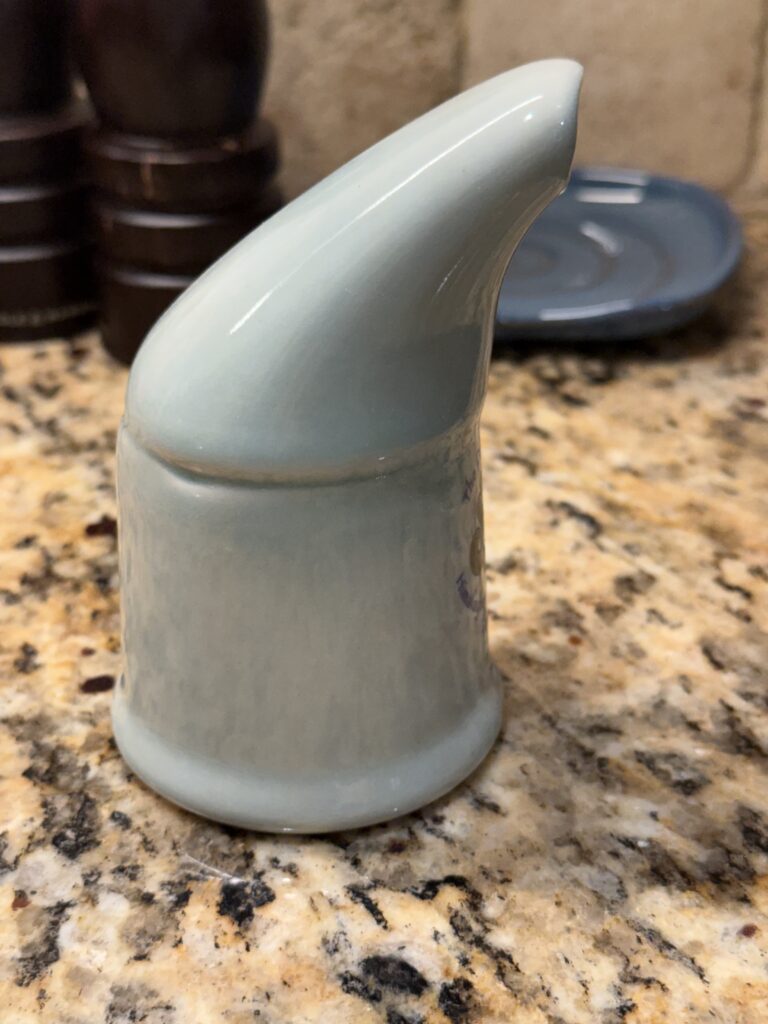
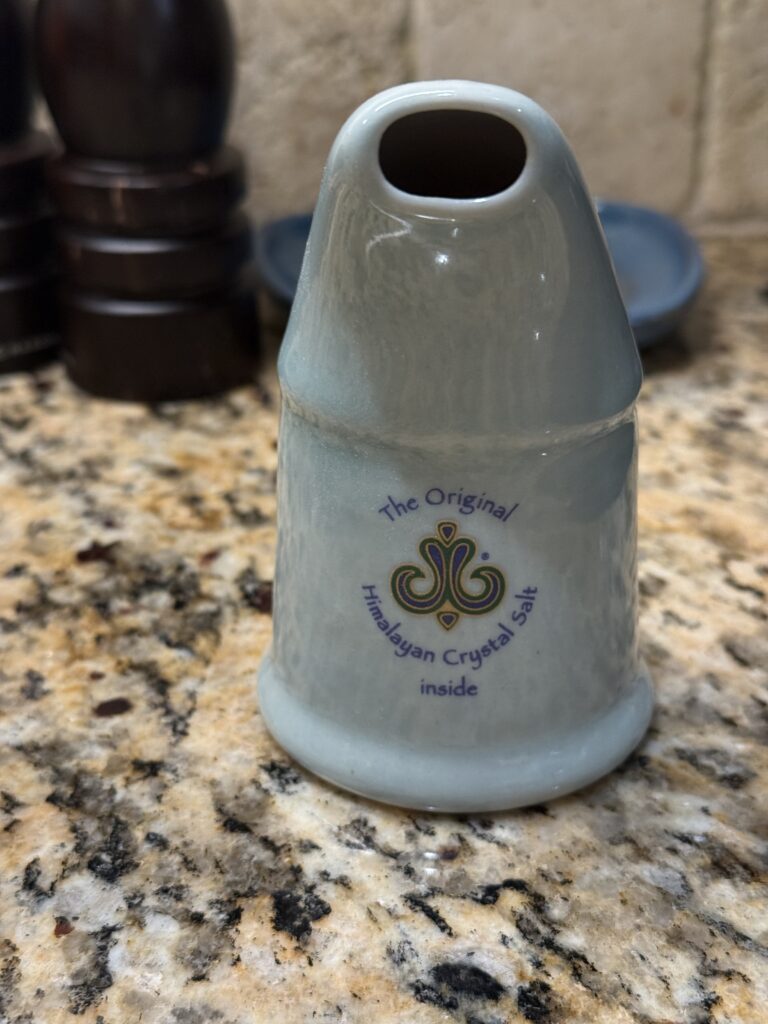
One option many people enjoy is using a personal salt inhaler. These handheld devices contain natural salt crystals and allow you to inhale air through the salt chamber during normal breathing.
I personally find these interesting because they offer an affordable way to experiment with salt therapy at home without investing in expensive spa sessions.
One popular option is the Original Himalayan Crystal Salt Inhaler for Bronchial and Lung Health, which is made in the USA and contains natural Himalayan salt crystals. You can find it here:
While scientific evidence for handheld salt inhalers is still limited, many users report positive experiences in customer reviews, including easier breathing, reduced congestion, and improved respiratory comfort. As with many natural wellness practices, individual results vary.



Other Ways to Support Lung Health Naturally
If you’re interested in natural respiratory wellness, consider combining halotherapy with healthy habits such as:
- Staying well hydrated
- Spending time outdoors
- Practicing deep breathing exercises
- Using saline nasal rinses
- Avoiding smoking and secondhand smoke
- Maintaining indoor air quality
- Exercising regularly
- Managing seasonal allergies
These lifestyle habits have stronger scientific support for promoting respiratory health and can complement any wellness practices you choose.

Final Thoughts on Halotherapy
For generations, people have used halotherapy to support breathing and respiratory comfort, and its popularity continues to grow among those seeking natural wellness options. Research suggests that halotherapy may help improve mucus clearance and support people with certain chronic respiratory conditions. However, scientists agree that more high-quality studies are necessary before healthcare professionals can make firm medical recommendations.
For many people, salt therapy serves as a relaxing wellness practice that may help support easier breathing and sinus comfort. Whether you visit a salt room or try a Himalayan salt inhaler at home, it’s important to keep realistic expectations and continue following your healthcare provider’s recommendations for any diagnosed respiratory condition.

Medical Disclaimer
This article provides informational content only and does not offer medical advice. Do not use halotherapy as a substitute for professional medical care, diagnosis, or treatment. Consult your physician or another qualified healthcare provider before beginning any new wellness practice, especially if you have asthma, COPD, a chronic respiratory condition, heart disease, or any other medical condition. Do not stop taking prescribed medications or discontinue any treatment without first consulting your healthcare provider.
-
Non-Toxic Kitchen Swaps for a Healthier Home
Non-Toxic Kitchen Swaps to create a healthier kitchen with simple product changes and practical cooking tips.
-
Heavy Metals in Protein Powders: What to Know
Heavy metals in protein powders? Learn what Consumer Reports found and how to make informed supplement choices.
-
Beyond Digestion: How Parasites May Impact Energy, Skin, Mood, and Immunity
Parasitic infections don’t always just cause obvious digestive symptoms. In some cases, they may also contribute to fatigue, skin concerns, mood changes, and immune system imbalances. Learn how these hidden infections can affect overall wellness, the signs to watch for, and practical steps to support your body’s natural defenses and recovery.