Why Healing the Gut Starts With Environment, Not Supplements
By Emma Magnolia — Founder, Owner, & Lead Educator, EmmaWellness.com
For many people following the emerging information on the connection between overall wellness and gut health, reaching for a supplement may seem like an easy fix. However, truly healing the gut starts long before reaching for the bottle of supplements.
The most significant change one can make to their gut health is to focus on their daily environment. What one eats, how they eat, stress factors, hydration, drinking with meals, and even time spent outside all contribute to overall gut health.
Why Environment Comes First
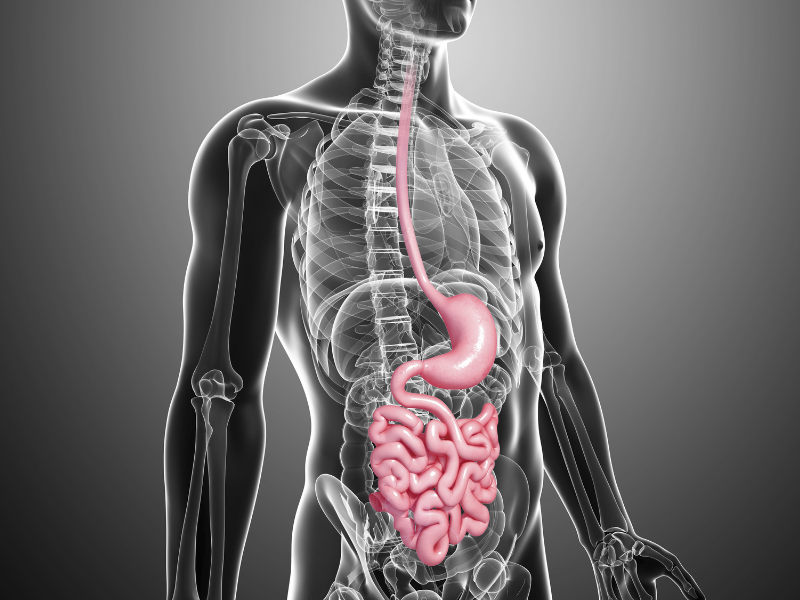
When one thinks about digestion, they may believe it is purely an internal process. However, the gastrointestinal tract functions like an external environment, passing food through before it becomes part of the body, which makes the conditions surrounding digestion wildly important.
If one rushes their meal, for example, this can lead to an overfilled stomach, a stressed digestive system, and an inflamed gut. The nervous system can be stuck in stress mode when the environment surrounding eating and digestion is not taken into account, and that is something even the best supplements cannot make up for.
Healing the gut is less about quick fixes and more about creating the right internal conditions that become long-lasting lifestyle changes. It all comes down to remembering the basics, many of which we learned as children: chew your food well, eat healthy, whole foods, don’t drink with your meals, and restore balance with culture-rich foods instead of relying on supplements alone to do the work.

Digestion Begins with the Mouth
Many people believe that digestion begins when food hits their stomach, but that could not be further from the truth. Digestion begins in the mouth with that first bite of our meal.
By chewing each bite thoroughly, we set the stage for good digestion by increasing the surface area for digestive enzymes. Saliva helps initiate the breakdown of food and prepares the rest for entry into the digestive tract. If we focus on eating slowly, chewing well, and not racing through our meals, we better prepare the gut for healthy digestion.
The mouth is the part of the digestive tract that we have the most control over. We control what enters, how long it stays there, and the environment around our mealtime. If that first step is compromised, the rest of the digestive process is likely to be as well, leading to bloating, discomfort, and ineffective digestion.
Food Quality Matters
It should come as no surprise to anyone that what we eat matters just as much as how we eat it. The gut environment is strongly influenced by what we eat daily, from our morning coffee to those late-night salty snacks.
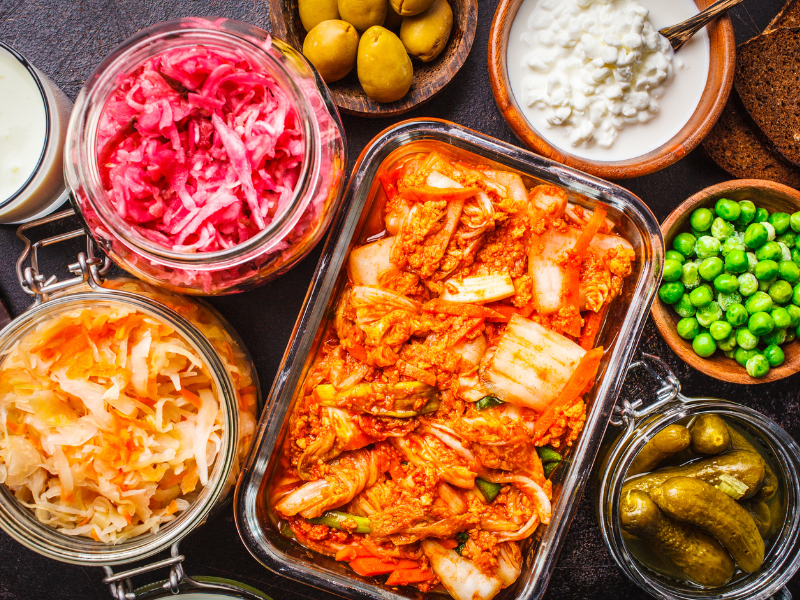
Seeking out fiber-rich, probiotic, and fermented foods such as sauerkraut, kimchi, yogurt, or miso helps one support a healthier gut microbiome. Prebiotics, found in foods such as garlic, onions, apples, legumes, and under-ripe bananas, help nourish beneficial bacteria in the gut, while fermented foods like sourdough bread can be more easily digested by the body. Additionally, seeking out quality foods to support gut health helps people make an environment-first approach practical.
Being consistent with a diet that supports a healthy gut microbiome goes further in supporting long-term gut health than an inconsistent diet and a reliance on supplements. While supplements can complement a good diet, they cannot replace it.


Irritants Can Block Gut Healing
The environment can also come into play when talking about common gut irritants. Processed foods, poor hydration, overuse of antibiotics, poor sleep, and stress can all irritate the gut, creating an environment that promotes persistent inflammation.
When the gut lining is irritated, it is unlikely to respond to any single supplement or remedy. It needs a complete rebuild of the environment from the ground up. Through gentle, soothing approaches to gut health that include the right foods and the right way of eating, people can take a more holistic, simple approach to healing their gut, considering all of the environmental factors available.
Where Supplements May Fit In
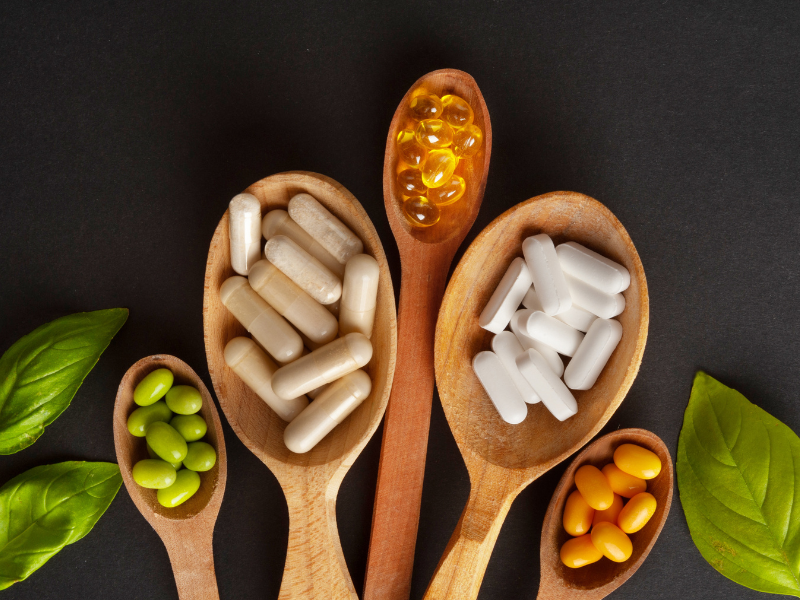
When the environmental factors are well in hand, high-quality supplements can do their best work. Probiotic supplements can help repopulate the gut microbiome, especially when paired with prebiotic foods. Supportive herbal supplements such as slippery elm can help support the digestive tract when irritation is present, making digestion easier and less uncomfortable.
The consistent message needs to be that supplements are meant to be supportive, not the primary source of nutrition for a healthy gut. If one continues to rush their meals or push through stress, all of the probiotic capsules or drink mixes in the world will not heal their gut issues. The foundation must be the environment, from sound sleep hygiene to slow, intentional eating.
With all of the noise across social media about supplements, it may seem as if they are the answer to everything gut-related that ails us. However, if we start the healing process by asking questions about our environment, we may get farther along in it.
While supplements can help us have our best gut health possible, they are not the foundation. Instead, it is the daily conditions surrounding digestion that best support a healthy gut.

About Emma Magnolia
— Emma Magnolia is a holistic health educator, therapeutic bodyworker, and lifestyle practitioner with more than three decades of hands-on experience in natural wellness. She is the founder, owner, and lead educator of EmmaWellness.com, which was launched in 2023. For over 25 years, Emma has been creating and supplying natural health products while educating the public on foundational wellness principles, including herbal remedies, food as medicine, and preventative health practices.
Emma began her training at age 17 at Living Valley, one of Australia’s leading health retreats, where she learned remedial Swedish and therapeutic massage, lymphatic therapy, colonic therapy, and a range of natural health modalities. She has since spent her time operating an in-home wellness clinic for more than 20 years and has taught cooking schools, wellness classes, and health lectures for nearly three decades.
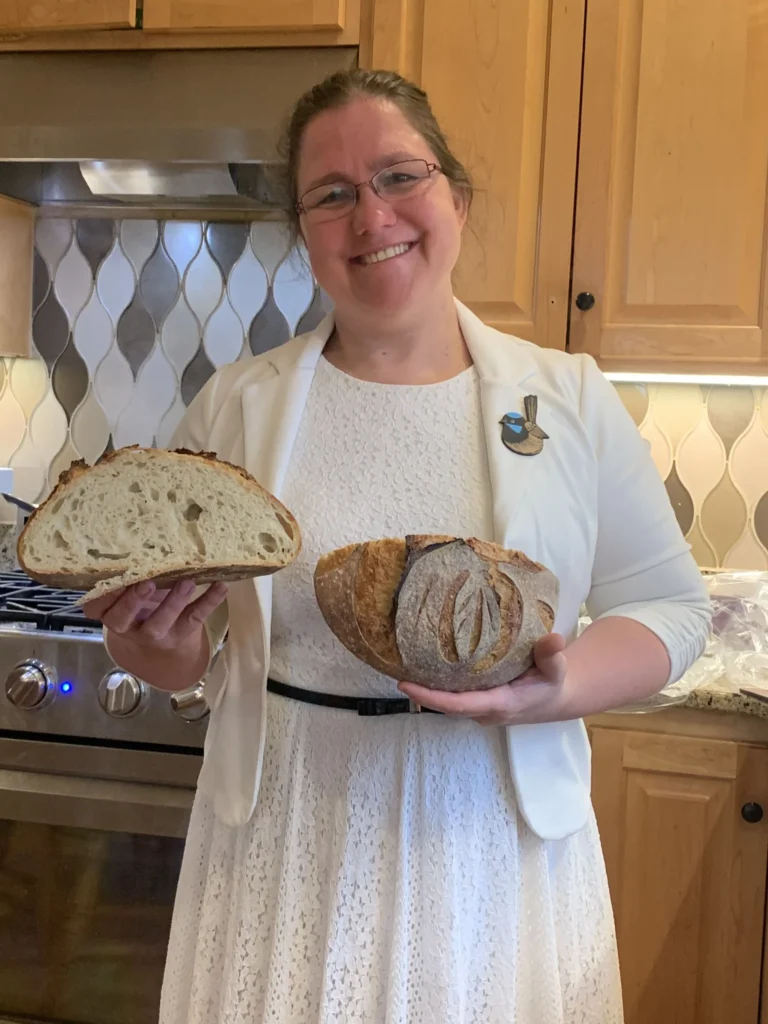
A wife, mother of seven, homesteader, and daughter of Barbara O’Neill, one of Australia’s top holistic wellness practitioners and speakers. Emma is widely respected for her ability to translate holistic health concepts into simple, practical habits rooted in everyday family life, preventive health, and personal responsibility. Based at her country home in Wisconsin, Emma continues to share her knowledge through education, product development, content creation, and community outreach focused on empowering individuals and families to confidently support their health through accessible, sustainable practices.
The Oklahoma Homesteader is a lifestyle and homesteading brand created by Melissa Garcia and Daniel Garcia. Their content focuses on helping everyday people embrace “backyard homesteading” and self-sufficiency, even without owning large amounts of land. The brand grew out of their family’s experiences with health challenges, natural living, and a desire to become more self-reliant. Check out their cooking from scratch and traditional recipes
-
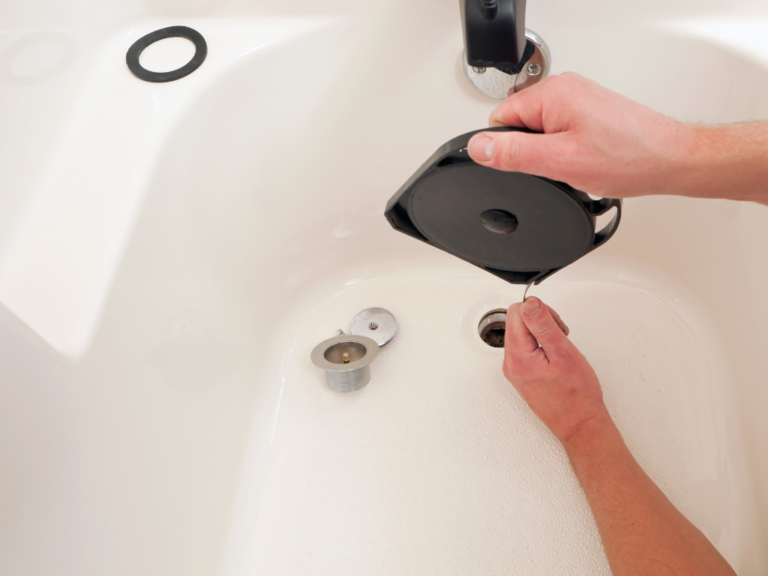
How to Clean a Bathtub Drain the Eco‑Friendly Way
Keep your bathtub drain flowing with simple, non‑toxic ingredients you already keep in your homestead pantry. This natural method clears hair, soap scum, and buildup without harsh chemicals, protects septic systems, and keeps your bathroom fresh and safe for daily use.
-
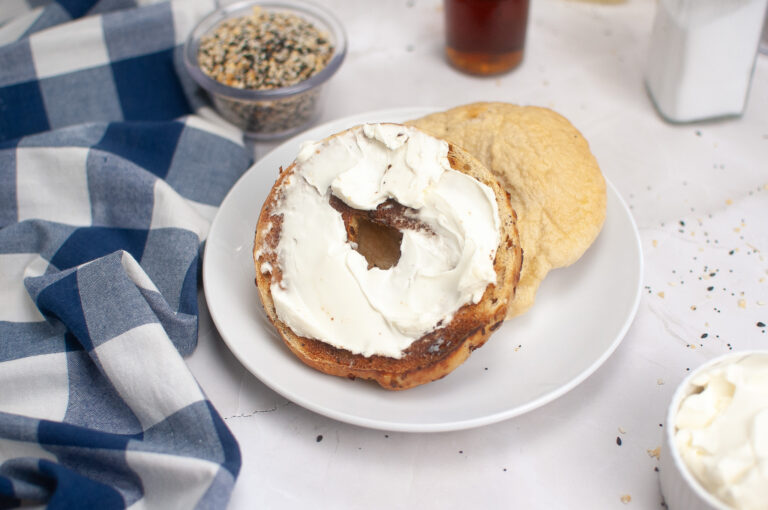
Homemade Sourdough Bagels for Cozy Mornings
This simple sourdough bagel recipe uses an overnight rise to create chewy, flavorful bagels that fit beautifully into a cozy homestead routine.
-
Non-Toxic Kitchen Swaps for a Healthier Home
Non-Toxic Kitchen Swaps to create a healthier kitchen with simple product changes and practical cooking tips.
-
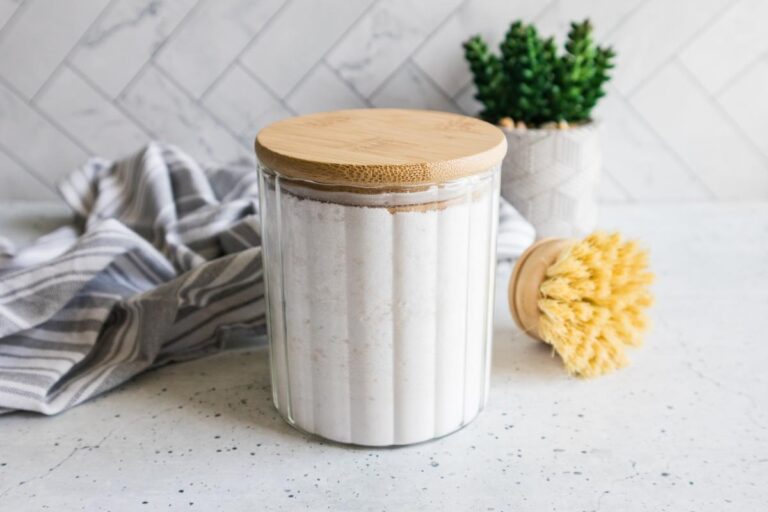
Homemade Dishwasher Powder: Easy DIY Detergent Recipe
Homemade Dishwasher Powder made with simple ingredients for an easy, affordable alternative to store-bought dishwasher detergent.
-
Fall Wax Melts Recipe with Essential Oils
These fall wax melts bring warm, cozy scents to your home with just a few basic ingredients. They’re easy to make, budget‑friendly, and perfect for anyone who loves natural, homemade products. The blend of cinnamon, clove, orange, and cedarwood creates a comforting autumn aroma that feels right at home in any farmhouse kitchen. Make a batch for your own warmer or package them as sweet seasonal gifts.
-
Whipped Tallow Balm Recipe with a Cozy Fall Scent
Whipped Tallow Balm Recipe with nourishing oils and a cozy fall scent. An easy homemade balm for soft, moisturized skin.