Homemade Magnesium Balm: A Simple Solution for Muscle Relief
Magnesium is known for its ability to relax muscles, improve sleep, and soothe aches and pains. This Homemade DIY Magnesium Balm is a fantastic way to harness those benefits naturally. With nourishing oils, soothing shea butter, and just a touch of beeswax, this balm is a wonderful addition to your self-care routine. It’s easy to make, highly effective, and perfect for gifting to friends and family who could use a little extra relaxation.
How to Make Homemade Magnesium Balm

What You’ll Need to Make DIY Magnesium Balm
- ¼ cup magnesium oil
- ¼ cup coconut oil or avocado oil
- ¼ cup shea butter
- 1 tablespoon beeswax
- 5 to 10 drops essential oils (lavender, peppermint, eucalyptus, chamomile, or rosemary)
Optional Ingredients
For additional pain-relieving benefits, consider adding:
- Arnica-infused oil
- Turmeric-infused oil
- Calendula oil
- Chamomile extract
Step-by-Step Instructions
1. Melt the Base Ingredients
Combine the coconut oil, shea butter, and beeswax in a heat-safe jar or double boiler. Heat gently until completely melted.
2. Add Magnesium Oil
Remove from heat and slowly stir in the magnesium oil. Mixing slowly helps prevent separation.
3. Add Essential Oils
Add your preferred essential oil blend.
For relaxation:
- Lavender
- Chamomile
- Cedarwood
For muscle relief:
- Peppermint
- Eucalyptus
- Rosemary
Popular essential oil brands many homesteaders use include Plant Therapy, Rocky Mountain Oils, and doTERRA.
4. Blend Thoroughly
Use an immersion blender for 30 to 60 seconds to create a smooth consistency.
5. Pour and Set
Transfer into glass jars or metal tins. Ball Mason jars and small cosmetic tins work especially well for storage.
Allow the balm to cool completely before use.

Key Benefits and Use Cases
Why Magnesium Balm Works
Magnesium balm delivers magnesium directly to the skin through topical application. Many people prefer this method because it targets specific areas like the neck, shoulders, calves, feet, or lower back.
People commonly use magnesium balm for:
- Muscle soreness
- Post-workout recovery
- Leg cramps
- Tension headaches
- Restless legs
- Relaxation before bed
- General pain relief
Magnesium Balm vs Magnesium Oil Spray
One common question is whether magnesium balm or magnesium oil spray works better.
Magnesium Oil Spray
Pros:
- Fast application
- Absorbs quickly
- Helpful for large treatment areas
Cons:
- May cause skin irritation or stinging
- Can feel sticky
Magnesium Balm
Pros:
- Moisturizes skin
- Less likely to sting
- Better for targeted massage
- Longer-lasting on skin
Cons:
- Takes longer to absorb
For many homesteaders, magnesium balm provides the best combination of comfort and effectiveness for muscle pain relief.
Signs You May Benefit From Magnesium Balm
Some common symptoms associated with low magnesium levels include:
- Muscle cramps
- Eye twitches
- Tension
- Poor sleep
- General muscle soreness
- Restlessness
If you’re frequently experiencing these issues, a topical magnesium product may be a helpful addition to your wellness routine.

DIY Magnesium Balm
Soothe muscles and improve relaxation with this easy DIY magnesium balm. All-natural, nourishing, and perfect for dry skin!
Materials
- ¼ cup magnesium oil
- ¼ cup coconut oil (or avocado oil)
- ¼ cup shea butter
- 1 tablespoon beeswax
- 5-10 drops of essential oils (lavender, eucalyptus, or peppermint work wonderfully)
Tools
- Heat Safe Bowl
- Double Boiler or Sauce Pan
- Immersion Blender
Instructions
- Melt the Ingredients: Combine the coconut oil, shea butter, and beeswax in a heat-safe bowl or jar. Use a double boiler or a saucepan filled with a few inches of simmering water to gently melt the mixture. Stir occasionally until everything is fully liquefied.
- Mix in the Magnesium Oil: Once the oils and beeswax have melted, remove the mixture from the heat. Gradually stir in the magnesium oil.
- Add Essential Oils: If desired, add 5-10 drops of your favorite essential oils for added relaxation and fragrance. Lavender is ideal for calming, while peppermint provides a refreshing, cooling sensation.
- Blend Thoroughly: Use an immersion blender to thoroughly combine all the ingredients. This step ensures a smooth and creamy balm with no separation.
- Transfer to Containers: Pour the mixture into small tins or glass jars while still warm. Let it cool and set at room temperature for about 24 hours.
Common Mistakes to Avoid Making Homemade Magnesium Balm
Excessive heat can affect consistency and cause separation.
Adding Magnesium Oil While Too Hot
Skipping the Blending Step
Proper blending creates a smoother, creamier product.
Using Too Much Beeswax
Too much beeswax can create an overly firm balm that’s difficult to apply.
Improper Storage
Keep your balm in a cool, dry location and out of direct sunlight.
Ignoring Skin Sensitivity
Always perform a patch test when using magnesium products for the first time.
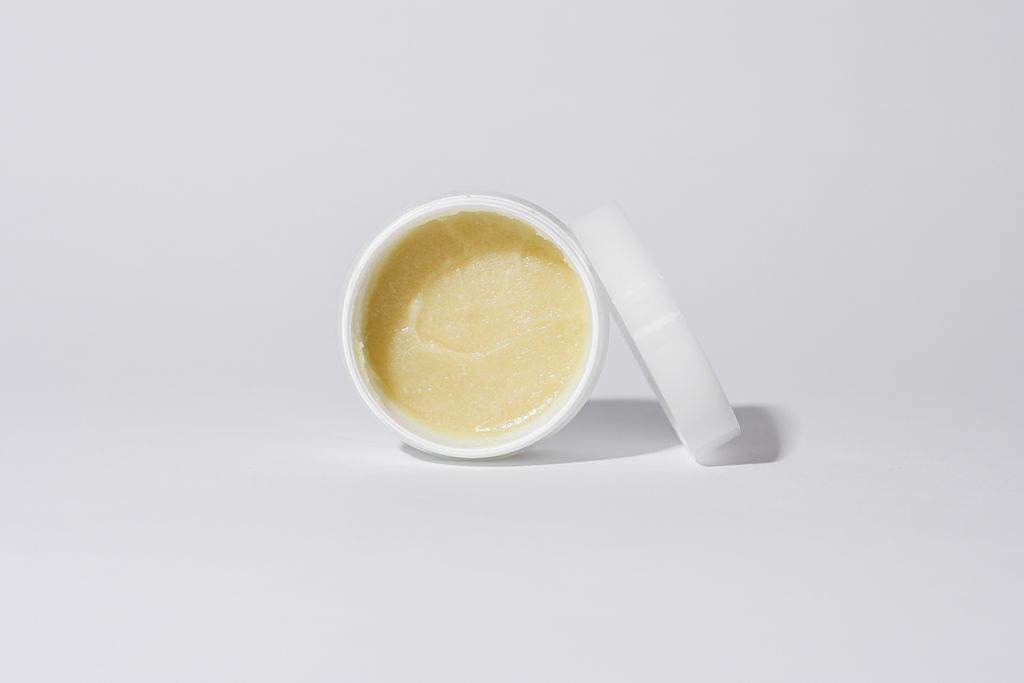
Tips for How to Make Magnesium Butter
Many readers also wonder how to make magnesium butter or how to make a magnesium cream.
The difference is simple:
Magnesium Butter
For a whipped magnesium butter:
- Reduce beeswax to ½ tablespoon.
- Allow mixture to partially cool.
- Whip with a hand mixer until fluffy.
Magnesium Cream
For a magnesium cream texture:
- Increase shea butter slightly.
- Blend longer as it cools.
- Store in a jar for easy application.
Vegan Magnesium Balm Option
If you prefer a vegan recipe, replace beeswax with:
Candelilla wax is the most popular substitute and creates a similarly smooth texture. You can substitute carnauba wax for beeswax in a magnesium balm if you want a vegan-friendly option. Since carnauba wax is much harder than beeswax, use about half as much and combine it with soft plant butters, such as shea or mango butter, to create a balm that is smooth, spreadable, and easy to apply.
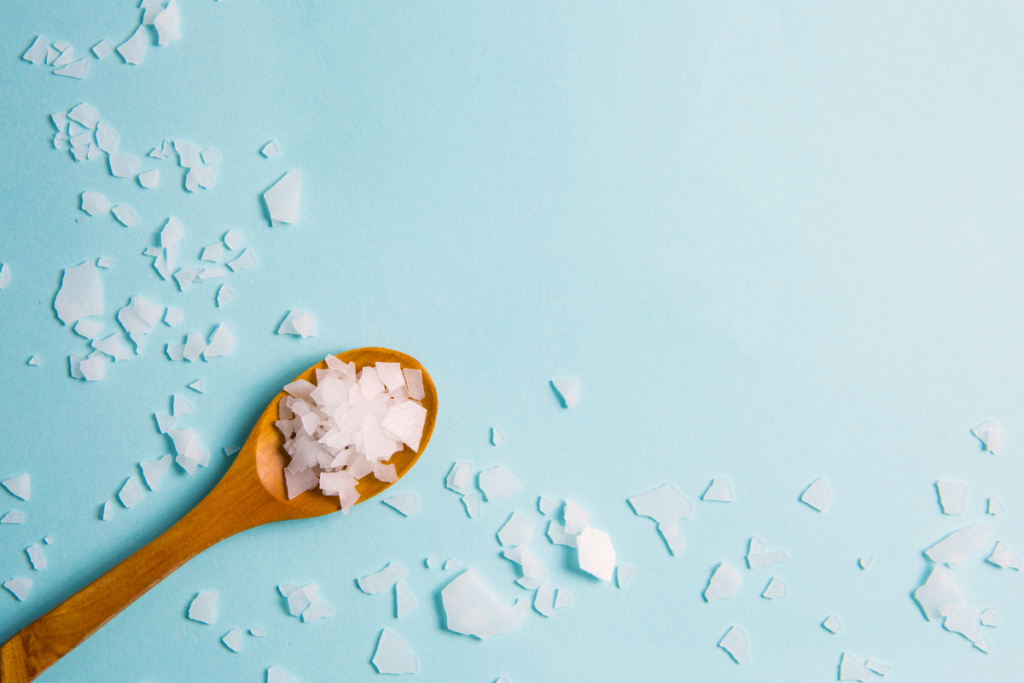
Can You Use Magnesium Flakes to Make Magnesium Balm?
Yes. If you don’t have magnesium oil, you can make your own by dissolving magnesium chloride flakes in distilled water.
Many DIY enthusiasts use brands such as Ancient Minerals or Life-Flo magnesium flakes to create homemade magnesium oil before adding it to balms.
Frequently Asked Questions
How long does homemade magnesium balm last?
When stored properly in a cool, dry place, homemade magnesium balm typically lasts 6 to 12 months.
Does magnesium balm help with pain relief?
Many people use magnesium balm to support relief from muscle soreness, tension, cramps, and post-exercise discomfort.
Is magnesium balm safe for arthritis or fibromyalgia?
Some users with arthritis, fibromyalgia, and chronic muscle discomfort find topical magnesium soothing. However, consult your healthcare provider regarding any medical condition or treatment plan.
Is magnesium balm safe during pregnancy?
Pregnant women, nursing mothers, and caregivers of young children should consult their healthcare provider before using magnesium products or essential oils.
Can magnesium balm be used on sensitive skin?
Yes, but start with a small patch test. Unscented versions often work best for sensitive skin.
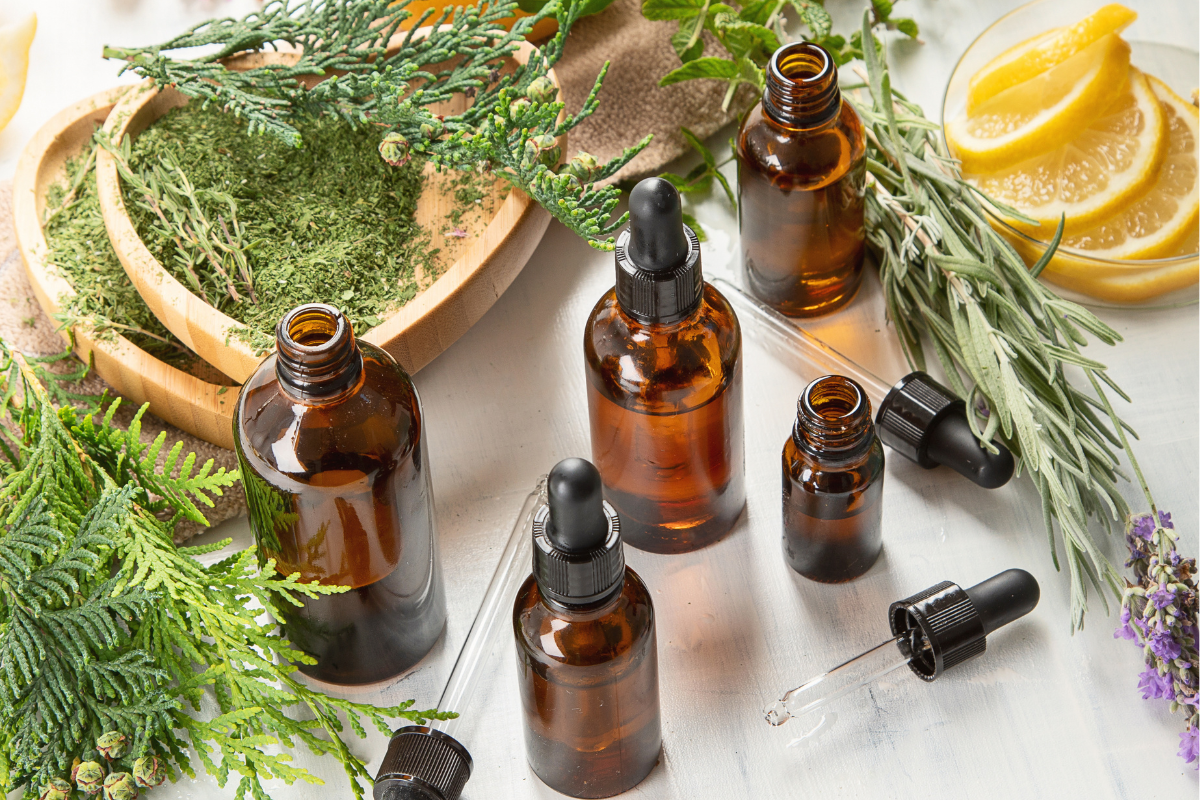
What essential oils are best?
For pain relief:
- Peppermint
- Rosemary
- Eucalyptus
For relaxation and sleep:
- Lavender
- Chamomile
- Cedarwood
Can I make a calming sleep balm?
Absolutely. Try combining:
- Lavender
- Chamomile
- Passionflower extract
- Valerian root extract
This variation creates a soothing nighttime balm that many homesteaders enjoy using before bed.
Final Thoughts on DIY Magnesium Balm
Making your own magnesium balm is a simple way to create a soothing, budget-friendly product using ingredients you can customize for your family’s needs. Whether you prefer an unscented version or enjoy adding calming essential oils like lavender or chamomile, homemade balm gives you complete control over what goes on your skin.
As with any new skincare product, do a small patch test first, especially if you have sensitive skin. Remember that some people experience a slight tingling sensation when using topical magnesium for the first few applications, which often lessens over time.
If you enjoy making your own wellness and homestead essentials, be sure to explore more DIY recipes here on The Oklahoma Homesteader. From homemade pantry staples to natural household products and self-care ideas, you’ll find plenty of easy projects that can help you save money while creating products you’ll actually use.
-
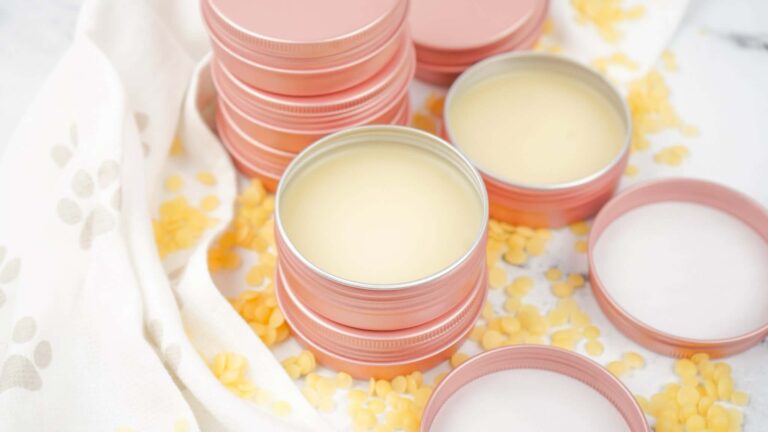
Homemade Dog Paw Balm for Soft, Healthy Paws
Learn how to make homemade dog paw balm with simple, pet-safe ingredients to soothe dry, rough, and cracked paw pads.
-
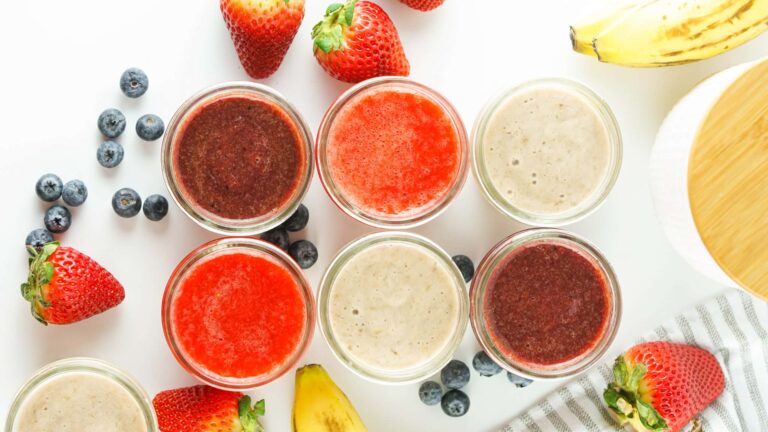
Homemade Stage 1 Baby Food with Fresh Fruit
Make homemade stage 1 baby food with fresh fruit and simple ingredients. Includes strawberry, blueberry and banana recipes.
-
Cook | Drinks | Homemade Pantry | Recipe
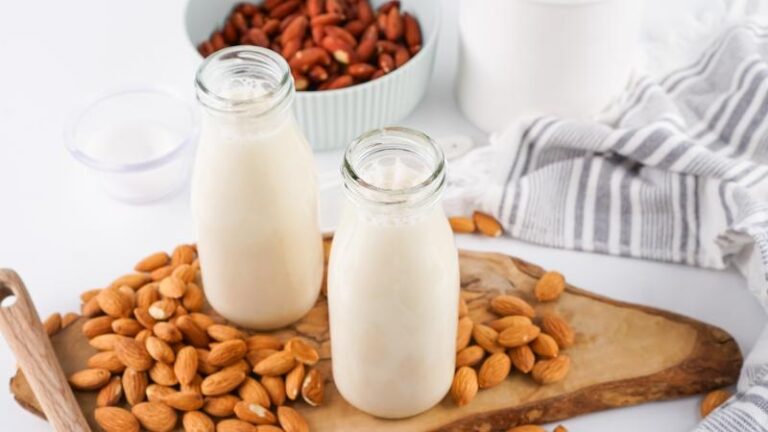
How to Make Almond Milk at Home (Easy Guide)
How to Make Almond Milk at Home with simple ingredients, easy steps, and helpful tips for fresh, creamy homemade milk.
-
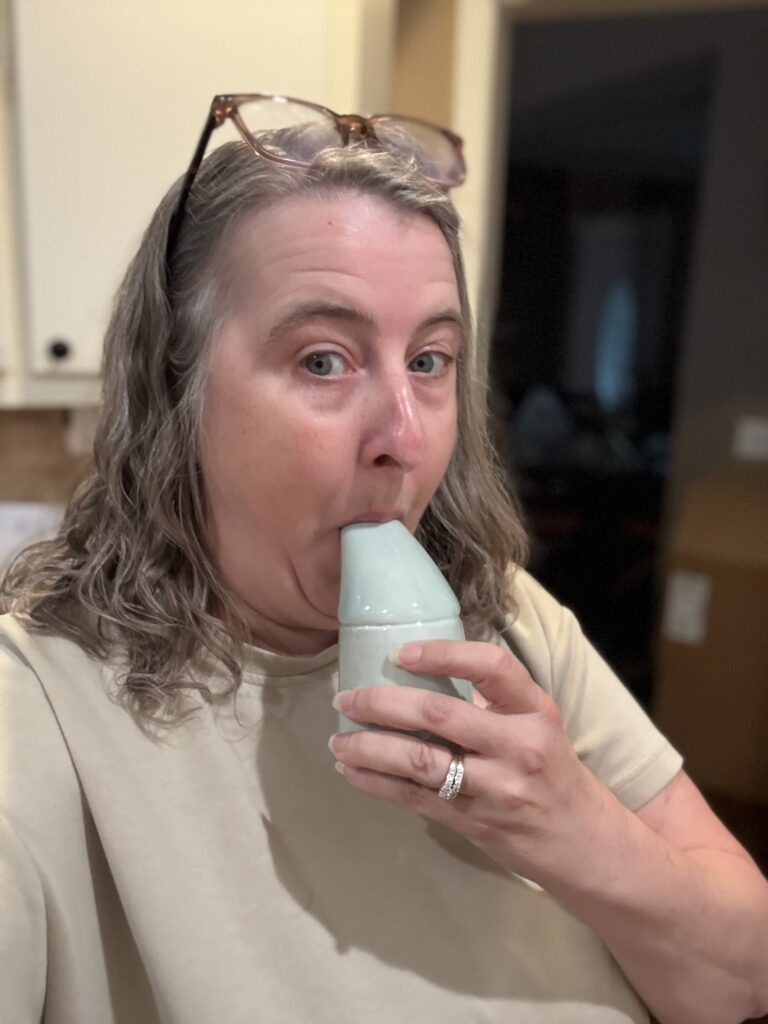
Halotherapy: What It Is and How It Can Help
Learn what halotherapy is, how salt therapy may support respiratory health, who should avoid it, and ways to try it at home.
-
Baking | Cook | Desserts | Homemade Pantry
How to Make Homemade Chocolate Chips (Simple & Budget-Friendly)
Make homemade chocolate chips with simple ingredients and honey. Easy, natural, and perfect for baking. They are also cost effective.
-
Growing Aloe Vera and Using It for Home Remedies
Learn how to grow aloe vera and use it for simple home remedies like burns, skin care, and natural healing.