Choosing the Right Supplements ( Not All Are Created Equal)
If you’ve ever stood in the vitamin aisle staring at hundreds of bottles thinking, “Aren’t these all the same?”… you’re not alone. I’m not a doctor. What do I know about choosing the right supplements?
I used to think the same thing.
But after walking through years of health struggles in my family, dealing with my own menopause symptoms, and trying to find things that actually work—I’ve learned something important:
Not all supplements are created equal.
And some of them? Your body isn’t even absorbing.
So today, I want to walk you through what I’ve learned—simple, real-life guidance to help you choose better supplements without feeling overwhelmed.
Why Quality Matters More Than You Think
Here’s the truth most people don’t realize:
Just because it’s on the shelf doesn’t mean your body can actually use it.
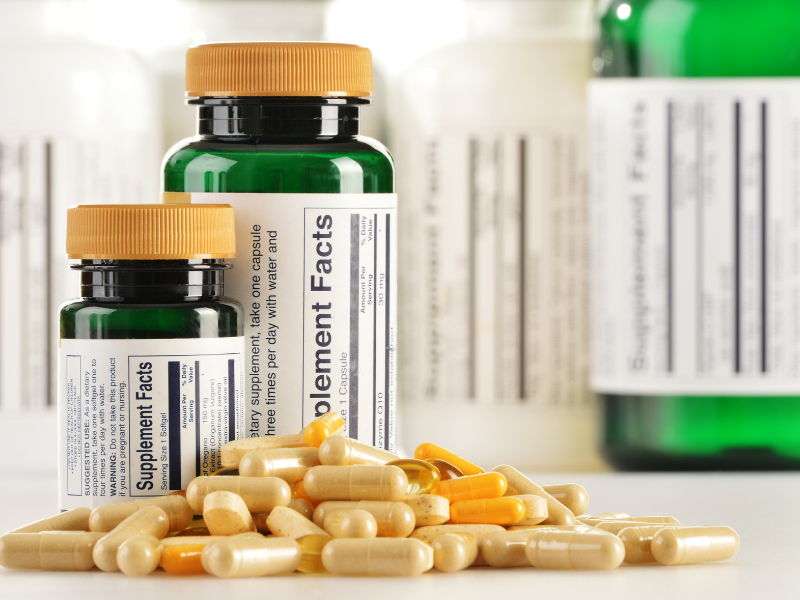
Walk into any store, and you’ll see rows of brightly labeled bottles promising energy, immunity, better sleep, and glowing skin. It looks like health. But the reality is, not all supplements are created with your body in mind—many are created for shelf life, profit margins, and mass production.
Some vitamins quite literally pass right through your system. If your body can’t absorb them, you’re just making expensive urine. This often happens with poorly formulated supplements or nutrients in forms your body doesn’t recognize or convert efficiently.
Others are made with cheap, synthetic versions of nutrients. These lab-made forms aren’t always “bad,” but they’re often harder for the body to process compared to whole-food-based or bioavailable forms. In a cleaner, homestead-style lifestyle—where food quality and simplicity matter—this disconnect becomes even more important.
Then there are the hidden extras: fillers, binders, artificial colors, preservatives. Ingredients that serve manufacturing, not your health. If you’ve worked hard to clean up your food, water, and home environment, it doesn’t make much sense to reintroduce unnecessary additives through your supplements.
And dosing? That’s another overlooked piece. Some products contain amounts so low they’re ineffective, while others megadose in ways your body can’t properly utilize—or worse, that create imbalances over time. More isn’t always better, and “one-size-fits-all” rarely fits anyone well.
All of this adds up to a frustrating reality when choosing the right supplements:
You could be spending money every single month… building a routine… thinking you’re supporting your health…and not actually getting the benefits you believe you are.
Questions to Ask When Choosing the Right Supplements
A cleaner, more intentional approach to choosing the right supplements starts with asking better questions:
- Is this form something my body can actually absorb?
- Does it come from a quality, transparent source?
- Are there unnecessary ingredients in here?
- Is this something I truly need, or am I just filling a gap I could address with real food?
On a homestead—or simply in a more mindful home—supplements should support your foundation, not replace it. They’re tools, not shortcuts. And when chosen wisely, they can make a real difference. But when chosen blindly, they’re just another expense dressed up as wellness.
The goal isn’t to take more.
It’s to take what actually works.
Ingredients to Watch Out For When Choosing the Right Supplements
When I started really reading labels—not just the front claims, but the fine print on the back—that’s when things shifted for me. You start to realize that what’s inside the capsule matters just as much as the vitamin or herb listed on the front.
Here are some of the ingredients that made me pause, and why I personally choose to avoid or limit them:
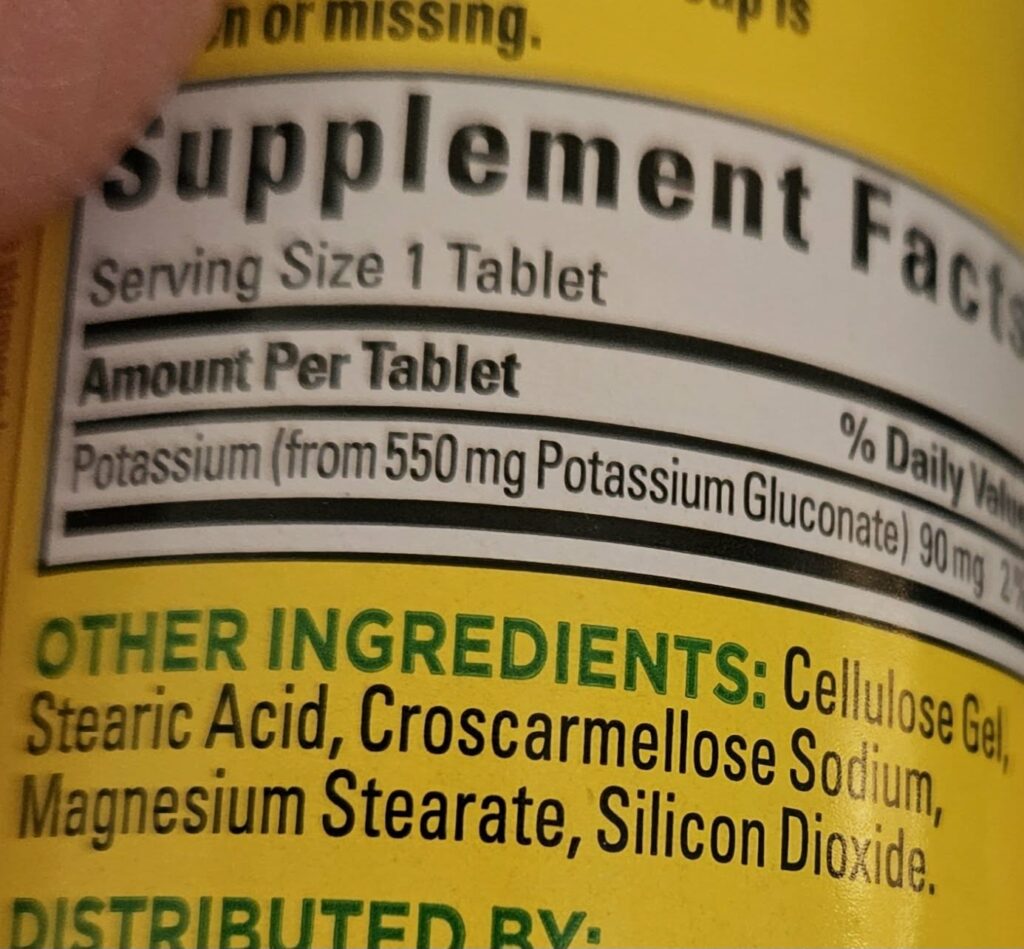
Magnesium Stearate
This ingredient shows up everywhere. Manufacturers use it to keep powders from sticking to machines and to help capsules fill smoothly. From a production standpoint, it makes sense.
Some people worry it forms a film around ingredients and may slow how they dissolve and absorb. Research shows mixed results, and small amounts appear generally safe. Still, in a cleaner lifestyle, it raises a fair question: Does this support my body or just the manufacturing process?
Titanium Dioxide
This ingredient serves a purely cosmetic role. Companies use it to make capsules look bright white or more uniform. It provides no nutritional value.
Some countries have restricted or banned it in food due to concerns about how it behaves in the body over time, especially at the cellular level. You may not see it as a hard “no,” but it often makes people question why it’s included at all.
Artificial Colors (Red 40, Yellow 5, Blue 1, etc.)
I pay close attention to these. Companies add them to make supplements look more appealing or consistent, especially in gummies or coated tablets.
They don’t support your health in any way. For some people, they can trigger sensitivities, headaches, or behavioral reactions. If you aim for cleaner living, skipping artificial dyes becomes an easy and practical choice.
Other Ingredients to Watch Out For When Choosing the Right Supplements
Hydrogenated Oils
It surprises a lot of people to see these in supplements, but they do show up—usually to improve texture or extend shelf life.
The issue is that hydrogenated oils are a source of trans fats, which have long been associated with inflammation and heart health concerns. Even in small amounts, it feels out of place in something meant to support wellness.
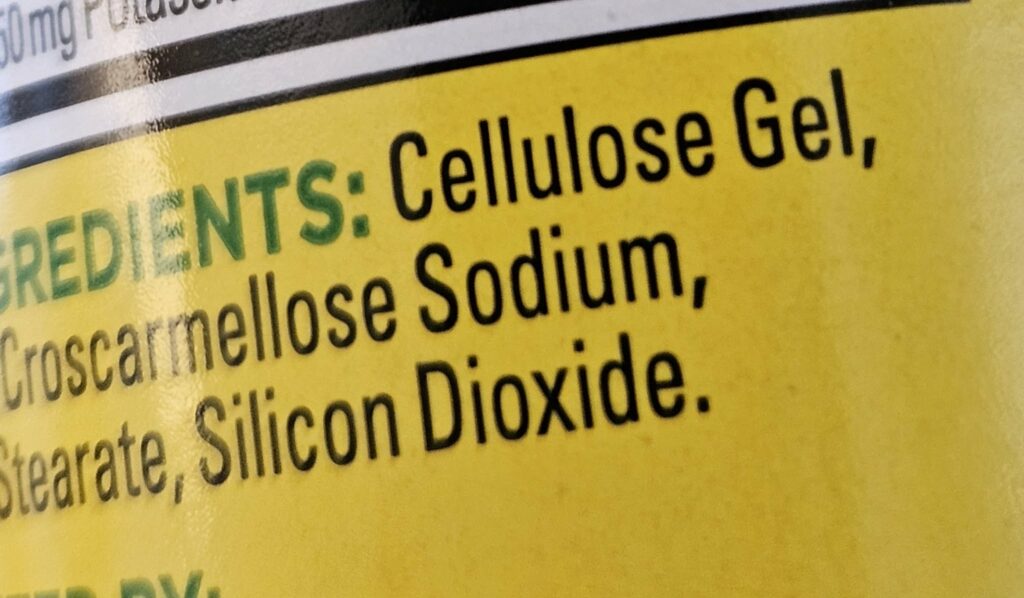
Silicon Dioxide
This is an anti-caking agent—it keeps powders from clumping so everything flows smoothly during production.
It’s widely regarded as safe in small amounts, but again, it falls into that category of “extra.” If you’re taking multiple supplements daily, those little extras can add up. For me, it’s less about fear and more about minimizing what isn’t necessary.
“Proprietary Blends”
This is one of the biggest red flags for me. When a label lists a blend of ingredients but doesn’t tell you how much of each one is included, you’re essentially guessing.
It could mean you’re getting a meaningful dose… or just a sprinkle for marketing purposes. Transparency matters, especially when you’re putting something into your body every single day. If a company isn’t willing to fully disclose amounts, it’s fair to ask why.
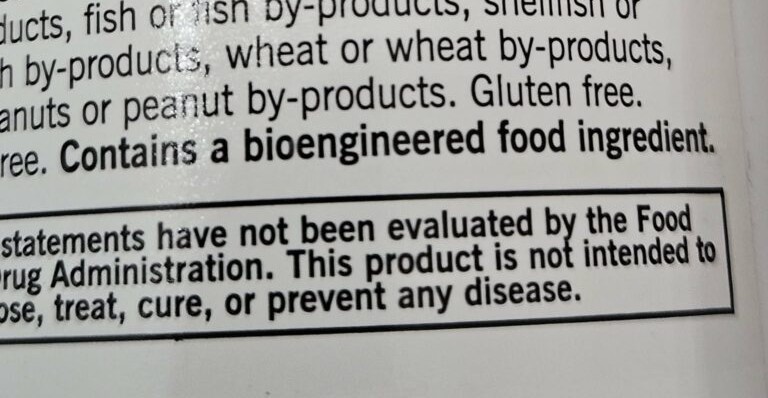
Bioengineered Food Ingredient
Bioengineered ingredients in supplements come from genetically modified sources. Companies may use them to make products cheaper, more stable, or easier to produce in large amounts. They’re not always harmful, but some people prefer to avoid them because of concerns about long-term health effects, environmental impact, or unclear sourcing.
If you prefer a more natural or homestead-style approach, look for supplements labeled non-GMO or ones that clearly explain where their ingredients come from.
Absorption Matters When Choosing the Right Supplements (This Is Huge)
You can take all the vitamins in the world… but if your body can’t absorb them, it doesn’t matter.
Some common issues:
- Certain forms of vitamins are harder for your body to use (like some forms of magnesium or B vitamins)
- Low-quality capsules don’t break down properly
- Your gut health plays a big role in absorption
This is why you might take something for months and feel no difference.
What I Look for in a Good Supplement
Over time, I’ve learned to look for a few key things:
- Clean ingredient list (no unnecessary fillers)
- Clearly labeled dosages
- Bioavailable forms (easier for your body to absorb)
- Third-party testing when possible
- No artificial dyes or junk ingredients
Simple. Transparent. Nothing hidden.
My Personal Experience Switching Supplements
I’ll be honest—this is where things changed for me.
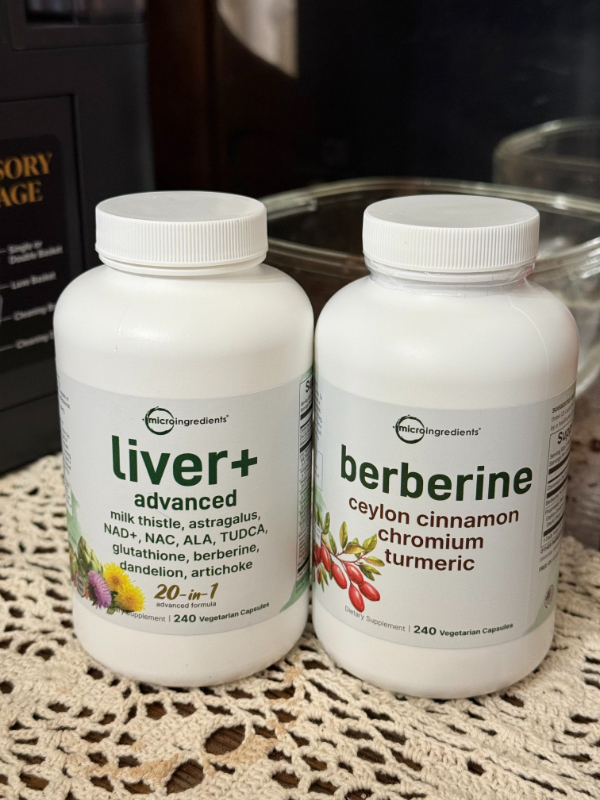
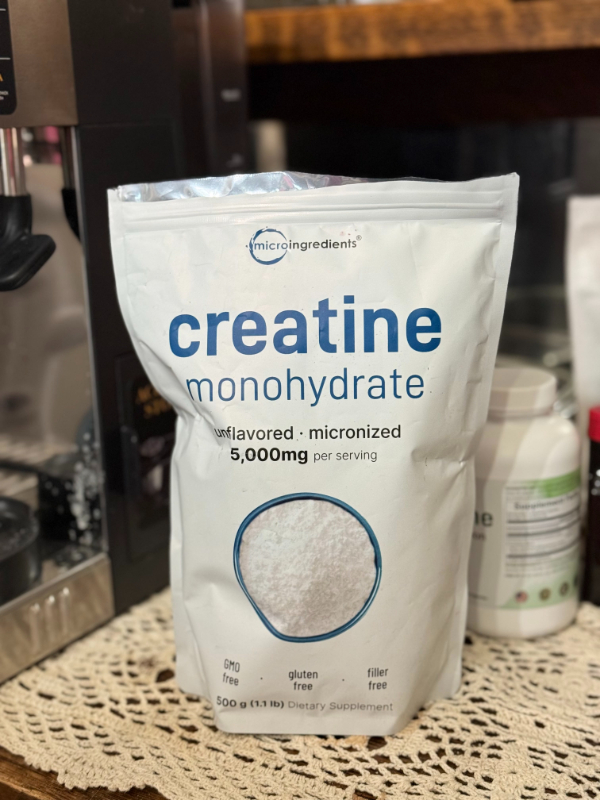
I recently switched to Micro Ingredients, and I noticed a difference pretty quickly.
A few things I personally love:
- Some of their capsules are smaller and easier to take (which matters more than you think)
- Clean formulas without a bunch of unnecessary additives
- I actually started noticing results instead of wondering if something was working
And I want to be very clear about this:
This is not sponsored. I paid for these myself.
I originally found them on TikTok (sometimes you can get better pricing there), and I’ve since added them to my TikTok shop. You can also find them on Amazon if that’s easier for you.

A Gentle Reminder (Because This Matters)
I’m not a doctor, and I’m not here to treat or cure anything. I’m simply sharing what has worked for my family and me through our own health journey. Always talk to your doctor before starting any new supplement—especially if you have underlying conditions or are taking medications.
Final Thoughts on Choosing the Right Supplements
If you take anything away from this, let it be this:
Don’t just grab the cheapest bottle on the shelf. Your health is worth paying attention to what you’re putting in your body. Start reading labels. Take the time to ask questions. Start small. Because sometimes the biggest changes come from the smallest, most intentional steps.
-
Non-Toxic Kitchen Swaps for a Healthier Home
Non-Toxic Kitchen Swaps to create a healthier kitchen with simple product changes and practical cooking tips.
-
Heavy Metals in Protein Powders: What to Know
Heavy metals in protein powders? Learn what Consumer Reports found and how to make informed supplement choices.
-
Strawberry Leaf Benefits: Ways to Use Strawberry Leaves
Discover strawberry leaf benefits and learn how to use strawberry leaves in tea, smoothies, salads, and more.
-
Beyond Digestion: How Parasites May Impact Energy, Skin, Mood, and Immunity
Parasitic infections don’t always just cause obvious digestive symptoms. In some cases, they may also contribute to fatigue, skin concerns, mood changes, and immune system imbalances. Learn how these hidden infections can affect overall wellness, the signs to watch for, and practical steps to support your body’s natural defenses and recovery.
-
Halotherapy: What It Is and How It Can Help
Learn what halotherapy is, how salt therapy may support respiratory health, who should avoid it, and ways to try it at home.
-
Why Healing the Gut Starts With Environment, Not Supplements
Emma Magnolia is a holistic health educator, therapeutic bodyworker, and lifestyle practitioner who discusses that supplements can help us have our best gut health possible, they are not the foundation. Instead, it is the daily conditions surrounding digestion that best support a healthy gut.