The Nutritional Benefits of Henbit: A Backyard Foraging Guide
Every February in Oklahoma, before most gardeners even think about planting tomatoes, a soft carpet of purple blooms quietly takes over lawns, garden beds, and fence lines. Most people call it a weed. I call it food. As an herbal gardener and apothecary homesteader, I pay close attention to what grows naturally in my yard. I do not use chemicals, herbicides, or synthetic lawn treatments, which means the plants that pop up each spring are safe for foraging. One of my favorites is henbit (Lamium amplexicaule). When properly identified, this humble wild green offers impressive nutritional value and gentle herbal support. Let’s take a deeper look at the Nutritional Benefits of Henbit and why this overlooked plant deserves a place in your kitchen and herbal cabinet.
What Is Henbit?
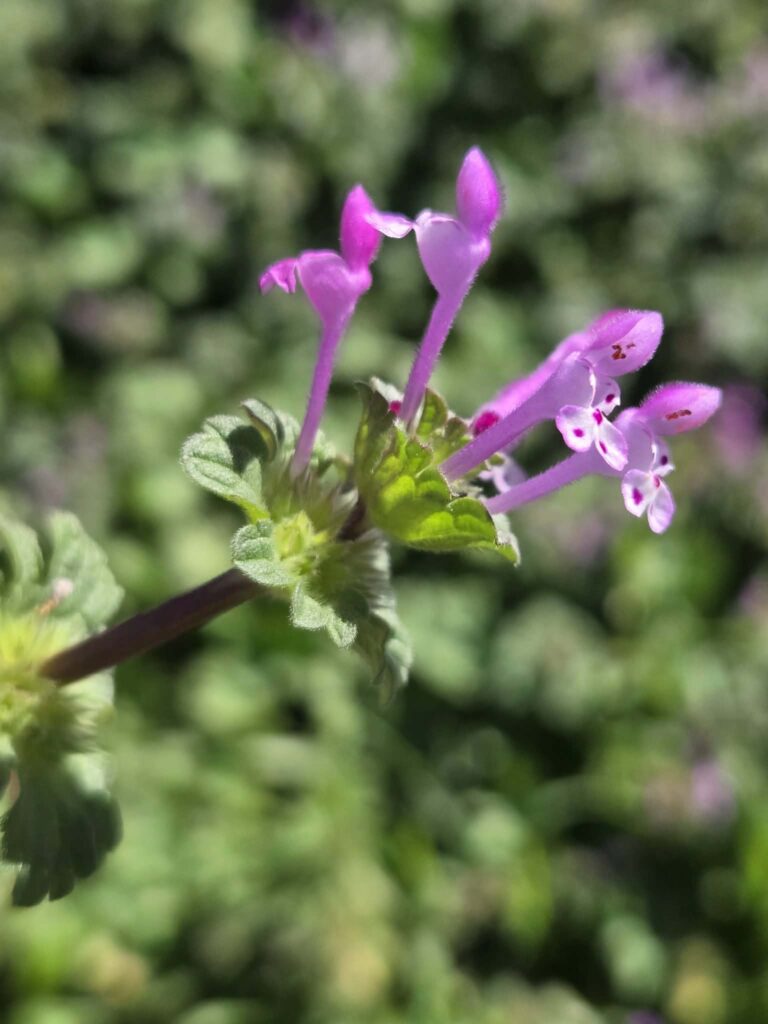
Henbit is a member of the mint family with square stems, rounded, scalloped leaves that wrap directly around the stem, and small pinkish-purple tubular flowers that bloom in early spring. It spreads aggressively, forming low mats across lawns and garden beds. Because it grows so easily, you can also cultivate henbit intentionally in a pot if you want a controlled supply. Just be warned — it spreads quickly.
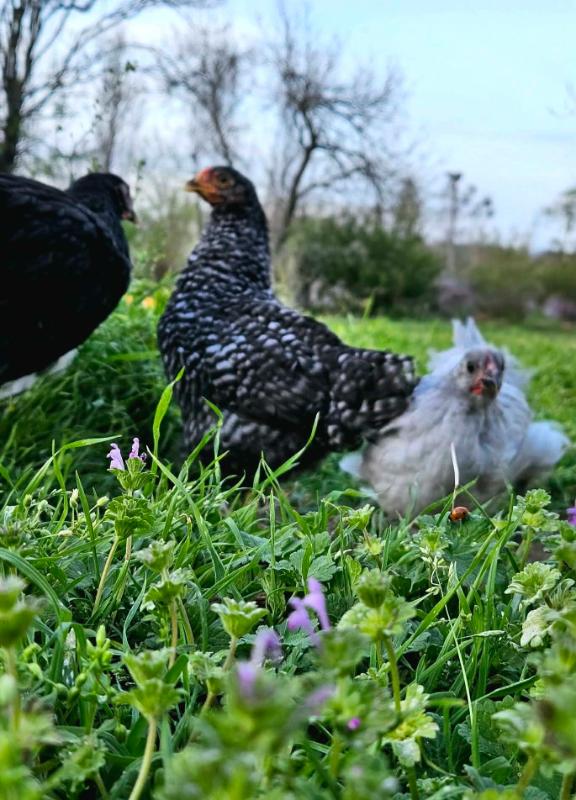
Historically, poultry enjoyed nibbling on it (hence the name), and traditional herbalists valued it as both food and medicine. Today, foragers are rediscovering its value as a nutrient-dense spring green.
The Nutritional Benefits of Henbit
Henbit may be small, but its nutritional profile is surprisingly impressive.
It contains notable levels of:
- Iron
- Vitamins A, C, and K
- Beneficial plant fiber
- Antioxidant compounds such as flavonoids and anthocyanins
- Phenolic compounds that support cellular health
Iron supports oxygen transport and energy production. Vitamin C strengthens the immune response and enhances iron absorption. Vitamin A contributes to healthy skin and vision. Also, Vitamin K plays an essential role in proper blood clotting and bone health.
In addition to vitamins and minerals, henbit contains plant compounds that function as antioxidants. These compounds help neutralize free radicals and support overall cellular balance, especially helpful as our bodies transition from winter into spring.

Henbit and Liver Support in Spring
In traditional Western herbalism, spring is considered a time to support the liver gently. After months of heavier winter foods, incorporating fresh greens into the diet provides nutrients that assist the body’s natural detoxification processes.
Henbit offers micronutrients that help support healthy liver enzyme function. Its antioxidant content also helps protect liver cells from oxidative stress. While it is not a dramatic “detox” herb, it is a nourishing spring green that gently supports the body’s built-in cleansing systems.
I prefer food-based support over extreme cleanses, and henbit fits beautifully into that philosophy.
Anti-Inflammatory and Immune Support
Research into the Lamium genus has identified plant compounds known for anti-inflammatory and antimicrobial properties. Traditional herbalists have long used henbit preparations for minor aches, wounds, and seasonal immune support.
The flavonoids and phenolic compounds found in henbit help modulate inflammatory pathways and support immune balance. Consuming the fresh plant as part of a varied diet allows you to benefit from these protective compounds in a natural, food-based way.
Henbit and Hormonal Wellness
Historically, henbit has also been associated with women’s reproductive wellness. Its iron content can be especially helpful for menstruating women, as iron deficiency is common during reproductive years.
Additionally, vitamin K contributes to proper clotting function, and the plant’s nutrient density supports overall endocrine health. While it is not a replacement for medical care, it can be a nourishing addition to a whole-food lifestyle.


Henbit vs. Purple Deadnettle: Why Identification Matters
Henbit is often confused with purple deadnettle (Lamium purpureum), a close cousin. Both are edible, but correct identification is always important.
Henbit leaves are rounded and attach directly to the stem without a leaf stalk. Purple deadnettle leaves are more heart-shaped and grow on small stems. Henbit flowers are pink to light purple and appear in whorls around the stem.
Always positively identify wild plants before consuming them. If you are new to foraging, use multiple identification guides and consult experienced foragers in your area.

How to Use Henbit for Nutritional Benefits
Henbit has a mild, slightly earthy flavor. It is far less bitter than many wild greens.
You can:
- Add young leaves and flowers to salads
- Blend it into smoothies
- Stir it into soups at the end of cooking
- Make an infused oil for salves
- Dry it for tea
Because it grows so abundantly, it is one of the easiest wild greens to experiment with.
If you prefer a more controlled approach, grow henbit in a large container. It thrives in cool weather and spreads rapidly, making it a resilient early-season green for small-space homesteaders.
A Note on Safety When Using Henbit for Nutritional Benefits
When properly identified, people can safely consume henbit. However, consuming very large quantities of it can cause health issues in certain livestock.As with any wild plant, moderation and correct identification are key.
Since I do not use chemicals in my yard, I feel confident harvesting from my own property. If you are foraging elsewhere, avoid areas treated with herbicides, roadside runoff zones, or high-traffic pet areas. The nutritional benefits of henbit would definitely be affected by chemical usage.

Final Thoughts
The Nutritional Benefits of Henbit remind us that sometimes the most valuable plants are the ones we overlook. What many consider a nuisance weed is actually a nutrient-dense spring tonic growing freely in our own backyards.
As homesteaders, we are called to steward what we have. Sometimes that means planting heirloom seeds. Other times, it means bending down and harvesting what God already provided.
This spring, before you mow it down, take a closer look at the purple blooms beneath your feet. You might just discover one of the most generous gifts of the season.
Stay tuned — I’ll be sharing how to make henbit tea and herbal preparations next.
Health Disclaimer:
The information provided on this website is for educational and informational purposes only and is not intended as medical advice. I am not a licensed healthcare provider, and the content shared here should not be used to diagnose, treat, cure, or prevent any medical condition. Always consult with a qualified healthcare professional before beginning any new health or wellness regimen, especially if you are pregnant, nursing, have a medical condition, or are taking any medications. Use essential oils and other natural remedies responsibly and at your own risk.
-
How to Get Rid of Bugs in Your Vegetable Garden Naturally
Getting rid of bugs in your vegetable garden naturally starts with prevention and simple care. Check your plants often so you can spot pests early and act quickly. Use natural solutions like neem oil, garlic spray, or insecticidal soap to control problem insects without harming your garden. You can also invite helpful insects like ladybugs and lacewings, which feed on common pests.
Healthy soil and strong plants make a big difference. Add compost, rotate crops, and keep your garden clean to reduce places where pests can thrive. Barriers like row covers and natural materials like diatomaceous earth can also protect your plants. By combining these easy methods, you can control bugs and keep your vegetable garden healthy without using harsh chemicals. -
Best Watering Schedule for Different Types of Vegetables
Learn the best watering schedule for vegetables and get Oklahoma-specific tips to keep your garden thriving in any season.
-
How to Keep Rabbits Out of Your Garden Naturally
Learn how to keep rabbits out of your garden naturally with easy, organic methods and homemade deterrent sprays.
-
Garlic Spray for Plants
Garlic is a versatile herb known for its use in cooking, medicinal purposes and even pest control. In recent years, the popularity of using garlic as a natural way to protect plants from pests has increased. This article will explore how homemade garlic spray can be used effectively on plants to repel pests while protecting…
-
How to Get Rid of Bugs in Garden Soil
Gardening can be rewarding but garden soil may be susceptible to infestation by various bugs. Learn how to get rid of bugs in garden soil.
-
Ladybugs for Plants: Why They are Beneficial
The presence of beneficial insects in a garden is often overlooked. Check out ladybugs for plants and why they are beneficial