How to Get Rid of Bugs in Your Vegetable Garden Naturally
“A stitch in time saves nine” is a familiar saying that applies to garden pests. Every gardener knows the frustration of insects damaging their hard work. The good news is that you can get rid of bugs without harmful chemicals. This article outlines natural ways to protect your vegetable garden and keep it eco-friendly.
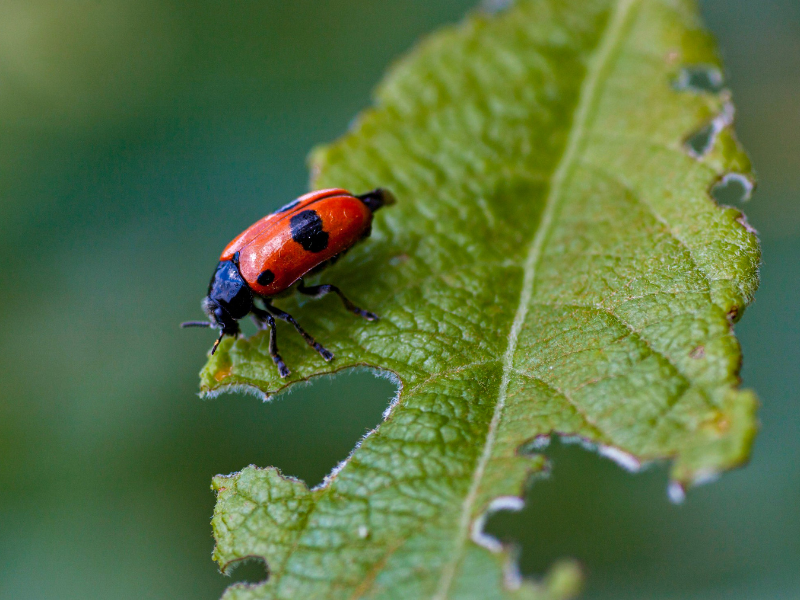
Preventing infestations starts with understanding when and why bugs appear. Early action helps stop problems before they spread. Natural repellents like garlic spray, neem oil, soap spray, pepper sprays, and horticultural oils can deter insects. You can also introduce beneficial predators such as ladybugs or nematodes to protect your crops.
Good garden care is just as important. Practices like crop rotation and removing damaged plants help reduce pests. These simple steps support a healthier garden. In the sections ahead, we explain each method so you can keep your vegetable garden free of unwanted bugs.
Definition Of Garden Pests
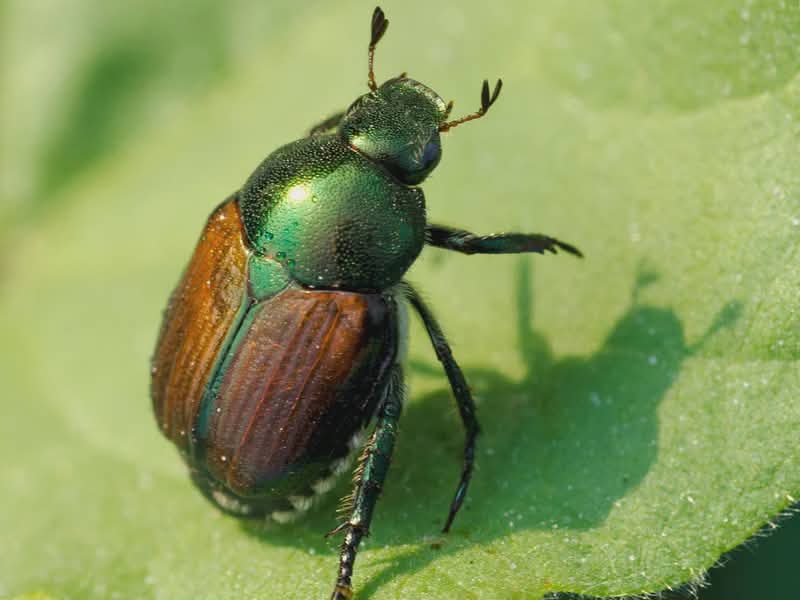
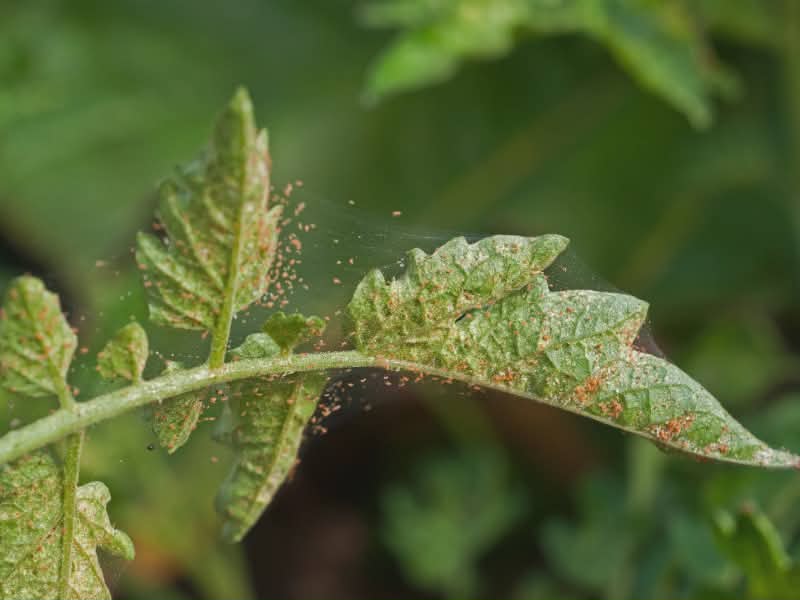
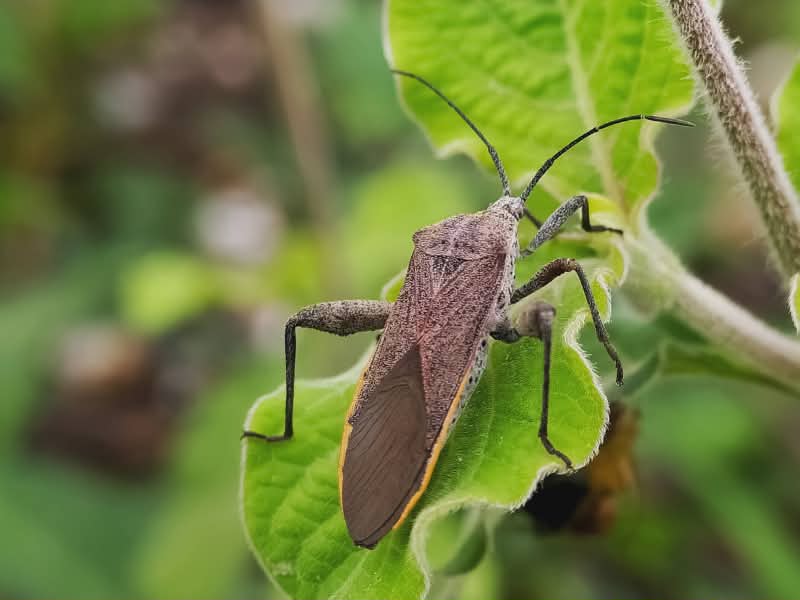
Garden pests are small creatures that feed on plants by eating their leaves, stems, or roots. This can harm crops, lower how much they produce, and make them unsafe to eat. Common pests include spider mites, Japanese beetles, squash bugs, and many other insects.
Helpful insects like ladybugs and lacewings can control these pests. However, they may not get rid of all of them. It is important to spot a problem early so you can act before it gets worse.
Natural options like diatomaceous earth, neem oil, and helpful insects can reduce pest numbers. These methods also help plants grow strong. Strong plants are better at fighting off pests and staying healthy.
Identification Of Infestations
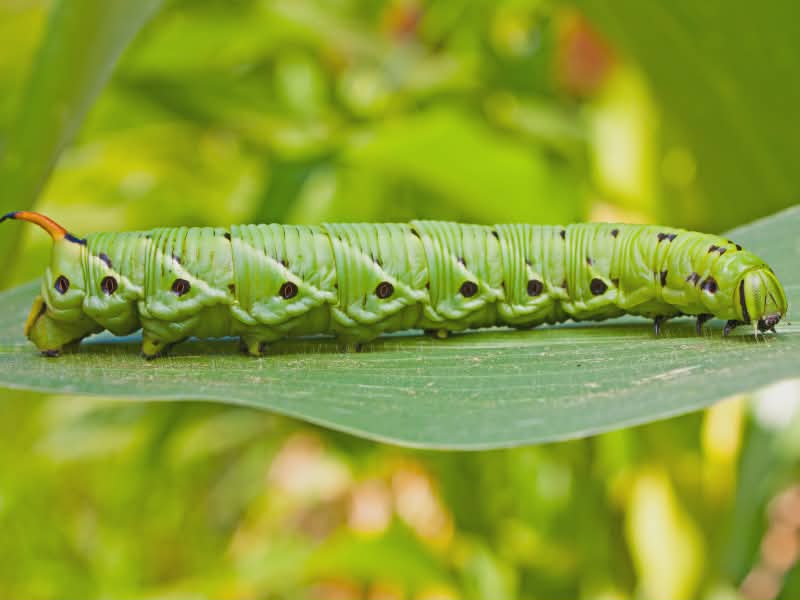
Finding pests early is key to good control. Common vegetable pests include flea beetles, caterpillars, aphids, and spider mites. Identify the insect so you can choose the right natural method. Check leaves, stems, and roots often as part of your routine.
Companion planting can help keep insects away. Grow herbs like rosemary or basil to repel pests. You can also use garlic spray or essential oils as natural insect killers. Insecticidal soap works well on soft pests like aphids and whiteflies. Neem oil helps control tougher pests like mealybugs and scale.
These simple steps help manage pests and keep your garden healthy. Some methods may not work if used at the wrong time. Pest life cycles and weather can affect results. Keep checking your plants even after treatment. Continue until all signs of pests are gone. This approach helps you avoid chemical pesticides.
Always check new plants when you bring them home. Make sure they are free of bugs. Then keep checking your existing plants often.
Preventive Measures to Get Rid of Bugs
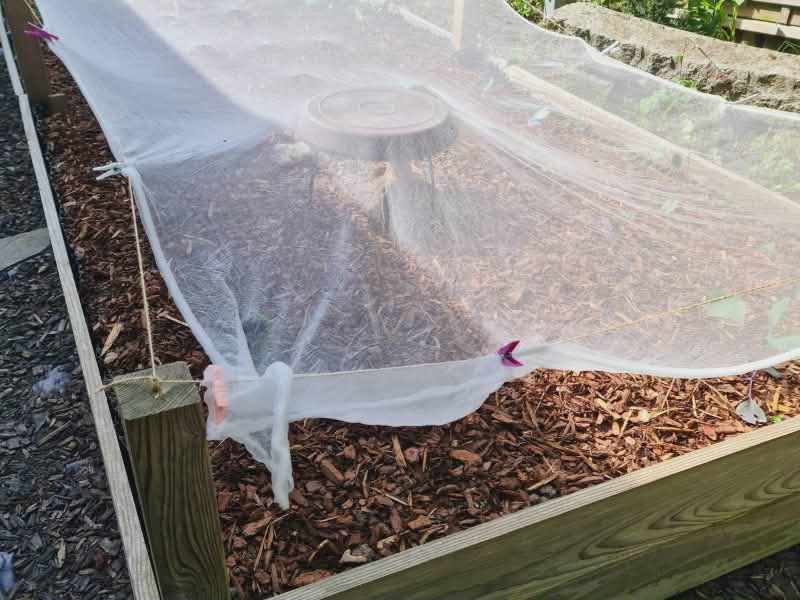
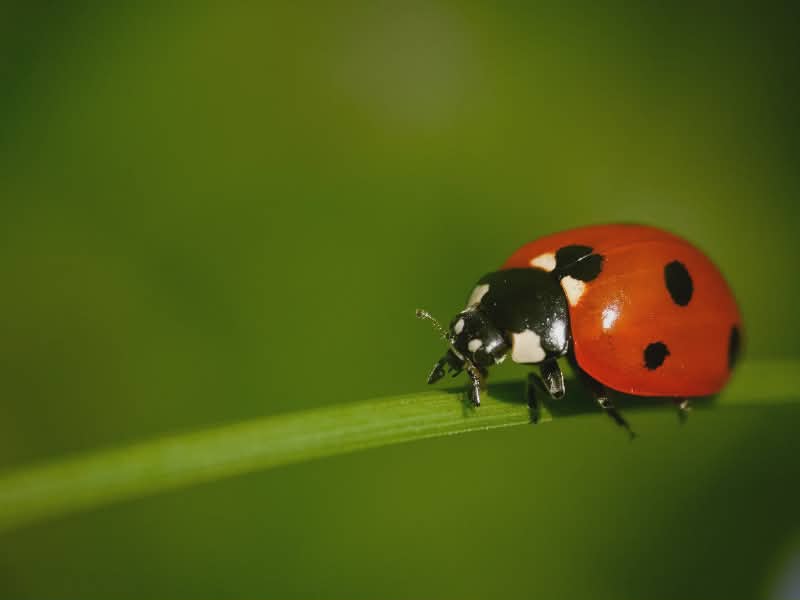
You can prevent bugs in a vegetable garden with a few simple steps. Row covers help protect plants from insects. Place the mesh over plants to block flying pests. Secure it to stop crawling insects like cutworms. You can also add helpful insects to your garden. Ladybugs, for example, eat many harmful pests.
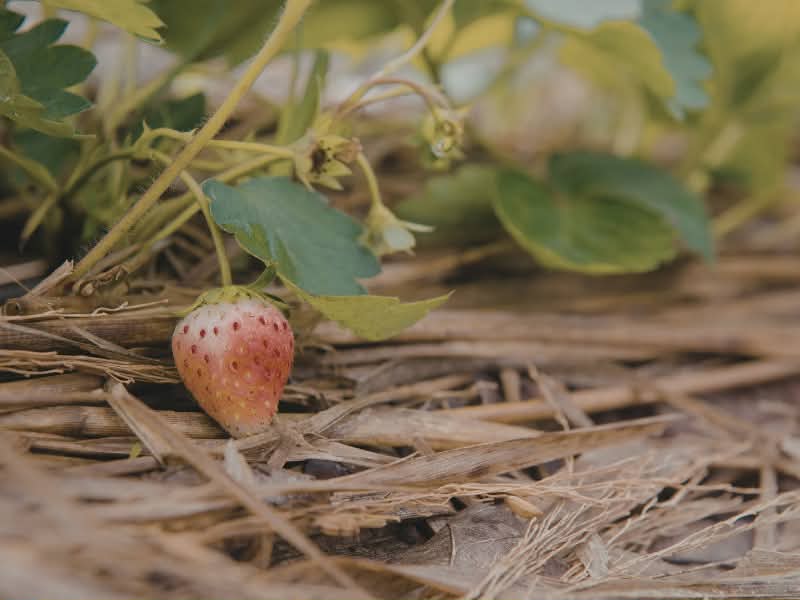
Organic methods can reduce bug problems in a natural way. Use mulch like straw, compost, or shredded leaves. This helps keep some insects away and improves soil health. Choose plant varieties that resist disease. This lowers the risk of problems that attract pests. Natural products like neem oil can repel insects when used on leaves before planting. These products still allow helpful insects to move through the garden.
With these steps and regular care, you can protect your garden without chemicals. Pruning and weeding also help keep pests under control. Organic insect sprays can be used if needed, but only as a last option. Natural pest control keeps bug numbers low in many types of plants. Keep reading to learn more about natural ways to remove pests from your vegetable garden.
Organic Insecticides That Get Rid of Bugs
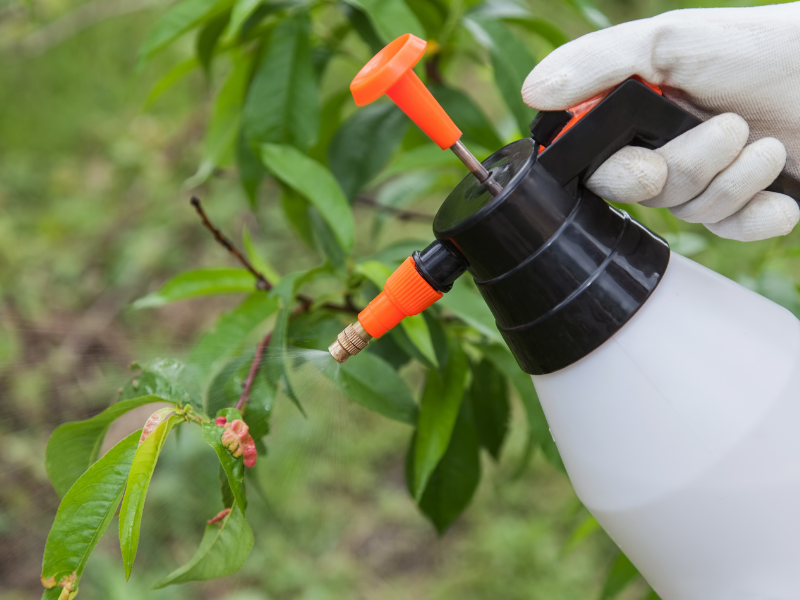
Organic insecticides give vegetable gardeners a natural way to control bugs without harsh chemicals. They clear out pests and protect the garden from future infestations. They also keep the environment safe.
One common organic insecticide is Bacillus thuringiensis (BT). This natural bacterium acts as a stomach poison for certain caterpillars and other leaf-chewing insects. When pests eat treated leaves, BT kills them. Growers have approved it for organic use since 1961. It poses little risk to people or helpful insects like bees, butterflies, ladybugs, and parasitic wasps. Spray BT directly on plant leaves and reapply it every seven to ten days until the pests are gone.
Gardeners use other organic insecticides as well. Mix cayenne pepper and castile soap, and spray it on plants to repel insects. Place citrus rinds around seedlings to deter pests. Spread milky spore powder over the soil to target Japanese beetle grubs. It uses natural spores that infect only the larvae. These methods use strong scents or unpleasant tastes to drive pests away. They also add organic matter that supports healthy soil.
Natural remedies like these reduce stress for both the gardener and the garden ecosystem. With the right organic tools, you can grow strong, healthy plants without unwanted pests.

Alternative Methods Of Pest Control
Beyond organic insecticides, there are several alternative methods available to control pests in vegetable gardens. These alternatives are often safer and more cost-effective than traditional chemical sprays. Below is a list of some natural pest controls for vegetable gardens:
* Hot peppers – Sprinkle hot pepper flakes or cayenne pepper around the edges of your garden to deter bugs from entering. The capsaicin found in these ingredients will irritate their skin upon contact.
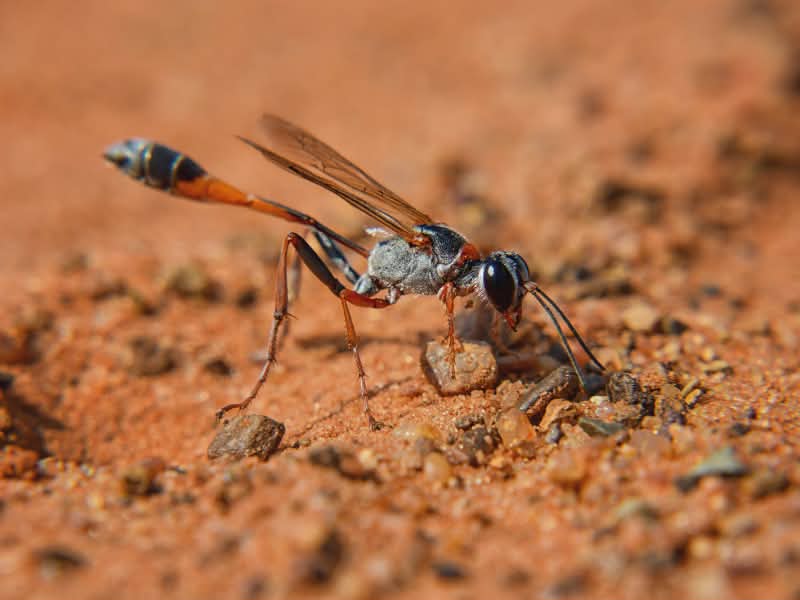
* Parasitic wasps – Release parasitic wasps into your garden to attack caterpillars and other insects that can damage plants. Make sure you purchase beneficial species so they won’t become a problem themselves.
* Homemade bug spray – Create homemade bug sprays using ingredients like garlic, onion, neem oil, vinegar, citrus peels, and essential oils. Mix these together with water in a large spray bottle and apply directly onto affected areas of the garden as needed.
These natural pest controls help reduce harmful bugs without harsh chemicals. You can also add helpful insects like ladybugs, lacewings, and praying mantises. They eat bad insects and help keep them under control. With these simple methods, you can protect your garden without using costly or toxic treatments.
Beneficial Insects
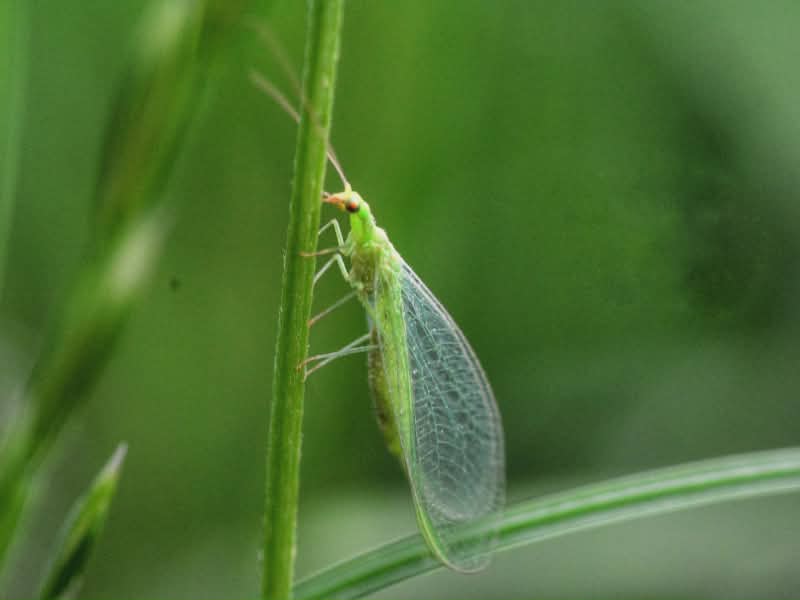
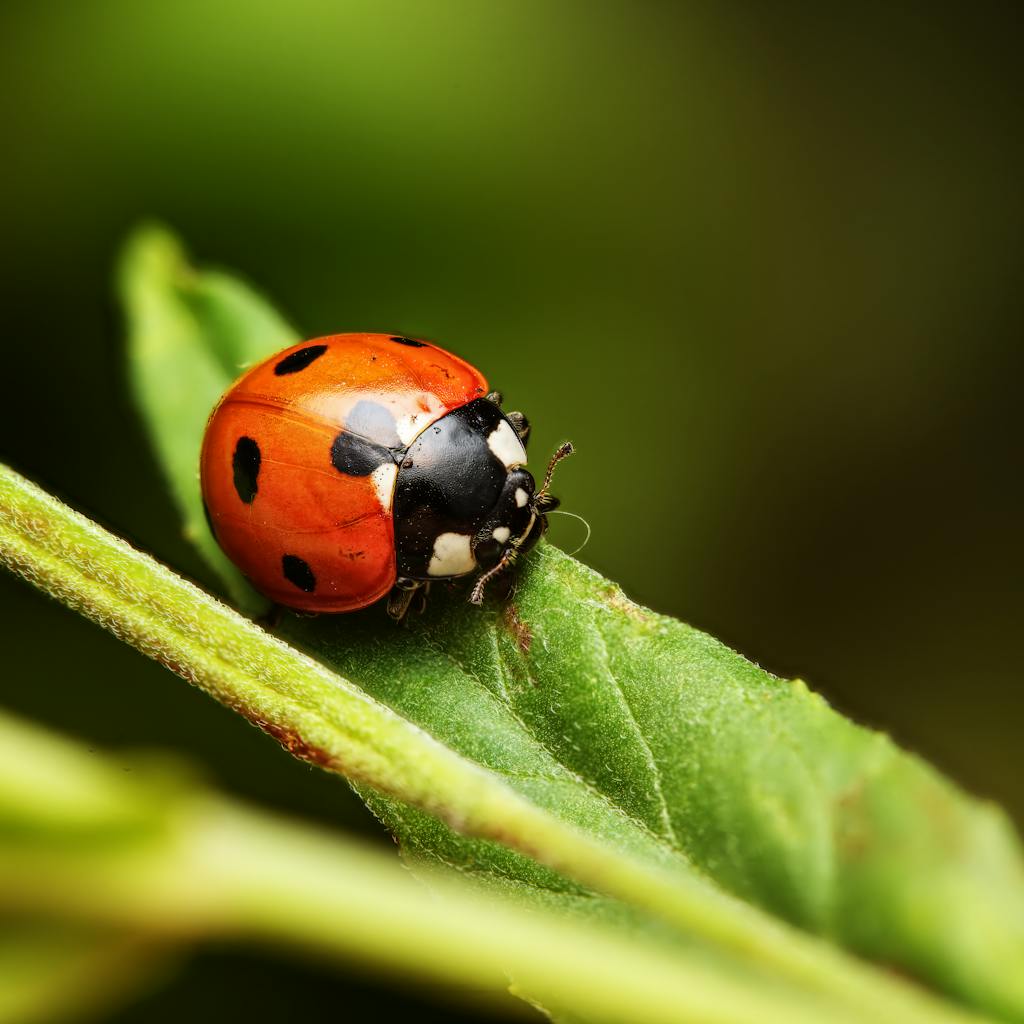
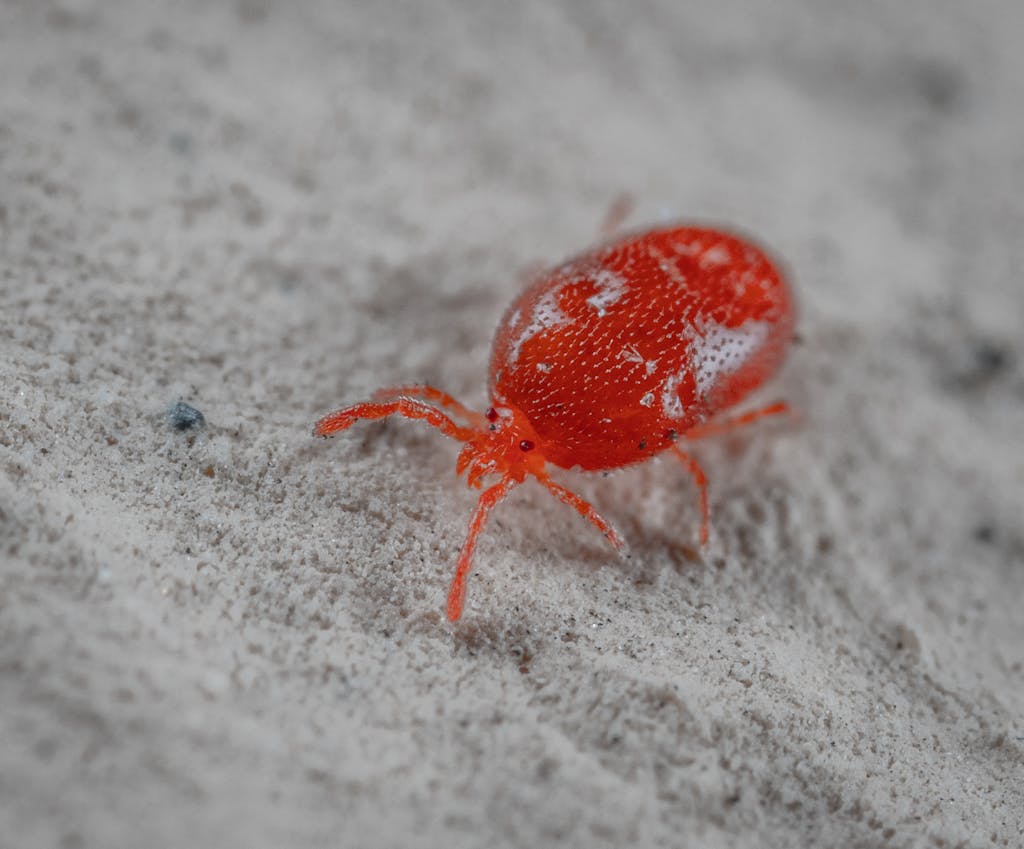
Beneficial insects give you a natural way to control pests in your vegetable garden. You can buy them from nurseries or online and release them to manage bugs like tomato hornworms. Ladybugs, lacewings, and predatory mites are common helpers. They eat aphids, whiteflies, and other pests that harm plants. Avoid chemical insecticides so you do not kill these helpful insects.
You can also use a simple homemade soap spray. Mix one cup of vegetable oil with two tablespoons of dish soap. Stir this into a gallon of water. Spray it on leaves where pests gather. It suffocates soft-bodied insects and still lets helpful insects survive. The oil also helps the spray stick to leaves longer.
Create a garden that supports beneficial insects and use simple sprays instead of harsh chemicals. This keeps pest numbers low without costly products or extra work. These methods support healthy plants and a balanced garden. Plant choices and crop rotation also help control pests. You will learn more about those next.
Plant Selection And Rotations
Plant selection and rotation play a key role in managing pests in the vegetable garden. Choose plants that resist common pests like tomato hornworms and cabbage worms. Rotate crops each season to break pest cycles. Move young plants to new spots every year so pests cannot settle in the soil.
Keep fruit trees away from vegetable beds. Some insects prefer fruit trees over vegetables, including cucumber beetles. When choosing varieties, pick fruits and vegetables known for strong pest resistance.
These steps reduce pest pressure without chemical sprays. Add soil amendments to boost organic matter and support healthy soil. Better soil helps prevent many soil‑borne diseases. This approach supports natural ways to keep bugs out of the vegetable garden.
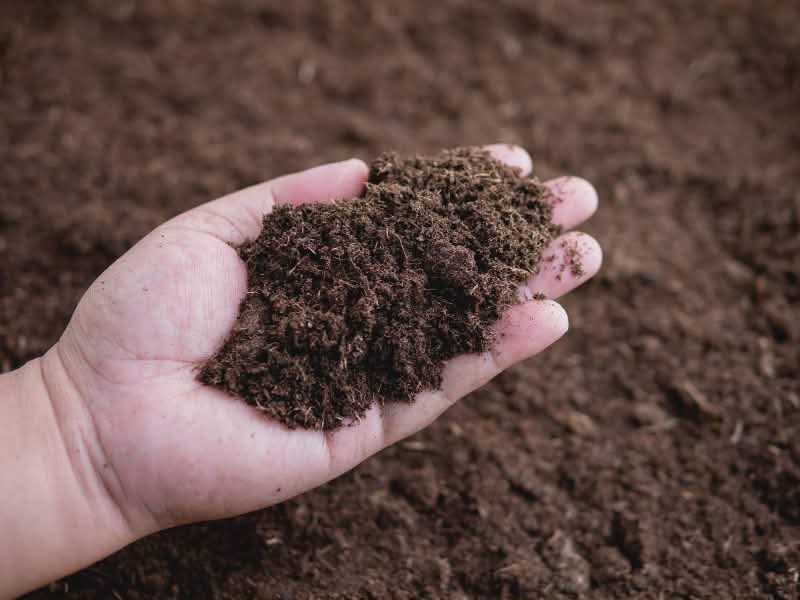
Soil Amendments to Get Rid of Bugs
Using soil amendments helps reduce bugs in a natural way. These materials improve soil and help plants grow strong. Common options include compost, peat moss, limestone, rock phosphate, sulfur, and crushed rock like basalt or granite. They improve soil texture and drainage. They also add nutrients like nitrogen, phosphorus, potassium, and magnesium.
Mix these materials into the top layer of soil at least two weeks before planting. For each quart of water, add one cup of slow-release fertilizer. Lightly water the area after mixing. Apply natural pesticides early in the morning when it is cool. This helps prevent leaf damage and stress from heat. Regular use of soil care and natural treatments supports a strong, pest-resistant garden.
With these steps, you can grow healthy plants without chemical insecticides. Good soil care helps you enjoy steady harvests each year.
Natural Repellents That Get Rid of Bugs
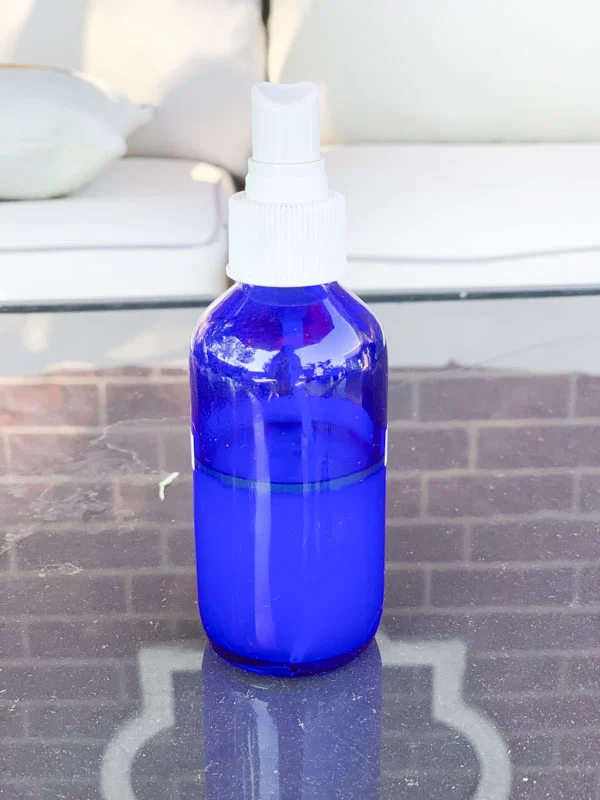
Who would have thought that the very thing you use to hydrate your plants could also be used to keep pesky bugs away? The irony of it all! Natural repellents are one of many ways to rid vegetable gardens of unwanted bugs and pests.
To get started, here is a list of items to assist with natural repellent methods:
Spray bottle
Fine powder
Organic pest control products
You can fill spray bottles with water or a natural mix like garlic oil. Spray it on the leaves and stems of affected plants. This helps deter cabbage moths, whiteflies, Mexican bean beetles, aphids, and other common garden pests.
You can also add fine powders like diatomaceous earth around the base of plants. This creates a physical barrier that harms insects when they touch it. It can also add minerals to the soil. Strong-smelling oils like citronella help keep flying insects away because of their scent. Products made from neem trees can stop insect eggs from hatching and prevent them from reproducing.
Using natural sprays, repellents, and barriers together gives strong pest control. These methods help you manage bugs safely without relying on chemical pesticides.
Exclusion Techniques
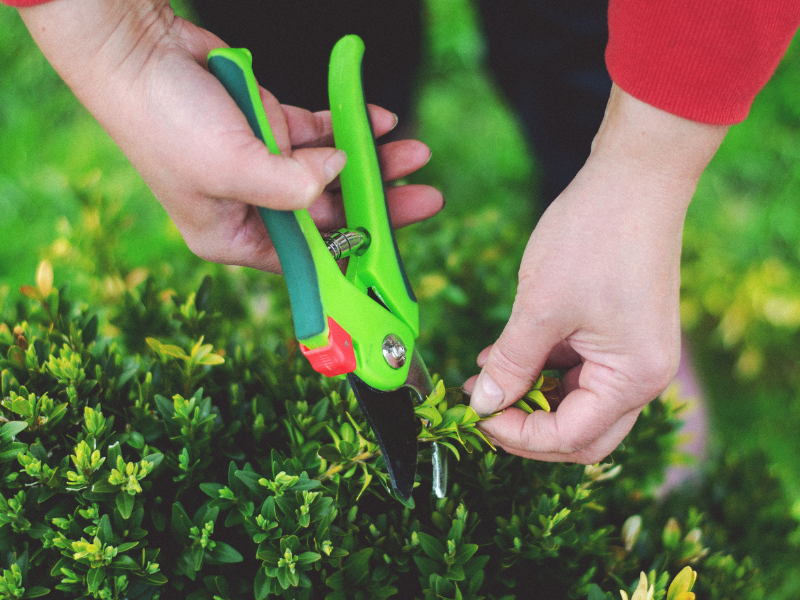
Exclusion is one of the easiest natural ways to keep bugs out of a vegetable garden. It’s the first step to take when you notice pests, and it often works better than chemical sprays. Start by identifying which insects are in your garden. You can check with a local garden center or look them up online. Once you know what you’re dealing with, remove anything that helps them spread. For example, if you find scale insects on a branch or leaf, prune off those parts so they can’t move to healthy plants.
You can also keep pests out by covering affected plants with netting or fabric row covers. These barriers block wind‑blown spores, airborne pests, and insect larvae that feed on crops like tomatoes and potatoes. Covers protect plants while still allowing light and water through.
Make a habit of inspecting the garden perimeter. Regular checks help you spot problems early and take action before pests cause real damage.
This simple approach keeps bugs out, protects your plants, and reduces the need for chemical controls.

Hand-Picking And Disposal Techniques
Getting rid of bad bugs in a vegetable garden is no walk in the park. It requires patience, diligence and an understanding of common garden pests. The best thing to do when dealing with these pesky critters is to manually remove them as soon as they appear on the leaves of the plant. This is an effective way for an organic gardener to get the best results without having to use any chemical sprays or other treatments that may be harmful. Here are some tips for hand-picking and disposing of soft-bodied insects from your vegetable garden:
* Use gloves when removing bugs by hand, especially if you have sensitive skin.
* Try crushing the bug with your thumb or a tool such as tweezers instead of using insecticides.
* Make sure to dispose of all dead bugs away from your vegetable garden so they don’t attract more pests.
* Check the entire plant thoroughly before moving onto another one; this will help ensure that you’re not missing any small creatures hiding between stems or under leaves.
For those looking for an even easier solution, there are traps and barriers available that can make getting rid of unwanted bugs much simpler. Transitioning into these methods often provides better long-term protection against further infestations than just hand-picking alone.
Traps And Barriers to Get Rid of Bugs
Traps and barriers help reduce bug numbers in vegetable gardens. You can buy them in stores like Home Depot or online. They come in different sizes for different plants. Pay close attention to the base of each plant, where many bugs feed. Place traps around this area to interrupt the insect life cycle.
Barriers work by blocking pests from reaching plants. They stop insects from entering certain garden areas. Use them carefully and check them often. Some traps need bait to attract insects before they enter the area. Traps and barriers give you a simple way to control pests without chemicals. They also help protect helpful insects like pollinators.
Biological Control Agents
Vegetable gardeners have good news: you can control bugs naturally without synthetic pesticides. Biological control agents, or “good” insects, help reduce pest numbers. These beneficial insects eat specific pests and leave plants unharmed. Ladybugs and lacewings also help manage powdery mildew by feeding on fungal spores.
You can also use attractants to manage insect populations. Pheromone traps and scented lures draw pests away from plants. Strong odors guide insects into traps instead of onto vegetables.
Using these methods together reduces bug infestations naturally. This approach lowers the need for chemical treatments and keeps the garden ecosystem healthy.
Cultural Control Strategies
Cultural control strategies help manage bugs naturally in a vegetable garden. These methods change the garden environment so it becomes less attractive to pests and more supportive of helpful insects.
Intercropping helps reduce pests. Plant different vegetables together so insects have a harder time finding their preferred crop. Crop rotation also lowers pest numbers. Move vegetables to different spots each season to break insect life cycles.
Floating row covers protect plants. Place mesh covers over garden beds to block flying insects and stop them from laying eggs. Mulching adds another layer of protection. Spread organic mulch to reduce soil diseases and limit weeds that attract pests.
Keep the garden clean. Remove dead or decaying plant material quickly because many pests lay eggs there. These simple steps reduce pest problems without chemical sprays. You can also add natural predators like ladybugs or beneficial nematodes to target specific pests. Together, these methods help keep your vegetable garden healthy and more resistant to pests.
Other Non-Toxic Solutions to Get Rid of Bugs
You can use several non‑toxic methods to control bugs in a vegetable garden. One option is to add predators that eat pests. Buy ladybugs or lacewings and release them where pests are active. Release them only when temperatures stay above 55°F (12°C), because cold weather kills them.
Companion planting also helps reduce pests. These plants protect vegetables with strong scents or tastes. Marigolds, garlic, chives, basil, lavender, oregano, rosemary, and radishes all deter common garden bugs.
Physical barriers offer another safe option. Use row covers or netting to block pests while letting in light and air. Lightweight fabric stops flying insects like moths and aphids. Seal the edges well so pests cannot slip underneath.
Gardeners face many pests, but natural methods work well. Crop rotation and companion planting lower the risk of infestations. Organic insecticides can target existing pests when needed. Traps, barriers, and biological controls add more protection.
Non‑chemical methods keep your garden safe and support a healthy ecosystem. Working with nature creates balance and long‑term success. With the right steps, you can build strong protection around your vegetables.
Managing bugs does not need to feel overwhelming. Natural solutions can protect your crops with simple, steady effort. With these techniques, you can grow healthy plants and enjoy generous harvests.
Follow Us on Social Media
The Oklahoma Homesteader Facebook Page
U.S. Homesteading for Beginners Facebook Group
TheOklahomaHomesteader on Instagram
Check out Homesteading Articles on ConsumerQueen
-
Strawberry Leaf Benefits: Ways to Use Strawberry Leaves
Discover strawberry leaf benefits and learn how to use strawberry leaves in tea, smoothies, salads, and more.
-
Boost Your Raised Garden Bed Naturally: Secrets to Health Soil
Learn how to improve your raised bed garden naturally with tips on healthy soil, composting, and organic methods.
-
Best Watering Schedule for Different Types of Vegetables
Learn the best watering schedule for vegetables and get Oklahoma-specific tips to keep your garden thriving in any season.
-
Wild Spring Greens: Nature’s Answer to Seasonal Fatigue
Discover wild greens that help fight seasonal fatigue, including henbit, nettles, and chickweed. Everything you need to know.
-
Edible Landscaping: Grow a Beautiful Yard You Can Eat
Edible landscaping is one of the most rewarding ways to transform your yard into a space that’s as nourishing as it is beautiful. Imagine stepping outside and plucking fresh basil for dinner or gathering juicy raspberries from a bush where a plain hedge used to be. Whether you’re looking to trim your grocery budget, encourage your kids to get their hands in the dirt, or simply enjoy the taste of something homegrown, edible landscaping brings practical purpose to every corner of your property.
You don’t need to overhaul your entire yard overnight—start small. A few pots of thyme and mint by the front steps or a blueberry bush in place of an ornamental shrub can spark a garden that grows with you. With every harvest, you’ll find your outdoor space becoming not just a retreat, but a provider.
-
The Nutritional Benefits of Henbit: A Backyard Foraging Guide
Discover the Nutritional Benefits of Henbit and how to forage, grow, and use this wild spring green safely.