The Ultimate Guide to Companion Planting
Companion planting is the practice of planting different types of plants near each other to benefit both the plants and the garden as a whole. The idea is that certain plants help each other grow, deter pests, improve flavor, or even help with nutrient absorption. By strategically pairing plants, gardeners can create a more resilient, productive, and sustainable garden.

Benefits of Companion Planting
Companion planting offers numerous benefits for your garden:
- Pest Control: Some plants have natural repellents that deter pests, reducing the need for chemical pesticides.
- Improved Growth: Certain plants enhance the growth of neighboring plants by providing shade, support, or improving soil quality.
- Better Flavor: Companion plants can sometimes enhance the flavor of vegetables, herbs, and fruits.
- Efficient Use of Space: By choosing compatible plants, you can maximize space in your garden and reduce overcrowding.
- Increased Pollination: Some plants attract beneficial pollinators like bees and butterflies, improving pollination for your crops.
The Science Behind Companion Planting
The science of companion planting involves understanding how plants interact with each other. Some plants release chemicals into the soil or air that either attract beneficial insects or repel harmful ones. Other plants can improve soil health, increase nitrogen levels, or help each other grow by providing shade or support.
Plants like marigolds produce a scent that deters aphids, while basil can enhance the flavor of tomatoes and protect them from certain pests. The key to successful companion planting is recognizing which plants thrive together and which ones do not.
What Vegetables Should You Plant Next to Each Other?
Here are a few examples of vegetable combinations that work well together:
- Tomatoes and Basil: Basil helps deter pests like aphids, whiteflies, and hornworms from tomatoes. It also enhances the flavor of tomatoes.
- Carrots and Onions: Onions help repel carrot flies, while carrots don’t compete with onions for nutrients.
- Cucumbers and Nasturtiums: Nasturtiums act as a trap plant, drawing aphids and other pests away from cucumbers while adding beauty to the garden.
- Beans and Corn: Beans fix nitrogen in the soil, benefiting the corn. The corn provides natural support for the beans to climb.

What Companion Plants Keep Rabbits Away?
Certain plants can help keep rabbits away from your garden. While rabbits may nibble on a wide variety of plants, they tend to avoid those with strong scents or tastes. Here are some companion plants known to deter rabbits:
- Garlic: The strong odor of garlic keeps rabbits at bay. It can be planted around the perimeter of your garden as a protective barrier.
- Lavender: The fragrant flowers of lavender are unappealing to rabbits, and they often steer clear of this herb.
- Onions: Like garlic, onions have a strong scent that rabbits find off-putting.
- Marigolds: Their scent can also deter rabbits, while adding color to your garden.
- Thyme: Rabbits dislike the aroma of thyme, making it a great companion plant for keeping them out.

Examples of the Best Companion Plants
Here are some examples of the best companion plants for common garden vegetables:
- Tomatoes & Marigolds: Marigolds help keep pests like aphids away, and their strong scent deters a variety of insects.
- Cabbage & Dill: Dill attracts beneficial insects that help control cabbage pests, and its scent may also deter harmful insects.
- Spinach & Strawberries: Spinach can provide shade for strawberries, helping them thrive in warmer weather.
- Peas & Carrots: Peas fix nitrogen in the soil, which benefits the growth of carrots.
Companion planting is a simple yet effective way to improve the health, growth, and productivity of your garden. By pairing compatible plants, you can naturally deter pests like rabbits, reduce the need for chemical pesticides, and boost your harvest. With a little planning and research, you can create a thriving garden that works in harmony with nature.
-
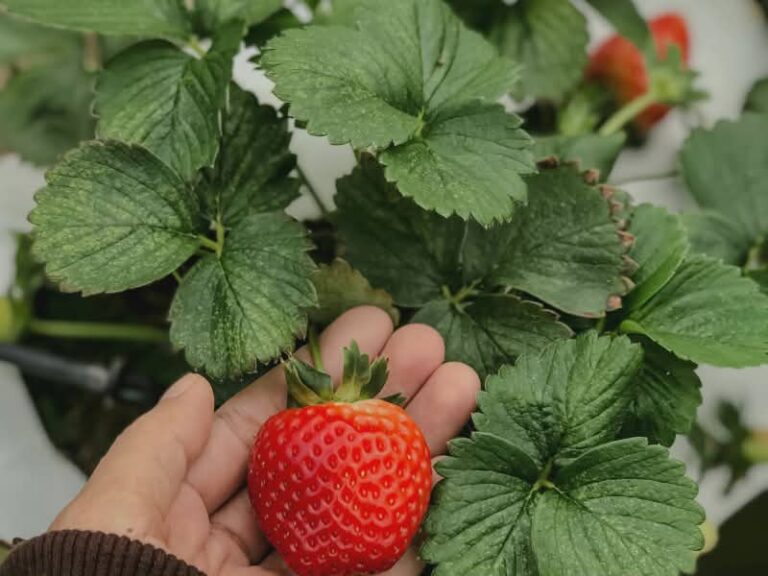
Strawberry Leaf Benefits: Ways to Use Strawberry Leaves
Discover strawberry leaf benefits and learn how to use strawberry leaves in tea, smoothies, salads, and more.
-
Cook | Gardening | Recipe | Side Dishes
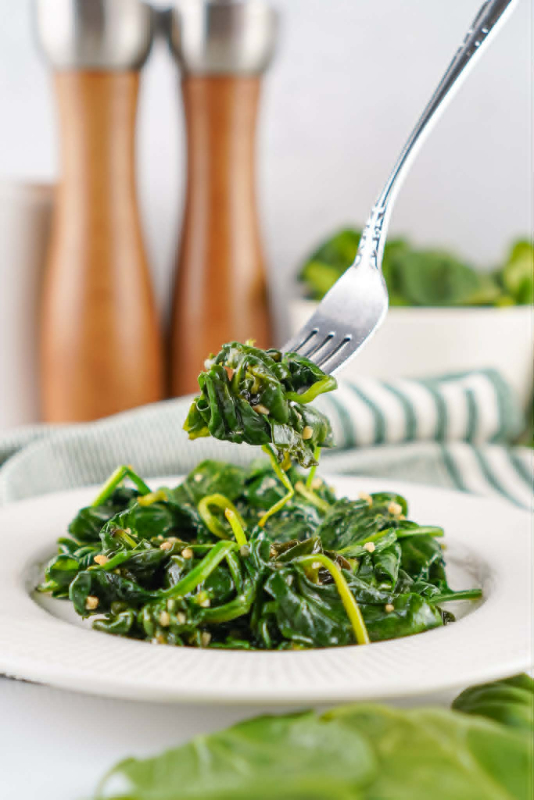
How to Make Sautéed Spinach (Simple & Flavorful Side Dish)
Learn how to make sautéed spinach in minutes. A simple, healthy, and flavorful side dish perfect for any meal.
-
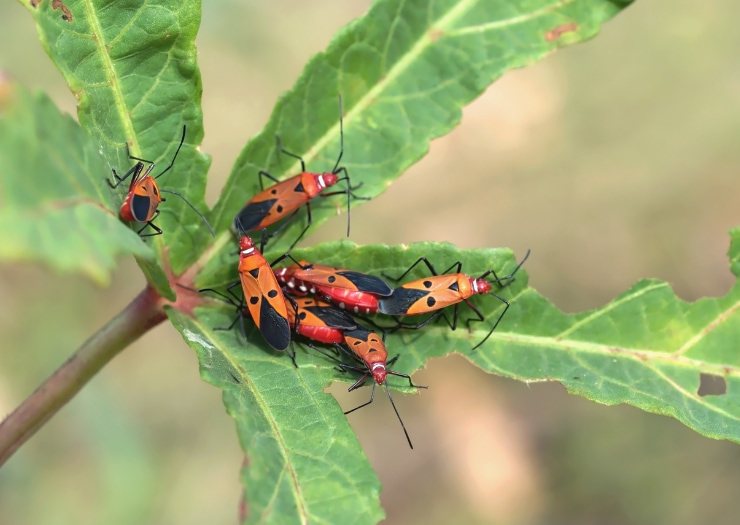
How to Get Rid of Bugs in Your Vegetable Garden Naturally
Getting rid of bugs in your vegetable garden naturally starts with prevention and simple care. Check your plants often so you can spot pests early and act quickly. Use natural solutions like neem oil, garlic spray, or insecticidal soap to control problem insects without harming your garden. You can also invite helpful insects like ladybugs and lacewings, which feed on common pests.
Healthy soil and strong plants make a big difference. Add compost, rotate crops, and keep your garden clean to reduce places where pests can thrive. Barriers like row covers and natural materials like diatomaceous earth can also protect your plants. By combining these easy methods, you can control bugs and keep your vegetable garden healthy without using harsh chemicals. -
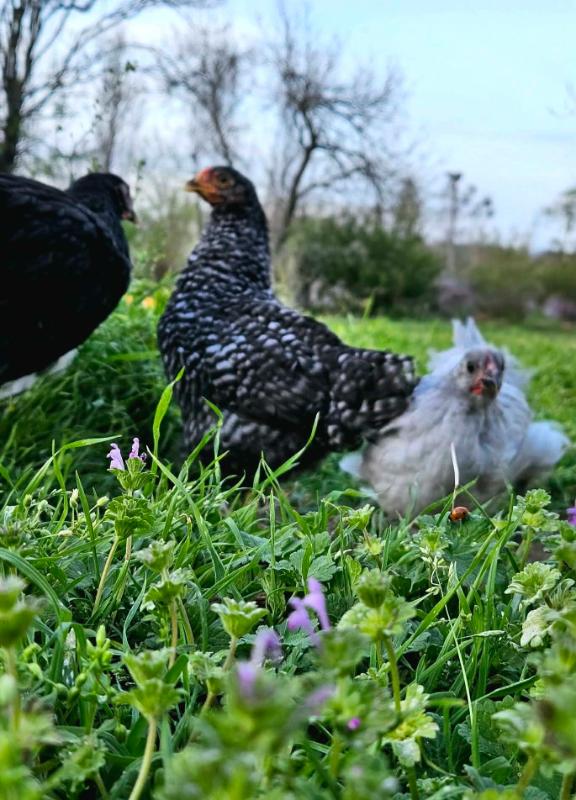
Can Chickens Eat Henbit? (Spoiler: They Love It)
Can chickens eat henbit? Learn if henbit is safe for backyard flocks and the benefits of feeding this wild spring green.
-
Boost Your Raised Garden Bed Naturally: Secrets to Health Soil
Learn how to improve your raised bed garden naturally with tips on healthy soil, composting, and organic methods.
-
Best Watering Schedule for Different Types of Vegetables
Learn the best watering schedule for vegetables and get Oklahoma-specific tips to keep your garden thriving in any season.