Can Chickens Eat Henbit? (Spoiler: They Love It)
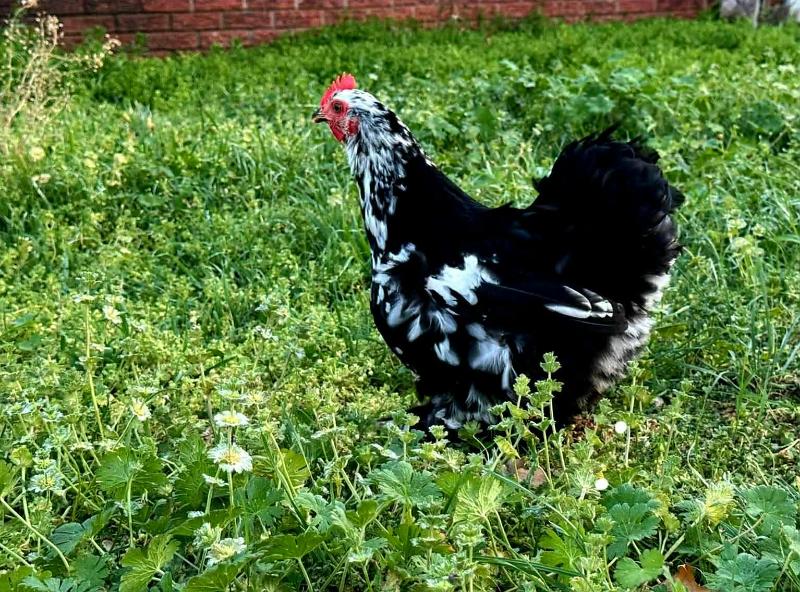
Every spring, before the garden is fully planted, one plant shows up faithfully across lawns and garden beds — henbit. Most people see it as a weed. Homesteaders see something different. If you’ve ever wondered, can chickens eat henbit? The short answer is yes. And not only can they eat it, but many backyard flocks absolutely love it.
As a homesteader who doesn’t spray chemicals in the yard, I’ve learned to look at wild greens differently. Henbit has become one of those “free feed” blessings that shows up right when the chickens are eager for fresh spring forage. Let’s break down what you need to know.
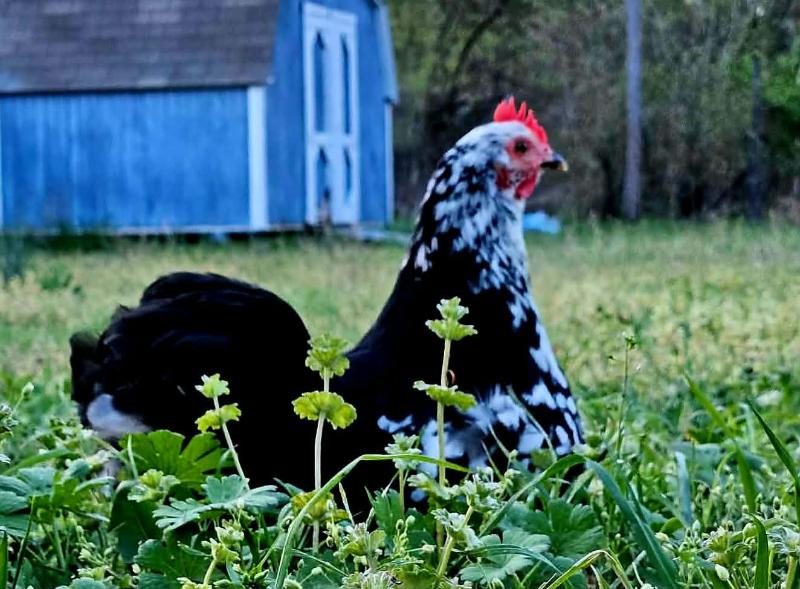
Is Henbit Safe for Chickens?
Yes, henbit (Lamium amplexicaule) is generally considered safe for chickens when fed in moderation.
It belongs to the mint family and is a common early spring green across North America. Chickens naturally scratch and peck at tender greens, and henbit is soft, mild, and easy for them to consume.
While henbit has been reported to cause issues in certain livestock, like sheep, cattle, or horses, when consumed in extremely large amounts, those concerns do not typically apply to backyard poultry. Chickens naturally regulate their intake when allowed to free-range.
As always, variety is key. Henbit should be part of a diverse diet, not the only food source.
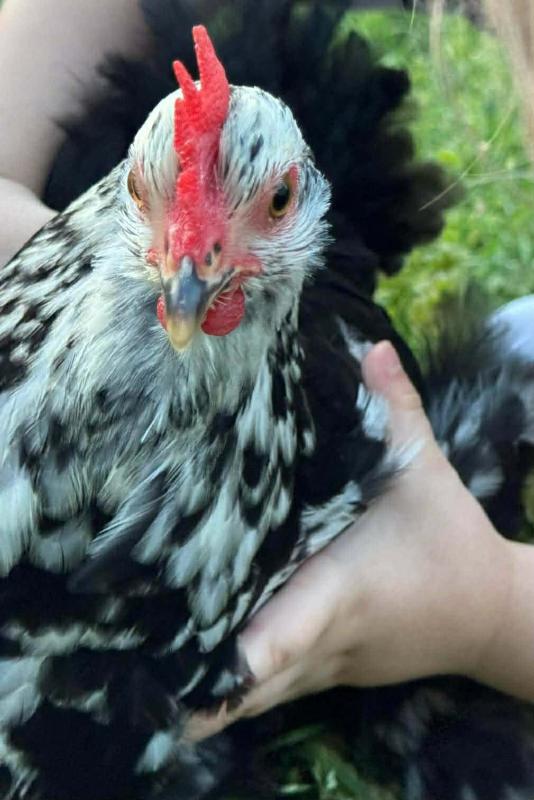
Why Chickens Love Henbit
Chickens are instinctive foragers. After a long winter of mostly dry feed, they crave fresh greens in early spring.
Henbit is:
- Tender and easy to peck
- Mild in flavor
- Nutrient-dense
- Abundant and accessible
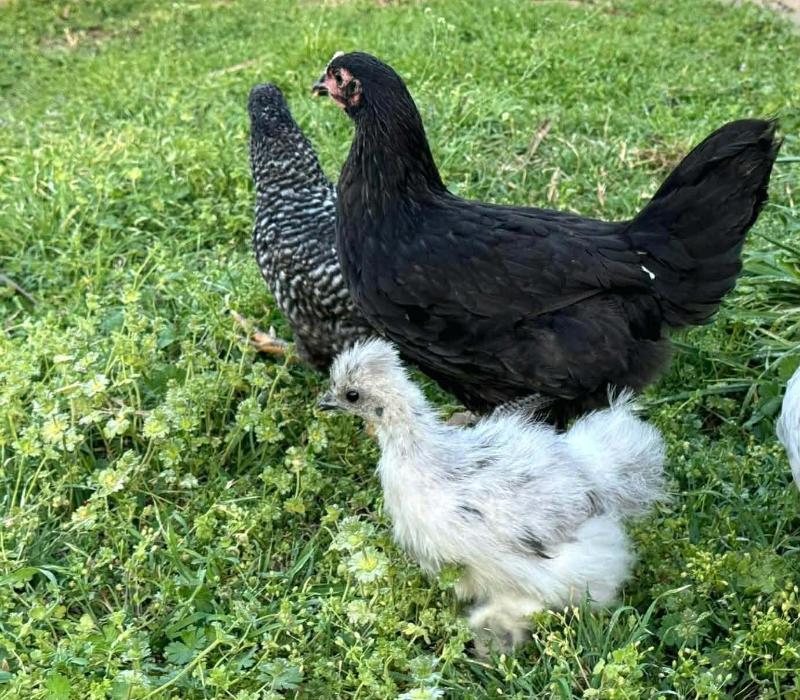
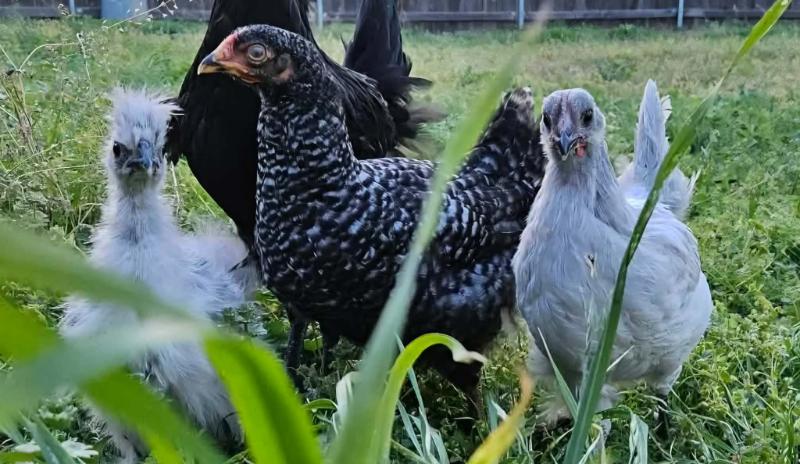
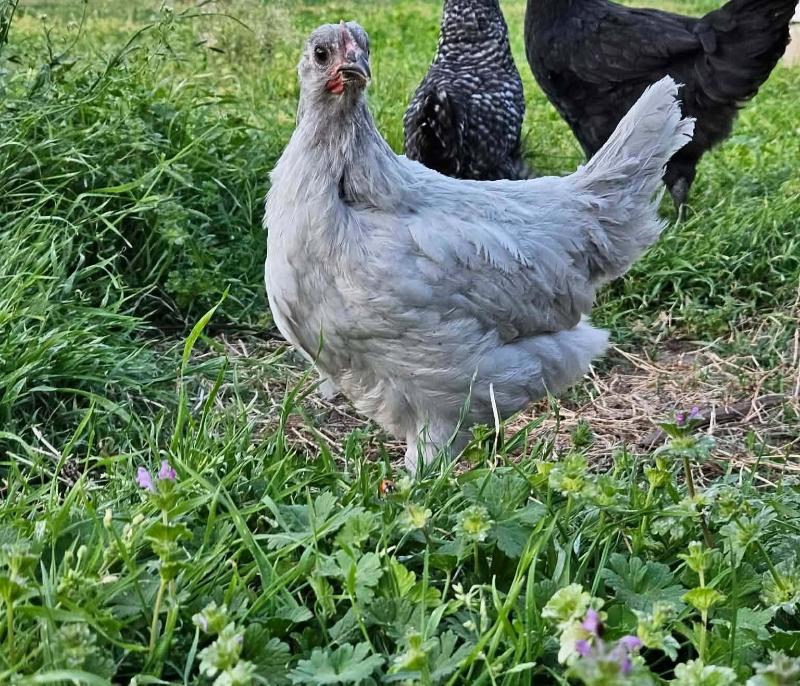
Because it grows low to the ground, chickens can easily graze on it during supervised free-range time.
If you toss a handful of freshly pulled henbit into the run, don’t be surprised if it disappears quickly.
Nutritional Benefits for Your Flock
Henbit contains iron, vitamins A and C, fiber, and beneficial plant compounds. While chickens get the majority of their nutrients from balanced feed, fresh greens provide enrichment and supplemental micronutrients.
Benefits of offering henbit may include:
Supports Overall Vitality
The iron and micronutrients in henbit contribute to general health and energy.
Encourages Natural Foraging Behavior
Allowing chickens to peck at fresh greens keeps them mentally stimulated and reduces boredom.
Adds Variety to the Diet
Diverse plant matter supports digestive health and mimics natural feeding patterns.
While henbit isn’t a miracle feed, it’s a safe and beneficial seasonal addition.
How to Feed Henbit to Chickens
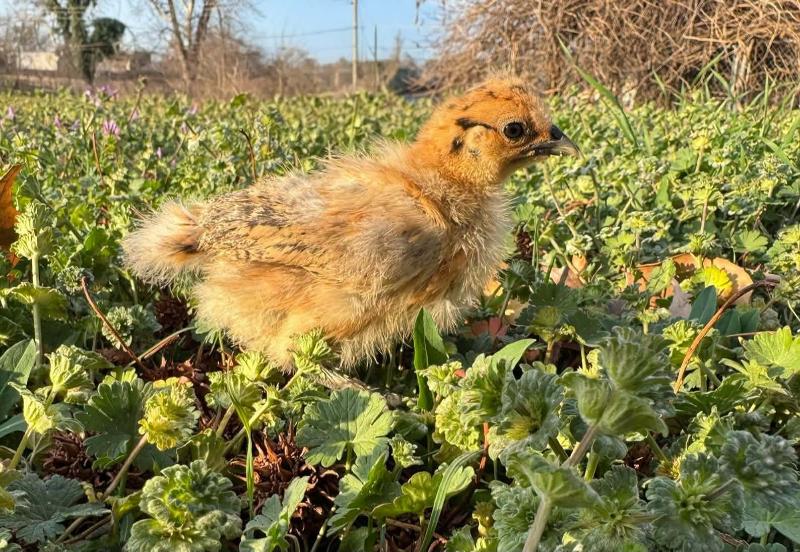
There are a few easy ways to offer it:
Free-Range Grazing
Let chickens forage directly in areas where henbit grows naturally.
Fresh Cut Greens
Harvest henbit and toss it into the run.
Hanging Bundles
Tie small bunches and hang them slightly above ground to encourage jumping and pecking.
Always ensure the henbit comes from untreated areas. If you use lawn chemicals or live near sprayed roadsides, do not feed that material to your flock.
Because I don’t use chemicals in my yard, I feel comfortable sharing what grows naturally with the chickens.
Can You Grow Henbit for Chickens?
Yes — and it’s easy.
Henbit spreads aggressively and reseeds readily. You can:
- Allow it to naturalize in a designated patch.
- Grow it in a large container.
- Let it reseed along the edge of the coop area.
If you’re building a self-sufficient homestead system, letting beneficial “weeds” grow intentionally can reduce feed costs and increase resilience.
Just remember: henbit thrives in cool weather and will fade once summer heat sets in.
Final Thoughts
So, can chickens eat henbit? Absolutely — and they’ll likely thank you for it.
Instead of fighting every wild plant that pops up in spring, consider how it might serve your homestead. Henbit provides early-season forage, nutritional support, and enrichment for backyard flocks — all at no cost.
Sometimes, the best additions to our coop management plan are already growing under our feet.
-
Non-Toxic Bedroom Swaps for a Healthier Home
Non-Toxic Bedroom Swaps to create a healthier sleep space with simple, practical changes anyone can make. Check out our list!
-
Homemade Electrolyte Drink: Easy Hydration Recipe
A homemade electrolyte drink gives you control over the ingredients, the flavor, and the sweetness, making it an easy alternative to store‑bought options when you need extra hydration. You can mix a small batch, adjust it to your taste, and keep it chilled in the refrigerator for busy days outside. It’s simple, customizable, and a practical recipe to have on hand whenever you want a clean, refreshing way to replace electrolytes
-
Fall & Thanksgiving Homestead Gift Guide
Celebrate the season with our Fall & Thanksgiving Homestead Gift Guide! Discover thoughtful gifts for gardeners, home cooks, and country living enthusiasts. From cozy fall clothing and kitchen essentials to garden supplies and sweet treats, these finds bring a little extra warmth to the season. Whether you’re shopping for Thanksgiving or getting a head start on holiday gifting, you’ll find practical gifts for a homegrown lifestyle.
-
Non-Toxic Kitchen Swaps for a Healthier Home
Non-Toxic Kitchen Swaps to create a healthier kitchen with simple product changes and practical cooking tips.
-
Homemade Dishwasher Powder: Easy DIY Detergent Recipe
Homemade Dishwasher Powder made with simple ingredients for an easy, affordable alternative to store-bought dishwasher detergent.
-
Fall Wax Melts Recipe with Essential Oils
These fall wax melts bring warm, cozy scents to your home with just a few basic ingredients. They’re easy to make, budget‑friendly, and perfect for anyone who loves natural, homemade products. The blend of cinnamon, clove, orange, and cedarwood creates a comforting autumn aroma that feels right at home in any farmhouse kitchen. Make a batch for your own warmer or package them as sweet seasonal gifts.