5 Foods That Can Last Up to 20 Years (If Stored Properly)
One of the best ways to be more self-sufficient and prepared for emergencies is to build a pantry filled with long-lasting staples. But not just any food will do—some items spoil far quicker than others, especially if they aren’t stored correctly. That’s why I always recommend stocking up on these 5 long-lasting foods that, when stored properly, can last up to 20 years or more!
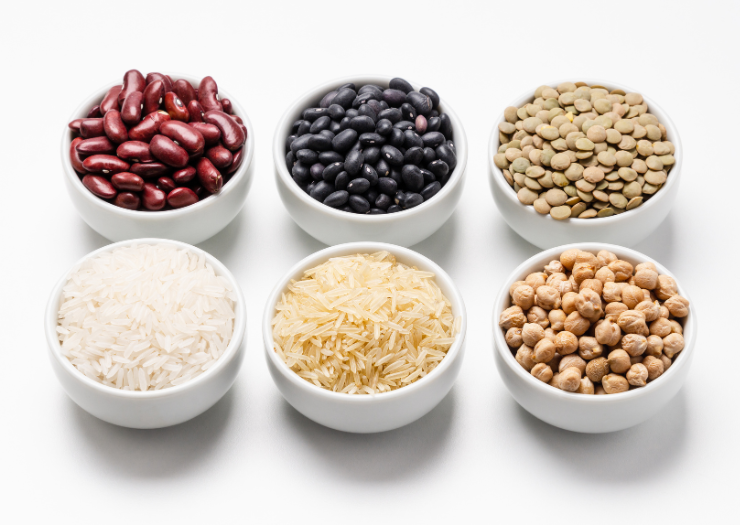
Let’s break down why these foods last so long, how to store them right, and a few helpful tips you’ll want to remember.
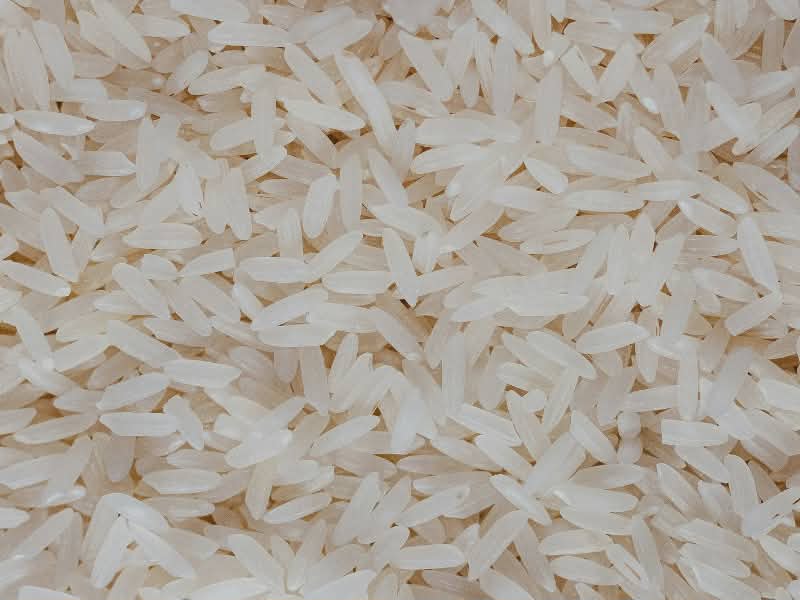
1. White Rice: One of the 5 Long-Lasting Foods
White rice is a powerhouse when it comes to shelf life. When stored in a cool, dry, and airtight environment, it can last up to 30 years!
Why not brown rice? Brown rice contains natural oils in its bran layer, which makes it more nutritious—but also causes it to go rancid in just 6 months to a year. Stick with white rice for long-term storage.
How to store:
Use Mylar bags with oxygen absorbers. Keep bags in a food-grade bucket with a tight lid and store them in a cool, dark place.
Tip: Avoid storing rice in plastic grocery bags—they’re not airtight and can let in moisture and pests.
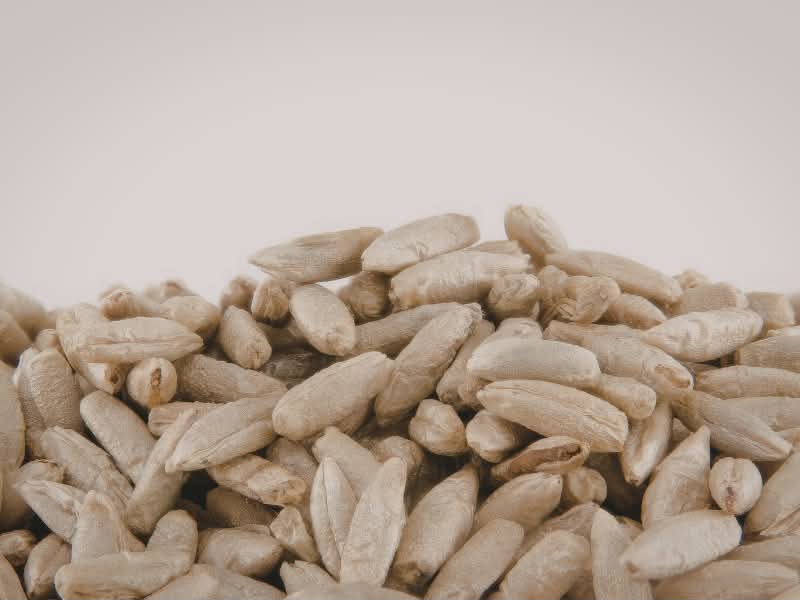
2. Wheat Berries: One of the 5 Long-Lasting Foods
Wheat berries (the whole, unprocessed kernels of wheat) are one of the most reliable and long-lasting staples you can store. Because they haven’t been milled or stripped of their natural outer layer, they retain all their nutrients and can stay fresh for decades when stored properly. That makes them a powerhouse option for anyone building a long-term food supply.
One of the biggest advantages of wheat berries is their versatility. With a grain mill or grinder, you can turn them into fresh flour whenever you need it—perfect for baking bread, pancakes, or other homemade goods. Grinding only what you need also helps preserve nutrients, flavor, and freshness, unlike pre-ground flour, which can lose quality over time.
Wheat berries can be cooked whole and used in soups, salads, or as a hearty side dish like rice or barley.
They are rich in fiber, protein, and essential vitamins, making them filling and nutritious. Wheat berries have a long shelf life and are very versatile in cooking. Their high nutritional value makes them a practical addition to any pantry, especially for long-term planning.
How to store:
Use Mylar bags or glass jars with oxygen absorbers. Store in a cool, dry area, away from sunlight. Keep them in buckets or rodent-proof containers.
Tip: Invest in a manual grain mill—you’ll want it if the power goes out!
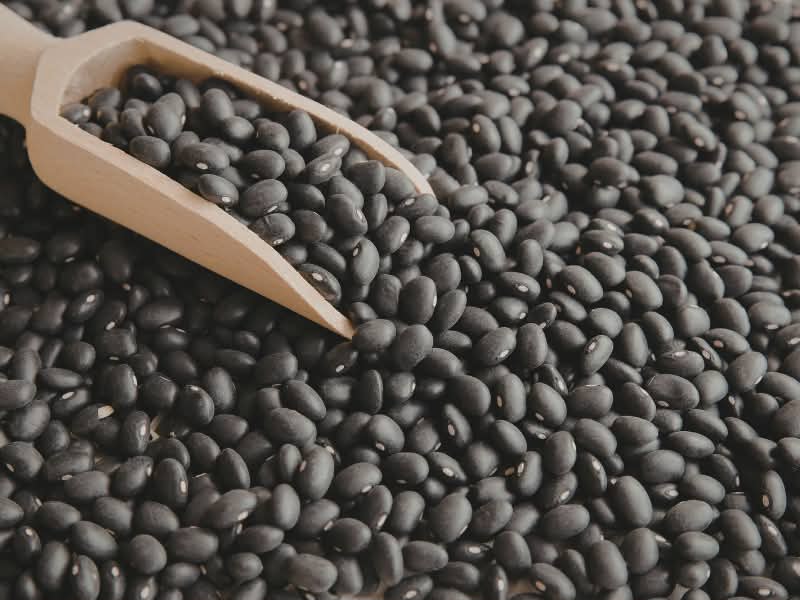
3. Dry Beans: One of the 5 Long-Lasting Foods
Dry beans—whether black, pinto, navy, or kidney—are one of the most dependable and budget-friendly staples you can stock. Over time, dry beans may lose a bit of moisture and become harder, which means they can take longer to cook. But don’t worry—they’re still perfectly safe to eat. A longer soak (even overnight or up to 24 hours) and extended cooking time will help soften them back up. Using a pressure cooker can also speed things along and make older beans much easier to prepare.
Beans are also incredibly nutritious. They’re packed with protein, fiber, and essential minerals, making them a filling and healthy addition to meals. Plus, they’re extremely versatile—you can use them in soups, stews, chili, casseroles, or even mash them for spreads and dips.
With their long shelf life, low cost, and high nutritional value, dry beans are a simple yet powerful way to build a food supply that’s both practical and nourishing.
How to store:
Use airtight containers or Mylar bags with oxygen absorbers. Keep in a cool, dry space and rotate occasionally to use the oldest beans first.
Tip: Add a bay leaf or two to your container to help deter pests naturally.
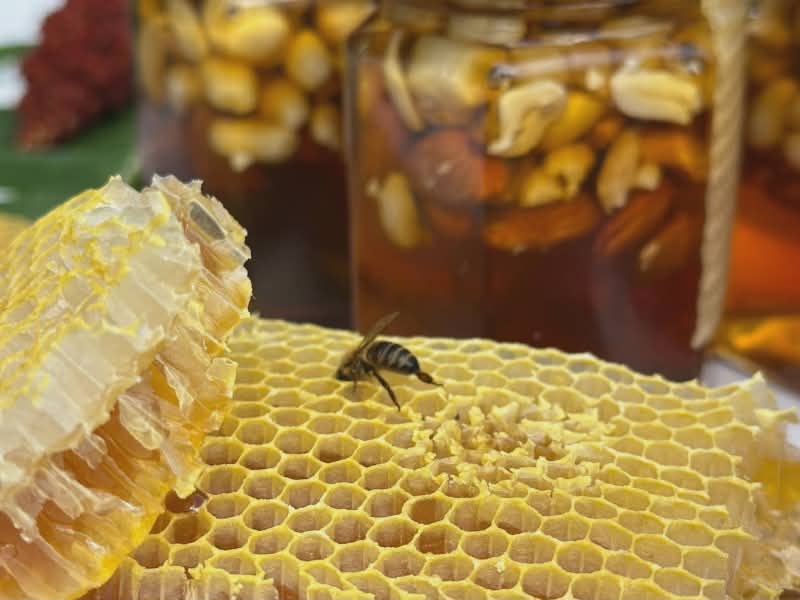
4. Raw Honey: One of the 5 Long-Lasting Foods
Did you know archaeologists have discovered pots of honey in ancient Egyptian tombs that were still perfectly good to eat—after thousands of years? That’s right! Honey is the only natural food that never spoils.
This amazing superfood stays fresh because of its unique natural properties. It has very low moisture, which makes it hard for bacteria to grow, and it’s naturally acidic. On top of that, honey contains special compounds that act as antimicrobial agents, meaning they fight off germs and prevent spoilage.
So while most foods go bad over time, honey can last practically forever—making it one of nature’s sweetest (and most fascinating) wonders!
How to store:
Keep it sealed in a glass jar or food-safe plastic container. Store away from direct heat or sunlight.
Tip: If it crystallizes (which is normal), just warm the jar gently in hot water to liquify it again—never microwave it.
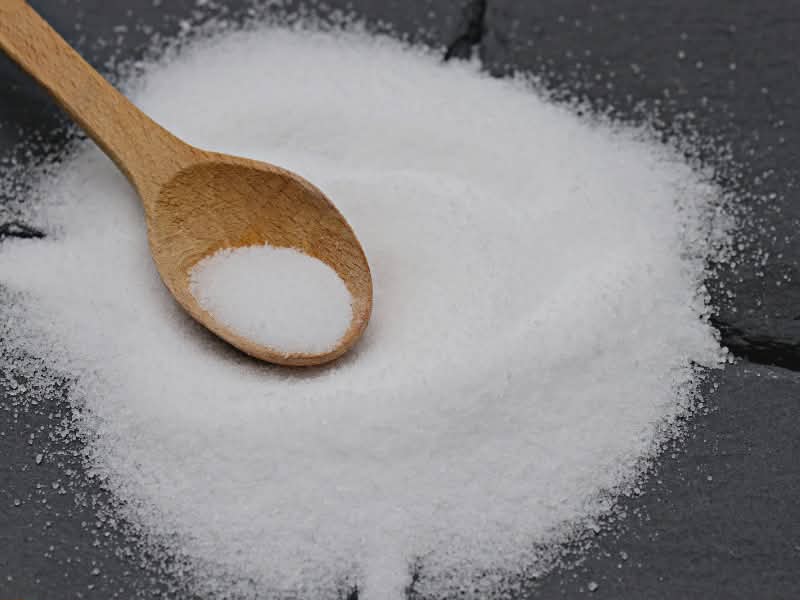
5. Salt: One of the 5 Long-Lasting Foods
Salt is essential—not just for seasoning, but for preserving meat, fermenting veggies, and even making homemade electrolyte drinks. And yes—it lasts forever.
How to store:
Keep it in a sealed container to prevent moisture clumping. Store away from humidity and direct sunlight.
Tip: Choose non-iodized salt for food preservation and long-term storage. Himalayan pink salt and sea salt are great options, too.
Final Thoughts on These 5 Long-lasting Foods
Building a long-lasting food supply doesn’t have to feel overwhelming or break the bank. In fact, with just a handful of simple, affordable staples, you can create a reliable запас (stash) that helps keep your family fed when it matters most. These five items are easy to find at nearly any grocery store, budget-friendly enough to buy in bulk, and versatile enough to use in everyday meals.
The real secret isn’t just what you store—it’s how you store it. Keeping your food in a cool, dry place, sealed in airtight containers, and protected from pests can dramatically extend its shelf life. With the right setup, these basics can last for months—or even years—without losing their quality.
Whether you’re preparing for unexpected emergencies, working toward greater self-sufficiency, or simply looking to stretch your grocery budget, stocking up on dependable pantry staples is a smart and practical move. It’s not about fear—it’s about peace of mind, knowing you’ve got the essentials covered when you need them most.
-
How to Avoid Overwatering Houseplants
Learn how to care for houseplants without overwatering with simple tips to prevent root rot and keep plants thriving.
-
Growing Aloe Vera and Using It for Home Remedies
Learn how to grow aloe vera and use it for simple home remedies like burns, skin care, and natural healing.
-
Propagating Houseplants: Growing Your Indoor Garden for Free
Learn how to propagate houseplants and grow new plants for free using simple, beginner-friendly methods at home.
-
Boost Your Raised Garden Bed Naturally: Secrets to Healthy Soil
Learn how to improve your raised bed garden naturally with tips on healthy soil, composting, and organic methods.
-
Best Watering Schedule for Different Types of Vegetables
Learn the best watering schedule for vegetables and get Oklahoma-specific tips to keep your garden thriving in any season.
-
Wild Spring Greens: Nature’s Answer to Seasonal Fatigue
Discover wild greens that help fight seasonal fatigue, including henbit, nettles, and chickweed. Everything you need to know.