Best Watering Schedule for Different Types of Vegetables
Watering your garden sounds simple… but it’s one of the most common places gardeners get tripped up—especially when trying to figure out the best watering schedule, which for most vegetable gardens means deep watering 2–3 times per week rather than a little every day, using tools like watering cans, hoses, or even rain barrels to keep things consistent and efficient.
One day, you’re worried your plants are drying out, so you water more. Then suddenly things start looking worse, and now you’re wondering if you’ve been overwatering the whole time.
If you’ve ever stood there with a hose thinking, “Am I doing this right?”—you’re definitely not alone.
The truth is, most gardening advice makes this way more complicated than it needs to be. You don’t need a strict schedule or a perfect system—you just need to understand what your plants actually need.
In this post, I’m going to break down the best watering schedule for different types of vegetables in a way that actually makes sense. No guesswork, no overthinking—just simple, practical guidance you can use right away.
Because once you get watering figured out, everything else in your garden gets a whole lot easier

Why the Best Watering Schedule Matters More Than You Think
It’s easy to think watering is just… watering. Turn on the hose, give everything a drink, and move on.
But this is one of those small things that makes a big difference in how your garden actually turns out.
Too little water, and your plants struggle to grow, wilt, or never really produce much. Too much water, and you can end up with weak roots, yellowing leaves, or plants that just don’t thrive no matter what you do.
And here’s where a lot of people get tripped up—more water does not mean better results.
Most vegetables do better with the right amount of water given consistently, not random heavy watering whenever you remember. It’s less about doing a lot and more about doing it the right way.
The good news is, this isn’t complicated once you understand the basics. You don’t need a perfect schedule or anything fancy—you just need to pay attention to what your plants are telling you and keep things consistent. Using simple tools like watering cans for controlled watering, hoses for covering larger areas, and rain barrels to collect and reuse water can make the process even easier while helping you stay efficient and eco-friendly. This is our favorite retractable hose reel by Vego.
Once you get this part down, you’ll start to notice a big difference in how your garden grows and produces.

The Basics of the Best Watering Schedule for Your Garden
Before you try to figure out a “perfect” watering schedule, it helps to understand a few simple basics. This is what will actually make everything else easier.
First, you want to focus on watering deeply, not just often.
A quick spray on the surface might feel like you’re doing something, but it doesn’t help much. It encourages shallow roots, which means your plants become more sensitive to heat and dry weather. Instead, you want the water to soak down into the soil so the roots grow deeper and stronger.
Next is when you water, and this matters more than people think.
The best time to water is in the morning. It gives your plants time to absorb what they need before the heat of the day, and it helps prevent excess moisture from sitting overnight. Evening watering can work if needed, but morning is usually the better habit to get into.
Now here’s the part that keeps you from overthinking everything—check your soil before you water.
Instead of watering on a strict schedule, stick your finger into the soil about an inch or two down:
- If it feels dry, go ahead and water
- If it still feels moist, leave it alone
That one simple habit will save you from most watering mistakes.
The goal isn’t to follow a perfect routine—it’s to pay attention and adjust as you go.
Once you get these basics down, watering your garden starts to feel a whole lot more natural and a lot less confusing.
Best Watering Schedule by Vegetable Type
This is where things start to click.
Not all vegetables need the same amount of water, and trying to treat everything the same is where most people run into trouble. Once you understand how different types of plants grow, it gets a lot easier to know what they need.


Leafy Greens (Lettuce, Spinach, Kale)
Leafy greens like consistent moisture. Their roots are fairly shallow, which means they dry out faster than other plants.
You’ll usually need to water these more often, especially in warmer weather. If the soil dries out too much, they can turn bitter or stop growing well.
A good rule of thumb is to keep the soil lightly moist—not soaked, but never completely dry.
Watering Schedule:
- 3–4 times per week
- Keep soil consistently moist but not soggy
Oklahoma Tip:
In hot summers, consider morning and evening misting to prevent wilting. Use mulch to hold moisture during heatwaves.


Fruiting Vegetables (Tomatoes, Peppers, Eggplant)
These do best with deep, less frequent watering.
Instead of watering a little every day, give them a good, deep soak and then let the soil dry slightly before watering again. This helps develop strong roots and healthier plants overall.
The biggest mistake here is watering too often. It might feel like you’re helping, but it can actually cause more problems than it solves.
Watering Schedule:
- 1–2 inches of water per week (deep soak twice per week)
- Water at the base, not overhead
Oklahoma Tip:
Tomatoes especially hate inconsistent watering. Cracked fruit is common here if you let them dry out and then overwater. Use soaker hoses and mulch to regulate moisture.


Root Vegetables (Carrots, Beets, Radishes)
Root crops need steady, even watering.
If they go through cycles of drying out and then getting too much water, you can end up with cracking or misshapen vegetables. Consistency matters more than anything here.
Keep the soil evenly moist as they grow, especially when they’re getting established.
Watering Schedule:
- 1 inch per week
- Water deeply to encourage strong root growth
Oklahoma Tip:
Our clay-heavy soils can become compacted. Loosen soil and water slowly so it penetrates deeply. Avoid overhead watering, which can create hard crusts on top.


Legumes (Bush Beans, Peas)
Watering Schedule:
- 1 inch of water per week
- Water in the morning to prevent mildew
Oklahoma Tip:
Humidity can be high in some parts of the state. Water early to give leaves time to dry out before nightfall.


Cucurbits (Cucumbers, Zucchini, Squash, Melons)
These are fast growers and need more water to keep up.
They do best with deep watering a few times a week, especially once they start producing. If they don’t get enough water, you’ll usually notice pretty quickly—leaves may wilt, and growth can slow down.
Keep an eye on them during hot weather, because they’ll need more frequent watering than most.
Watering Schedule:
- 1–2 inches of water per week
- Needs consistent moisture, especially while fruiting
Oklahoma Tip:
Cucumbers grown in containers need water almost daily during the summer. Use large pots and mulch heavily to keep roots cool.

Corn
Watering Schedule:
- 1–1.5 inches of water per week, more during tasseling and silking
Oklahoma Tip:
Corn is a thirsty crop. Plant in blocks to shade the soil and help retain moisture. Watch closely during hot spells.
Herbs (Basil, Thyme, Rosemary, etc.)
Herbs can be a little different depending on the type.
- Basil tends to like more consistent moisture
- Woody herbs like thyme and rosemary prefer drier conditions
If you’re not sure, it’s usually safer to let herbs dry out a bit between watering rather than keeping them constantly wet.
Signs You’re Overwatering vs Underwatering
This is where a lot of the guesswork comes in—but once you know what to look for, your plants will tell you exactly what’s going on.
You don’t need a perfect schedule. You just need to pay attention.


Signs of Overwatering and How the Best Watering Schedule Can Help
Overwatering is actually more common than underwatering, especially for beginners.
If your plants are getting too much water, you might notice:
- Yellowing leaves (especially lower leaves first)
- Soil that stays wet for days
- Wilting even though the soil is still moist
- Slow growth or plants that just look “off.”
One of the biggest clues is this—if the soil is still damp and your plant looks unhappy, adding more water isn’t going to fix it.


Signs of Underwatering and How the Best Watering Schedule Can Help
Underwatered plants are usually a little easier to spot.
Look for:
- Dry, crumbly soil
- Drooping or wilting leaves
- Leaves that feel thin or crispy
- Slower growth
The good thing is, underwatered plants often bounce back pretty quickly once you give them a good, deep watering.
How to Keep It Simple
If you’re not sure which one you’re dealing with, go back to the basics. Check the soil first. If it’s dry a couple of inches down, water. If it’s still moist, leave it alone. That one habit will save you from most problems. At the end of the day, your plants don’t need perfection—they just need you to pay attention and adjust as you go.

General Tips for Watering Vegetables in Oklahoma
- Water early in the morning to reduce evaporation and risk of disease.
- Use mulch (straw, leaves, grass clippings) to retain moisture and keep roots cool.
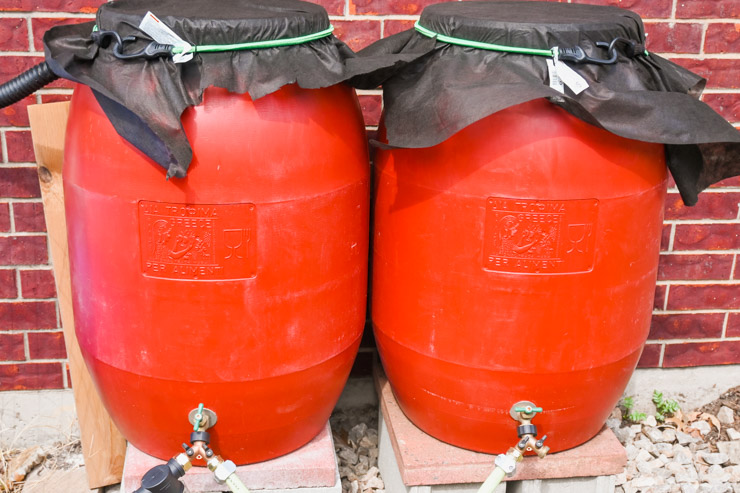
- Install rain barrels to capture stormwater—you’ll be grateful for it during droughts.
- Test the soil with your finger: If the top 1-2 inches are dry, it’s time to water.
- Adjust your schedule after a heavy rainstorm. Many Oklahoma summers bring flash rains that can trick you into overwatering.

Final Thoughts on the Best Watering Schedule for Your Garden
Watering your garden doesn’t have to be complicated.
Once you understand that different plants need different things—and that consistency matters more than doing everything perfectly—it starts to feel a lot more manageable.
You don’t need a strict schedule or a perfect system. Just check your soil, pay attention to your plants, and adjust as you go. That’s really what makes the difference.
The more time you spend in your garden, the easier this gets. You’ll start to notice what works, what doesn’t, and what your plants need without second-guessing yourself.
Keep it simple, stay consistent, and don’t overthink it.
Join Us on Social Media!
If you want more simple, practical gardening tips like this, make sure to join our newsletter so you don’t miss anything. And come follow us on Facebook, where we share everyday ideas to help you grow more—no matter where you’re starting.
-
How to Get Rid of Bugs in Your Vegetable Garden Naturally
Getting rid of bugs in your vegetable garden naturally starts with prevention and simple care. Check your plants often so you can spot pests early and act quickly. Use natural solutions like neem oil, garlic spray, or insecticidal soap to control problem insects without harming your garden. You can also invite helpful insects like ladybugs and lacewings, which feed on common pests.
Healthy soil and strong plants make a big difference. Add compost, rotate crops, and keep your garden clean to reduce places where pests can thrive. Barriers like row covers and natural materials like diatomaceous earth can also protect your plants. By combining these easy methods, you can control bugs and keep your vegetable garden healthy without using harsh chemicals. -
How to Keep Rabbits Out of Your Garden Naturally
Learn how to keep rabbits out of your garden naturally with easy, organic methods and homemade deterrent sprays.
-
Garlic Spray for Plants
Garlic is a versatile herb known for its use in cooking, medicinal purposes and even pest control. In recent years, the popularity of using garlic as a natural way to protect plants from pests has increased. This article will explore how homemade garlic spray can be used effectively on plants to repel pests while protecting…
-
How to Get Rid of Bugs in Garden Soil
Gardening can be rewarding but garden soil may be susceptible to infestation by various bugs. Learn how to get rid of bugs in garden soil.
-
Are Ladybugs Good for Plants? Benefits & Garden Tips
The presence of beneficial insects in a garden is often overlooked. Check out ladybugs for plants and why they are beneficial
-
The Benefits of Using a Rain Barrel to Water Your Lawn
Are you looking for ways to save money on your water bill? See how Using a Rain Barrel to Water Lawn can save you money.