Edible Landscaping: Grow a Beautiful Yard You Can Eat
What if your yard could feed your family and look amazing at the same time? That’s the magic of edible landscaping—where function meets beauty. Instead of filling your outdoor space with purely ornamental plants, edible landscaping lets you create a lush, garden-like landscape full of fruits, veggies, herbs, and flowers that are not only gorgeous but also good for the dinner table.
Whether you’re in the suburbs, countryside, or even an urban neighborhood, edible landscaping is a sustainable and rewarding way to garden.

What Is Edible Landscaping?
Edible landscaping is the practice of replacing traditional ornamental plants with ones that produce food. Think blueberry bushes instead of boxwoods, kale in place of hostas, or a row of colorful Swiss chard lining your walkway.
It doesn’t mean you have to sacrifice curb appeal—quite the opposite. Many edible plants offer stunning colors, textures, and seasonal interest.
Benefits of Edible Landscaping
- Double duty: Your plants are both decorative and functional.
- Save money: Grocery prices keep climbing. Growing your own food—even just herbs and greens—can help you cut costs.
- Better health: Harvesting fresh, chemical-free produce right from your yard is great for your family’s well-being.
- Pollinator-friendly: Many edible landscaping plants attract bees, butterflies, and other beneficial insects.
- Less waste: You’re using your space more efficiently and sustainably.
Edible Plants That Look Great in the Landscape


Shrubs and Bushes
Blueberries – Glossy green leaves, white flowers in spring, and deep red foliage in fall.
Raspberries or Blackberries – Great for a natural fence or border (just be mindful of thorns).
Currants and Gooseberries – Unique and ornamental with tasty fruit.


Perennial Herbs and Edibles
Rosemary – Woody, fragrant, and great as a low hedge.
Lavender – Edible flowers with a calming aroma and purple blooms.
Thyme and Oregano – Groundcovers that smell amazing when stepped on.


Vegetables with Visual Appeal for Edible Landscaping
Rainbow Swiss Chard – Bright stems and leafy greens.
Lettuce and Kale – Ruffled textures and varying shades of green and purple.
Artichokes – Bold, architectural, and eye-catching.


Edible Flowers
Nasturtiums – Peppery taste, trailing vines, and colorful blooms.
Calendula – Golden petals that can be used in teas and salves.
Pansies and Violas – Delicate and perfect for salads or garnishes.


Trees and Vines for Edible Landscaping
Dwarf Apple or Peach Trees – Perfect for smaller spaces and still offer a bounty.
Grapevines – Beautiful on a trellis or pergola.
Fig Trees – Lush foliage and sweet, exotic fruit.
Tips for Getting Started on Your Edible Landscaping Journey

Start small
You don’t need to overhaul your entire yard to begin. Add a handful of edible plants to places you already tend. flower beds, porch planters, or even a single raised bed. Starting small helps you learn what grows well in your space without feeling like you’ve taken on a second job.

Mix it up
Edible landscaping shines when food plants blend seamlessly with ornamentals. Tuck herbs between perennials, edge walkways with lettuces, or pair berry bushes with flowering shrubs. This approach keeps your yard looking intentional and lush rather than like a traditional vegetable patch.
Focus on design
Think like a landscape designer. Use height variation to create structure, repeat colors for cohesion, and play with textures to keep things visually interesting. Many edibles—like rainbow chard, purple basil, or artichokes—are naturally beautiful and can serve as focal points.
Keep it manageable
Choose plants that don’t demand constant attention. Perennial herbs, berry bushes, rhubarb, asparagus, and hardy greens can return year after year with minimal fuss. The easier your landscape is to maintain, the more likely you’ll enjoy it and expand over time.

Think about placement
Most edible plants thrive with 6–8 hours of sunlight, so observe your yard’s light patterns before planting. Reserve the sunniest spots for heavy producers like tomatoes, peppers, and fruiting shrubs. Shade-tolerant edibles—mint, chives, kale—can fill in the cooler corners.
My Favorite Heirloom Seeds
Please consider buying your heirloom seeds from Bear Mountain Seeds. Mr. & Mrs. Bear have a small family business with a safe seed pledge. Their prices are among some of the lowest that I’ve seen, compared to how many seeds per package you get. Also, Mr. Bear has recently had health problems. I’d love for you guys to love on this family and order your seeds through them.

Final Thoughts on Edible Landscaping
Edible landscaping is one of the most rewarding ways to create a yard that’s both beautiful and useful. Whether you’re aiming to cut your grocery bill, encourage your family to spend more time outside, or just enjoy the satisfaction of eating something you grew, this is a fun, practical way to make the most of your space. Why not start with a few herbs by the front porch or swap your boring bushes for berry plants? Your yard could be feeding your family before you know it.
Why not start with a few herbs by the front porch or replace your boring bushes with berry plants? Your yard could be feeding your family before you know it.
-
25 Must-Know Instant Pot Uses for Homesteaders (Part 4)
Discover more practical Instant Pot uses that can save time, reduce food waste, and make everyday cooking easier.
-
Homemade OxiClean Recipe: Easy DIY Stain Remover
Homemade OxiClean Recipe made with simple ingredients to help lift laundry stains and brighten clothes without the high cost.
-
Air Fryer Potato Chips: A Simple Snack
Air Fryer Potato Chips are a simple, crunchy snack made with just potatoes, salt, and a touch of oil. They cook fast, turn perfectly golden, and taste better than anything in a bag. Perfect for after‑school snacking or anytime you want something homemade and crisp.
-
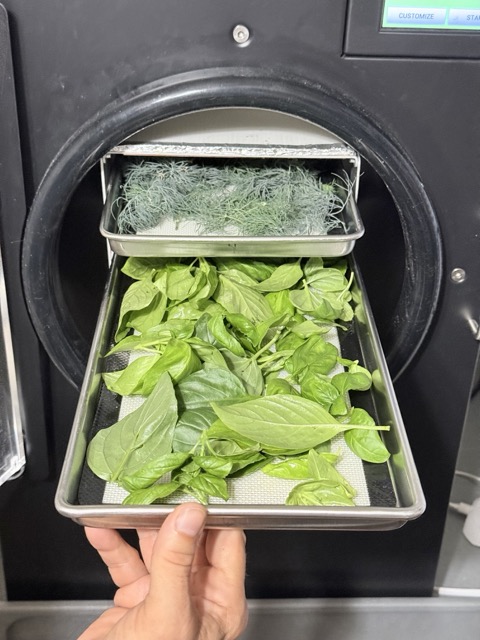
How to Freeze-Dry Herbs in a Harvest Right Freeze Dryer
Learn how to freeze-dry fresh herbs to preserve your garden harvest and enjoy basil, rosemary, and dill year-round.
-
25 Must-Know Instant Pot Uses for Homesteaders (Part 3)
Discover more Must-Know Instant Pot Uses for your homestead kitchen, including homemade tomato sauce, whole grains, sweet potatoes, fresh corn, and pumpkin purée. Learn simple ways to save time, use seasonal produce, reduce food waste, and get more value from your Instant Pot.
-
25 Must-Know Instant Pot Uses for Homesteaders (Part 2)
Discover practical Instant Pot homestead uses that save time, reduce food waste, and simplify from-scratch cooking. From rendering tallow and making jam to proofing bread dough and cooking whole chickens, these creative ideas will help you get more value from one of the most versatile appliances in your kitchen.