Grow Your Own Vegetables and Herbs
To grow your own vegetables and herbs, start with a small space, a few foods you actually use, and a planting plan suited to your season. This beginner guide walks through choosing a site, preparing soil, selecting plants, and keeping track of their care.

Your First Vegetables and Herbs Checklist
- Write down the vegetables and herbs your household uses most often.
- Observe your proposed location at different times of day. Record its light, water access, and available space.
- Choose a bed or containers, check drainage, and use a soil test for an in-ground planting.
- Check the planting window, mature size, and spacing for each variety before purchasing seeds or plants.
- Record planting dates, watering observations, and what you harvest. Use those notes to improve the next planting.
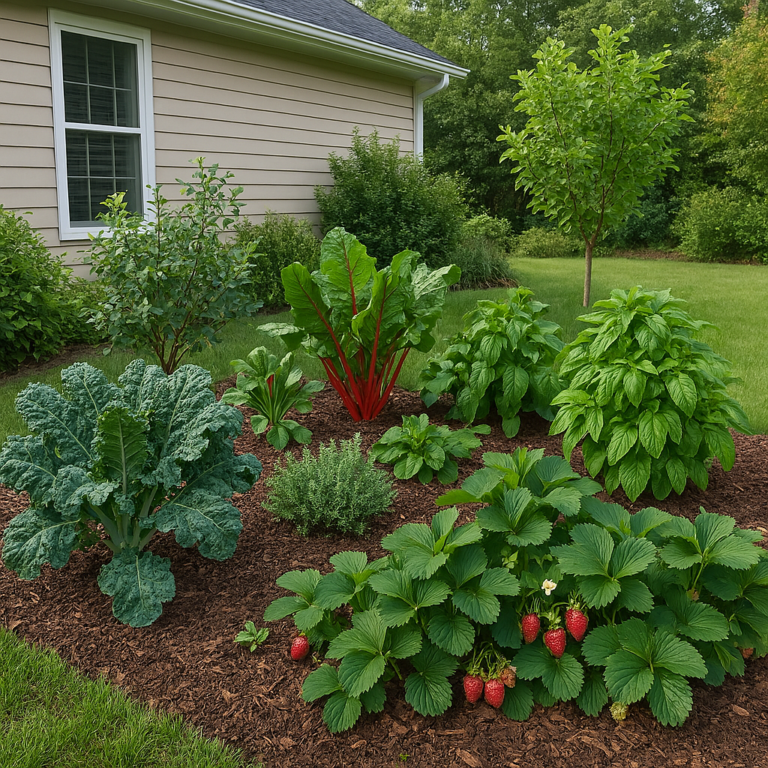
For more room-by-room garden resources and the free planner, visit our gardening hub. If you want to combine food plants with your yard’s design, see the edible landscaping guide.
Why Go Organic?
Organic gardening is more than just a trend; it’s a sustainable approach to living. By avoiding synthetic fertilizers and pesticides, you contribute to a healthier ecosystem. Plus, the taste of fresh, homegrown produce is incomparable!
Getting Started: Choosing Your Space
First things first, identify where you’ll set up your garden. It could be a small corner of your yard, a patio, or even a sunny windowsill. The key is to find a spot that receives ample sunlight – most vegetables and herbs love the sun!
Soil: The Foundation of Your Garden
Healthy soil is the bedrock of organic gardening. Start with a soil test to understand its nutrient profile. Then, enrich your soil with organic matter like compost, which you can either buy or make yourself (a great way to recycle kitchen scraps!).
Selecting Vegetables and Herbs
Choose a few vegetables and culinary herbs you regularly cook with. Match the variety to your space and season rather than buying every seed packet that looks appealing. Use the OSU Oklahoma Garden Planning Guide to check planting windows and spacing; dates differ across the state. For herb-specific growing needs, consult OSU’s culinary herb guide.
Planting Vegetables and Herbs
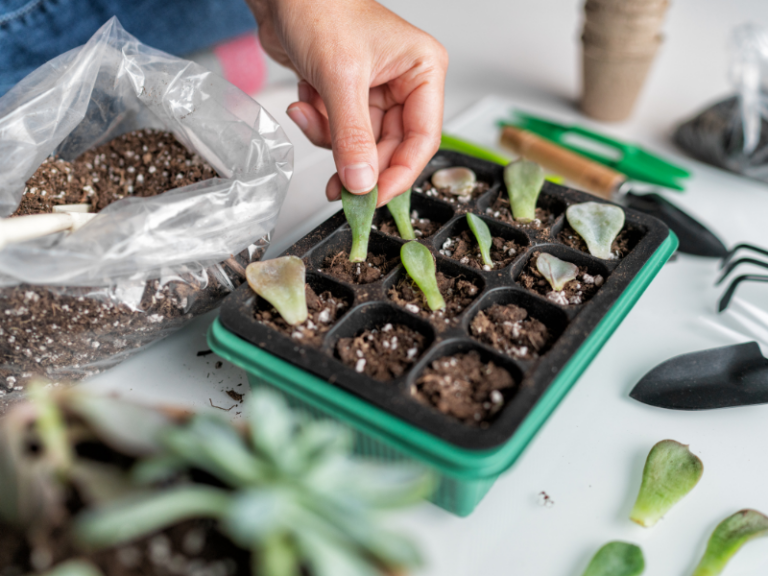
Follow the instructions on your seed packets for planting depth and spacing. Remember, patience is key in gardening. Some seeds sprout quickly, while others take their time. Keep your soil moist, but not waterlogged.
Watering Vegetables and Herbs
Water is crucial, but overwatering is a common mistake. Most vegetables and herbs prefer consistent moisture. A good rule of thumb is to water deeply but less frequently, encouraging strong root development.
Natural Pest Control
Identify the insect and the damage before choosing a treatment. Some visitors are helpful: our ladybug guide explains how to recognize adults and larvae. Start by checking plants regularly and removing damaged growth when appropriate. If a pesticide is needed, follow its label for the crop, pest, application, and harvest interval; “natural” does not mean suitable for every use.
The Joy of Harvesting
There’s nothing quite like the satisfaction of harvesting your own produce. Harvest in the morning when the plants are most hydrated. Regular harvesting often encourages more growth, especially with herbs.
Beyond the Garden: Using Your Harvest
Plan meals around what is ready to pick, and browse our recipe index for ways to use your harvest. If you have more than you can use fresh, explore the food preservation guides. Choose a preservation method and recipe specifically suited to your crop.
Final Thoughts
Organic gardening is a journey full of learning, patience, and rewards. It connects us to the rhythm of nature and provides a sense of accomplishment that comes from nurturing life from seed to harvest. So, roll up your sleeves, get your hands a little dirty, and enjoy the magic of growing your own food.
Happy Gardening!
Whether you’re a seasoned gardener or a curious newbie, we hope this post inspires you to start or continue your organic gardening journey. Share your experiences and tips in the comments below – let’s grow together!