Wild Spring Greens: Nature’s Answer to Seasonal Fatigue
Every spring, many homesteaders feel a strange mix of excitement and exhaustion. After a winter of heavy foods and limited sunlight, the body often feels sluggish and slow to wake up. Fortunately, nature provides exactly what we need during this seasonal transition, wild spring greens.
Wild spring greens are nutrient-dense plants that appear just when our bodies crave renewal. These early plants are packed with iron, chlorophyll, and essential vitamins that support energy and overall health. Many of them contain high levels of vitamins A, C, and K, which help strengthen the immune system and support healthy metabolism.
For generations, herbalists have called these wild spring greens, spring tonics. They help cleanse the body, support natural detoxification, and stimulate metabolism after months of heavy winter meals. When added to the diet regularly, wild greens can help restore energy and combat seasonal fatigue.

Chickweed (Stellaria media)
People often call it common chickweed to distinguish it from other plants sharing the chickweed name. This familiar herb also goes by chickenwort, craches, maruns, and winterweed, reflecting its long history of traditional use and its popularity as chicken forage. Chickweed is a tender, mild spring green that grows quickly in cool weather. It often appears in gardens, raised beds, and shady areas around the homestead.
Chickweed provides vitamins A and C, along with important minerals that nourish the body after winter. It also supports metabolism and helps reduce mild water retention. Its delicate flavor makes it an excellent addition to salads or pestos.

Cleavers (Galium aparine)
Galium aparine carries many common English names. People most often call it cleavers, bedstraw, goosegrass, catchweed, and stickyweed. Its tendency to cling to clothing and fur also earns it names like sticky willy, sticky bob, grip grass, and the velcro plant. These colorful names highlight its sticky nature and long history of folk use.
Cleavers grow quickly in cool weather and serve as a classic spring cleansing herb. Small hooked hairs let the plant cling lightly to clothing or animal fur. They strongly support the lymphatic system, helping the body flush toxins and excess waste that accumulate during winter.

Dandelions (Taraxacum officinale) are Wild Spring Greens
Dandelion is another common plant with powerful benefits. Dandelions have many colorful folk names. These include lion’s tooth, blowball, puffball, faceclock, and piss-a-bed. Many names describe the plant’s jagged leaves, fluffy seed heads, or strong diuretic properties. The word dandelion comes from the French dent de lion, meaning “lion’s tooth.” While many gardeners consider it a nuisance weed, both the leaves and roots are valuable herbal foods. The Dandelion supports liver health, encourages detoxification, and stimulates digestion. The leaves are rich in magnesium and iron, while the plant’s natural bitter compounds help wake up sluggish metabolism. Young dandelion greens taste especially good in fresh salads.

Fiddlehead Ferns are Wild Spring Greens
Fiddlehead ferns are the young, tightly coiled shoots of certain fern species. They are most commonly called ostrich ferns or shuttlecock ferns. People also call them crosiers or croziers for their resemblance to a bishop’s staff. Fiddlehead ferns appear briefly in early spring and delight many as a seasonal delicacy. They contain antioxidants and high levels of vitamins A and C. Always cook these wild spring greens before eating. Properly prepared, they deliver a unique flavor and tender texture.

Lamb’s Quarters (Chenopodium album)
Lamb’s quarters is often called wild spinach because of its flavor and versatility. This plant is commonly known as fat-hen, white goosefoot, and pigweed. It is also sometimes called mealweed, frost-blite, bacon-weed, and muck hill weed. It grows easily in disturbed soil, garden edges, and compost-rich areas. This plant is highly nutritious and contains iron, calcium, and several essential vitamins. The leaves can be steamed, sautéed, or added to soups just like cultivated greens.

Plantain (Plantago major)
Many people overlook plantain, a common and hardy plant. People give it many traditional names, including waybread, doorweed, roadweed, ripple grass, snakeweed, cuckoo’s bread, roundleaf plantain, and healing blade. These names reflect its long history growing along paths and its valued healing properties.
Plantain grows in lawns, pathways, and compacted soil around homes and barns. People eat young leaves raw or cook them in soups. The plant provides a variety of vitamins and minerals that support overall health.

Purple Deadnettle (Lamium purpureum)
Purple deadnettle is another early spring herb that appears in fields and gardens. This common spring weed, called red dead-nettle or purple archangel, sometimes earns the nickname purple monster for its rapid spread. Despite its name, it does not sting and is safe to handle. Packed with nutrients, this mild-tasting plant blends easily into salads, soups, and smoothies.

Purslane (Portulaca oleracea)
People know this plant by many names worldwide. Common names include purslane, pusley, little hogweed, garden purslane, and wild portulaca. Spanish speakers call it verdolaga, practitioners of Traditional Chinese medicine call it ma chi xian, and people also know it as beldroega and pourpier.
People sometimes mistake purslane for moss rose (Portulaca grandiflora), but the two species are different. Purslane is a unique succulent plant with thick, juicy leaves. It thrives in warm soil and often spreads across garden beds and pathways. Purslane is one of the richest green plant sources of omega-3 fatty acids, which help reduce inflammation and support healthy energy levels. Its slightly tangy flavor works well in salads and fresh vegetable dishes.

Stinging Nettle (Urtica dioica)
People call stinging nettle by many other names. They include common nettle, burn nettle, stinger, or tall nettle. They are one of the most powerful wild greens available. Many herbalists consider it a true superfood because of its remarkable nutrient profile. Nettle contains high levels of iron, calcium, and magnesium, which help combat fatigue and support healthy blood. It also acts to help the body recover from stress and rebuild energy over time. Once cooked or dried, the plant loses its sting and becomes safe to eat.

Violets (Viola spp.)
Violets are another gentle but nutritious wild green. Plants in the Viola genus are commonly known as violets, but they also go by names like Johnny-jump-up, pansy, heartsease, and wild blue violet. Many varieties exist, including sweet violet and common blue violet. Both the leaves and flowers contain valuable vitamins and plant compounds. These beautiful plants support the lymphatic system, which helps the body move waste and toxins out of tissues. Violets also make a colorful addition to fresh salads and herbal preparations.


Wild Garlic and Ramps (Allium vineale/Allium ursinum)
People use ramps (Allium tricoccum) and wild garlic (Allium ursinum) interchangeably as aromatic wild onions. They also call ramps wild leeks, wood leeks, or spring onions, and they call wild garlic ramsons, bear garlic, or buckrams. Wild garlic and ramps are highly stimulating spring plants that add bold flavor to seasonal meals. These wild alliums are rich in iron and vitamin C, and they help purify the blood while improving circulation. Their natural sulfur compounds support the immune system and increase vitality. Many homesteaders enjoy adding them to soups, sautés, and savory dishes.

Wood sorrel (Oxalis spp.)
People commonly call wood sorrel sourgrass, lemon clover, sour trefoil, or false shamrock. Historically, they also called it cuckoo bread, cuckoo’s meat, and allelujah.
Wood sorrel is a refreshing wild green with a bright, citrus-like flavor. Its small clover-shaped leaves contain several vitamins and beneficial organic acids. A small amount can brighten salads, soups, or herbal drinks with its tart taste.


Ways to Use Wild Spring Greens
Wild greens are surprisingly easy to use in the kitchen. Many people start with simple herbal teas or infusions. Stinging nettle and dandelion make excellent mineral-rich teas that support energy and detoxification.
Smoothies offer another simple way to enjoy spring greens. A small handful of young dandelions, nettles, and plantain can be blended with fruit for a powerful, nutrient-rich drink.
Soups and stews are another easy way to enjoy these plants. Nettles and wild garlic add rich flavor and nutrition to warm meals. Tender greens such as chickweed, violets, and young dandelion leaves work beautifully in fresh salads or blended into homemade pesto.
Foraging Notes on Wild Spring Greens
Foraging for wild greens requires care and attention. Always make sure you have 100 percent identification before eating any wild plant. Some edible plants have toxic look-alikes that can cause harm if misidentified.
It is also important to avoid harvesting from polluted areas. Do not gather plants from roadsides, industrial sites, or areas that may have been sprayed with pesticides or herbicides.
Wild greens appear each spring as a gift from nature. They arrive at the exact moment our bodies need fresh nutrients and renewed energy. Instead of pulling every wild plant from the garden, consider harvesting a few for the kitchen.
Final Thoughts on Wild Spring Greens
Seasonal fatigue doesn’t always require complicated solutions. Sometimes it simply requires reconnecting with seasonal foods. Wild greens that help fight seasonal fatigue grow at the exact moment our bodies need them most.
And here in Oklahoma, they’re often just outside the back door.

Health Disclaimer:
The information provided on this website is for educational and informational purposes only and is not intended as medical advice. I am not a licensed healthcare provider, and the content shared here should not be used to diagnose, treat, cure, or prevent any medical condition. Always consult with a qualified healthcare professional before beginning any new health or wellness regimen, especially if you are pregnant, nursing, have a medical condition, or are taking any medications. Use essential oils and other natural remedies responsibly and at your own risk.
-
Strawberry Leaf Benefits: Ways to Use Strawberry Leaves
Discover strawberry leaf benefits and learn how to use strawberry leaves in tea, smoothies, salads, and more.
-
Cook | Gardening | Recipe | Side Dishes
How to Make Sautéed Spinach (Simple & Flavorful Side Dish)
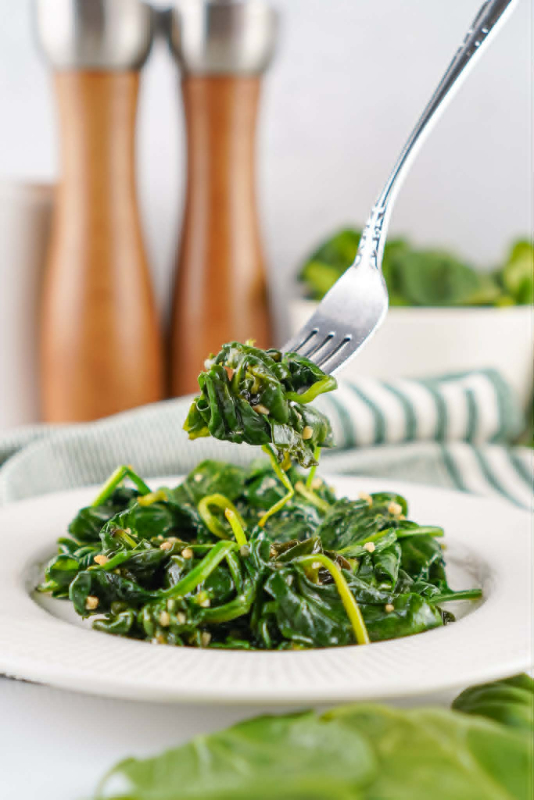
Learn how to make sautéed spinach in minutes. A simple, healthy, and flavorful side dish perfect for any meal.
-
How to Get Rid of Bugs in Your Vegetable Garden Naturally
Getting rid of bugs in your vegetable garden naturally starts with prevention and simple care. Check your plants often so you can spot pests early and act quickly. Use natural solutions like neem oil, garlic spray, or insecticidal soap to control problem insects without harming your garden. You can also invite helpful insects like ladybugs and lacewings, which feed on common pests.
Healthy soil and strong plants make a big difference. Add compost, rotate crops, and keep your garden clean to reduce places where pests can thrive. Barriers like row covers and natural materials like diatomaceous earth can also protect your plants. By combining these easy methods, you can control bugs and keep your vegetable garden healthy without using harsh chemicals. -
Can Chickens Eat Henbit? (Spoiler: They Love It)
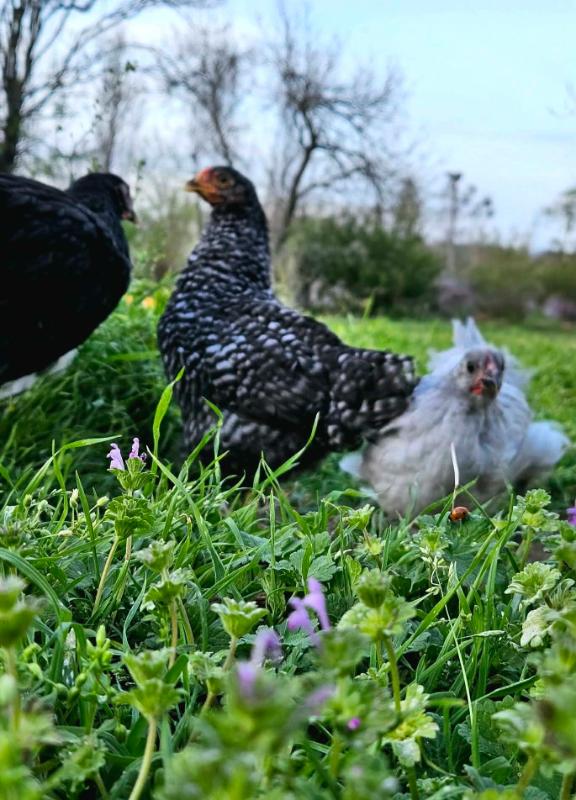
Can chickens eat henbit? Learn if henbit is safe for backyard flocks and the benefits of feeding this wild spring green.
-
Boost Your Raised Garden Bed Naturally: Secrets to Health Soil
Learn how to improve your raised bed garden naturally with tips on healthy soil, composting, and organic methods.
-
Best Watering Schedule for Different Types of Vegetables
Learn the best watering schedule for vegetables and get Oklahoma-specific tips to keep your garden thriving in any season.