Wild Medicinal Herbs in Oklahoma: Foraging Guide & Uses
If you live in Oklahoma long enough, you start to realize something: you don’t have to plant everything to build an herbal apothecary. Some of the most powerful plants show up on their own. As an herbal gardener and homesteader who doesn’t spray chemicals in the yard, I’ve learned to pay attention to what grows naturally. Many wild medicinal herbs in Oklahoma are often dismissed as weeds — yet they’ve been used for generations in traditional herbalism.
Here are some of the most common and useful ones.
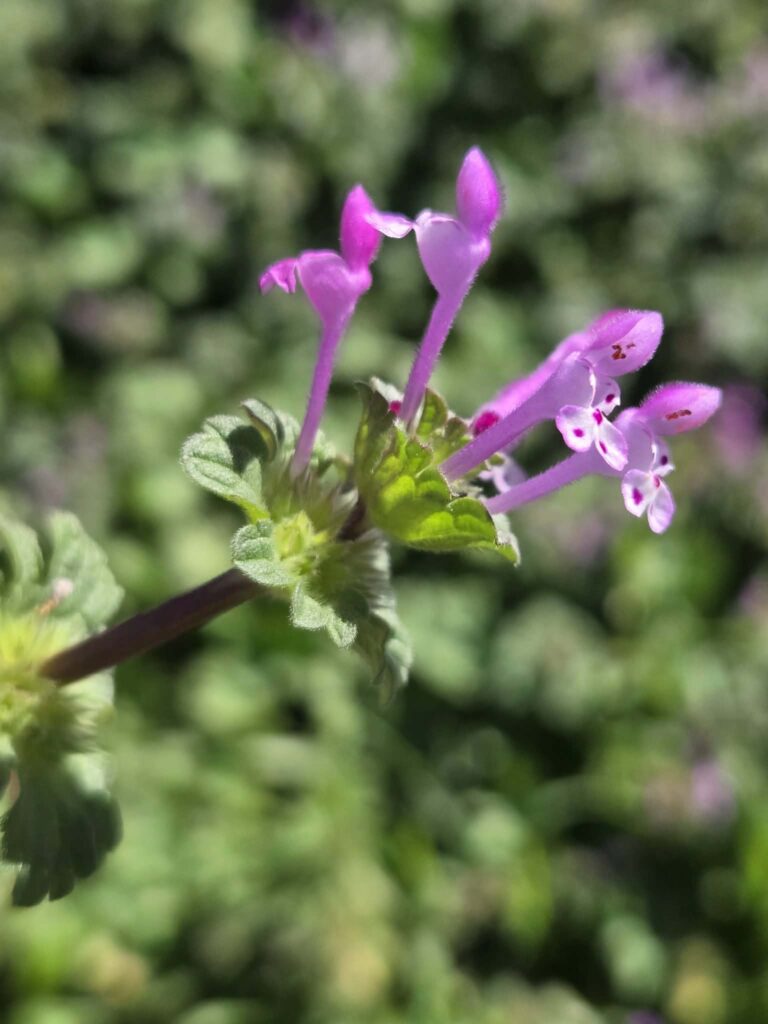

Henbit (Lamium amplexicaule)
Henbit is one of the earliest purple blooms to appear in late winter and early spring, signaling the transition from the cold months to the warmer season. This resilient plant grows close to the ground, featuring distinctive square stems and rounded, scalloped leaves that add a delicate texture to any wild herb collection.
Traditionally, henbit has been valued for its gentle yet nourishing properties:
- A mild spring tonic – helping the body refresh and revitalize after winter.
- Gentle liver support – supporting the liver in detoxification and overall wellness.
- Iron-rich green for seasonal fatigue – providing natural iron and nutrients to help combat low energy during seasonal transitions.
Henbit has a mild, subtle flavor that makes it versatile in the kitchen. Its tender leaves and blooms are perfect for fresh teas, vibrant salads, and soothing herbal infusions, offering both nourishment and a hint of springtime beauty.

Purple Deadnettle (Lamium purpureum)
Often mistaken for henbit, purple deadnettle is easy to identify by its heart-shaped leaves and striking reddish-purple tops. This hardy little plant carpets early spring landscapes, adding a splash of color while quietly offering a range of traditional herbal benefits.
Historically, purple deadnettle has been used for:
- Anti-inflammatory support – helping to soothe minor aches and support overall wellness.
- Minor wound care – its leaves were traditionally applied to small cuts or scrapes for gentle healing.
- Spring nourishment – providing an early source of vitamins and minerals to refresh the body after winter.
Both henbit and purple deadnettle are beginner-friendly plants for foragers, especially when properly identified. Their tender leaves, mild flavors, and seasonal availability make them perfect additions to salads, teas, and herbal infusions, offering both culinary enjoyment and subtle wellness support.

Chickweed (Stellaria media) Wild Medicinal Herbs in Oklahoma
Chickweed is a resilient, low-growing plant that thrives in cool, moist conditions, often forming lush mats across gardens, fields, and forest edges. Its delicate, bright green leaves and tiny white flowers make it easy to spot in early spring and late fall. Chickweed spreads quickly, making it a reliable and abundant wild green for foragers.
Traditionally, people have valued chickweed for a variety of gentle, supportive uses:
- Skin irritation (salves) – People apply its leaves topically in salves or poultices to soothe minor burns, rashes, or insect bites.
- Cooling internal support – used internally as a mild herbal remedy to help cool and calm the body.
- Gentle digestive support – known for its mild, nourishing effects on the digestive system, helping to ease minor discomfort.
Chickweed has a mild, almost corn-silk-like flavor that makes it versatile in the kitchen. It works beautifully in fresh salads, sandwiches, smoothies, and herbal infusions, adding both subtle flavor and nutritional value without overpowering other ingredients. Its tender leaves are especially enjoyable when harvested young, making chickweed a delightful and nourishing addition to your seasonal foraging repertoire.


Stinging Nettle (Urtica dioica) Wild Medicinal Herbs in Oklahoma
Stinging nettles are nutrient-dense powerhouses, rich in iron, calcium, and magnesium, plus vitamins A, C, and K. People have long valued their vibrant green leaves for their restorative properties, making them a cornerstone of traditional herbal medicine.
Historically, people have used nettles for a variety of wellness purposes:
- Seasonal allergies – known to help reduce mild allergic reactions and support respiratory comfort.
- Energy support – their rich nutrient profile can help combat fatigue and support overall vitality.
- Hormonal balance – traditionally used to support healthy endocrine function, particularly for women’s wellness.
- Joint support – applied in teas, tinctures, or poultices, nettles can help ease joint discomfort and support mobility.
When foraging, it’s essential to always wear gloves while harvesting fresh nettles to avoid their stinging hairs. Once cooked, dried, or infused, nettles lose their sting, making them safe for teas, soups, sautés, and smoothies. Their earthy, slightly grassy flavor pairs well with many dishes, adding nutrition to your diet year-round.

Dandelion (Taraxacum officinale) Wild Medicinal Herbs in Oklahoma
Dandelion is one of the most misunderstood plants in America. Often dismissed as a common weed, this bright yellow bloomer is actually a nutritional and medicinal powerhouse, celebrated for centuries in traditional herbal medicine. From its deep taproots to its tender leaves and sunny flowers, nearly every part of the plant offers valuable benefits.
Traditionally, dandelion has been used for:
- Liver support – supporting the body’s natural detoxification processes and promoting healthy liver function.
- Digestive stimulation – gently aiding digestion and encouraging bile production to improve nutrient absorption.
- Gentle diuretic effects – helping the body eliminate excess fluids naturally, supporting kidney and urinary health.
You can use all parts of the dandelion. Roast the roots for tea or tinctures. Add the leaves to salads or sautés for a slightly bitter, nutritious bite. Transform the flowers into syrups, fritters, or infused oils.
Dandelion has an earthy, slightly bitter flavor and a rich nutrient profile. It provides vitamins A, C, and K, plus minerals such as potassium and iron. Its versatility makes it valuable for both culinary and medicinal uses. Foragers and herbal enthusiasts in Oklahoma consider it a must-know wild medicinal herb.

Plantain (Plantago major) Wild Medicinal Herbs in Oklahoma
This plantain plant is not the same as the banana! This hardy broadleaf plant thrives in compacted soil, sidewalks, lawns, and other disturbed areas, making it one of the most practical and accessible wild herbs for foragers. Its broad, low-growing leaves and small, inconspicuous flower spikes are easy to identify, even for beginners.
Traditionally, plantain has been used for:
- Bug bites – applying crushed leaves can help soothe itching and irritation.
- Minor wounds – its natural anti-inflammatory and antimicrobial properties make it useful as a poultice for cuts and scrapes.
- Drawing splinters – crushed leaves can help gently draw out small foreign objects from the skin.
Plantain is one of the most practical wild plants to keep on hand because it grows almost anywhere and offers immediate, gentle first-aid support. You can also use its leaves fresh in salads or cook them like greens, while dried leaves make a soothing herbal infusion. With its subtle, grassy flavor and powerful traditional uses, plantain is a must-know for anyone exploring wild edible and medicinal plants.d herbs in Oklahoma.


Safety Tips for Oklahoma Foraging Wild Medicinal Herbs in Oklahoma
When foraging for wild medicinal herbs in Oklahoma:
- Avoid sprayed lawns and roadsides.
- Positively identify each plant.
- Start small when trying new herbs.
- Harvest responsibly and sustainably.
Wild herbs can be a blessing — but knowledge comes first.

Final Thoughts on Wild Medicinal Herbs in Oklahoma
Oklahoma’s soil grows more than just crops. It produces a living pharmacy for those willing to learn.
Before you pull every “weed” this spring, consider what might be growing right at your feet.
Health Disclaimer:
The information provided on this website is for educational and informational purposes only and is not intended as medical advice. I am not a licensed healthcare provider, and the content shared here should not be used to diagnose, treat, cure, or prevent any medical condition. Always consult with a qualified healthcare professional before beginning any new health or wellness regimen, especially if you are pregnant, nursing, have a medical condition, or are taking any medications. Use essential oils and other natural remedies responsibly and at your own risk.
-
Strawberry Leaf Benefits: Ways to Use Strawberry Leaves
Discover strawberry leaf benefits and learn how to use strawberry leaves in tea, smoothies, salads, and more.
-
Cook | Gardening | Recipe | Side Dishes
How to Make Sautéed Spinach (Simple & Flavorful Side Dish)
Learn how to make sautéed spinach in minutes. A simple, healthy, and flavorful side dish perfect for any meal.
-
How to Get Rid of Bugs in Your Vegetable Garden Naturally
Getting rid of bugs in your vegetable garden naturally starts with prevention and simple care. Check your plants often so you can spot pests early and act quickly. Use natural solutions like neem oil, garlic spray, or insecticidal soap to control problem insects without harming your garden. You can also invite helpful insects like ladybugs and lacewings, which feed on common pests.
Healthy soil and strong plants make a big difference. Add compost, rotate crops, and keep your garden clean to reduce places where pests can thrive. Barriers like row covers and natural materials like diatomaceous earth can also protect your plants. By combining these easy methods, you can control bugs and keep your vegetable garden healthy without using harsh chemicals. -
Can Chickens Eat Henbit? (Spoiler: They Love It)
Can chickens eat henbit? Learn if henbit is safe for backyard flocks and the benefits of feeding this wild spring green.
-
Boost Your Raised Garden Bed Naturally: Secrets to Health Soil
Learn how to improve your raised bed garden naturally with tips on healthy soil, composting, and organic methods.
-
Best Watering Schedule for Different Types of Vegetables
Learn the best watering schedule for vegetables and get Oklahoma-specific tips to keep your garden thriving in any season.