An Apple Cider Vinegar Bath: The Benefits (and How I Use It)
There’s something I’ve learned over the years, especially after walking through so many health challenges in our family—sometimes the most effective remedies are also the simplest. Apple cider vinegar is one of those staples I always keep on hand. Most people think of it for cooking or maybe even drinking, but one of my favorite ways to use it is as an apple cider vinegar bath or shower.

It’s affordable, easy to use, and surprisingly effective. And if you’re wondering… no, you won’t walk around smelling like vinegar all day. I had the same concern at first, but once it’s rinsed off and your skin dries, the scent completely disappears.

Why Apple Cider Vinegar Works for Skin
Apple cider vinegar has been used for generations as a natural skin remedy, largely because of its ability to help restore balance.
Our skin naturally has a slightly acidic pH, and many modern products can disrupt that balance. Apple cider vinegar helps bring it back to where it should be, which can support healthier-looking skin overall. The best apple cider vinegar for skin is organic, raw, unfiltered, and contains “the mother.” This type keeps the natural enzymes and acids that may help balance skin, fight acne, and gently exfoliate.
Many people use it to help:
Soothe dry or irritated skin
Support clearer, more balanced skin
Reduce body odor naturally
Soften rough areas like elbows and heels
It’s not about perfection or quick fixes—it’s about supporting your skin more naturally.
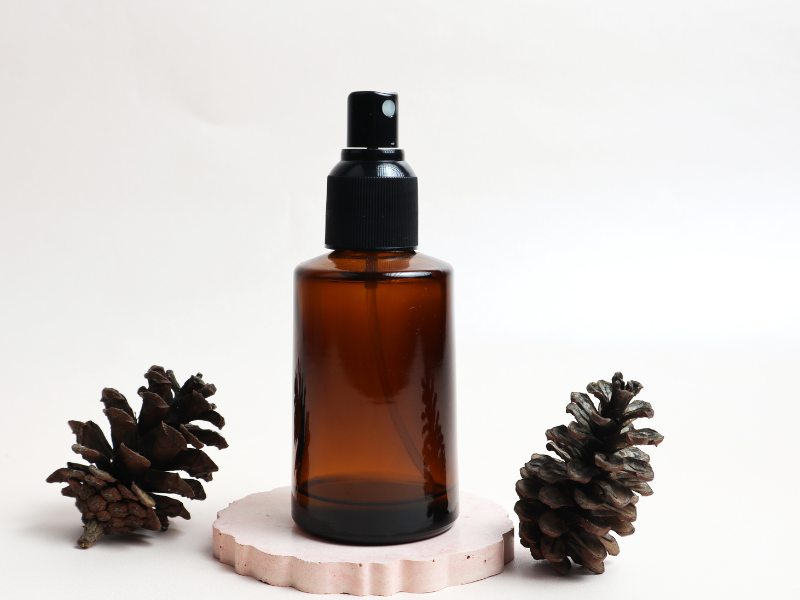
How I Use Apple Cider Vinegar in the Shower
I’ve found the shower is the easiest way to use apple cider vinegar in my routine. I keep a small spray bottle in the bathroom with apple cider vinegar and a little water. If you’re new to this, start with it diluted since everyone’s skin reacts differently. In the shower, I lightly spray it on my skin and let it sit for a minute or two before rinsing it off. It’s quick, simple, and doesn’t add extra work to my day. Over time, I’ve noticed my skin feels softer and more balanced without using a lot of products. If you are using Apple cider vinegar with “mother” make sure you strain it before putting it in your spray bottle or the spray bottle will clog. I prefer to use a continuous spray bottle. remember not to use glass in your shower. They can get slippery, fall and break.

Using Apple Cider Vinegar as a Bath Soak
If you prefer a more relaxing option, an apple cider vinegar bath is another great way to use it. Adding one to two cups to a warm bath and soaking for about 20 minutes can be especially helpful for dry skin or overall skin irritation.
It’s also a nice way to unwind at the end of the day while still doing something beneficial for your body.
A Few Things to Keep in Mind
Use common sense when trying apple cider vinegar on your skin. If you’re new to it, start by diluting it and see how your skin reacts. Avoid using it on broken or freshly shaved skin, and do a small patch test if you have sensitive skin. I’ve personally used it undiluted, but it’s best to ease into it first.

A More Thoughtful Approach to Self-Care
For a long time, I was so focused on taking care of everyone else that I didn’t give much thought to the small ways I could take care of myself.
Between my husband’s health, my daughter’s diagnosis, and losing my son, life felt like it was always about getting through the next moment. But I’ve come to realize that caring for myself doesn’t have to be complicated or expensive.
Sometimes it looks like small, intentional choices—like using something as simple as apple cider vinegar instead of reaching for another product filled with ingredients I can’t even pronounce. It’s not about doing everything perfectly. It’s about doing what you can, where you are, with what you have.
Final Thoughts On Using an Apple Cider Vinegar Bath
You don’t need a cabinet full of skincare products to care for your skin. Sometimes the simplest remedies are the ones people have relied on for generations.
An apple cider vinegar bath is one of those easy, practical options. It can fit naturally into your routine without adding more stress, expense, or complicated steps. And when life already feels overwhelming, there’s something comforting about going back to simple basics.
Apple cider vinegar is one of those simple, practical tools that fit easily into everyday life without adding stress or overwhelm. And in a world where everything feels complicated, there’s something really comforting about that.

I’m not a medical professional. I’m simply sharing what has worked for my family and me through our own health journey. Always consult with your doctor before trying anything new.
-
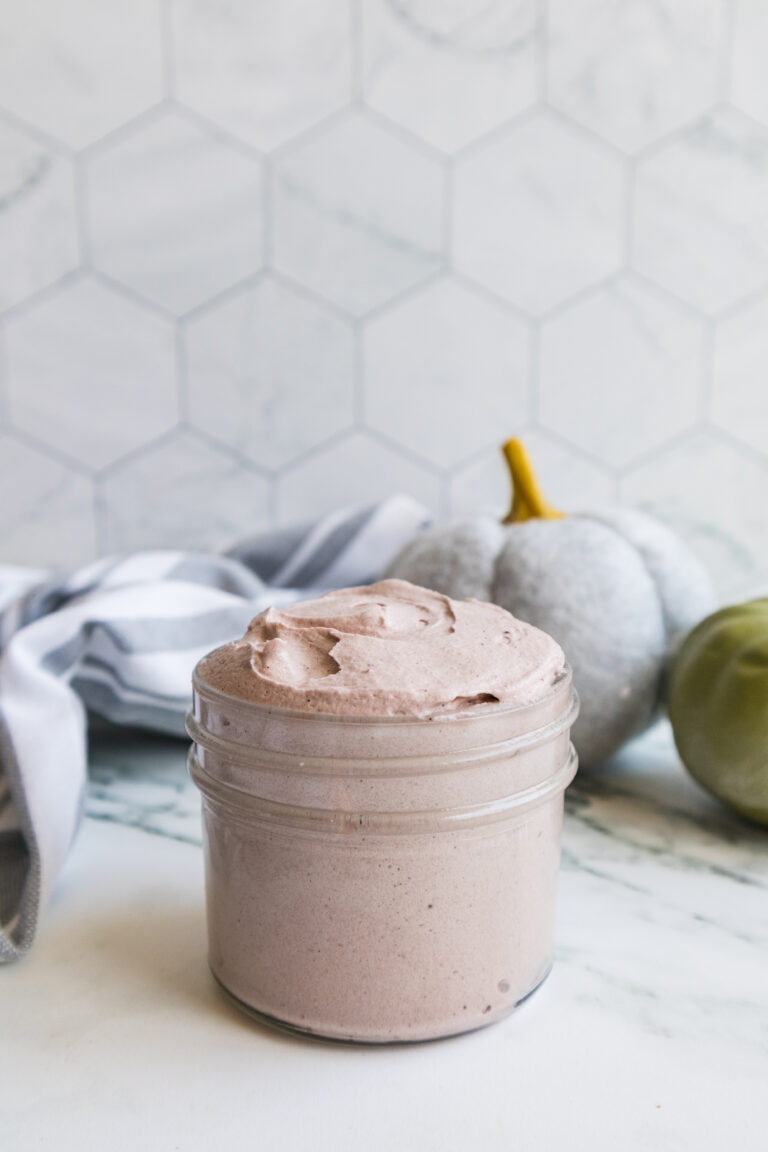
Whipped Tallow Balm Recipe with a Cozy Fall Scent
Whipped Tallow Balm Recipe with nourishing oils and a cozy fall scent. An easy homemade balm for soft, moisturized skin.
-
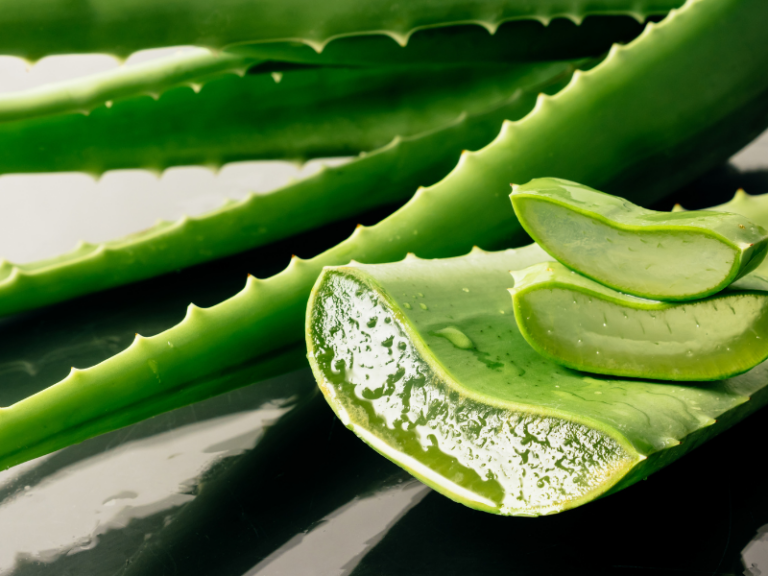
Growing Aloe Vera and Using It for Home Remedies
Learn how to grow aloe vera and use it for simple home remedies like burns, skin care, and natural healing.
-
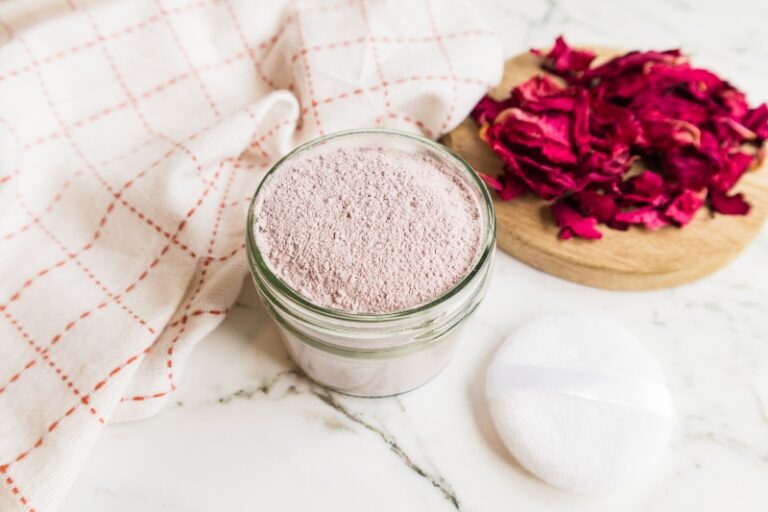
How to Make Homemade Rose Body Powder
Learn how to make homemade rose body powder with simple ingredients for naturally fresh, soft skin and a light floral scent.
-
The Truth About Red Light Therapy: At-Home vs Medical Grade
Red light therapy is now widely available both in clinics and at home—but the differences matter. Medical-grade devices used by professionals deliver higher power and deeper penetration, often producing faster, more noticeable results. They can also be customized for specific skin or health concerns.
At-home devices, on the other hand, are designed for safety and convenience. They use lower انرژی levels, which means results come more slowly and require consistent use over time. While many still operate within effective wavelength ranges, they can’t match the intensity or precision of clinical treatments.
The term “medical grade” isn’t strictly regulated, so performance varies. In the end, professional treatments offer speed and customization, while at-home options provide affordability and ease—making the best choice dependent on your goals and patience.
-
Clear Skin Naturally: Proven DIY Natural Acne Treatments
Discover effective, natural ways to calm acne and inflammation without harsh chemicals. This post shares easy, proven DIY treatments made from simple kitchen ingredients—each with a recipe you can try today. Whether you’re a teen or an adult, these gentle remedies can help you achieve clearer, healthier skin naturally.
-
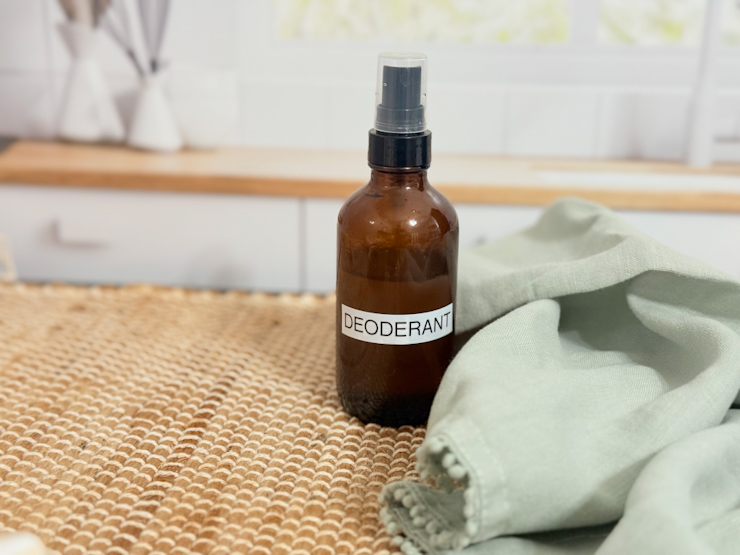
Homemade Deodorant Spray with Magnesium Flakes
Make your own natural spray deodorant with magnesium flakes—simple, effective, and free from harsh store-bought chemicals!