
Homemade Disinfectant Spray: Rosemary & Mint
As part of our “Make It at Home Day,” my friend Rachael and I whipped up a batch of this refreshing and powerful homemade disinfectant spray—and now I’m hooked. With just a few ingredients, you can clean surfaces naturally and avoid the toxic load of many store-bought cleaners.

Why Go Homemade?
Many regular disinfectants have strong chemicals that can be harmful to people and the environment. Common ones include:
Ammonia – This is found in many glass and surface cleaners. It can irritate the eyes, skin, and lungs. Breathing in too much can make asthma worse and cause coughing or burning in the throat.
Bleach (sodium hypochlorite) – Bleach is a strong disinfectant, but also very harsh. It can burn the skin and eyes. Mixing bleach with other cleaners can create toxic gas. Even on its own, bleach gives off strong fumes that hurt the lungs.
Quaternary ammonium compounds (“quats”) – Quats are often in wipes and sprays. They can cause asthma, skin rashes, and may affect fertility. These chemicals can stay on surfaces and pollute indoor air.
Synthetic fragrances – Many cleaners use fake scents to smell pleasant. These scents often contain hidden chemicals. Some can cause headaches, allergies, or breathing problems. Others may affect hormones in the body.
Formaldehyde – Used to preserve some cleaners, formaldehyde is a known cancer-causing chemical. It can irritate the skin, eyes, and lungs. Long-term exposure can lead to serious health problems.
Safer, Natural Options
While these ingredients can kill germs, they may harm your health. Safer, natural options are a better choice for many people.
Even some brands marketed as “natural” have changed their formulas after being bought out by big corporations. A great example is Mrs. Meyers, which started off with cleaner ingredients but now contains synthetic fragrance and other questionable additives. It’s hard to know who to trust anymore, which is exactly why we’ve turned to DIY for this homemade disinfectant spray!


Ingredients
- 1/3 cup distilled water
- 1/3 cup witch hazel
- 12 drops peppermint essential oil
- 8 drops rosemary essential oil
Optional: No essential oils? No problem. You can steep fresh rosemary and peppermint leaves in the water/witch hazel mixture for 2 weeks and strain before use.


Instructions
- Combine all ingredients in a spray bottle.
- Shake well before each use.
- Spray onto surfaces and wipe clean.
- Triple the recipe for a full 32 oz spray bottle.
- Download our printable recipe card.

Final Thoughts on This Homemade Disinfectant Spray
This homemade disinfectant spray isn’t just effective—it smells amazing, is simple to make, and helps limit your contact with synthetic chemicals. That’s especially important if you have children or pets at home, where safety and peace of mind matter most. Many store-bought cleaners contain harsh ingredients, but making your own gives you full control over what goes into the products you use every day.
There’s also something deeply satisfying and empowering about creating your own cleaning solutions. It’s a small act of care that can make a big difference—both for your home and your health.
Whether you’re doing a full deep clean or just wiping down kitchen counters, this natural spray gets the job done. And with its fresh, spa-like scent, it turns even routine chores into a more pleasant experience. Clean surfaces, cleaner air, and a greater sense of confidence in what you’re using, that’s the beauty of going natural.
Want more DIY cleaning recipes? Check out the Naturally Homemade section on the blog.

Homemade Disinfectant Spray: Rosemary & Mint
Fresh, crisp, and naturally powerful—this rosemary and mint disinfectant spray is a simple way to clean your home without harsh chemicals.
Materials
- 1/3 cup distilled water
- 1/3 cup witch hazel
- 12 drops peppermint essential oil
- 8 drops rosemary essential oil
Instructions
- Combine all ingredients in a spray bottle.
- Shake well before each use.
- Spray onto surfaces and wipe clean.
- Triple the recipe for a full 32-oz spray bottle.
-
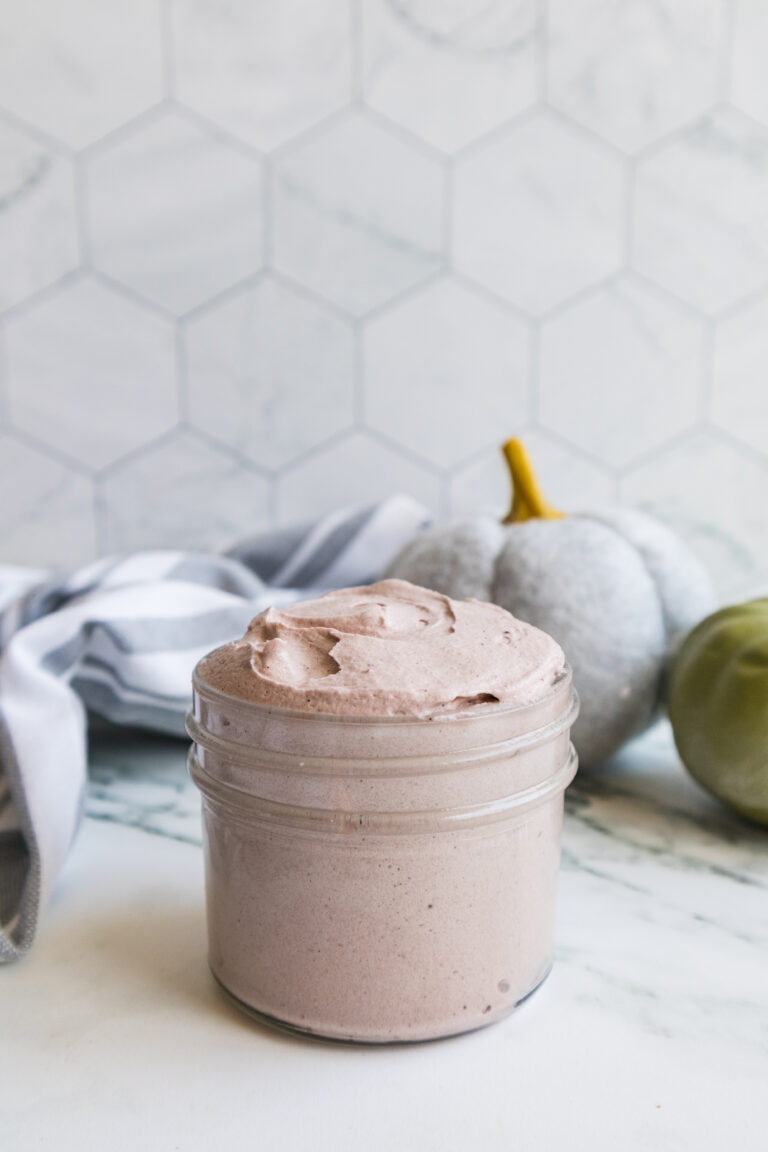
Whipped Tallow Balm Recipe with a Cozy Fall Scent
Whipped Tallow Balm Recipe with nourishing oils and a cozy fall scent. An easy homemade balm for soft, moisturized skin.
-
25 Must-Know Instant Pot Uses for Homesteaders (Part 5)
Finish the Must-Know Instant Pot Uses series with homemade herbal syrups, easy steamed desserts, helpful FAQs, and practical tips for saving time, money, and food in the kitchen.
-
25 Must-Know Instant Pot Uses for Homesteaders (Part 4)
Discover more practical Instant Pot uses that can save time, reduce food waste, and make everyday cooking easier.
-
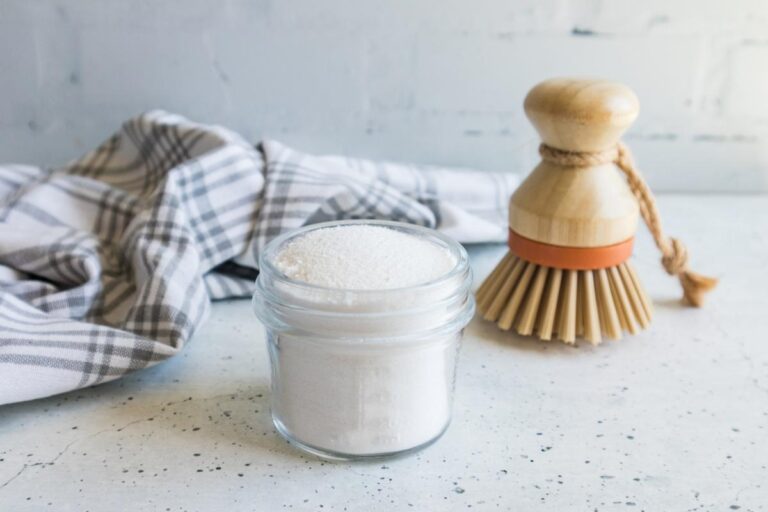
Homemade OxiClean Recipe: Easy DIY Stain Remover
Homemade OxiClean Recipe made with simple ingredients to help lift laundry stains and brighten clothes without the high cost.
-
Air Fryer Potato Chips: A Simple Snack
Air Fryer Potato Chips are a simple, crunchy snack made with just potatoes, salt, and a touch of oil. They cook fast, turn perfectly golden, and taste better than anything in a bag. Perfect for after‑school snacking or anytime you want something homemade and crisp.
-
How to Freeze-Dry Herbs in a Harvest Right Freeze Dryer
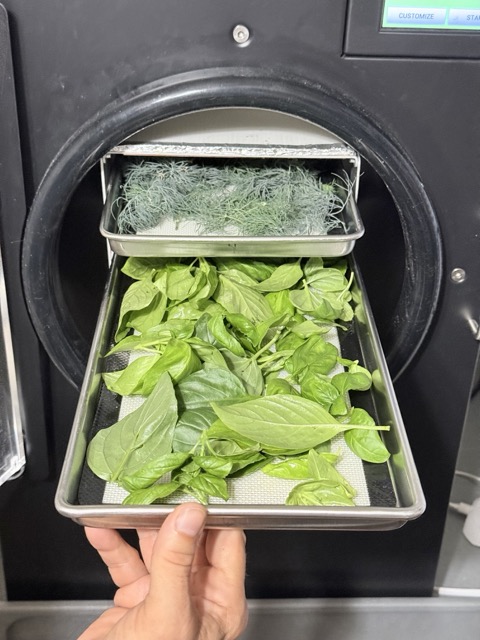
Learn how to freeze-dry fresh herbs to preserve your garden harvest and enjoy basil, rosemary, and dill year-round.






This theme is simply matchless :), it is interesting to me)))