Growing Aloe Vera and Using It for Home Remedies
If there’s one plant I believe every homestead should have, it’s aloe vera. Growing aloe vera is simple, doesn’t require much attention, and has been one of the most useful natural remedies in our home. From soothing burns to supporting skin health, aloe is one of those plants that just earns its place on your windowsill.
And the best part is you don’t need a green thumb to grow it.
What Aloe Vera Is Good For
Aloe vera has been used for generations as a natural remedy, and for good reason.
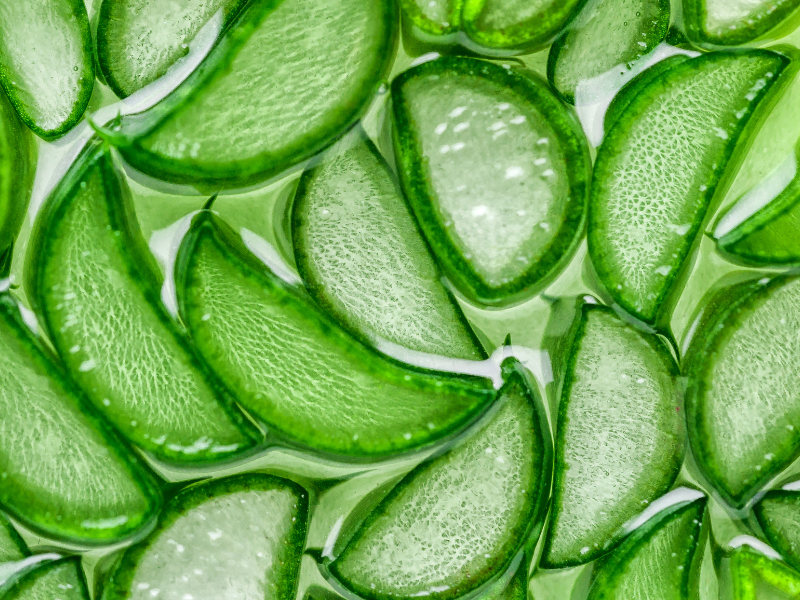
Some of the most common uses include soothing sunburns and minor burns, helping with small cuts and skin irritations, moisturizing dry or aging skin, calming skin after shaving, and cooling inflammation.
It’s one of those plants that feels like a little first-aid kit sitting right in your home.
Growing Aloe Vera (Even If You’re a Beginner)
Aloe vera is one of the easiest plants you’ll ever grow.
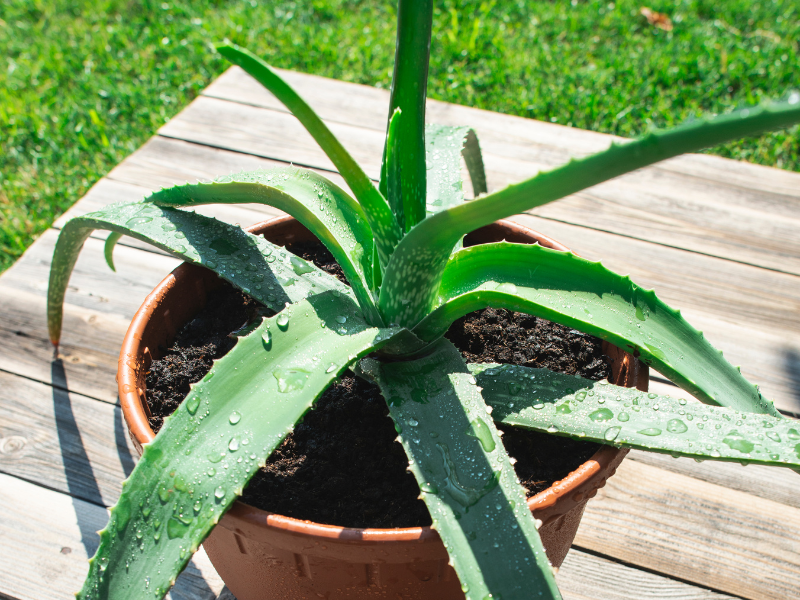
It thrives in bright light, so placing it near a sunny window is ideal. It can tolerate indirect light, but it does best when it gets plenty of sunshine throughout the day.
Use a well-draining soil, such as a cactus or succulent mix. This helps prevent the roots from sitting in moisture too long. Watering is where most people go wrong. Aloe does not like to be overwatered. A good rule of thumb is to water every two to three weeks and always let the soil dry out completely between waterings.
Make sure your pot has drainage holes. Terracotta pots are a great option because they help absorb excess moisture and keep the roots healthy.
Once you get these basics right, growing aloe vera is very low-maintenance, and it will continue to grow with little effort.


How to Harvest Aloe Vera Gel
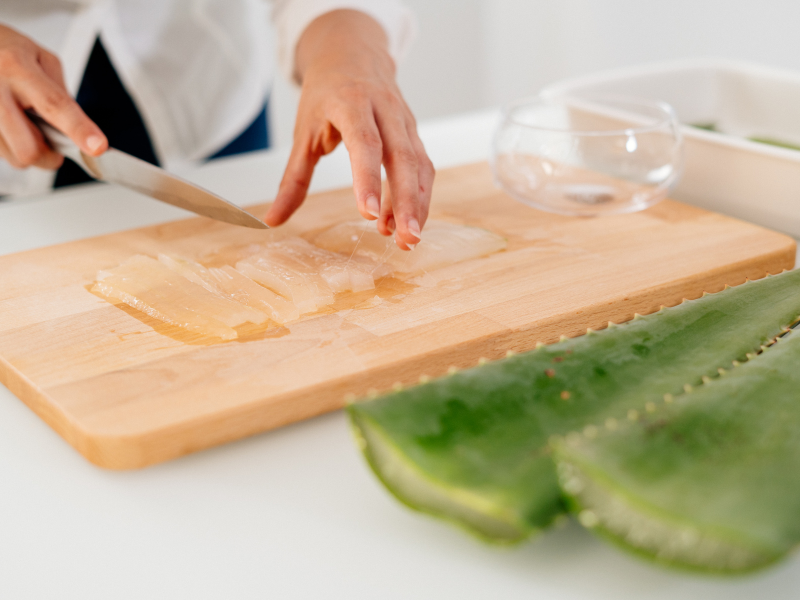
Choose a mature aloe vera plant with thick, healthy outer leaves. Mature plants should be at least 8 inches tall. Harvest only the large outer leaves. Leave the smaller center leaves untouched so the plant continues growing.
Use a clean, sharp knife or garden scissors. Cut the leaf close to the base of the plant. Hold the leaf upright for 10 to 15 minutes after cutting. This step drains the yellow latex, called aloin, which can irritate sensitive skin.
Rinse the leaf under cool water to remove dirt and residue. Place the leaf flat on a cutting board. Trim the spiky edges with a knife. Slice the leaf lengthwise down the middle to expose the clear gel.
Scoop out the gel with a spoon and place it into a clean bowl. Avoid scraping the yellow layer beneath the skin. Blend the gel for a smoother texture if desired. Store fresh aloe gel in an airtight container in the refrigerator for up to one week.
Harvest aloe leaves every few weeks to avoid stressing the plant. Healthy aloe plants continue producing new leaves throughout the growing season.


Simple Aloe Vera Home Remedies
Growing Aloe vera at home is one of the easiest natural remedies to start using. For burns and sunburns, apply fresh aloe gel directly to the skin for a cooling, soothing effect. There are so many easy uses for this hard-working homestead staple.
Cooling Aloe Sunburn Gel
Cut one fresh aloe vera leaf and scoop out 2 tablespoons of gel. Blend the gel until smooth. Apply a thin layer to sunburned skin. Leave it on for 20 minutes for a cooling effect. Reapply as needed throughout the day. Store extra gel in the refrigerator for up to one week.
Overnight Aloe Moisturizer
Wash your face with a gentle cleanser and pat dry. Apply 1 tablespoon of fresh aloe vera gel to your face and neck. Massage the gel into dry areas using upward motions. Leave the gel on overnight. Rinse your face with cool water in the morning. Use this treatment 3 times weekly for soft, hydrated skin.
Aloe Healing Balm for Minor Cuts
Clean the affected area with mild soap and warm water. Pat the skin dry with a clean towel. Apply 1 teaspoon of fresh aloe vera gel directly to the cut or irritated area. Cover with a clean bandage if needed. Reapply the gel twice daily until the skin feels better.
Soothing After-Shave Aloe Treatment
Mix 2 tablespoons of aloe vera gel with 1 tablespoon of cucumber juice. Stir until smooth and chilled. Apply the mixture to freshly shaved skin using clean fingers. Leave it on for 15 minutes to calm redness and irritation. Rinse lightly with cool water or leave a thin layer on overnight.
Aloe and Honey Face Mask
Combine 1 tablespoon aloe vera gel with 1 teaspoon raw honey in a small bowl. Mix until smooth and creamy. Apply the mask evenly to clean skin, avoiding the eye area. Leave the mask on for 15 to 20 minutes. Rinse with warm water and pat your skin dry with a soft towel.
Aloe and Coconut Oil Hydrating Mask
Mix 1 tablespoon of aloe vera gel with 1 teaspoon of melted coconut oil. Stir until the texture becomes creamy. Apply the mixture to dry skin, elbows, or rough patches. Leave it on for 20 minutes before rinsing with lukewarm water. Use this mask twice weekly for extra hydration.
Aloe Hair and Scalp Mask
Blend 3 tablespoons of aloe vera gel with 1 tablespoon of coconut oil. Massage the mixture into your scalp for 2 minutes. Work the remaining mask through the ends of your hair. Cover your hair with a shower cap and leave the mask on for 30 minutes. Wash your hair with mild shampoo and warm water.
Refreshing Aloe Body Mist
Mix 2 tablespoons of aloe vera gel with 1/2 cup of cold green tea in a spray bottle. Add 3 drops of lavender essential oil for fragrance. Shake the bottle well before each use. Spray the mist onto tired or sun-exposed skin for a refreshing boost. Store the bottle in the refrigerator for extra cooling power.

A Few Things to Be Careful About
Even with natural home remedies, it’s important to use wisdom. Aloe vera is generally safe for most people, but it can still cause some concerns and side effects. One of the most common issues is skin irritation. Some people may develop redness, itching, or a mild rash after applying aloe vera gel, especially if they have sensitive skin or a plant allergy. It is always a good idea to test a small amount on the inner arm before using it more widely.
Another concern comes from the yellow substance just under the aloe leaf skin, called aloin. Aloin can irritate the skin and may stain clothing or towels. When harvesting fresh aloe, drain the leaf for several minutes and rinse it well before using the clear gel. This helps reduce irritation.
Fresh aloe vera gel also spoils quickly because of its high water content. If stored improperly, it can grow bacteria or mold within days. Keep the gel in a clean, airtight container in the refrigerator and use it within one week.
Some people also experience problems when using aloe vera on serious wounds or burns. Aloe can help minor skin issues, but it should not replace medical treatment for deep cuts, severe burns, or infected skin.
Store-bought aloe products may also contain alcohol, fragrance, or artificial dyes. These ingredients can dry out the skin or cause irritation, especially for sensitive skin. Reading ingredient labels carefully can help avoid this problem.
Finally, avoid applying aloe vera near the eyes, since it may cause burning or discomfort. People with plant allergies should also use caution, as aloe belongs to a plant family that may trigger reactions.
If you are considering using aloe internally, talk to your doctor first.

A Little From My Heart
As someone who has spent years taking care of others, walking through illness, loss, and healing, I’ve learned to appreciate the simple things God has given us.
Plants like aloe vera remind me that sometimes what we need is already right in front of us. And God said, Behold, I have given you every herb bearing seed — Genesis 1:29 (KJV)
There is something comforting about growing your own remedies, knowing exactly what you’re using, and taking small steps toward caring for yourself, too. Because if you’re anything like me, it’s easy to forget that part.
Final Thoughts on Growing Aloe Vera and Using It
You don’t need a full garden to start living more naturally. Sometimes it starts with one plant. Aloe vera is a beautiful place to begin.
-
Non-Toxic Kitchen Swaps for a Healthier Home
Non-Toxic Kitchen Swaps to create a healthier kitchen with simple product changes and practical cooking tips.
-
Homemade Dishwasher Powder: Easy DIY Detergent Recipe
Homemade Dishwasher Powder made with simple ingredients for an easy, affordable alternative to store-bought dishwasher detergent.
-
Fall Wax Melts Recipe with Essential Oils
These fall wax melts bring warm, cozy scents to your home with just a few basic ingredients. They’re easy to make, budget‑friendly, and perfect for anyone who loves natural, homemade products. The blend of cinnamon, clove, orange, and cedarwood creates a comforting autumn aroma that feels right at home in any farmhouse kitchen. Make a batch for your own warmer or package them as sweet seasonal gifts.
-
Whipped Tallow Balm Recipe with a Cozy Fall Scent
Whipped Tallow Balm Recipe with nourishing oils and a cozy fall scent. An easy homemade balm for soft, moisturized skin.
-
25 Must-Know Instant Pot Uses for Homesteaders (Part 5)
Finish the Must-Know Instant Pot Uses series with homemade herbal syrups, easy steamed desserts, helpful FAQs, and practical tips for saving time, money, and food in the kitchen.
-
25 Must-Know Instant Pot Uses for Homesteaders (Part 4)
Discover more practical Instant Pot uses that can save time, reduce food waste, and make everyday cooking easier.