Easy Low-Maintenance Houseplants Anyone Can Grow
If you love the idea of a home filled with greenery but don’t love complicated care routines, you’re not alone. Many people assume houseplants are fragile or high-maintenance, but the truth is that some of the best indoor plants actually thrive on a little neglect. Choosing the right low-maintenance houseplants can give you all the benefits of greenery without adding stress to your day.
Whether you’re brand new to plants, short on time, or convinced you have a “black thumb,” these plants are forgiving, adaptable, and rewarding. With the right picks, even busy households can enjoy lush, healthy plants that last for years.

Why Low-Maintenance Houseplants Are Perfect for Beginners
Low-maintenance houseplants succeed because they are naturally resilient. Most tolerate missed waterings, adapt to average indoor lighting, and don’t require frequent pruning or repotting. Many store water in their leaves or roots, allowing them to bounce back from occasional neglect.
Another benefit is confidence. Starting with easy plants helps beginners learn basic plant care without constant failure. Once you see a plant thriving, it becomes much easier to expand your indoor garden.

Snake Plant: The Ultimate Set-It-and-Forget-It Plant
Snake plants are often considered the gold standard of low-maintenance houseplants. They tolerate low light, bright light, and everything in between. Watering is simple: let the soil dry out completely before watering again.
Their upright, architectural leaves add visual interest to any room, and they grow slowly, meaning they rarely need repotting. For anyone who forgets to water or travels often, this plant is a reliable choice.

ZZ Plant: Low-maintenance Houseplants Built for Busy Homes
The ZZ plant is famous for surviving conditions that would stress most houseplants. It handles low light, dry air, and infrequent watering with ease. Its thick, waxy leaves store water, which protects it from drought stress.
This plant is ideal for offices, bedrooms, or darker corners of the home where other plants struggle. The glossy foliage also gives it a polished look without requiring much effort.

Pothos: Fast Growth With Minimal Effort
Pothos is one of the most popular low-maintenance houseplants for good reason. It adapts well to a range of indoor light conditions and recovers quickly if you forget to water it.
Its trailing vines make it perfect for shelves, hanging baskets, or climbing along walls. Pothos also propagates easily, allowing you to grow new plants from cuttings with very little effort.

Spider Plant: Easy Care With Bonus Plants
Spider plants are incredibly forgiving and known for producing small offshoots, often called “babies.” These offshoots can be replanted to create new plants, making spider plants especially rewarding for beginners.
They prefer bright, indirect light but tolerate lower light fairly well. Occasional watering and basic care are all they need to stay healthy and attractive.

Chinese Evergreen: Low-maintenance Houseplants Offering Color Without the Fuss
Chinese evergreens are ideal for indoor spaces with lower light. They offer colorful foliage options while remaining easy to care for. These plants prefer evenly moist soil, but forgive missed waterings better than many decorative houseplants.
Their adaptability makes them a great choice for living rooms, bedrooms, or offices where lighting conditions vary throughout the day.

Peace Lily: Low-maintenance Houseplants That Communicate
Peace lilies are slightly more hands-on than some low-maintenance houseplants, but they make up for it by clearly showing when they need water. When thirsty, their leaves droop, and they perk back up after watering.
They tolerate lower light better than many flowering plants and reward proper care with elegant white blooms. For beginners who want flowers without constant attention, peace lilies are a good option.

Common Mistakes That Kill Easy Houseplants
Overwatering is the most common reason indoor plants fail. Many low-maintenance houseplants prefer drying out between waterings. When in doubt, it’s usually safer to wait a few extra days before watering again.
Another mistake is placing plants in light conditions they can’t tolerate. Matching your plant to the light you actually have is far more effective than trying to change your environment to suit the plant.
The Real Benefits of Keeping Houseplants
While houseplants won’t replace proper ventilation or air filtration, research suggests that interacting with plants can reduce stress and improve overall well-being. Many people find that simply caring for plants makes their home feel calmer and more inviting.
Low-maintenance houseplants offer these benefits without the pressure of constant care, making them ideal for modern, busy lifestyles.

How to Set Yourself Up for Success
Always use pots with drainage holes or keep plants in their nursery pots inside decorative containers. Avoid letting plants sit in standing water, and choose plants based on your lighting conditions rather than aesthetics alone.
Starting with one or two low-maintenance houseplants allows you to build confidence and routines naturally. As those plants thrive, expanding your collection becomes much easier.
Low-maintenance houseplants prove that you don’t need a green thumb to enjoy a beautiful garden. With the right plants and a simple care approach, anyone can create a home filled with healthy, thriving greenery.
-
How to Get Rid of Bugs in Your Vegetable Garden Naturally
Getting rid of bugs in your vegetable garden naturally starts with prevention and simple care. Check your plants often so you can spot pests early and act quickly. Use natural solutions like neem oil, garlic spray, or insecticidal soap to control problem insects without harming your garden. You can also invite helpful insects like ladybugs and lacewings, which feed on common pests.
Healthy soil and strong plants make a big difference. Add compost, rotate crops, and keep your garden clean to reduce places where pests can thrive. Barriers like row covers and natural materials like diatomaceous earth can also protect your plants. By combining these easy methods, you can control bugs and keep your vegetable garden healthy without using harsh chemicals. -
Best Watering Schedule for Different Types of Vegetables
Learn the best watering schedule for vegetables and get Oklahoma-specific tips to keep your garden thriving in any season.
-
How to Keep Rabbits Out of Your Garden Naturally
Learn how to keep rabbits out of your garden naturally with easy, organic methods and homemade deterrent sprays.
-
Garlic Spray for Plants
Garlic is a versatile herb known for its use in cooking, medicinal purposes and even pest control. In recent years, the popularity of using garlic as a natural way to protect plants from pests has increased. This article will explore how homemade garlic spray can be used effectively on plants to repel pests while protecting…
-
How to Get Rid of Bugs in Garden Soil
Gardening can be rewarding but garden soil may be susceptible to infestation by various bugs. Learn how to get rid of bugs in garden soil.
-
Ladybugs for Plants: Why They are Beneficial
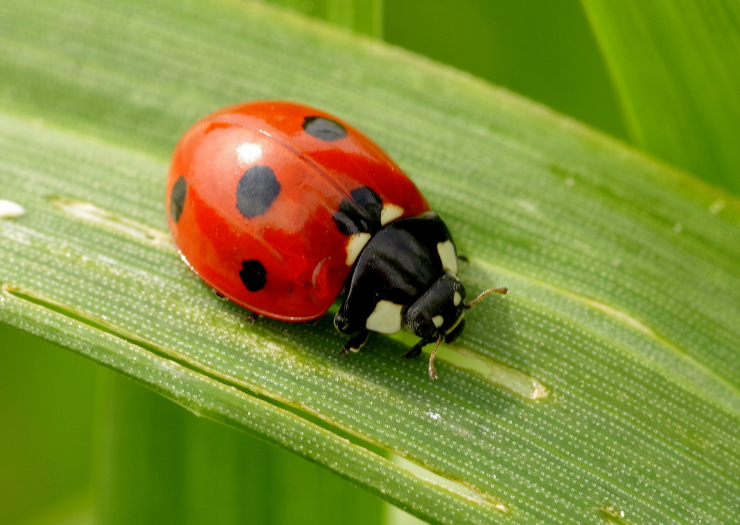
The presence of beneficial insects in a garden is often overlooked. Check out ladybugs for plants and why they are beneficial