Bird Flu Prevention: Tips to Protect Your Livestock
Updated November 9, 2026
Bird flu prevention starts with simple daily habits. Whether you raise chickens or keep a family cow, USDA updates can help you protect your animals. H5N1, a virus that causes bird flu, can infect poultry, dairy cattle, and other animals.
Even small homesteads benefit from good biosecurity. This simply means taking steps to keep disease off your property and stop it from spreading.
What the Latest USDA Bird Flu Findings Mean
On November 2, 2026, USDA confirmed Indiana’s first reported case of H5N1 bird flu in dairy cattle. Regular milk testing helped officials find the infected herd. This shows why ongoing testing matters, even when animals stay on the farm. Bird flu can affect cows as well as chickens.
USDA shared another update on November 4. Tests showed that cattle moving from Idaho likely brought the virus to Washington dairy herds. Scientists found B3.13, a type of the H5N1 virus. For livestock owners, these findings offer a helpful reminder. Take care when buying or moving animals and sharing equipment. Keep protecting your animals from wild birds, too. Animal and Plant Health Inspection Service
Build a Bird Flu Prevention Routine
Keep Wild Birds Away From Feed and Water
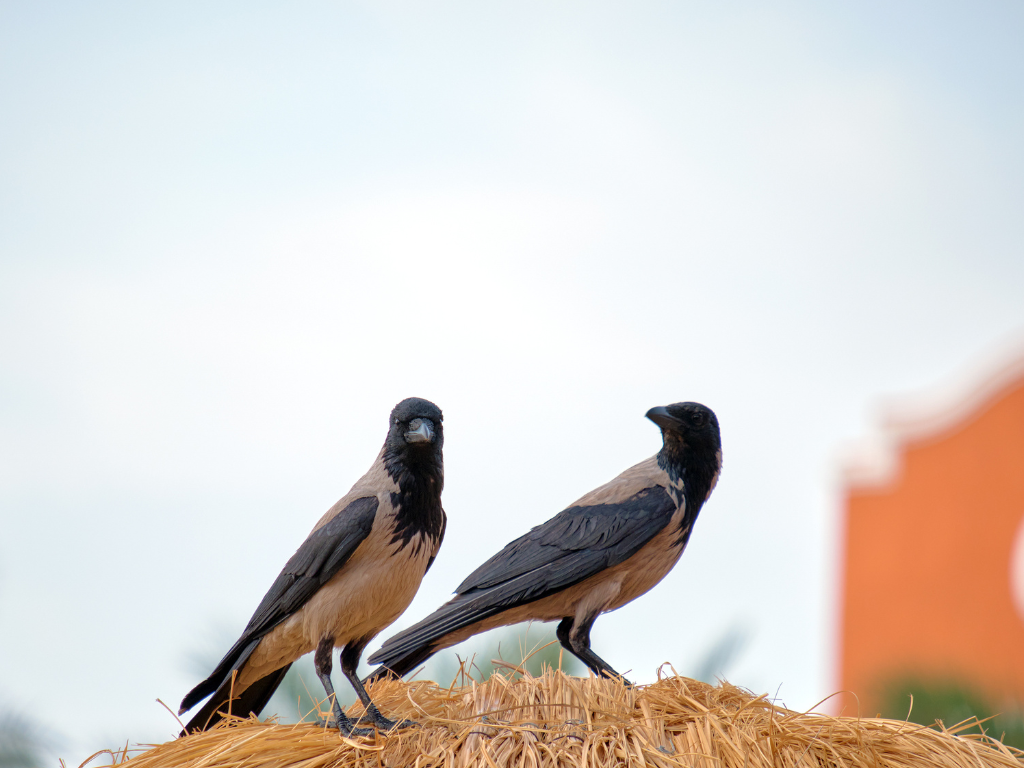
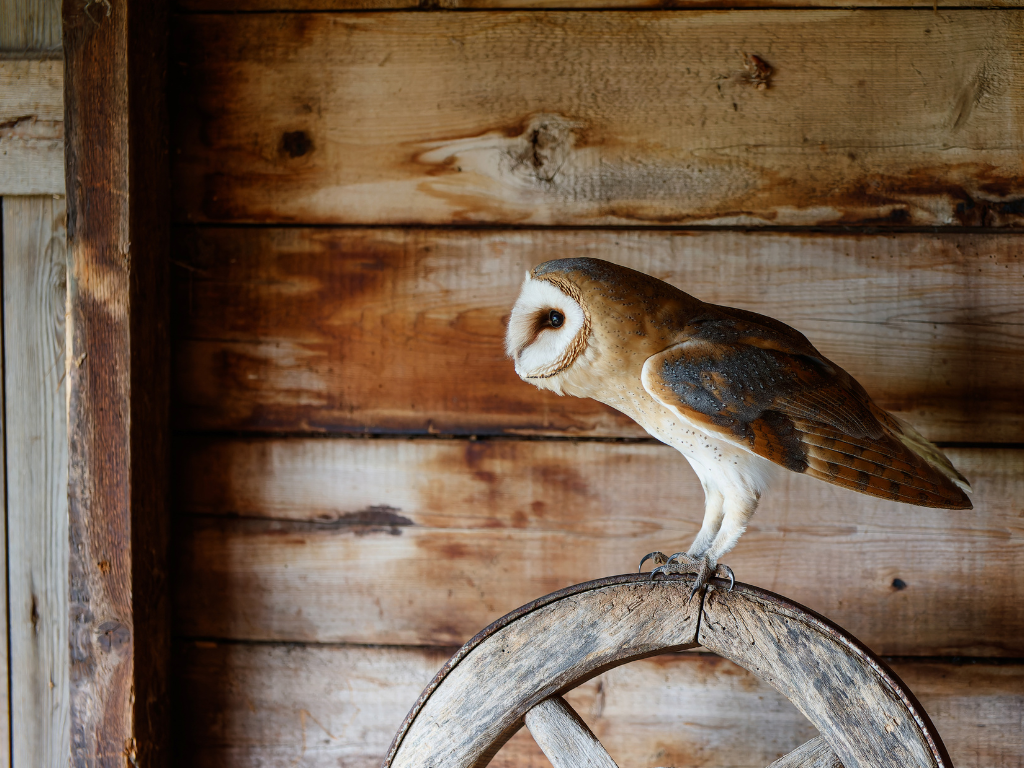
Wild birds can carry bird flu and spread it through their droppings. Keep them away from your chickens and other farm animals. Store feed in containers with tight lids, and clean up spilled feed right away. Place chicken feeders and water containers under a roof or cover.
Keep chickens away from ponds where wild ducks and geese gather. Fix holes that let wild birds into your coop or barn. Consider moving or removing bird feeders near your chicken area. These simple changes can help protect your flock.
Learn more from Oklahoma State University Extension.
Keep Animal Groups and New Arrivals Apart
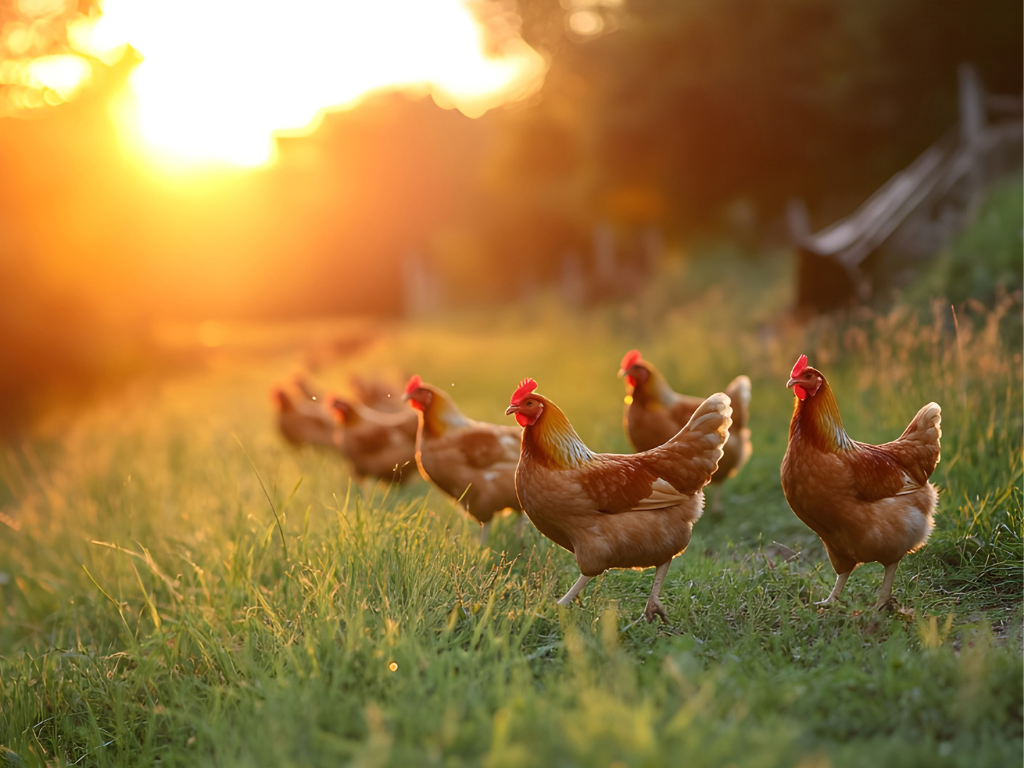
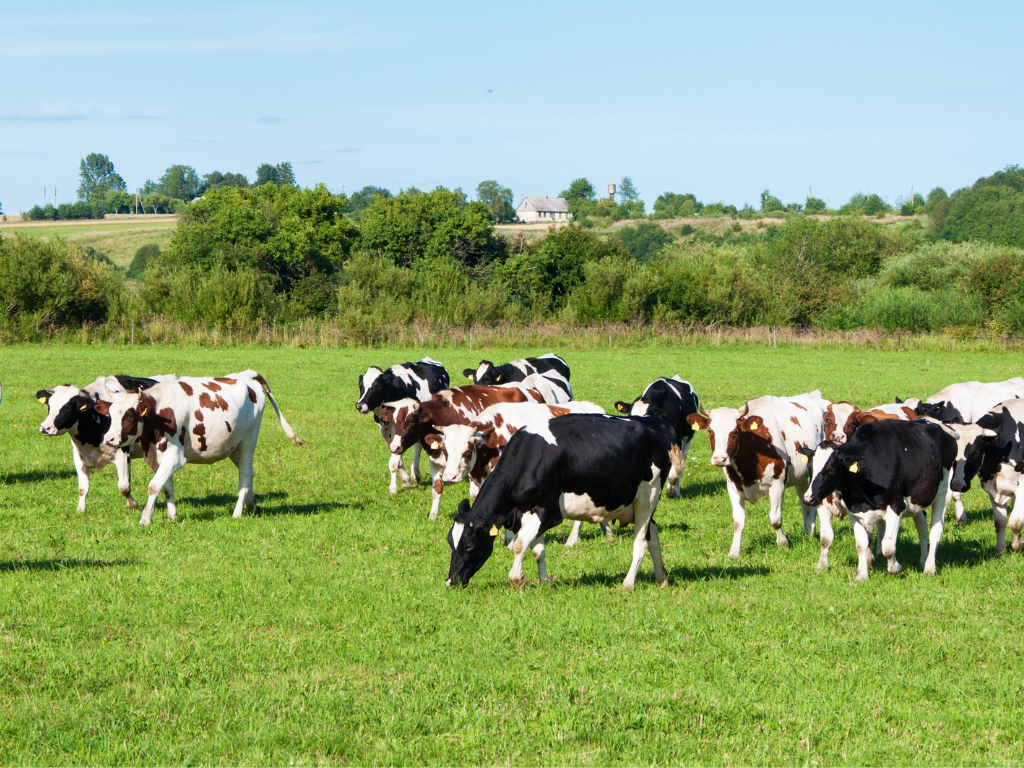
Keep chickens away from dairy cows, cattle feed, and milking tools. You should keep pets out of these areas, too. Use separate boots, buckets, and tools for each animal area when possible. Otherwise, clean and disinfect them before moving between areas.
Keep new, borrowed, or returning livestock away from your other animals for at least 30 days. Follow the same rule for new chickens and birds returning from shows. Use separate feeders, water containers, and tools during this time. Your veterinarian can help you set up a safe space.
Before buying or moving cattle, ask your veterinarian about testing and travel rules. These rules can vary based on the animals and where they will go.
Find more tips in USDA’s livestock protection guide.
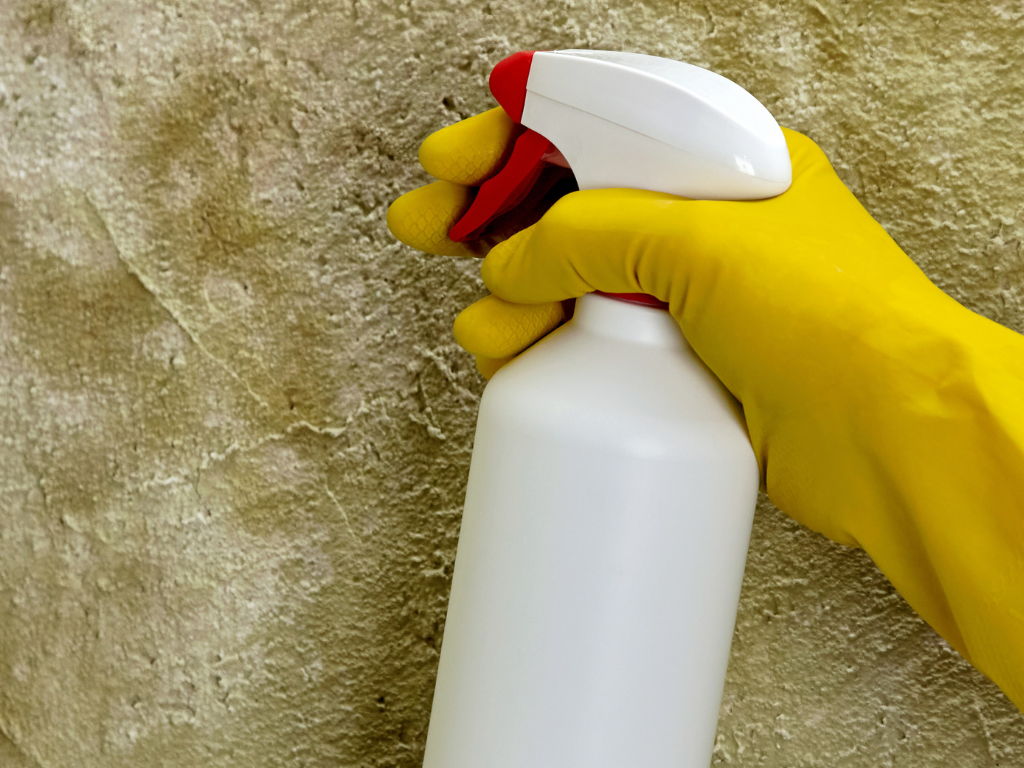
Clean First, Then Disinfect
Cleaning removes dirt and waste. Disinfecting helps kill germs left on surfaces. For regular cleaning, first remove manure, old bedding, and dirt. Then scrub surfaces with detergent and water, and rinse well. Dirt and manure can keep disinfectants from working.
Choose an EPA-registered disinfectant with a label that says it works against avian influenza, or bird flu. Follow the label’s mixing directions and safety steps. Leave surfaces wet for the full time listed on the label. Let the area dry before bringing birds back. Always follow the suggested method of disinfecting as listed on the product.
Keep a pair of boots near the coop that you wear only for chicken chores. Wash your hands after caring for animals, and limit visitors near your flock. If you suspect bird flu, call animal health officials before cleaning. Avoid stirring up dust, feathers, or waste.
See USDA’s cleaning guide for more help.
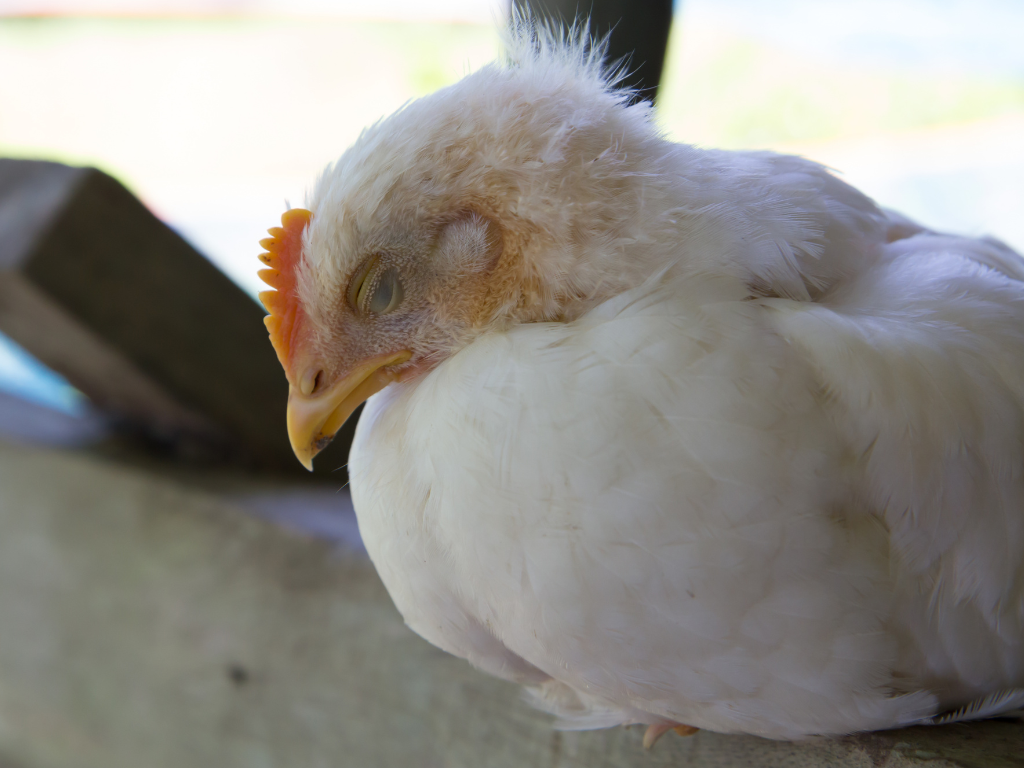
Watch for Illness and Act Quickly
Check your animals during morning and evening chores. Watch how they eat, drink, move, and act. Notice sudden drops in egg laying or milk production. Knowing your animals’ normal habits can help you spot trouble early.
Chickens with bird flu may seem weak, eat less, or have trouble breathing. They may also have diarrhea or lay fewer eggs. Watch for swelling or purple coloring around the head, comb, or wattles. Some birds may die suddenly without showing clear signs.
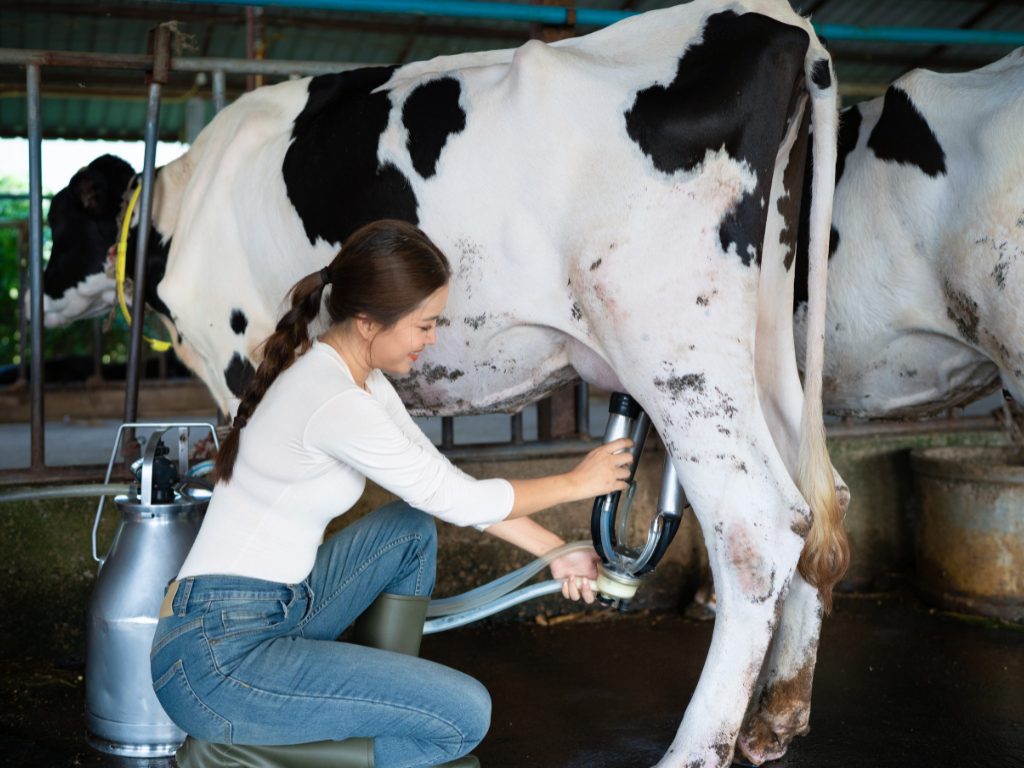
Dairy cows may give less milk or produce milk that looks thick or has an unusual color. They may also have a fever or lose interest in food. Other illnesses can cause these signs, too. Your veterinarian can arrange testing to find the cause.
Call right away if you suspect bird flu. Keep sick animals away from healthy animals when you can do so safely. Avoid moving animals while you wait for advice. Call before taking a sick animal to a veterinary clinic.
Ask animal health officials what to do with dead animals, milk, manure, and used bedding. Contact your State Veterinarian’s office. Poultry owners can also report sick or dying birds to USDA at 866-536-7593.
Learn more about warning signs from Oklahoma State University Extension.
Protect Your Family and Farm Cats
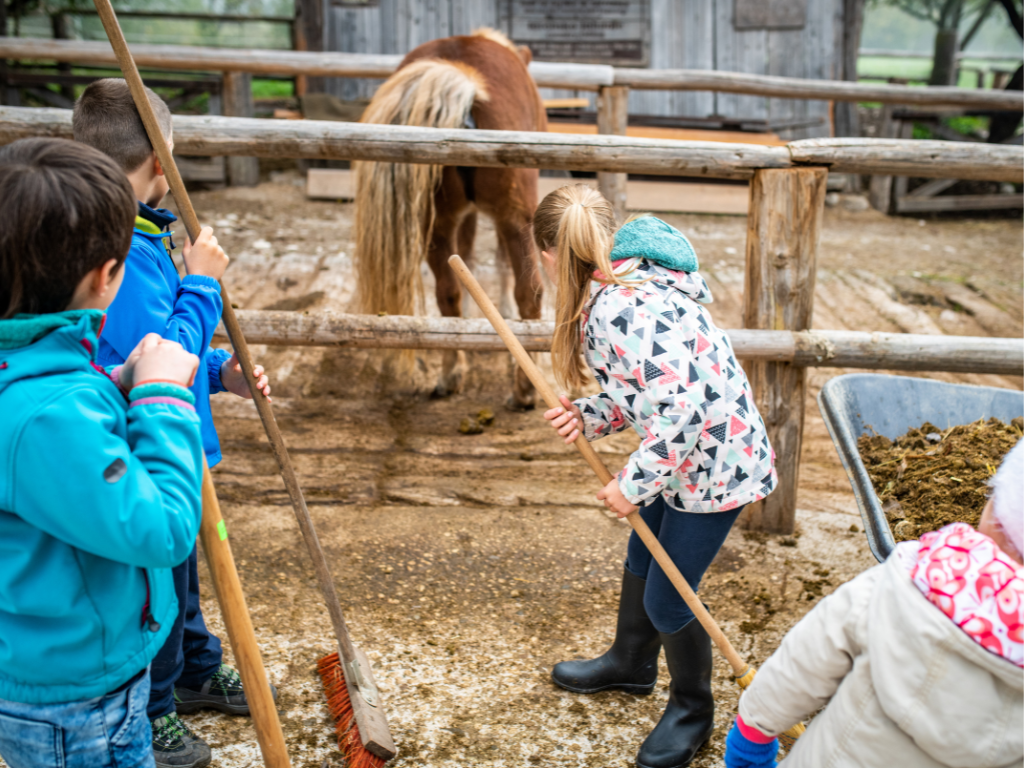
USDA’s November update says the risk to the general public remains low. However, people who handle infected animals face a greater risk. Avoid touching sick or dead animals, raw milk, or dirty bedding without proper protection. Keep children away from sick animals and their living areas.
If you must enter an area with suspected bird flu, follow CDC’s protective equipment guidance. This includes a suitable respirator, eye protection, gloves, and protective clothing. Ask health officials what protection you need for the work.
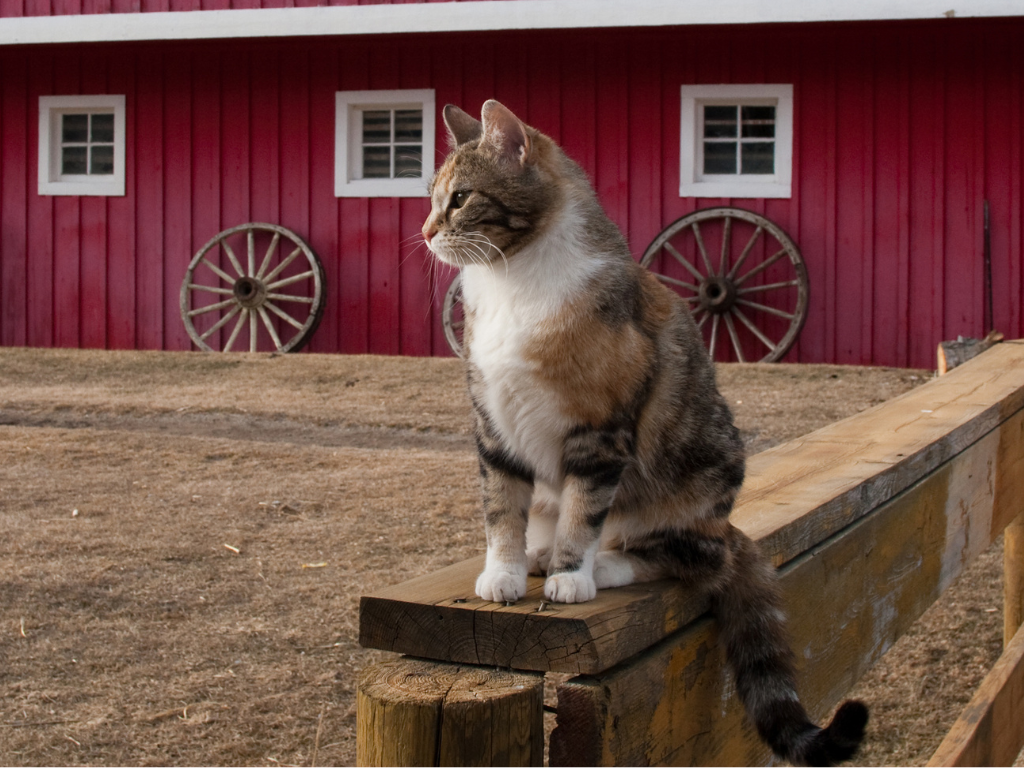
Protect farm cats by keeping them away from raw milk, raw meat, and wild birds. FDA investigations have linked raw milk and uncooked meat to bird flu infections in cats. Ask your veterinarian about safe feeding options for calves and other young animals, too.
Choose pasteurized milk for your family. Pasteurization uses heat to kill harmful germs, including the bird flu virus. USDA and FDA report that the commercial pasteurized milk supply remains safe.
Find more help through CDC’s flock owner guidance and FDA’s bird flu advice for pet owners.

Bird Flu Prevention FAQ
Can a Small Backyard Flock Get Bird Flu?
Yes. Bird flu affects backyard flocks as well as commercial poultry. Small flock size does not eliminate exposure.
Can I Diagnose Bird Flu by Looking at My Animals?
No. Other diseases can cause similar signs. Contact your veterinarian or animal health officials for testing guidance. Oklahoma State University
Should I Feed Discarded Milk to Animals?
Do not feed milk from sick cows without veterinary guidance. USDA recommends discarding milk from symptomatic cows. Ask your veterinarian about safe alternatives and disposal. Keep other animals away from discarded milk. aphis.usda.gov
Does Cleaning Alone Replace Isolation?
No. Isolation limits contact with incoming animals that could carry disease. Cleaning helps control contamination on equipment and surfaces.
Use both practices as part of your prevention plan. Animal and Plant Health Inspection Service
Reliable Places to Get Help
Bookmark these government and educational resources:
- USDA APHIS H5N1 hub: Find outbreak updates and species-specific information.
- Oklahoma Department of Agriculture disease alerts: Check state notices and reporting contacts.
- Oklahoma State University Extension: Learn practical small-flock precautions.
- CDC backyard flock guidance: Review personal protection around suspected infections.
- FDA animal safety guidance: Learn about food-related risks to pets.
Being a homesteader means learning as you go and caring for the animals that depend on you. Start with one improvement today, such as keeping separate coop boots or covering your animals’ water containers. Small, steady changes can make daily care easier and help protect your flock and herd.
Build bird flu prevention into your chores, and review your plan with your veterinarian. You do not have to figure everything out alone. Each new skill helps you become a more confident caretaker and build a healthy, thriving homestead.
-
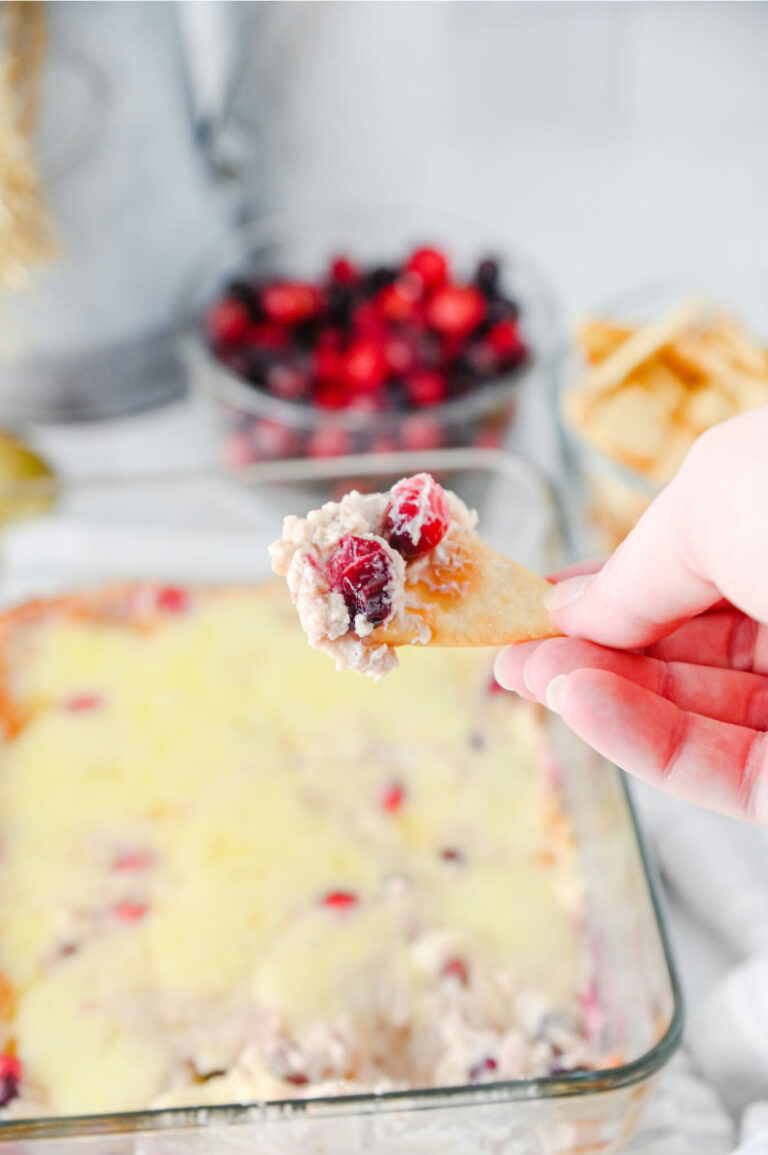
White Cheddar Cranberry Dip: Easy Holiday Appetizer
Make White Cheddar Cranberry Dip for an easy, creamy holiday appetizer that’s perfect for Christmas parties and entertaining.
-
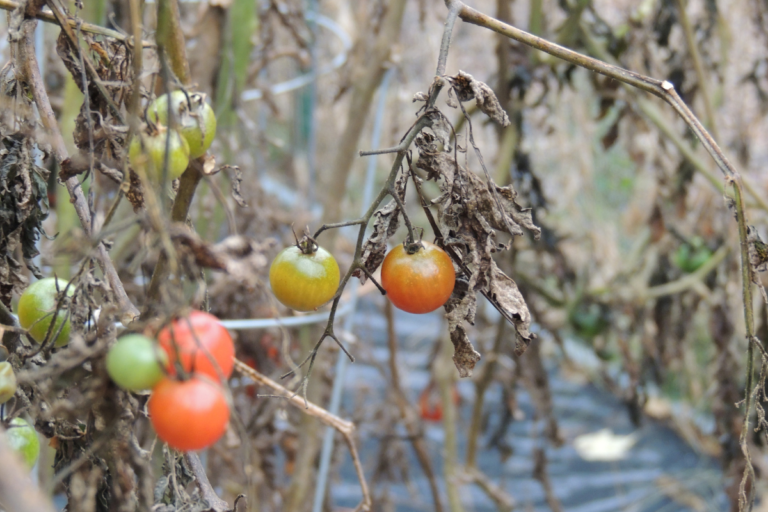
Saving Tomato Plants After Frost: A Homesteader’s Guide
A frost in the forecast doesn’t mean your tomato harvest is over! Learn how to save tomatoes after a frost, ripen green tomatoes indoors, and make the most of your garden’s final harvest.
-
Baking | Cook | Desserts | Holiday Recipes
Copycat Twix Thumbprint Cookies: Easy Caramel Cookie Recipe
Try these copycat Twix Thumbprint Cookies filled with gooey caramel and chocolate for an easy cookie inspired by the classic candy bar.
-
Disaster Preparedness on a Budget: Practical Homestead Essentials
Emergency preparedness for families starts with a few simple steps. Stock food and water, gather essential supplies, and create a plan everyone understands. Preparing together can help your family feel more confident when unexpected situations arise.
-
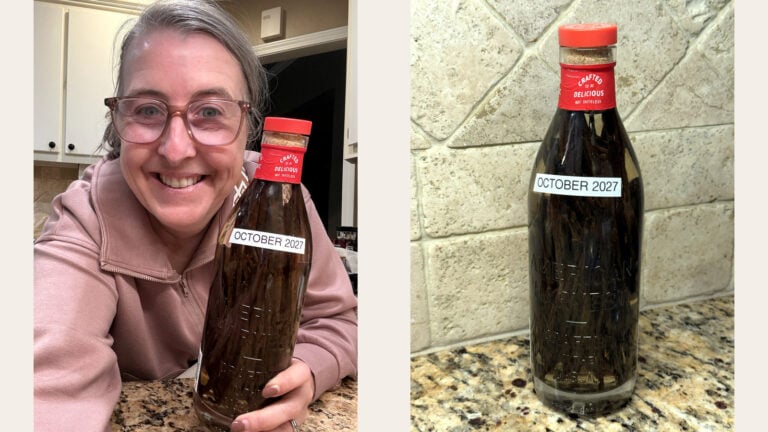
How to Make Vanilla Extract at Home With Just 2 Ingredients
Making homemade vanilla extract is easier than you think! With just two ingredients, vanilla beans and vodka, you can create a rich, flavorful extract for baking. Simply combine, store in a cool, dark place, and let time work its magic. Homemade vanilla extract also makes a thoughtful, budget-friendly gift for family and friends.
-
Non-Toxic Bathroom and Laundry Swaps for a Healthier Home
Make your home healthier with simple non‑toxic swaps in the bathroom and laundry room. From safer personal care products to low‑waste laundry essentials, these easy changes help reduce chemicals, cut clutter, and support a more sustainable homestead—one everyday choice at a time.