Boost Your Raised Garden Bed Naturally: Secrets to Healthy Soil
If there’s one thing I’ve learned from years of homesteading here in Oklahoma, it’s that healthy soil is everything. Your plants are only as strong as the soil they’re rooted in. Whether you’re just starting your first raised garden bed or you’ve been gardening for years, boosting your soil the natural way can make a huge difference in how much food you’re able to grow—and how nutritious it is.
For help planning what to grow, see our beginner guide to growing vegetables and herbs.
In this post, I’m sharing how we build rich, living soil for our raised beds using only organic methods. No synthetic fertilizers, no chemicals—just real, time-tested strategies that work with nature, not against it. One of our favorite tools? A composting worm bin made from a simple 5-gallon bucket from Home Depot.
Start with the Right Raised Garden Bed Foundation
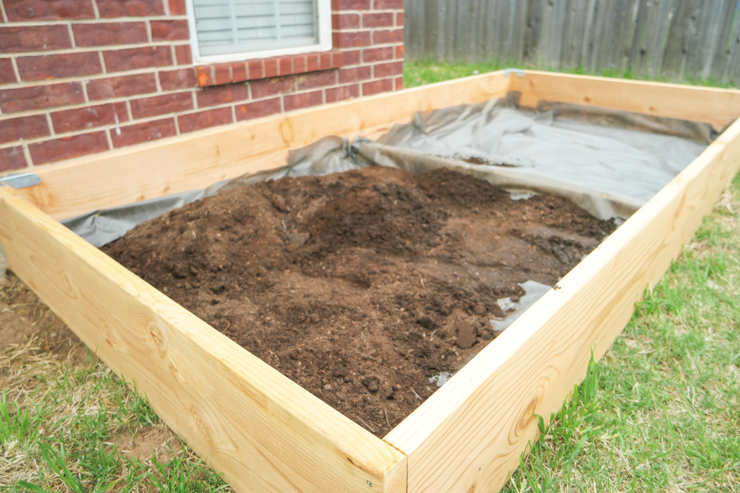
For healthy raised garden bed soil, you’ll want to start with a good base mix. The most popular blend among organic gardeners is known as the “Mel’s Mix”: one-third compost, one-third peat moss or coconut coir, and one-third vermiculite. This combination gives your plants the structure they need, helps retain moisture, and allows for proper drainage.
When building your beds, make sure to layer organic material if you’re starting from scratch. A tip we’ve found helpful is to add a layer of twigs or small branches on the bottom (a hugelkultur-style layer) to help with drainage and slowly release nutrients as it breaks down. If your budget is tight, don’t stress—use what you have available and add compost and amendments as you go.
Why Organic Methods Matter in Your Raised Garden Bed
Using organic practices helps protect not just your garden, but your health and the health of your soil over time. Synthetic fertilizers may give a quick boost, but they can deplete beneficial microbes and create dependency. Organic materials, on the other hand, feed the living ecosystem in the soil, creating balance and long-term fertility.
Healthy soil also supports beneficial insects and pollinators. If you’re seeing lots of earthworms, that’s a great sign your soil is alive and well. We also avoid tilling our raised beds too often because it can disrupt soil structure and microbial life. Instead, we add organic matter to the top and let the worms and microbes do the work.

Make Your Own Compost for Your Raised Garden Bed
Homemade compost is one of the best things you can give your raised garden bed. We compost kitchen scraps like fruit and veggie peels, coffee grounds, eggshells, and yard clippings. A good rule of thumb is to use a 2:1 ratio of browns (carbon-rich materials like dried leaves or paper) to greens (nitrogen-rich materials like food scraps).
To speed up composting, chop up your scraps into smaller pieces and turn your pile regularly. If your compost smells bad, you probably need more browns. If it’s dry and slow to break down, add a little water and more greens. A tip we’ve learned: keep a small compost pail in the kitchen with a tight-fitting lid so it’s easy to collect scraps without attracting pests.
Improve Your Garden Soil with a Worm Composting Bin
Improving your garden soil with a worm composting bin is a simple and effective way to boost soil health and fertility. One of our favorites is the In-Ground Worm Composter from Vego Garden. This innovative bin is designed to be placed directly into the soil, allowing worms to naturally aerate the soil as they break down organic matter. The result is nutrient-rich compost that improves soil structure, increases water retention, and enhances plant growth. It’s an eco-friendly solution that doesn’t take up much space and is perfect for anyone looking to create healthier, more productive garden soil naturally. Plus, it’s easy to maintain and offers a continuous supply of high-quality compost for your garden.
Replenish Soil with Organic Amendments
Over time, even the best soil needs a little help. As your plants grow and harvests are taken, nutrients are pulled from the soil. We add a variety of organic amendments throughout the growing season, based on what our soil and plants need.
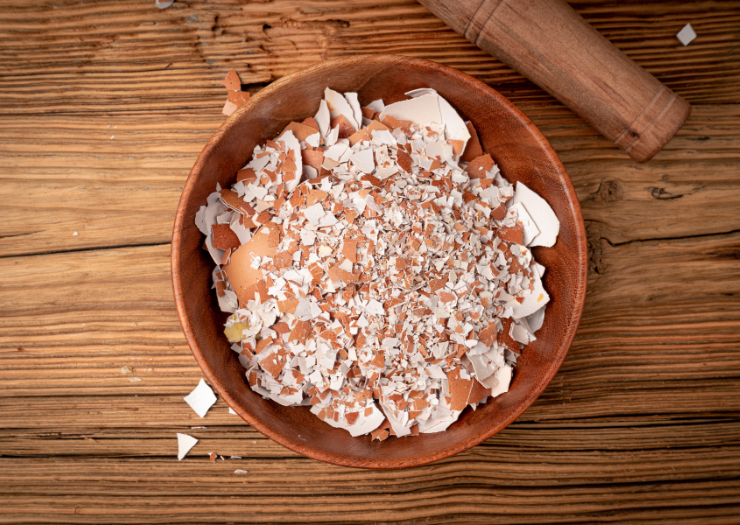
Some of our favorites include crushed eggshells for calcium, banana peels for potassium, and compost tea or worm tea for an overall nutrient boost. We also use alfalfa pellets (sold for rabbits or livestock) as a slow-release nitrogen source. A gardening secret we love: sprinkle a handful of kelp meal or fish bone meal in planting holes before transplanting for stronger root development.
Mulch to Protect and Feed Your Soil
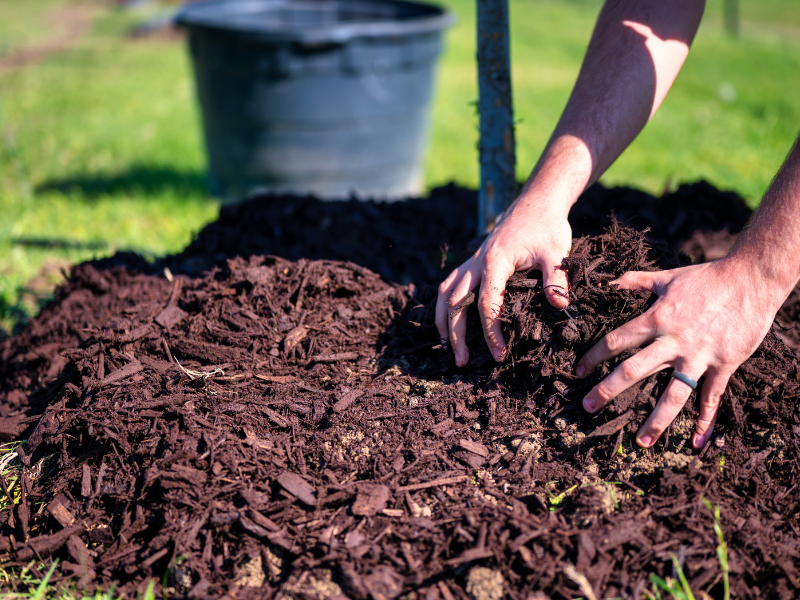
Mulching is one of the easiest and most overlooked ways to build healthy soil. We use organic mulch like straw, shredded leaves, or untreated wood chips. It helps retain moisture, suppresses weeds, and, as it breaks down, it adds more organic matter to your beds.
For best results, apply mulch after the soil has warmed up in the spring and keep it a few inches away from the base of your plants to prevent rot. In the fall, we layer leaves right on top of the soil and let them decompose over winter. This no-dig approach protects the microbial life and gives you a jumpstart on soil building for the next season.
Healthy Soil is a Long-Term Investment
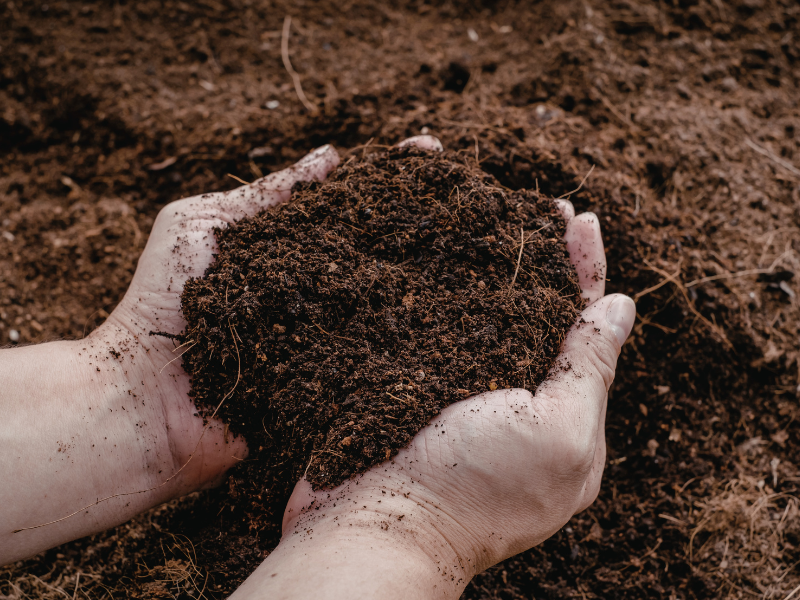
Creating healthy, living soil doesn’t happen overnight, but it’s one of the best investments you can make in your homestead garden. By using compost, worm castings, mulch, and natural amendments, you’re creating a soil system that feeds itself—and your plants—season after season.
Don’t worry if you’re starting small or your soil isn’t perfect. Begin with what you have, build as you go, and remember that nature has an amazing ability to heal and thrive when we give it the right foundation.