Easy Rustic Homemade Tomato Paste (No Additives)
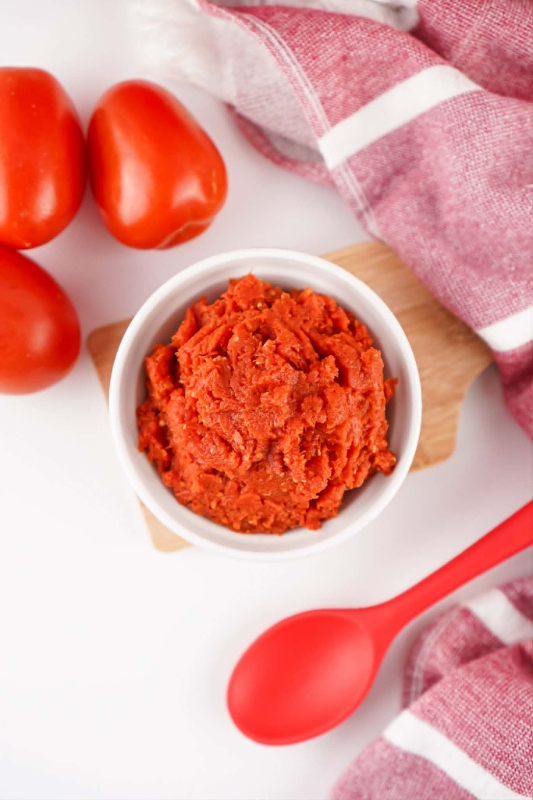
Homemade Tomato Paste
Homemade tomato paste is one of those deeply satisfying homestead staples that turns an abundance of fresh tomatoes into something rich, concentrated, and incredibly useful. When the garden starts producing more tomatoes than you can eat fresh, making your own paste is a practical way to preserve that harvest while capturing bold, intense flavor. With a little time and patience, you can create a pantry ingredient that brings depth and richness to countless meals.
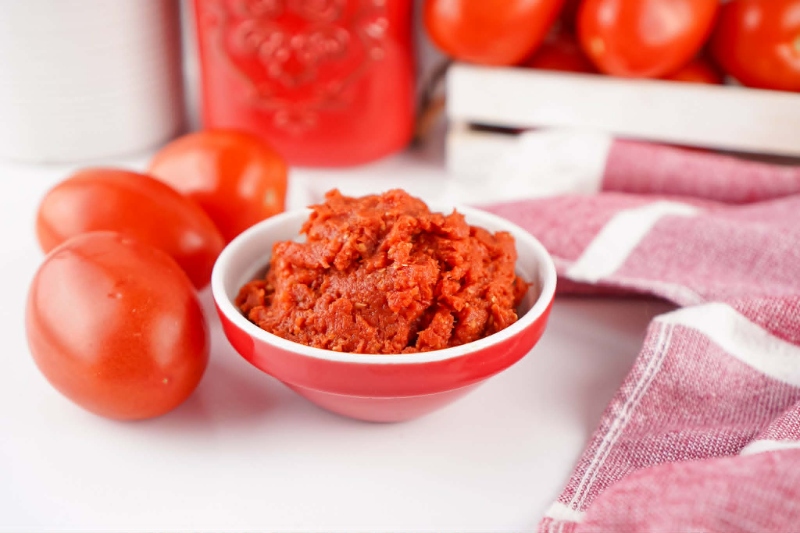
Unlike store-bought versions, this rustic homemade tomato paste allows you to control every step of the process. You skip unnecessary additives and rely entirely on fresh, simple ingredients. The result is a thick, vibrant paste that tastes brighter and more complex than anything from a can. It’s a rewarding process that fits naturally into a homestead kitchen, where nothing goes to waste, and everything serves a purpose.
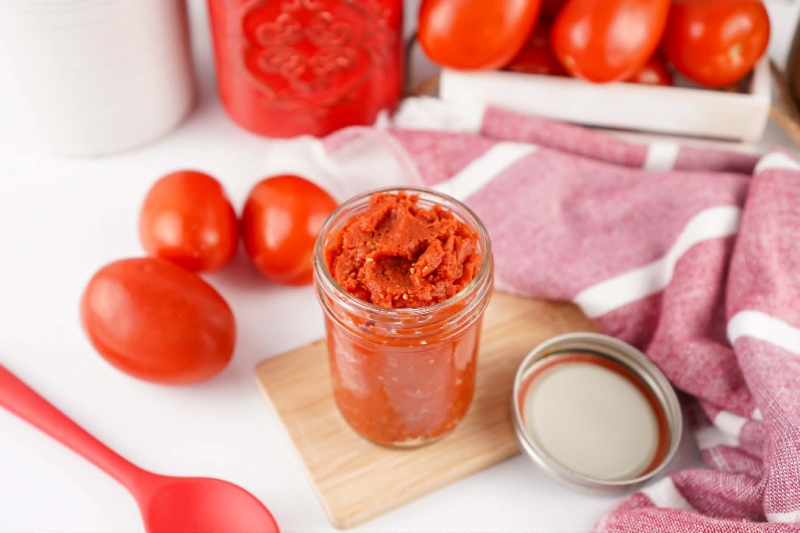
Why Make Tomato Paste From Scratch
Tomato paste is essentially tomatoes that have been cooked down until most of their moisture evaporates, leaving behind a thick, concentrated product. This process intensifies both the sweetness and the savory depth of the tomatoes, creating a powerful ingredient that enhances soups, sauces, and stews.
Making it at home takes advantage of seasonal produce and reduces waste. Instead of letting extra tomatoes spoil, you can turn them into something shelf-stable or freezable for later use. Homemade paste also offers a fresher, more vibrant flavor compared to processed varieties, making it a favorite among those who prioritize quality and simplicity in their cooking.
What You’ll Need to Make Homemade Tomato Paste
Fresh tomatoes are the foundation of this recipe, and paste varieties like Roma or plum tomatoes work especially well because they contain less water and fewer seeds. You’ll also need a large pot, a blender or food mill, and a baking dish or sheet pan for reducing the tomatoes down to a paste.
While some recipes include salt or olive oil, the core process relies primarily on the tomatoes themselves. This keeps the final product versatile so you can season it later depending on how you plan to use it.
How to Make Tomato Paste
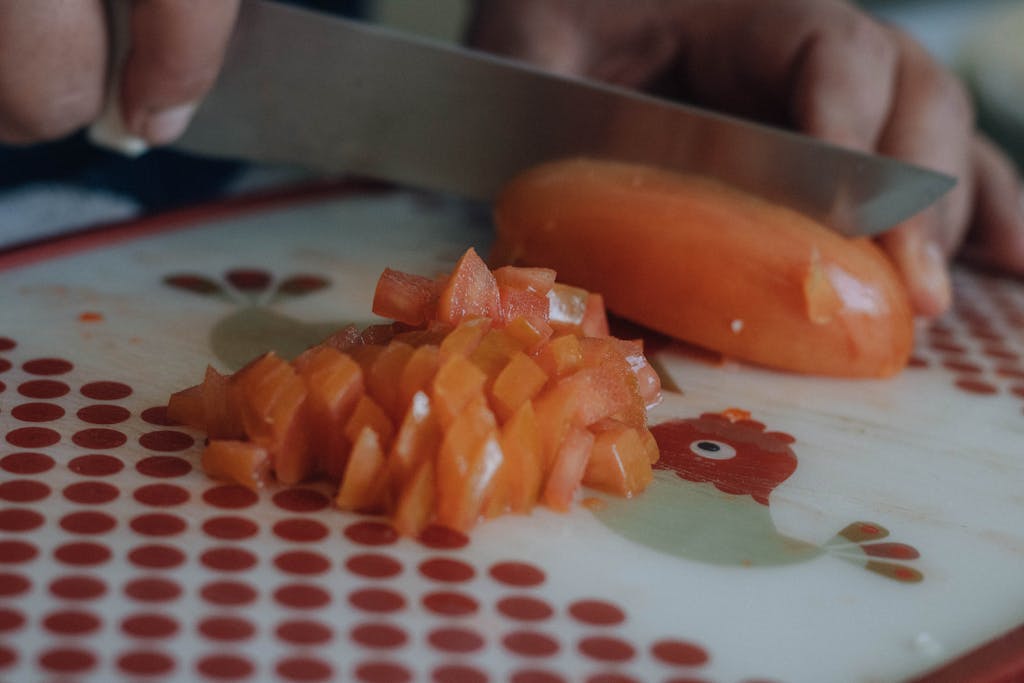
Start by washing your tomatoes thoroughly and removing the stems. Cut them into chunks so they cook down more easily. Place the chopped tomatoes into a large pot and cook them over medium heat. As they heat, the tomatoes will begin to break down and release their juices.
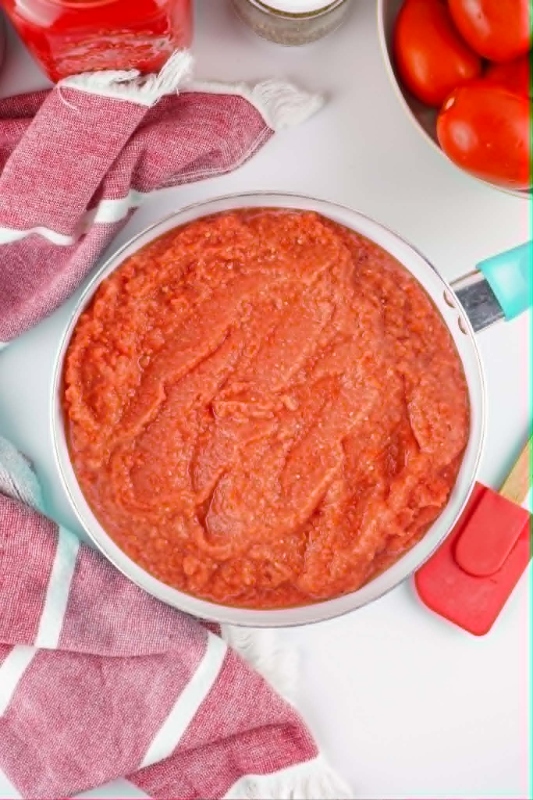
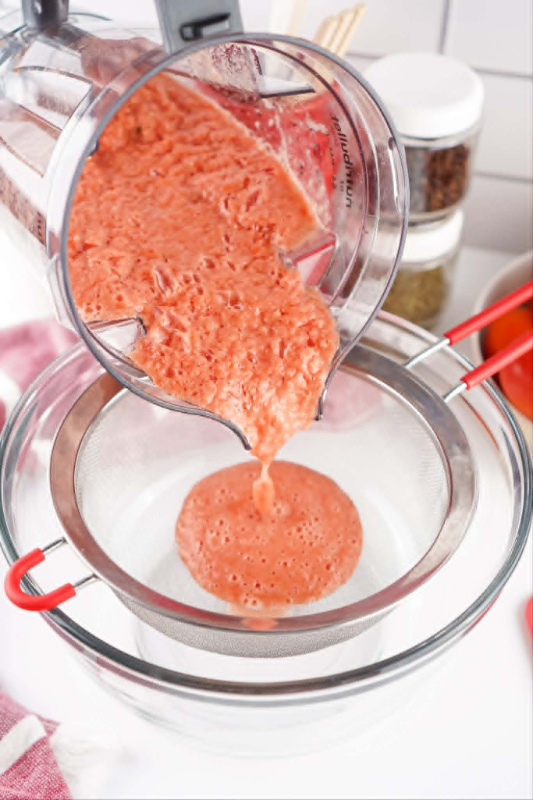
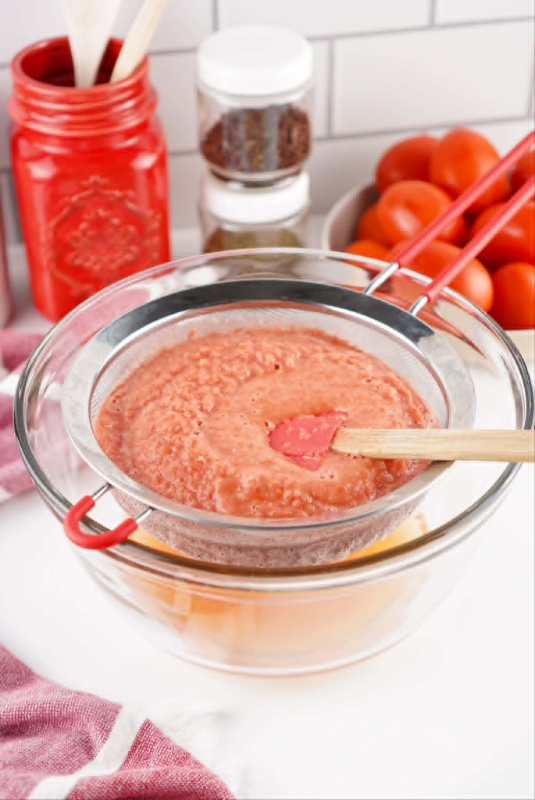
Continue cooking until the tomatoes become soft and fully collapsed. At this stage, blend the mixture until smooth or run it through a food mill to remove the skins and seeds. Removing these elements creates a smoother, more refined paste and prevents a gritty texture in the final product.
Once you have a smooth tomato purée, return it to the heat or transfer it to a baking dish. The goal now is to slowly reduce the mixture by removing as much moisture as possible. You can do this on the stovetop with careful stirring, or in the oven at a low temperature. The oven method often works best because it allows for even reduction without constant attention.
As the purée thickens, stir it occasionally to prevent burning and ensure even cooking. Over time, it will darken in color and develop a thicker consistency. This step can take several hours, but it’s where the flavor truly develops. The natural sugars in the tomatoes concentrate, creating that deep, slightly sweet taste that tomato paste is known for.
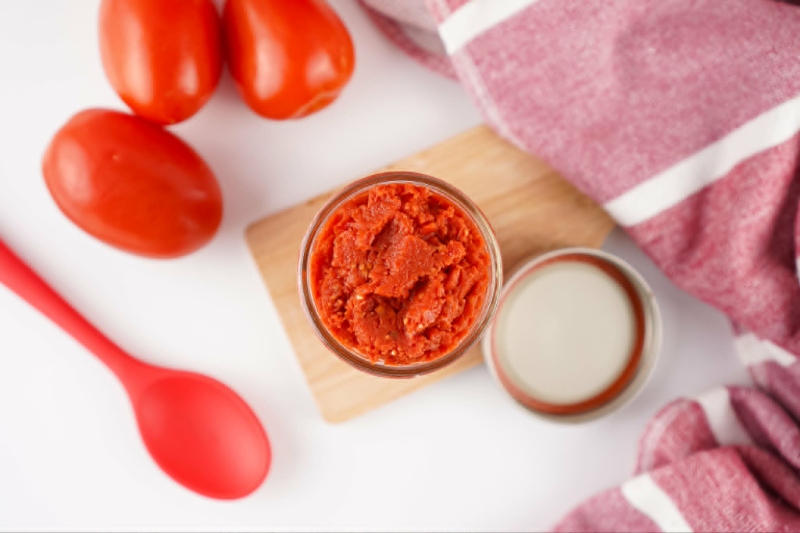
When the mixture becomes thick enough to hold its shape and no longer spreads easily, it’s ready. At this point, you have a rich, concentrated tomato paste that can be used immediately or stored for later.
Storage Tips
Homemade tomato paste can be stored in several ways depending on your needs. For short-term use, keep it in an airtight container in the refrigerator and use it within about a week. For longer storage, freezing works very well.
A practical homestead method involves portioning the paste into small amounts, such as tablespoon-sized portions, and freezing them. This allows you to grab exactly what you need for a recipe without thawing the entire batch. These Souper Cubes are perfect for the job.
You can also preserve it through canning if you’re familiar with proper techniques, making it shelf-stable for months.
Tips for Best Results
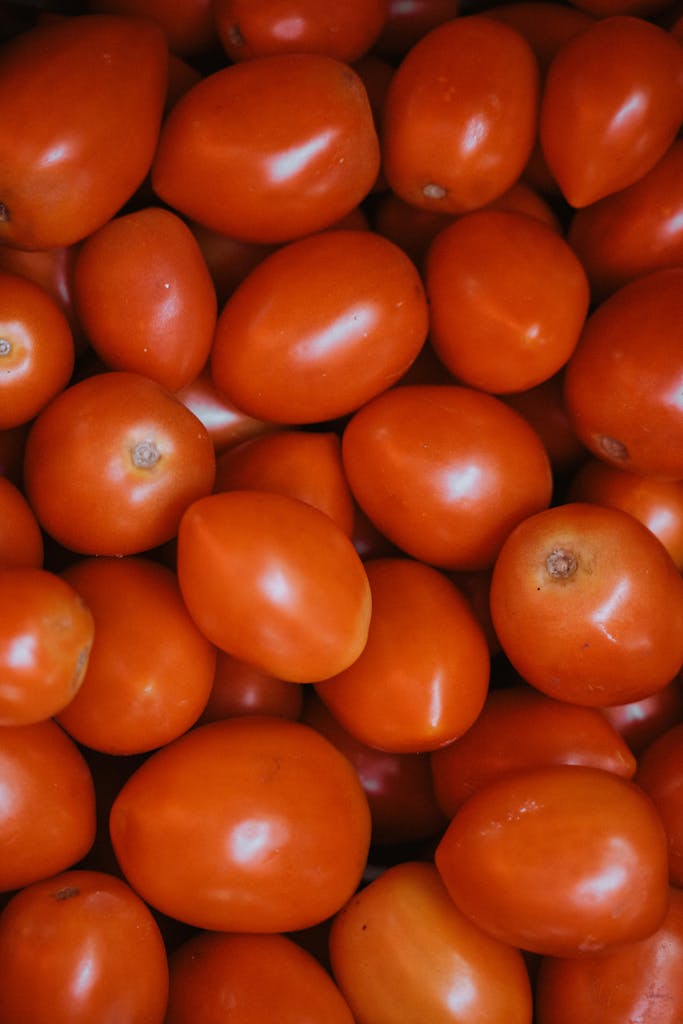
Use ripe, high-quality tomatoes for the best flavor. The better your starting ingredients, the richer your final paste will taste. Paste tomatoes, like Roma, are especially effective because they require less time to reduce due to their lower water content.
Take your time during the reduction process. Rushing this step can lead to uneven texture or burnt flavors. Slow cooking allows the paste to develop its signature depth and richness.
Straining out skins and seeds may feel like an extra step, but it makes a noticeable difference in the final texture. A smooth paste is much more versatile and enjoyable to use in cooking.
A True Homestead Staple
Making tomato paste from scratch is more than just a recipe—it’s a way to preserve the harvest and bring deeper flavor into your kitchen year-round. It turns simple, fresh tomatoes into a concentrated ingredient that enhances everything from soups to sauces.
For homesteaders, this process represents the heart of self-sufficiency. You take what you’ve grown, transform it with care, and store it for future meals. Once you experience the flavor of homemade tomato paste, it’s hard to go back to store-bought versions. It’s richer, fresher, and a true reflection of the effort you put into your food.
Homemade Tomato Paste
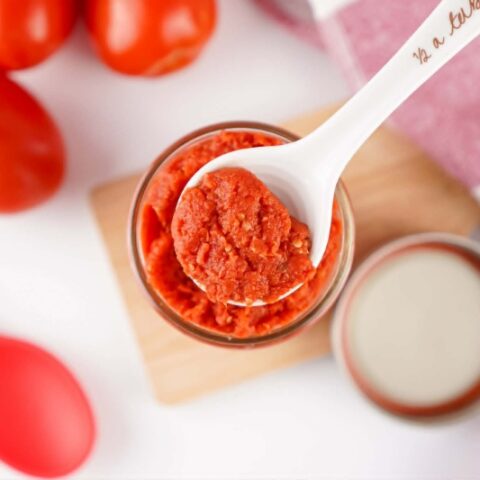
Tomato paste is used to add deep, concentrated tomato flavor to dishes. A small amount can enrich sauces, soups, stews, and chili. It’s also great for building flavor at the start of cooking—like sautéing it with garlic and oil for pasta sauce—or for adding richness to marinades, braises, and even some rice dishes.
Ingredients
- 5 lbs of Roma Tomatoes
Instructions
Prep the tomatoes
1. Wash and roughly chop the tomatoes.
2. Cook them down.
Put tomatoes in a large pot over medium heat.
Stir occasionally as they break down and release juice.
Simmer for about 20–30 minutes until very soft.
3. Strain (optional but recommended)
Pass the mixture through a food mill or sieve to remove skins and seeds.
You’ll get a smoother puree.
4. Reduce to paste
Return the puree to the pot.
Cook on low heat, stirring often to prevent burning.
This can take 1–2 hours until it thickens significantly.
5. Final thickening (optional oven method)
Spread the thick puree on a baking sheet.
Bake at a low temperature (around 250°F / 120°C).
Stir every 20–30 minutes until it becomes a dense paste.
6. Store
Let it cool.
Store in an airtight container in the fridge (about a week), or freeze in small portions.
Notes
The standard size for a can of tomato paste is 6 oz. You can replace this in any recipe using 2/3 cup of homemade tomato paste per can.
-
Homemade Stage 1 Baby Food with Fresh Fruit
Make homemade stage 1 baby food with fresh fruit and simple ingredients. Includes strawberry, blueberry and banana recipes.
-
How to Make Homemade Buttermilk (Perfect for Baking)
Learn how to make homemade buttermilk in minutes. A simple, perfect substitute for baking and everyday recipes.
-
Homemade Hot Dog Buns (Soft and Easy Homestead Recipe)
These homemade hot dog buns bake up soft, golden, and perfect for any backyard meal. The dough comes together with simple ingredients and a gentle rise that keeps each bun tender. They hold their shape without feeling heavy, making them ideal for hot dogs, sausages, or easy weeknight sandwiches.
-
How to Freeze Homemade Stock
Freezing homemade chicken stock is a great way to preserve its flavor and nutrition. Let the stock cool completely, then strain out any solids. Pour into freezer-safe containers, leaving space for expansion. Ice cube trays or souper cubes are perfect for small portions. Once frozen, transfer cubes to a labeled freezer bag. Stock keeps well in the freezer for up to 6 months.
-
Make your own homemade pasta
Welcome to the delightful world of homemade pasta! If you’ve ever savored the taste of fresh pasta, you know there’s nothing quite like it. Making pasta from scratch may seem daunting, but it’s simpler than you think and deeply satisfying. In this post, we’ll guide you through the process, from flour to fork! The Joy…
-
Homemade Sourdough Bread
Welcome to the wonderful world of homemade sourdough bread! There’s something almost magical about the process of making sourdough. It’s not just baking; it’s an age-old tradition, a craft that has been passed down through generations. Today, I want to share with you how you can start this journey in your own kitchen. The Magic…