Saving Tomato Plants After Frost: A Homesteader’s Guide
A sudden frost can take even the most attentive gardener by surprise. Tomato plants are tender, warm‑season growers, and they react quickly when temperatures dip below their comfort zone. Leaves darken, stems droop, and fruit softens almost overnight. But frost doesn’t always mean the end of your harvest. With quick action and a steady homestead mindset, saving tomato plants is often possible. This guide explains how frost affects tomatoes, how to revive damaged plants, and how to protect them from future cold snaps so your garden keeps producing.

Why Saving Tomato Plants Matters After a Cold Snap
Tomatoes invest weeks of growth before they begin to set fruit, so losing them to a single frost can feel discouraging. Saving tomato plants after frost helps preserve that time, energy, and soil preparation you’ve already put in. Frost damages plant cells, especially in the leaves and young stems, but roots often remain alive beneath the soil. When the roots stay healthy, saving tomato plants becomes much more achievable. Acting quickly gives the plant a chance to push new growth and recover before the season ends.
Signs of Frost Damage
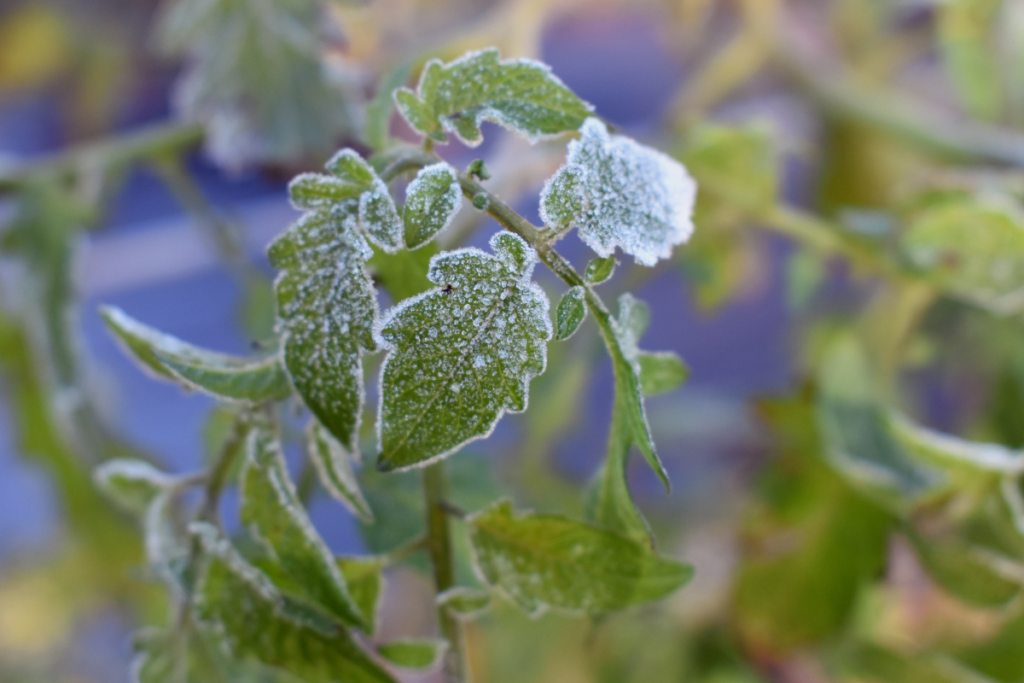
When frost hits, tomato plants show damage fast. Leaves may turn black or dark brown, stems can look limp or water‑soaked, and fruit may lose firmness. Growth often stops overnight. These symptoms can look severe, but they don’t always mean the plant is lost. If the main stem remains firm and the nodes still show life, saving your tomato plants is still within reach.
Step 1: Assess the Damage
Before you begin saving tomato plants, take time to assess each one carefully. Walk your garden slowly and observe how each plant responded to the frost. Some may look worse than they truly are, especially if the damage is limited to the outer leaves. Allow the plants to thaw naturally in the morning sun before touching them. Damaged leaves can act as temporary protection for living tissue underneath, so avoid pruning too soon.
What to Look For
Check the firmness of the stems first. A firm stem means the plant still has life, while a mushy stem usually indicates fatal damage. Look at leaf color as well. Black leaves are dead, but brown or wilted leaves may recover. Inspect the main growing tip and the nodes along the stem. If these areas still show signs of life, you still can save the plant.
Step 2: Water the Soil
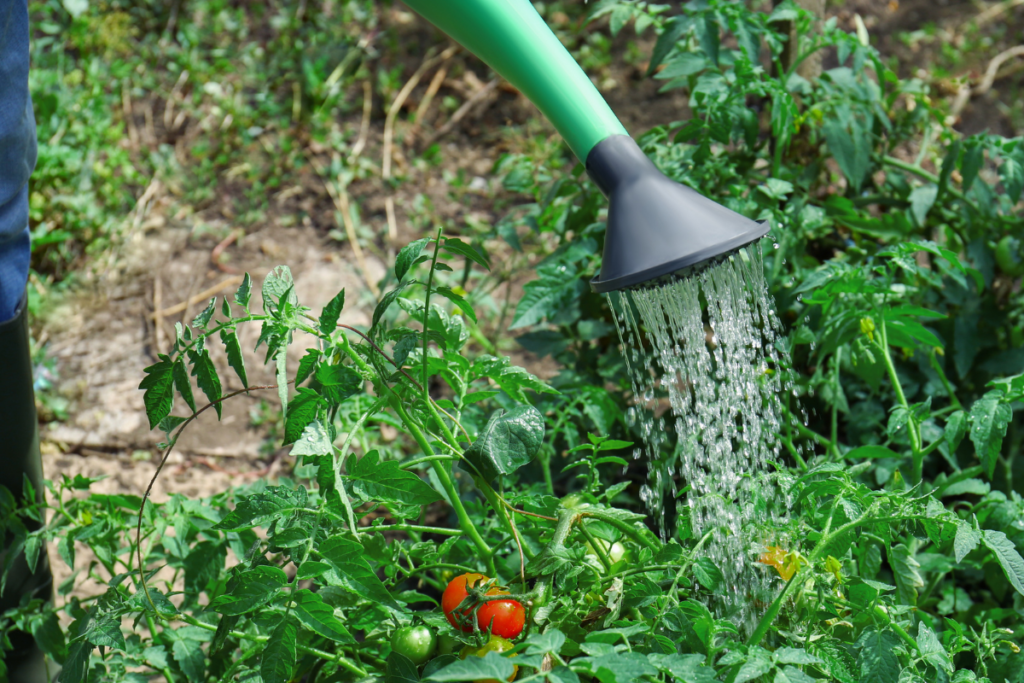
Once the plants have thawed, water the soil around them. Moist soil warms faster than dry soil and helps reduce root stress after a cold night. Watering is one of the simplest and most effective steps in saving tomato plants because it supports the root system, which is the foundation of recovery. Keep the water at the base of the plant and avoid splashing the leaves, as wet foliage can worsen damage.
Why Water Helps With Saving Tomato Plants
Watering helps stabilize the plant after shock, encourages the roots to resume normal function, and provides the moisture needed for new growth. If the soil feels icy or extremely cold, using slightly lukewarm water can gently warm the root zone without harming the plant.
Step 3: Prune Only Dead Material
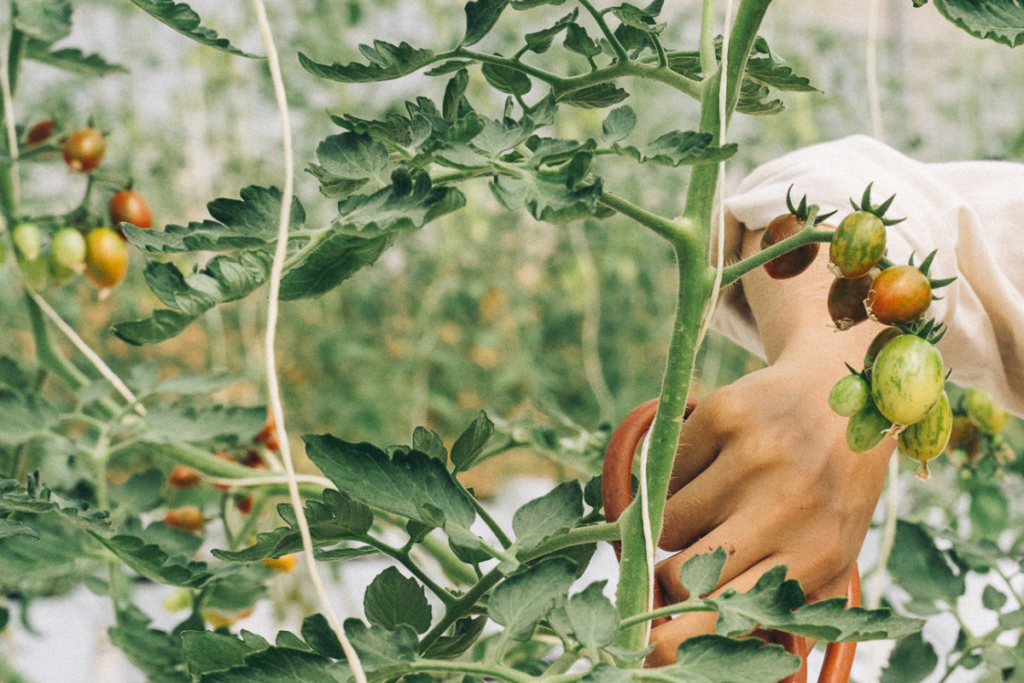
After the plant has warmed and perked up, begin pruning. Saving tomato plants requires the careful removal of dead or mushy tissue while preserving anything that still has life. Use clean scissors or pruners and make small, deliberate cuts. Remove leaves that are fully black or stems that feel soft. Leave any part of the plant that still shows color or firmness, even if it looks slightly damaged. These areas can still photosynthesize and support recovery.
How to Prune While Saving Tomato Plants
Cut at a slight angle to reduce water pooling on the wound. Avoid removing too much at once. The goal is to help the plant focus its energy on healing, not to strip it bare. If the main stem remains strong, saving tomato plants is still very realistic.
Step 4: Create Warmth to Continue Saving Tomato Plants
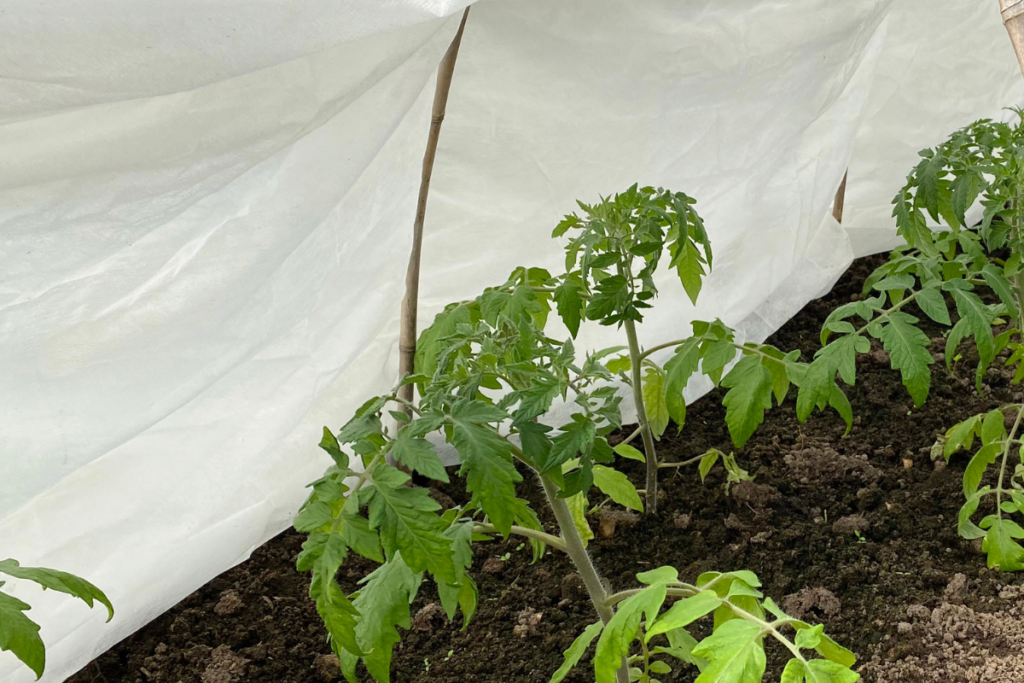
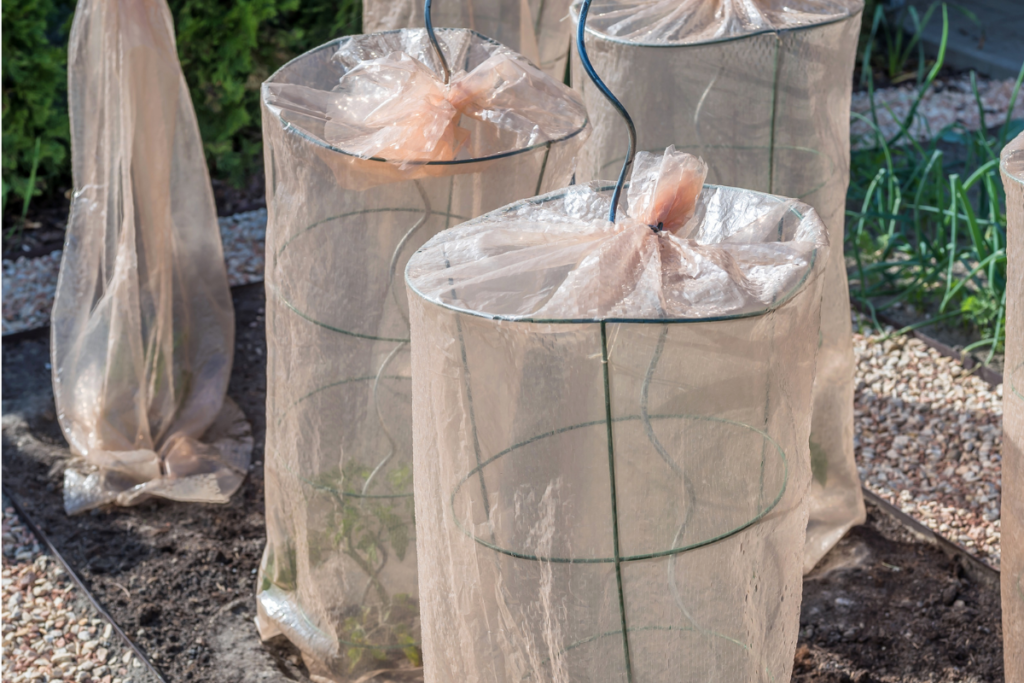
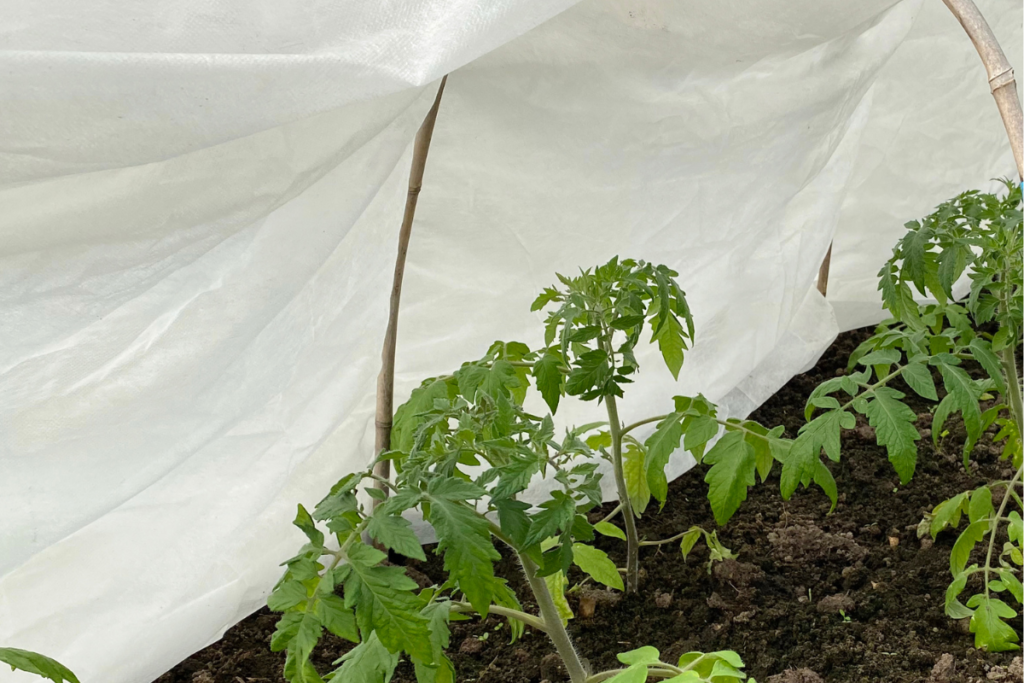
Tomatoes heal best in warm, stable conditions. After frost, give each plant a temporary warm zone to help it recover. Creating a mini greenhouse effect is one of the most effective ways to save tomato plants. You can use simple homestead tools like buckets, clear storage totes, milk jugs with the bottoms cut off, or frost cloth draped over a tomato cage.
Easy Warmth Tricks
These covers trap daytime heat and protect the plant from another cold night. Just be sure to vent the cover if temperatures rise above 75°F, as tomatoes can overheat quickly under plastic or cloth. Consistent warmth is key to saving tomato plants during recovery.
Step 5: Feed Lightly While Saving Tomato Plants
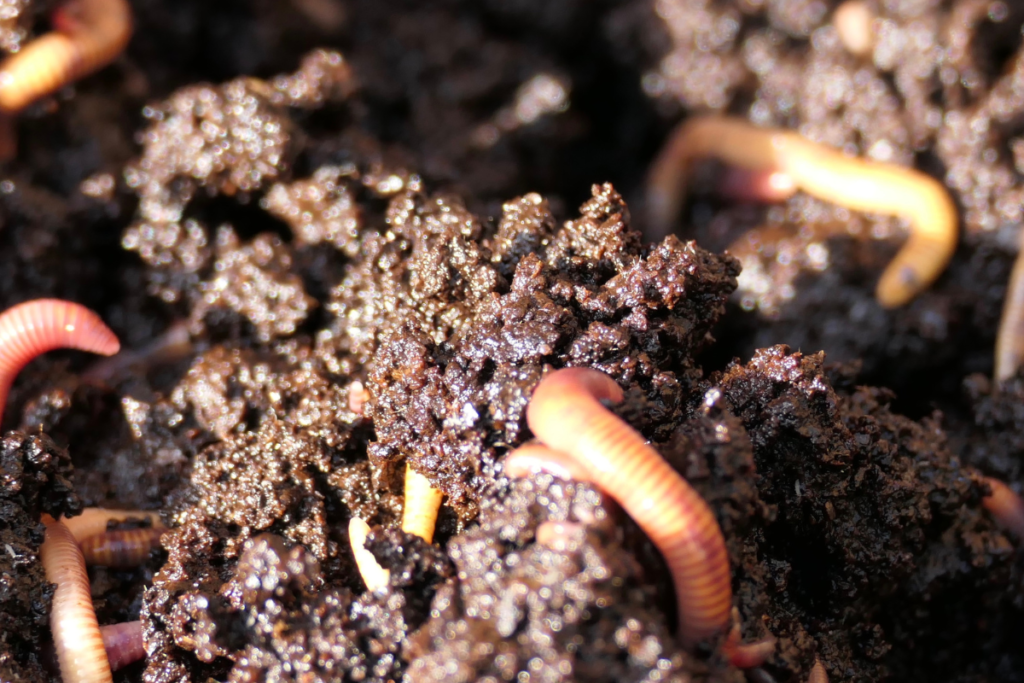
Avoid heavy fertilizers during recovery. Stressed plants need gentle nourishment, not a surge of nitrogen. Light feeding supports healing without overwhelming the plant. Compost tea, diluted fish emulsion, and worm castings are excellent choices for saving tomato plants because they provide slow, steady nutrition.
Best Recovery Foods
These gentle amendments help rebuild strength in the roots and encourage new leaf growth. They also improve soil health, which supports long‑term resilience.
Step 6: Watch for New Growth — The Final Sign You’re Saving Tomato Plants Successfully
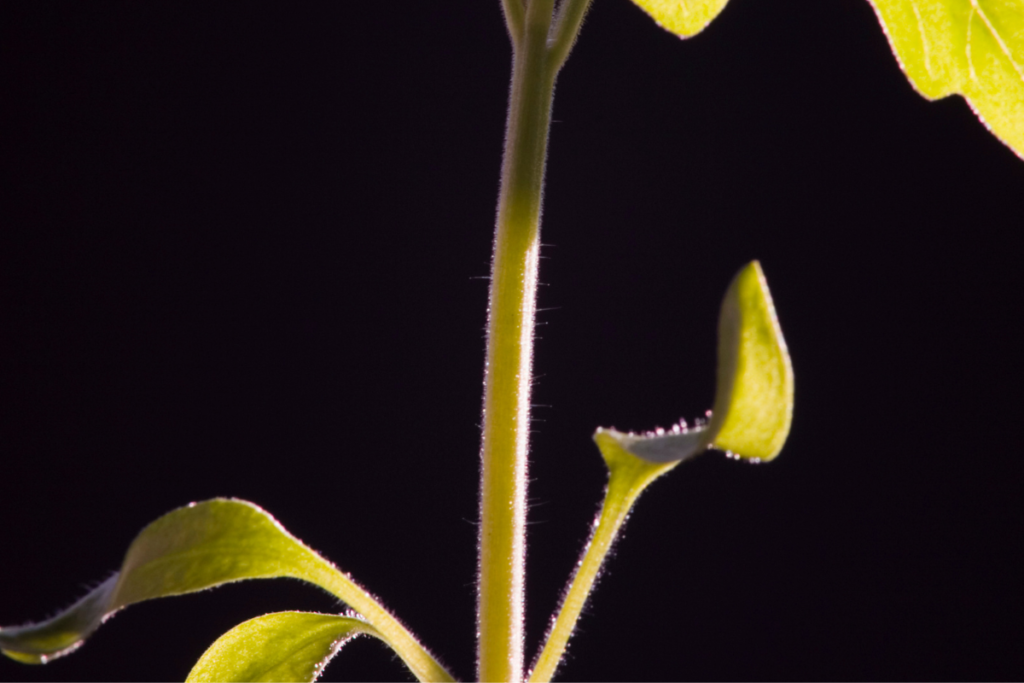
Within a few days, you should see signs of recovery. New leaves may appear at the nodes, stems may stand taller, and the plant may regain its color. These are strong indicators that your efforts in saving tomato plants are working. If no new growth appears after a week, the frost may have damaged the main stem beyond repair. At that point, remove the plant and salvage any usable fruit.
Saving Tomato Plants vs. Saving the Fruit
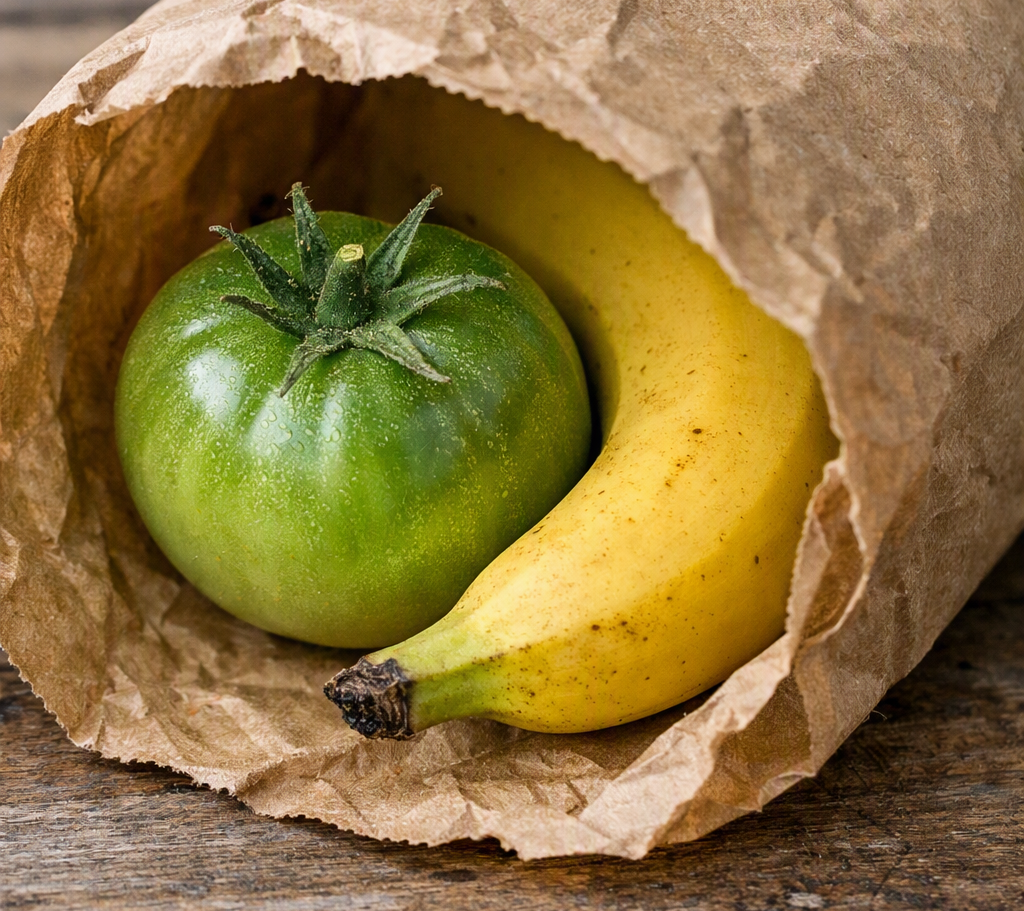
Even if the plant cannot be saved, you can still rescue the tomatoes. Green tomatoes often ripen indoors with a little help. Place them in a paper bag, add a ripe banana to speed the process, and check them daily. Tomatoes that were lightly touched by frost may not ripen fully, but they are still excellent for relishes, salsas, and fried green tomato recipes.
Prevent Frost Damage: The Best Way to Avoid Saving Tomato Plants Later
Preparation is the easiest way to avoid frost panic. Covering plants before sunset helps trap warmth from the day and protects them overnight. Old sheets, pillowcases, frost cloth, buckets, and totes all work well. Mulch also keeps the soil warm and shields the roots, which can prevent frost damage.
Sometimes frost damage is too severe. If the entire plant is black, the stem collapses, or the roots smell rotten, saving tomato plants is no longer an option. Compost the plant and save any fruit that is still firm. Then prepare the soil for next season and use the experience to strengthen your frost‑prevention routine.
Final Thoughts
Saving tomato plants after frost is absolutely possible when you act quickly and follow a steady recovery plan. Water, warmth, gentle pruning, and light feeding help most plants bounce back. Even if the plant doesn’t survive, you can still save the fruit and learn from the season. Homesteading teaches resilience, and frost is simply part of the rhythm of growing your own food.
-
Strawberry Leaf Benefits: Ways to Use Strawberry Leaves
Discover strawberry leaf benefits and learn how to use strawberry leaves in tea, smoothies, salads, and more.
-
How to Get Rid of Bugs in Your Vegetable Garden Naturally
Getting rid of bugs in your vegetable garden naturally starts with prevention and simple care. Check your plants often so you can spot pests early and act quickly. Use natural solutions like neem oil, garlic spray, or insecticidal soap to control problem insects without harming your garden. You can also invite helpful insects like ladybugs and lacewings, which feed on common pests.
Healthy soil and strong plants make a big difference. Add compost, rotate crops, and keep your garden clean to reduce places where pests can thrive. Barriers like row covers and natural materials like diatomaceous earth can also protect your plants. By combining these easy methods, you can control bugs and keep your vegetable garden healthy without using harsh chemicals. -
Boost Your Raised Garden Bed Naturally: Secrets to Healthy Soil
Learn how to improve your raised bed garden naturally with tips on healthy soil, composting, and organic methods.
-
Best Watering Schedule for Different Types of Vegetables
Learn the best watering schedule for vegetables and get Oklahoma-specific tips to keep your garden thriving in any season.
-
Wild Spring Greens: Nature’s Answer to Seasonal Fatigue
Discover wild greens that help fight seasonal fatigue, including henbit, nettles, and chickweed. Everything you need to know.
-
Edible Landscaping: Grow a Beautiful Yard You Can Eat
Edible landscaping is one of the most rewarding ways to transform your yard into a space that’s as nourishing as it is beautiful. Imagine stepping outside and plucking fresh basil for dinner or gathering juicy raspberries from a bush where a plain hedge used to be. Whether you’re looking to trim your grocery budget, encourage your kids to get their hands in the dirt, or simply enjoy the taste of something homegrown, edible landscaping brings practical purpose to every corner of your property.
You don’t need to overhaul your entire yard overnight—start small. A few pots of thyme and mint by the front steps or a blueberry bush in place of an ornamental shrub can spark a garden that grows with you. With every harvest, you’ll find your outdoor space becoming not just a retreat, but a provider.