Homemade Hyaluronic Acid Serum Recipe
Naturally Hydrate Your Skin with This Easy DIY Serum
If you like making your skincare products, try this DIY Hyaluronic Acid Serum. It’s easy to make at home. You don’t need many ingredients. It doesn’t cost a lot either. Best of all, it really works!
This serum helps your skin stay soft and full. It adds lots of moisture. That’s great if your skin feels dry. Dry skin can happen when it’s cold outside. It can also happen as we get older. Sometimes, changes in our bodies can make our skin dry, too.
This recipe for Hyaluronic Acid Serum makes about 2 ounces. That’s a small bottle, perfect for daily use. You can add it to your morning or night routine. It works well with most skin types. Try it and see how smooth your skin feels!

Why Make Your Own Hyaluronic Acid Serum?
Store-bought serums can be expensive, and many come loaded with ingredients you don’t need or want on your skin. Making your own allows you to:
- Control the ingredients
- Skip unnecessary fillers
- Customize with oils or essential oils that your skin loves

What You’ll Need to Make Hyaluronic Acid Serum
- 3 tablespoons distilled water (or boiled and cooled)
- ⅛ teaspoon hyaluronic acid powder
- ½ teaspoon carrier oil (jojoba, almond, or rosehip oil works well)
- ¼ teaspoon vegetable glycerin
- 9 drops preservative (optional but extends shelf life)
- 5 drops essential oil (optional – try lavender, frankincense, or tea tree)

How to Make Hyaluronic Acid Serum
- Sprinkle the hyaluronic acid powder into the water slowly while stirring gently. It will clump at first. Let it sit for a few hours to fully hydrate, then stir again until smooth.
- If using essential oils, add them to your carrier oil.
- Mix the carrier oil and glycerin into the water and hyaluronic acid mixture. Stir gently until fully combined.
- Pour into a clean, airtight glass dropper bottle.
- Printable Recipe Card

When making homemade beauty products like Hyaluronic Acid Serum, using natural or organic preservatives is essential to prevent the growth of bacteria and mold, especially if your product contains water. Some effective organic preservatives include Leucidal Liquid, a radish root ferment filtrate, and Geogard ECT, a broad-spectrum preservative derived from benzyl alcohol, salicylic acid, glycerin, and sorbic acid—all naturally occurring substances. Vitamin E oil and rosemary antioxidant (not to be confused with essential oil) can help extend shelf life by slowing oxidation, though they are not full-spectrum preservatives on their own. Grapefruit seed extract is another great option.For a truly organic option, storing your serum in the fridge and using it within 1–2 weeks can also help reduce bacterial growth if no preservative is added. Always research your ingredients and perform a patch test, especially when making products to sell or gift.
To Use
Apply 2–3 drops to clean, dry skin once a day. It works great in the morning and at night before applying your moisturizer.
I also love using this serum on the backs of my hands. It really helps improve the look of crepey skin and keeps it feeling soft and hydrated.

Storage Notes
If using a preservative like Leucidal or Geogard ECT, your serum should last for a few months at room temperature. Without a preservative, store it in the fridge and use within one to two weeks. Always use clean hands or a dropper to avoid contamination.
Why Hyaluronic Acid?
Hyaluronic acid is a naturally occurring molecule that can hold up to 1,000 times its weight in water. That means it works like a sponge, pulling moisture from the air or deeper layers of your skin and holding it close.
When you use hyaluronic acid on your skin, it helps keep that moisture locked in. This makes your skin feel soft, smooth, and healthy. It can also help reduce the look of fine lines caused by dryness. Whether your skin is dry, oily, or somewhere in between, hyaluronic acid is a gentle and effective way to boost hydration.

Homemade Hyaluronic Acid Serum Recipe
DIY Hyaluronic Acid Serum for hydrated, youthful skin. Easy, affordable, and perfect for face and hands with crepey skin.
Materials
- 3 tablespoons distilled water (or boiled and cooled)
- ⅛ teaspoon hyaluronic acid powder
- ½ teaspoon carrier oil (jojoba, almond, or rosehip oil work well)
- ¼ teaspoon vegetable glycerin
- 9 drops preservative (optional but extends shelf life)
- 5 drops essential oil (optional – try lavender, frankincense, or tea tree)
Instructions
- Sprinkle the hyaluronic acid powder into the water slowly while stirring gently. It will clump at first. Let it sit for a few hours to fully hydrate, then stir again until smooth.
- If using essential oils, add them to your carrier oil.
- Mix the carrier oil and glycerin into the water and hyaluronic acid mixture. Stir gently until fully combined.
- Pour into a clean, airtight glass dropper bottle.
Notes
Apply 2–3 drops to clean, dry skin once a day. It works great in the morning and at night before applying your moisturizer.
DIY Hyaluronic Acid Serum
Making your own skincare is fun and easy. This serum helps keep your skin soft and smooth. It feels cool and light on your face. Plus, it’s made with simple, safe ingredients. Give it a try and see the glow for yourself!
Start Your Naturally Homemade Journey Today!
Follow The Oklahoma Homesteader for simple, natural living tips. They share easy recipes for homemade cleaners and home remedies using safe, everyday ingredients. Learn how to keep your home clean without harsh chemicals and make natural solutions for common aches and pains. It’s a great way to save money, stay healthy, and live greener—all from your own kitchen.
-
Non-Toxic Bedroom Swaps for a Healthier Home
Non-Toxic Bedroom Swaps to create a healthier sleep space with simple, practical changes anyone can make. Check out our list!
-
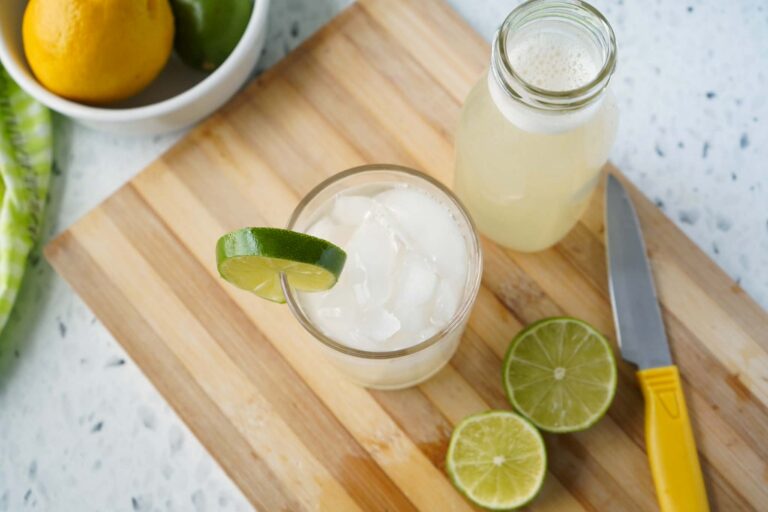
Homemade Electrolyte Drink: Easy Hydration Recipe
A homemade electrolyte drink gives you control over the ingredients, the flavor, and the sweetness, making it an easy alternative to store‑bought options when you need extra hydration. You can mix a small batch, adjust it to your taste, and keep it chilled in the refrigerator for busy days outside. It’s simple, customizable, and a practical recipe to have on hand whenever you want a clean, refreshing way to replace electrolytes
-
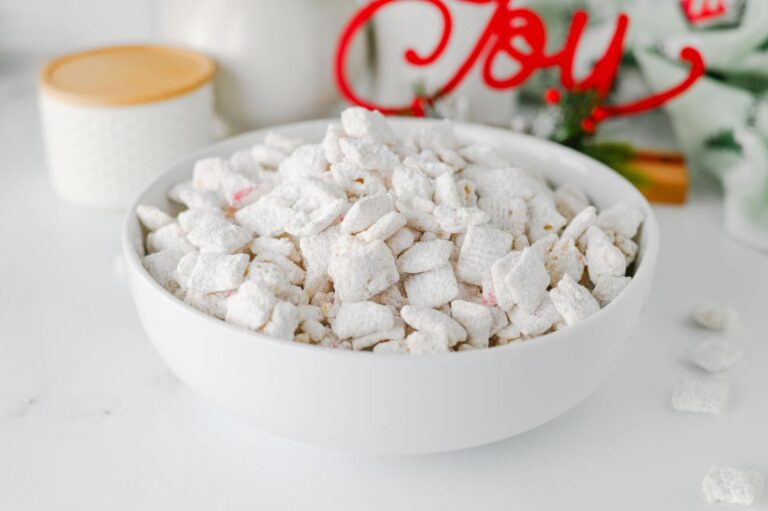
Peppermint Muddy Buddies: Easy Christmas Treat Recipe
Peppermint Muddy Buddies are an easy Christmas treat with chocolate and peppermint that’s perfect for parties, gifts and snacking.
-
Fall & Thanksgiving Homestead Gift Guide
Celebrate the season with our Fall & Thanksgiving Homestead Gift Guide! Discover thoughtful gifts for gardeners, home cooks, and country living enthusiasts. From cozy fall clothing and kitchen essentials to garden supplies and sweet treats, these finds bring a little extra warmth to the season. Whether you’re shopping for Thanksgiving or getting a head start on holiday gifting, you’ll find practical gifts for a homegrown lifestyle.
-
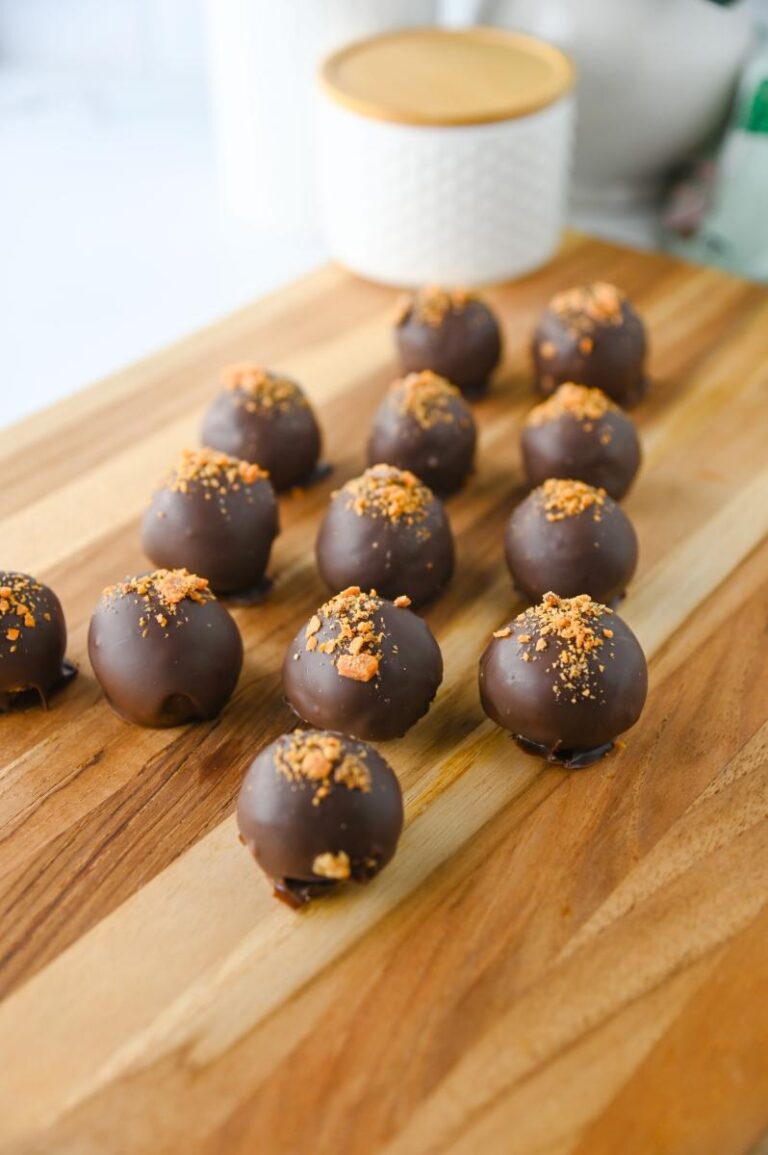
Butterfinger Balls Recipe: No-Bake Chocolate Candy
Butterfinger Balls Recipe made with a crunchy peanut butter filling and chocolate coating for an easy no-bake treat.
-
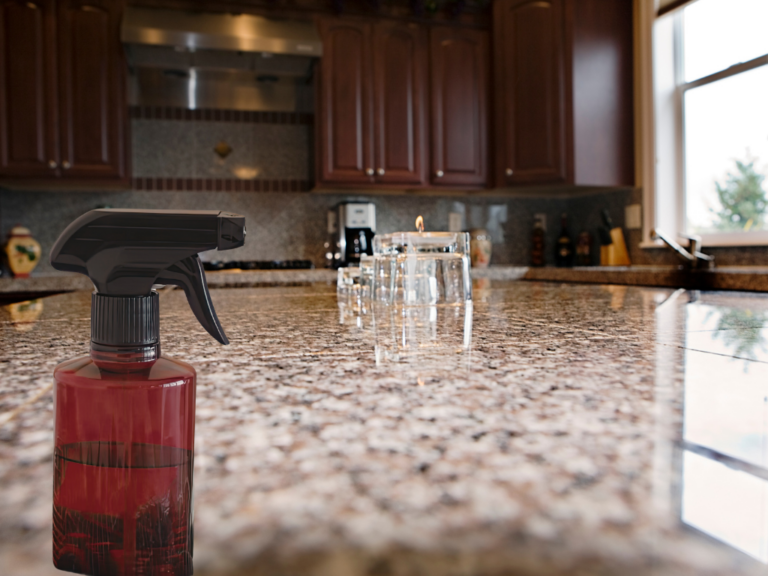
DIY Kitchen Spray Without Vinegar for Natural Cleaning
Make this DIY kitchen spray without vinegar using Castile soap and essential oils for natural cleaning. Perfect for Granite countertops.