Homemade Disinfecting Wipes
Store-bought disinfecting wipes might be convenient, but many contain harsh chemicals that can irritate the skin, trigger allergies, and even affect your respiratory system. By making your own homemade disinfecting wipes, you can control what goes into them and keep your family safe from unnecessary toxins. These DIY wipes are simple, effective, and made with natural ingredients.

Why Make Your Own Disinfecting Wipes
Most commercial disinfecting wipes contain chemicals like formaldehyde, synthetic fragrances, chlorine, and quaternary ammonium compounds. These can:
- Irritate skin and eyes
- Trigger asthma and other respiratory issues
- Disrupt hormones over long-term exposure
- Leave behind harmful residues on surfaces
Homemade wipes give you a safer, eco-friendly alternative that’s just as effective when made with high-proof alcohol and optional essential oils.


Ingredients for Homemade Disinfecting Wipes
This recipe makes about 8 ounces:
- 2 cups high-proof alcohol (at least 140 proof / 70% alcohol)
- 6 tablespoons castile soap
- 60 drops essential oils (optional)
- Towels, cloths, or old cotton t-shirts
Essential Oil Suggestions for Homemade Disinfecting Wipes
Essential oils offer natural antibacterial and antiviral properties, as well as a pleasant scent. Great options include:
- Lemon
- Tea tree
- Orange
- Rosemary
- Lavender
Instructions
- Add the alcohol to a glass jar or container.
- If you’re using essential oils, add them next.
- Pour in the castile soap and gently mix.
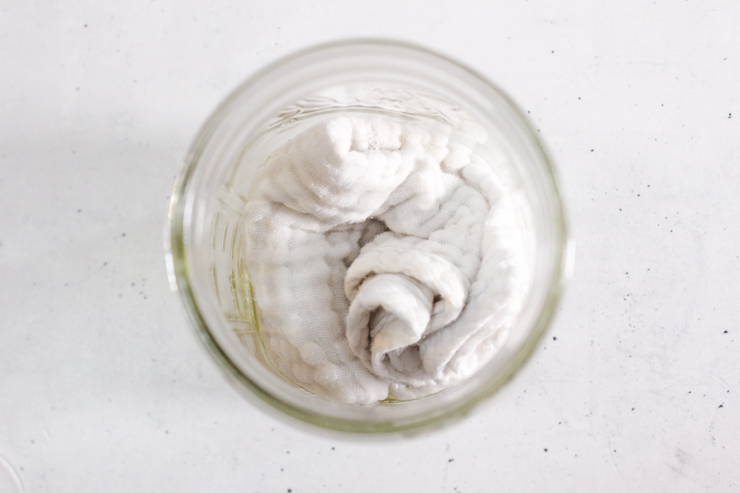
- Layer your towels, cloths, or cotton t-shirts into the mixture until fully soaked.
- If needed, add a little extra alcohol to ensure everything is covered.
- Seal the jar tightly to prevent evaporation.
- Printable Recipe Card

Helpful Tips
- Use glass containers: Alcohol can degrade certain plastics over time.
- Label your jar: Always mark your wipes as “Disinfecting Wipes” and keep them out of reach of children.
- Avoid vinegar with alcohol: Combining vinegar with high-proof alcohol can reduce its disinfecting effectiveness.
- Wash and reuse cloths: Instead of throwing them away, wash and reuse your wipes to save money and reduce waste.
Final Thoughts on Homemade Disinfecting Wipes
Homemade disinfecting wipes are a healthier, eco-friendly alternative to chemical-laden store-bought wipes. By using simple ingredients like alcohol, castile soap, and essential oils, you can keep your home clean without exposing your family to unnecessary toxins. Try our disinfectant spray for another healthier alternative.

Homemade Disinfecting Wipes
Making your own disinfectant wipes is not only cost-effective but also eco-friendly. Instead of relying on disposable store-bought wipes, you can repurpose old cloth diapers, t-shirts, or other soft cotton fabrics to create durable, washable wipes. These homemade cloth wipes cut down on waste, save money, and let you control the ingredients—ensuring a safe, effective cleaner for your home. Plus, they’re easy to refresh: simply launder the fabric pieces and re-soak them in your disinfecting solution for continuous reuse.
Ingredients
- 2 cups high-proof alcohol (at least 140 proof / 70% alcohol)
- 6 tablespoons castile soap
- 60 drops essential oils (optional)
- Towels, cloths, or old cotton t-shirts
Instructions
- Add the alcohol to a glass jar or container.
- If you’re using essential oils, add them next.
- Pour in the castile soap and gently mix.
- Layer your towels, cloths, or cotton t-shirts into the mixture until fully soaked.
- If needed, add a little extra alcohol to ensure everything is covered.
- Seal the jar tightly to prevent evaporation.
Notes
- Use glass containers: Alcohol can degrade certain plastics over time.
- Label your jar: Always mark your wipes as “Disinfecting Wipes” and keep them out of reach of children.
- Avoid vinegar with alcohol: Combining vinegar with high-proof alcohol can reduce its disinfecting effectiveness.
- Wash and reuse cloths: Instead of throwing them away, wash and reuse your wipes to save money and reduce waste.
-
25 Must-Know Instant Pot Uses for Homesteaders (Part 5)
Finish the Must-Know Instant Pot Uses series with homemade herbal syrups, easy steamed desserts, helpful FAQs, and practical tips for saving time, money, and food in the kitchen.
-
25 Must-Know Instant Pot Uses for Homesteaders (Part 4)
Discover more practical Instant Pot uses that can save time, reduce food waste, and make everyday cooking easier.
-
Homemade OxiClean Recipe: Easy DIY Stain Remover
Homemade OxiClean Recipe made with simple ingredients to help lift laundry stains and brighten clothes without the high cost.
-
Air Fryer Potato Chips: A Simple Snack
Air Fryer Potato Chips are a simple, crunchy snack made with just potatoes, salt, and a touch of oil. They cook fast, turn perfectly golden, and taste better than anything in a bag. Perfect for after‑school snacking or anytime you want something homemade and crisp.
-
How to Freeze-Dry Herbs in a Harvest Right Freeze Dryer
Learn how to freeze-dry fresh herbs to preserve your garden harvest and enjoy basil, rosemary, and dill year-round.
-
25 Must-Know Instant Pot Uses for Homesteaders (Part 3)
Discover more Must-Know Instant Pot Uses for your homestead kitchen, including homemade tomato sauce, whole grains, sweet potatoes, fresh corn, and pumpkin purée. Learn simple ways to save time, use seasonal produce, reduce food waste, and get more value from your Instant Pot.