Heavy Metals in Protein Powders: What to Know
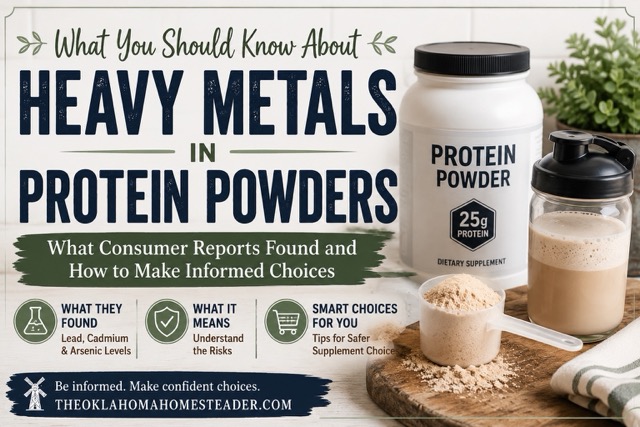
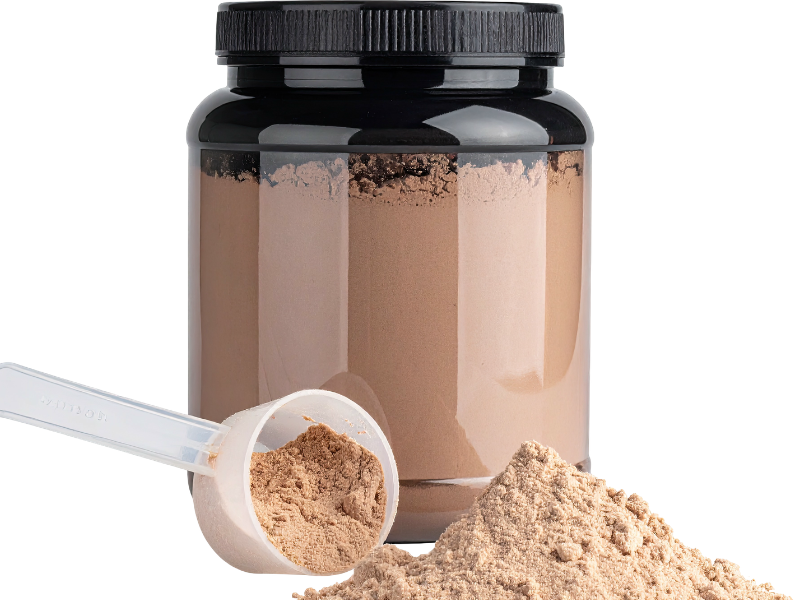
If you’ve been following me for a while, you know I’m passionate about reading labels, asking questions, and making informed decisions about the products we bring into our homes. That doesn’t mean I believe we should panic every time a new study comes out but I do believe we should pay attention. Recently, I came across an investigation from Consumer Reports on Heavy Metals in Protein Powders that caught my attention. After testing 23 popular protein powders and ready-to-drink protein shakes, they found that many contained concerning levels of lead, and some also contained cadmium and inorganic arsenic.
I’m not writing this post to tell you to throw away your protein powder.
I’m writing it because I believe knowledge is power. Once we have the information, each of us can decide what makes the most sense for ourselves and our families.
What Did Consumer Reports Find about Heavy Metals in Protein Powders?
According to Consumer Reports:
- More than two-thirds of the products they tested contained more lead in a single serving than their experts consider safe to consume in a day.
- Several products also contained measurable amounts of cadmium and inorganic arsenic.
- Plant-based protein powders generally tested higher for lead than whey- or dairy-based products, although not every plant-based product performed poorly.
It’s important to understand that these heavy metals don’t necessarily mean a manufacturer intentionally added them.
Why Are Heavy Metals Found in Protein Powders?
Heavy metals naturally occur in soil, water, and the environment. Plants can absorb these elements while growing, and those minerals may become concentrated when the protein is processed into a powder.
That’s one reason some plant-based protein powders may contain higher levels than dairy-based products, although farming practices, ingredient sourcing, and manufacturing standards also play a role.
Does This Mean Protein Powders Are Dangerous?
Not necessarily.
The findings don’t mean every protein powder is unsafe, nor do they mean you should immediately stop using one if it fits your nutritional needs.
Consumer Reports was evaluating long-term daily exposure, which is very different from having an occasional protein shake after a workout.
This is especially important for people who drink multiple protein shakes daily over long periods. Children and pregnant women should be especially cautious, as lead exposure can be more harmful during development.
What Can You Do?
Instead of panicking, here are a few practical steps:
- Read independent testing whenever possible.
- Look for companies that perform third-party testing.
- Choose brands that are transparent about ingredient sourcing.
- Rotate your protein sources instead of relying on one product every day.
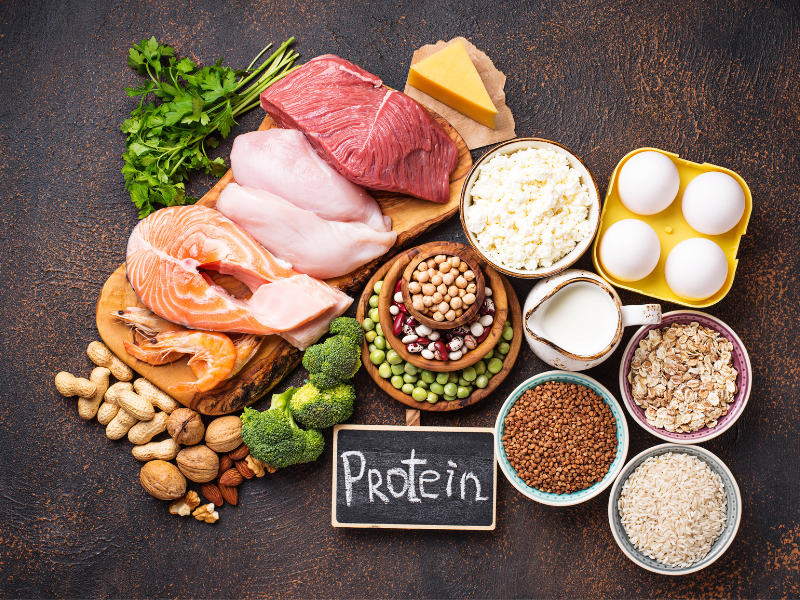
- Whenever possible, get protein from whole foods like eggs, chicken, fish, Greek yogurt, beans, nuts, and cottage cheese.
If you do use protein powders regularly, it may also be worth checking whether the manufacturer publishes testing information or has responded to the Consumer Reports findings.
The Good News
One thing I appreciated about the follow-up reporting is that Consumer Reports also identified several protein powders that tested much lower for lead. Their findings show that manufacturers can produce protein powders with significantly lower heavy metal levels.
That gives me hope that more companies will continue improving their sourcing and testing practices.
My Take
I’m not anti-protein powder.
In fact, protein supplements can be incredibly helpful for busy families, athletes, older adults, or anyone struggling to meet their daily protein needs.
But I also believe consumers deserve transparency.
Whether it’s food, cleaning products, supplements, or personal care items, I simply want to know what’s in the products I’m buying. Then I can make the decision that’s right for me.
That’s why I wanted to share this information with you.
If you’d like to read the complete investigation, I encourage you to visit the original article from Consumer Reports. They provide details about the products they tested, their methodology, and the follow-up testing they conducted.
At the end of the day, this isn’t about fear—it’s about making informed choices.
-
Non-Toxic Bedroom Swaps for a Healthier Home
Non-Toxic Bedroom Swaps to create a healthier sleep space with simple, practical changes anyone can make. Check out our list!
-
Homemade Electrolyte Drink: Easy Hydration Recipe
A homemade electrolyte drink gives you control over the ingredients, the flavor, and the sweetness, making it an easy alternative to store‑bought options when you need extra hydration. You can mix a small batch, adjust it to your taste, and keep it chilled in the refrigerator for busy days outside. It’s simple, customizable, and a practical recipe to have on hand whenever you want a clean, refreshing way to replace electrolytes
-
Non-Toxic Kitchen Swaps for a Healthier Home
Non-Toxic Kitchen Swaps to create a healthier kitchen with simple product changes and practical cooking tips.
-
Beyond Digestion: How Parasites May Impact Energy, Skin, Mood, and Immunity
Parasitic infections don’t always just cause obvious digestive symptoms. In some cases, they may also contribute to fatigue, skin concerns, mood changes, and immune system imbalances. Learn how these hidden infections can affect overall wellness, the signs to watch for, and practical steps to support your body’s natural defenses and recovery.
-
Halotherapy: What It Is and How It Can Help
Learn what halotherapy is, how salt therapy may support respiratory health, who should avoid it, and ways to try it at home.
-
Why Healing the Gut Starts With Environment, Not Supplements
Emma Magnolia is a holistic health educator, therapeutic bodyworker, and lifestyle practitioner who discusses that supplements can help us have our best gut health possible, they are not the foundation. Instead, it is the daily conditions surrounding digestion that best support a healthy gut.