Homemade Electrolyte Drink: Easy Hydration Recipe
Making your own homemade electrolyte drink at home is easier than you might think. You don’t need a brightly colored sports drink or a long list of ingredients to make a refreshing drink for a hot day, after working in the garden, or anytime you simply want something besides plain water.
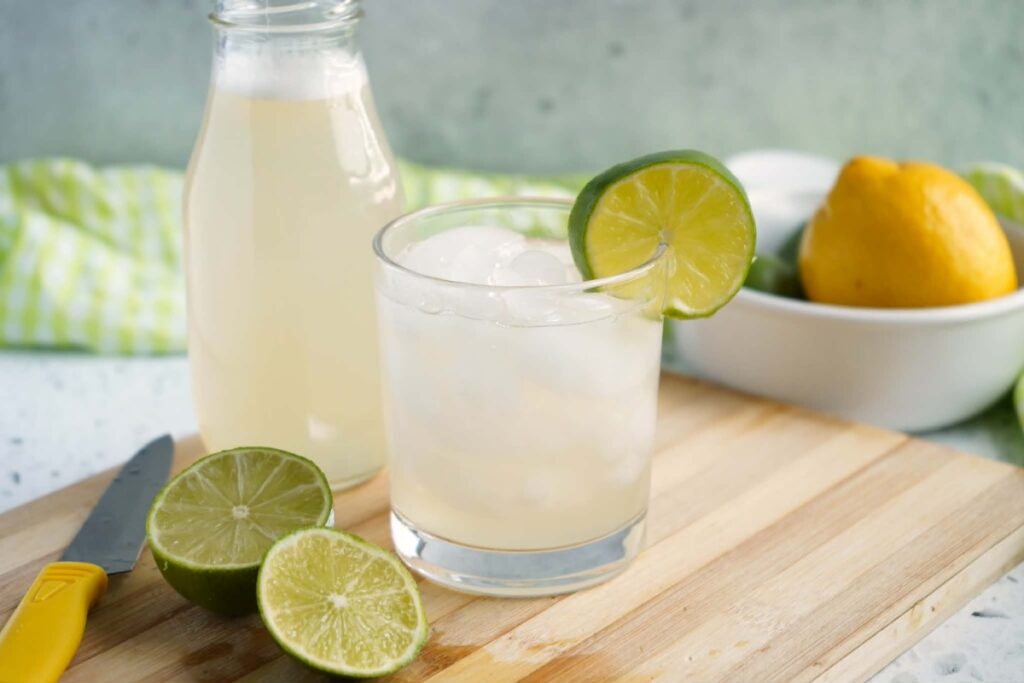
A homemade electrolyte drink also gives you control over what goes into your glass. You can adjust the sweetness and flavor and skip the artificial colors found in some commercially prepared drinks.
The basic idea is simple: water provides fluid, while ingredients containing minerals such as sodium and potassium provide electrolytes. A small amount of carbohydrate can add flavor and provide energy.
This is one of those homemade recipes that’s worth knowing even if you don’t make it every week.
What Is a Homemade Electrolyte Drink?
Electrolytes are minerals that carry an electrical charge when dissolved in water. Some of the major electrolytes in the body include sodium, potassium, chloride, calcium, and magnesium.
They help with important processes including fluid balance, nerve function, and muscle function.
We normally get electrolytes through the foods and beverages we consume every day. When we sweat, however, we lose both water and electrolytes, particularly sodium and chloride.
That’s why there are times when drinking something containing electrolytes may be useful in addition to drinking water.
A homemade electrolyte drink combines water with ingredients that provide some of those minerals. Depending on the recipe, it may also contain citrus juice, coconut water, honey, or another sweetener for flavor.
Homemade Electrolyte Drink Recipe
You don’t need a cabinet full of supplements to make a basic DIY electrolyte drink.
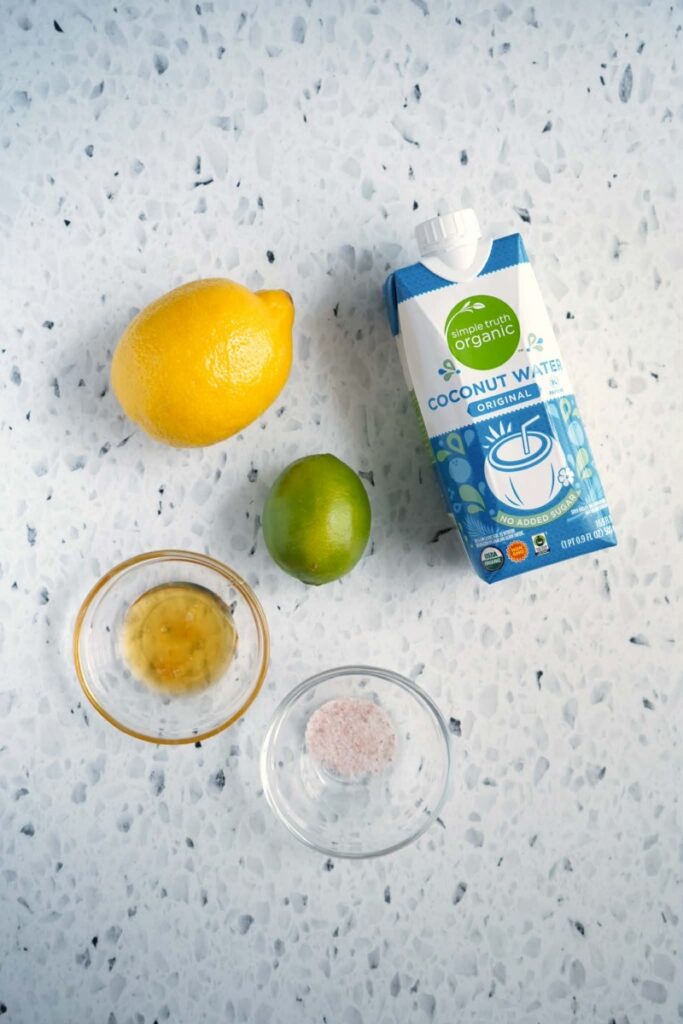
For a simple homemade version, you’ll need:
- 1 (16.9 oz) Coconut Water
- 1 Large Lemon
- 1 Lime
- 1 TBSP Honey
- ⅛ tsp Himalayan Sea Salt
Optional additions:
- Fresh lemon juice
- Fresh lime juice
- Orange juice
- Coconut water
- Honey or maple syrup
The exact nutritional and electrolyte content will depend on the ingredients and amounts you use.
How to Make a Homemade Electrolyte Drink
Add the water and your remaining ingredients to a large jar or pitcher. Stir or shake everything thoroughly until the Himalayan salt and any sweetener have completely dissolved.
Taste your drink and adjust the flavor if needed. If it’s too salty for your taste, don’t automatically add more sweetener. You may simply need additional water.
Refrigerate until cold or serve it over ice. If you’ve used fresh juice or other perishable ingredients, keep the drink refrigerated and make smaller batches rather than leaving a pitcher sitting at room temperature for long periods.
Homemade Electrolyte Drink Recipe
This simple homemade electrolyte drink is perfect to rehydrate the body!
Made with coconut water, Himalayan salt, fruit and honey for a touch
of sweetness and anti-inflammatory properties.
Ingredients
- 1 (16.9 oz) Coconut Water
- 1 Large Lemon
- 1 Lime
- 1 TBSP Honey
- ⅛ tsp Himalayan Sea Salt
Instructions
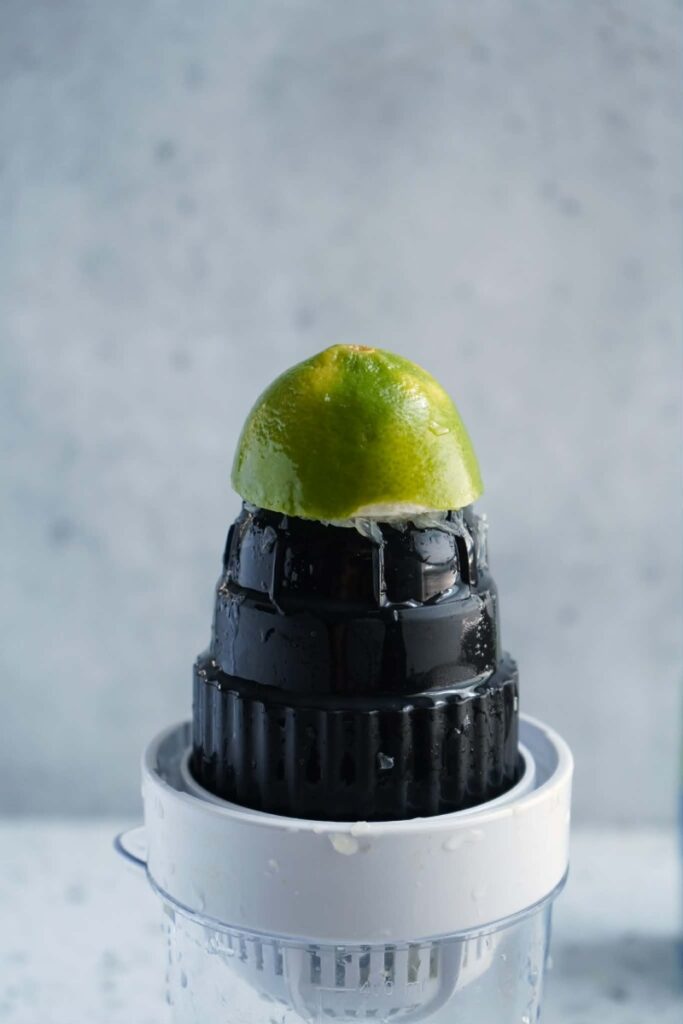
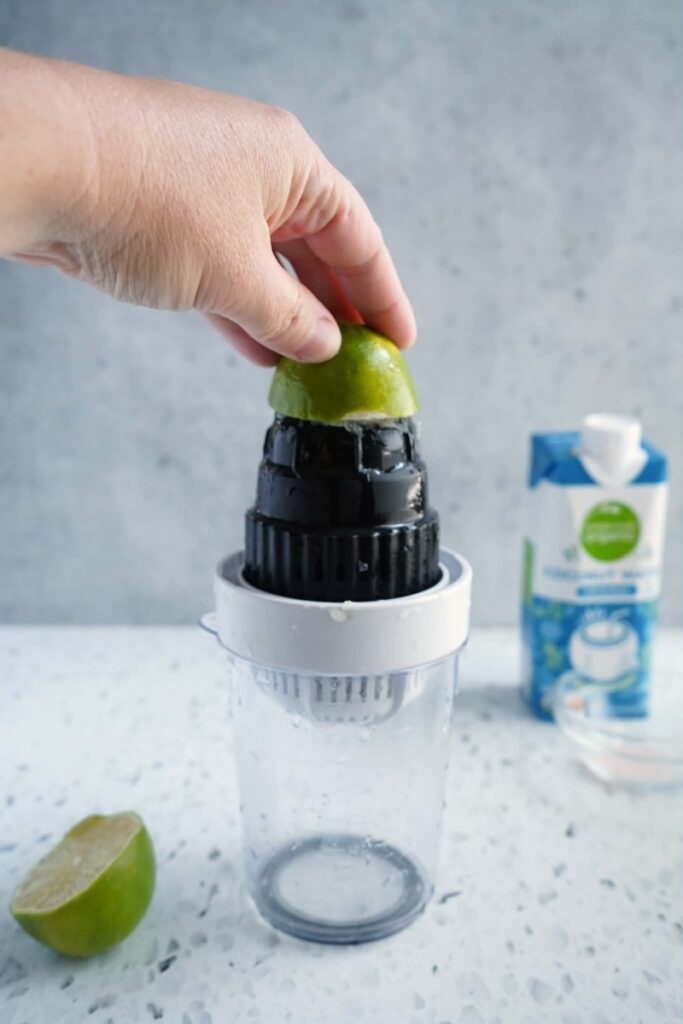
1. Juice the Lemon and Lime-Use a citrus juicer or squeeze by hand. Remove seeds and pulp if you prefer a smoother drink. Fresh juice gives the best flavor and nutrient content.
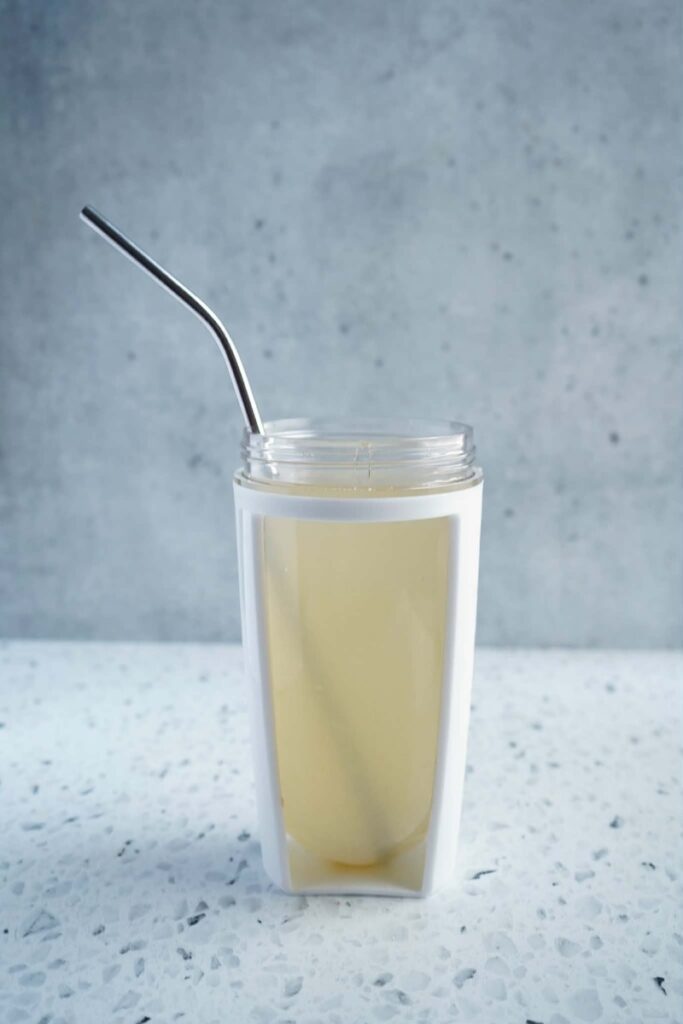
2. Combine Ingredients-Add the coconut water, citrus juices, honey, and Himalayan salt to a large shaker bottle, mason jar, or glass. Mason jars work especially well in homestead kitchens because they seal tightly and travel easily.
3. Shake or Stir-Secure the lid and shake until the honey dissolves. If using a glass, stir thoroughly. The drink should look uniform with no honey settling at the bottom.
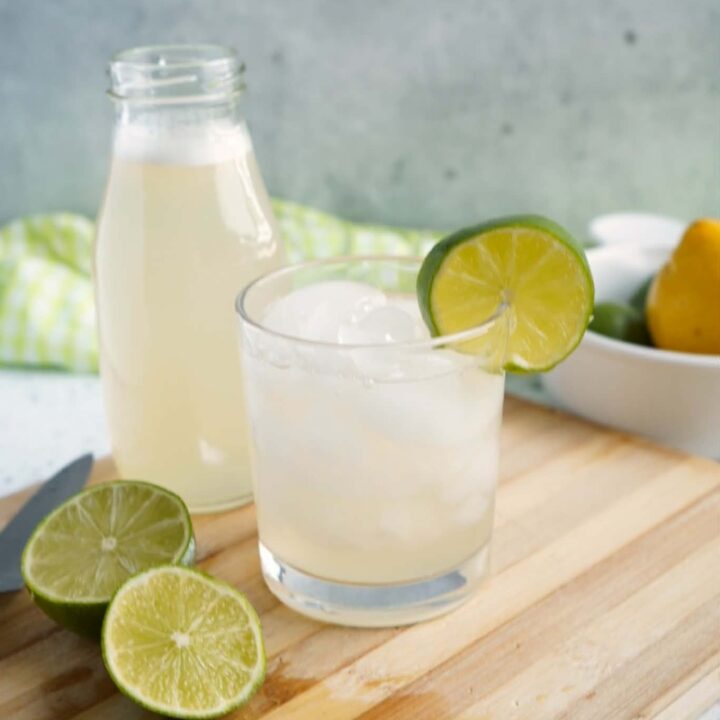
4. Chill and Enjoy-Serve over ice or refrigerate until cold. Cold electrolyte drinks taste refreshing after outdoor work or exercise.
Why Put Salt in an Electrolyte Drink?
Salt is one of the most important parts of any electrolyte recipe because sodium is a key electrolyte, and it’s one of the primary minerals lost through sweat. That’s why a homemade hydration drink can’t simply be lemon water with a little honey added to it.
At the same time, more salt isn’t automatically better. The goal is to replace electrolytes, not create a drink that tastes like seawater. Measuring the salt instead of pouring it straight from the shaker helps you control the flavor and prevents the drink from becoming too strong. It also makes it much easier to recreate the recipe later, especially once you’ve found the exact balance your family likes.
Does a Homemade Electrolyte Drink Need Sugar?
Not necessarily for everyday flavored hydration, but there’s a reason many sports drinks and oral rehydration products contain carbohydrates. Carbohydrates provide energy, and glucose also plays a role in the absorption of sodium and water in the small intestine.
That doesn’t mean you need to turn a homemade electrolyte drink into a glass of sugar. For an everyday drink, you can adjust the sweetness according to your recipe and preferences. Honey, maple syrup, or fruit juice can add sweetness and flavor if you choose to use them.
It’s also important to distinguish an everyday homemade hydration drink from an oral rehydration solution used to treat dehydration from illnesses such as vomiting or diarrhea. Those solutions use specific ratios of water, glucose, and electrolytes and shouldn’t be casually reformulated.
Can You Make Electrolyte Water Without Artificial Colors?
Absolutely. Color has nothing to do with whether a drink contains electrolytes. One of my favorite things about making things at home is realizing how many ingredients we simply don’t need.
A homemade electrolyte drink might be almost clear or take on a pale yellow, orange, or pink color depending on the juice or other ingredients you add. There’s no reason it needs to be neon blue to help you hydrate.
Natural Ways to Flavor a DIY Electrolyte Drink
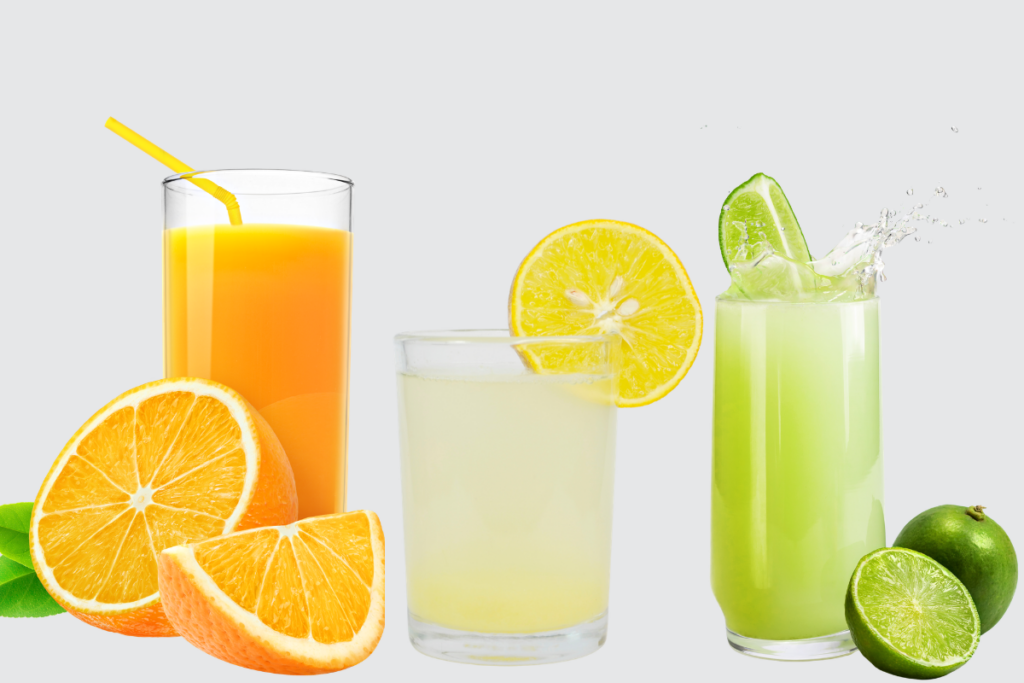
Plain salt water isn’t something most people look forward to drinking, but the good news is that you can adjust the flavor without creating an entirely new recipe. Fresh lemon or lime juice adds a bright citrus note, and a splash of orange juice brings both sweetness and a familiar flavor that many people enjoy.
Coconut water can also be incorporated into some versions. It naturally contains potassium, although its sodium content is usually lower than what you’ll find in beverages specifically formulated to replace electrolytes lost through heavy sweating. Fresh herbs like mint can add a refreshing aroma and flavor as well, even though they don’t replace the electrolyte‑containing ingredients in the recipe. With a few small adjustments, you can experiment until you find a combination your family genuinely enjoys drinking.
When Might an Electrolyte Drink Be Helpful?
Most people don’t need a special electrolyte beverage every time they feel thirsty. For everyday life, water and a normal balanced diet provide the fluids and electrolytes your body needs. There are situations, however, when an electrolyte‑containing drink becomes more convenient and more appropriate than plain water.
Think about spending hours outside gardening in the Oklahoma summer, mowing the yard, working on a project, hiking, or doing a long workout where you’re sweating heavily. Those activities place different demands on your body than sitting indoors at a computer for a few hours. In those moments, replacing electrolytes can help you stay hydrated and feel better.
The key is remembering that while electrolytes are important, that doesn’t mean we need to constantly add more of them to our diets. It’s about matching the drink to the situation, understanding when your body truly needs the extra support, and choosing the option that fits the moment.
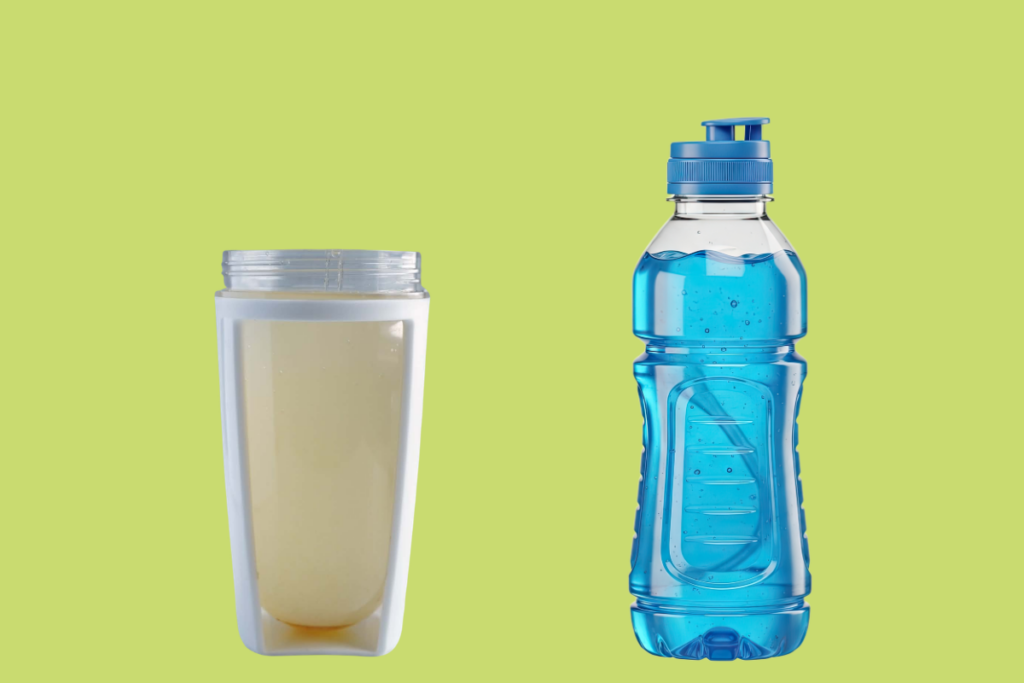
Homemade Electrolyte Drink vs. Sports Drinks
The biggest advantage of making your own electrolyte drink isn’t that a homemade version is automatically healthier than every product on the grocery store shelf. The real benefit is control. When you make it yourself, you choose the ingredients, decide how sweet you want it, and skip artificial colors or additives you don’t need. You can prepare only as much as your family will use, and you can change the flavor without committing to an entire case of premade drinks. That flexibility is something store‑bought options simply can’t match.
Commercial electrolyte and sports drinks have their own advantages, too. Their nutrient content is standardized, they’re convenient, and many are formulated for specific athletic or medical needs. They serve a purpose, and for some situations they’re exactly the right choice. There is room for both homemade and store‑bought options in a balanced routine. Making something yourself doesn’t have to mean everything available at the store is bad; it simply means you have another option, and another skill, when you want it.
A Homemade Hydration Drink Isn’t the Same as Oral Rehydration Solution
It’s important to remember that a homemade electrolyte drink is meant for everyday situations, like cooling off after working outside. It isn’t the right choice for serious dehydration caused by vomiting, diarrhea, heat illness, or other medical problems. Medical oral rehydration solutions are made with exact amounts of sugar and electrolytes to help the body absorb fluids quickly and safely.
If someone is showing signs of significant dehydration, can’t keep fluids down, has ongoing vomiting or diarrhea, or might be dealing with heat illness, that’s not the time to rely on a homemade recipe. In those situations, follow medical advice and use a proper oral rehydration product when recommended.
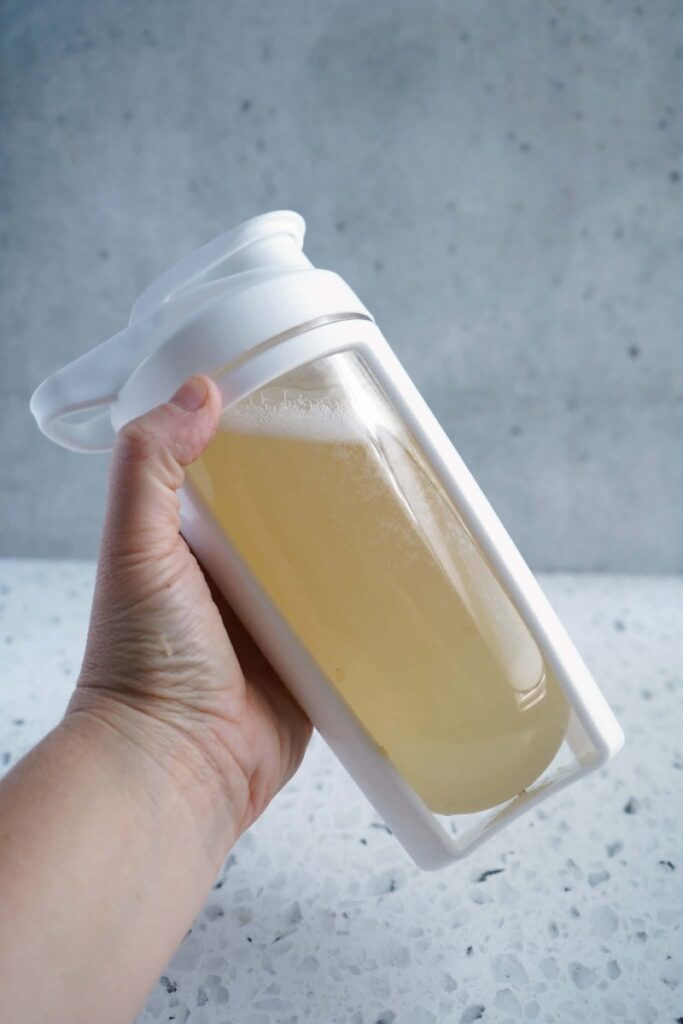
How to Store
I prefer making this electrolyte drink in manageable batches and keeping it chilled in the refrigerator, which makes it easy to grab whenever I need a quick hydration boost. A clean, covered pitcher, glass jar, or reusable bottle works well for storage and helps maintain freshness.
If your recipe includes fresh fruit juice or other perishable ingredients, refrigerate it promptly to preserve both flavor and safety. Before serving, give the container a quick shake or stir because natural ingredients like citrus pulp, honey, and mineral salt can settle during storage.
You can also prepare some of the components ahead of time. Juice the citrus or measure the Himalayan salt and honey, and mix the drink right when you’re ready to use it. This keeps the flavor bright and makes the process even more convenient.
Make It Part of Your Homesteading Skill Set
Homesteading doesn’t have to mean owning acres of land, raising livestock, or growing every bite of food your family eats; sometimes it simply means learning how to make something you normally buy. A homemade electrolyte drink is a perfect example of that kind of everyday self‑reliance.
When you make it yourself, you learn what each ingredient does, decide what your family actually needs, and add another simple, practical recipe to your personal toolkit. Maybe you mix a batch before a long summer gardening day, or fill a reusable bottle before heading out on a hike, or maybe you just keep the recipe tucked away until the moment you need it. Those small skills add up over time, and each one makes life feel a little more intentional, a little more capable, and a lot more satisfying.

Is a homemade electrolyte drink as good as Gatorade?
They aren’t necessarily equivalent. The amounts of sodium, potassium, and carbohydrates in a homemade recipe depend entirely on the ingredients and measurements used. Commercial sports drinks have standardized formulations. A homemade drink can be a convenient option when you want a simple hydration beverage and control over the ingredients.
What can I use instead of Gatorade for electrolytes?
Depending on why you need electrolytes, options include food and water, homemade electrolyte drinks, commercial electrolyte beverages, and oral rehydration solutions. The right choice depends on whether you’re dealing with ordinary hydration, prolonged exercise, or actual dehydration from illness.
What are the best ingredients to use?
Water and an appropriate source of sodium form a simple foundation. Depending on the recipe, ingredients such as citrus juice, coconut water, and a small amount of honey or maple syrup can contribute flavor, carbohydrates, and additional minerals.
Can I make a homemade electrolyte drink without sugar?
You can make an unsweetened electrolyte-flavored water for everyday drinking. However, sugar isn’t always an unnecessary ingredient. Glucose has an important role in medical oral rehydration solutions, so don’t remove or change ingredients from a medically recommended rehydration formula.
Can I drink homemade electrolytes every day?
Most healthy people can meet their everyday fluid and electrolyte needs through water and a balanced diet. Whether you need additional electrolytes depends on factors such as activity, sweating, diet and individual health needs.
Is coconut water an electrolyte drink?
Coconut water naturally contains electrolytes, particularly potassium. However, its electrolyte profile isn’t identical to sweat or to beverages specifically formulated for electrolyte replacement.
Is lemon water an electrolyte drink?
Lemon juice contains small amounts of minerals, but plain lemon water isn’t equivalent to a formulated electrolyte beverage. Adding lemon is a great way to flavor a homemade electrolyte drink, but the other ingredients determine its overall electrolyte content.
Final Thoughts on Making a Homemade Electrolyte Drink
Learning how to make a Homemade Electrolyte Drink is another small way to become more intentional about what you’re buying and what you can make yourself. It doesn’t need to be complicated, and it doesn’t need to be perfect.
Start with a simple recipe, learn what the ingredients do, and adjust the flavor until you find something your family enjoys. That’s the kind of homesteading I love: practical skills that can work whether you live on forty acres, in a suburban neighborhood, or in an apartment.
-
Cook | Drinks | Homemade Pantry | Recipe
How to Make Almond Milk at Home (Easy Guide)
How to Make Almond Milk at Home with simple ingredients, easy steps, and helpful tips for fresh, creamy homemade milk.
-
Make a Fair Style Limeade
This fair style limeade for one is the perfect quick treat when you want something cold, tart, and refreshing without making a full batch. Made with just two limes, sugar, and water, it comes together in minutes and fits naturally into a practical homestead kitchen. Simple, nostalgic, and ice cold, this single-serve limeade delivers that classic fair flavor with zero waste and very little effort.
-
Homemade Bee Balm Tea
Bee balm (Monarda) is a beautiful and useful plant in any medicinal herb garden. Not only does it add color, but it also offers healing properties, especially in the form of homemade bee balm tea. This fragrant, soothing herbal infusion is easy to make.
-
6 Herbal Tea Recipes (Infusions)
Using Our Medicinal Herb Garden To Make Tea Herbal Teas…there’s nothing quite as satisfying as brewing your own cup of tea straight from the garden! Growing medicinal herbs allows us to create natural, healing herbal tea recipes for everything from stress relief and digestion to immune support and better sleep. Instead of relying on store-bought…