Non-Toxic Bathroom and Laundry Swaps for a Healthier Home

Making non-toxic bathroom and laundry room changes is two excellent places to start making swaps. These spaces touch nearly every part of daily life—from the products we use on our skin to the detergents that clean our clothes. By rethinking personal care items, cleaning supplies, and laundry essentials, you can dramatically reduce exposure to harsh chemicals and unnecessary packaging.
Choosing products with transparent ingredients helps you understand what’s really in your home. Refillable containers, biodegradable formulas, and reusable tools cut down on waste, and even small swaps—like plant‑based detergents or natural body washes—make your home healthier and your routines simpler. The best part is you don’t have to change everything at once. These non‑toxic bathroom and laundry swaps are practical, approachable, and easy to work into everyday life.
At The Oklahoma Homesteader, we believe homesteading is about thoughtful choices, using what we have wisely, and caring for our families and the land. Whether you’re on rural acreage or tending a backyard garden, small household swaps truly make a difference. Creating a healthier home doesn’t mean starting over—it begins with the everyday products you use to bathe, wash clothes, and freshen your space.
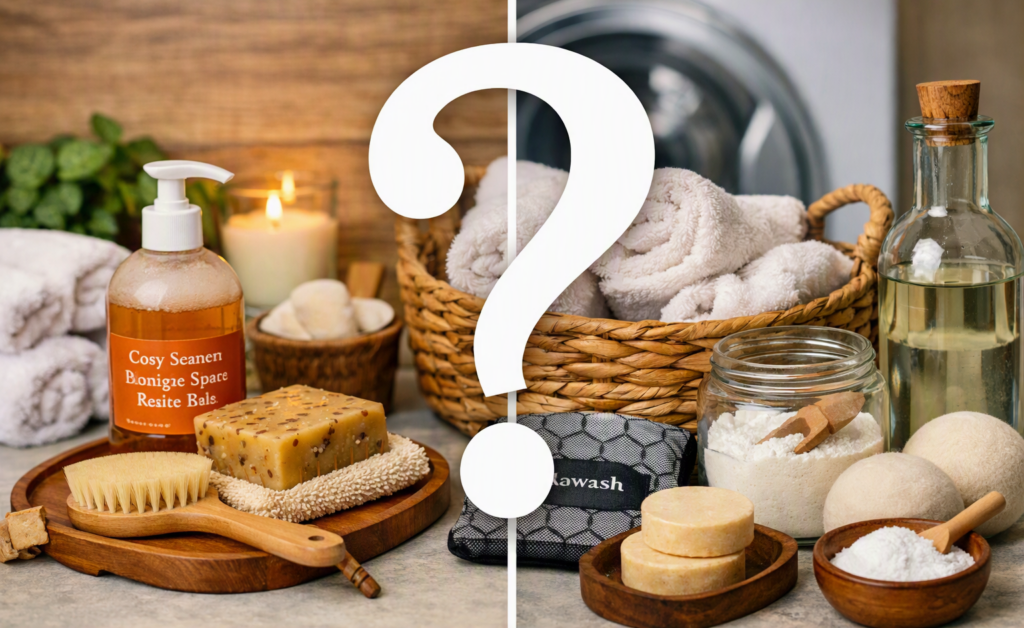
Why Make Non-Toxic Bathroom and Laundry Swaps?
We use bathroom and laundry products almost every day. They touch our skin, clean our clothes, and help keep our homes fresh. Choosing products with simple ingredients and less packaging can help create a healthier home.
If strong smells bother you, try fragrance-free products. You can also choose refillable bottles and reusable items to cut down on waste. Look for trusted certifications when shopping for eco-friendly products.
Keep in mind that words like natural, green, and non-toxic don’t always mean a product is safe or better for the environment. Always read labels and follow the directions.
Many homes also have hard water. Hard water can leave spots on faucets, shower doors, and clothes. The right cleaners and amount of detergent can help make cleaning easier.
The good news is that you don’t have to change everything at once. Let’s explore a few simple swaps to get started!
Non-Toxic Bathroom and Laundry Swaps-Choose Gentler Bath and Body Products
The bathroom is a natural starting point because personal care products are part of our daily routines. Rather than buying several specialty products, start by choosing a few favorites with ingredients and packaging that align with your household priorities.
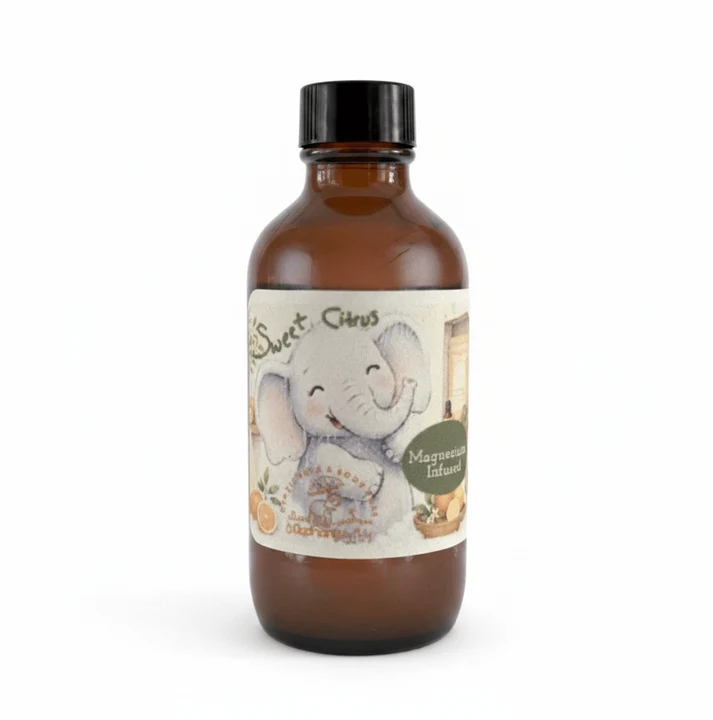
Enjoy a Cozy Bath With Thoughtfully Chosen Bubble Bath
A relaxing bath is one of those simple pleasures that makes an ordinary evening feel special. If you’re looking for a seasonal treat, 8 Elephants by Molly’s Cozy Season Pumpkin Spice Bubble Bath brings a festive touch to bath time.
The pumpkin-spice theme makes it a fun addition to a fall self-care basket or a thoughtful little gift for someone who enjoys cozy evenings at home. It is also a lovely reminder that choosing more intentional products doesn’t mean giving up the small comforts that make everyday life enjoyable.
As with any scented bath product, check the ingredient list and follow the label directions, especially if you have sensitive skin.
Swap Disposable Products for Reusable Alternatives
Cotton rounds, facial wipes, and other single-use bathroom essentials can add up over time. Reusable options are an easy way to reduce waste without making a major lifestyle change.
Consider these practical alternatives:
- Reusable cotton rounds for removing makeup and applying facial products.
- Organic cotton washcloths for everyday face and body care.
- A refillable glass soap dispenser to reduce the need to purchase a new plastic pump bottle each time.
- A bamboo toothbrush as an alternative to a conventional plastic-handled toothbrush. Choose a brush with clearly identified materials and dispose of its components according to the manufacturer’s guidance.
Reusable items are especially helpful when they are easy to wash, dry thoroughly, and keep clean. A few well-chosen essentials can replace a surprising number of disposable products.
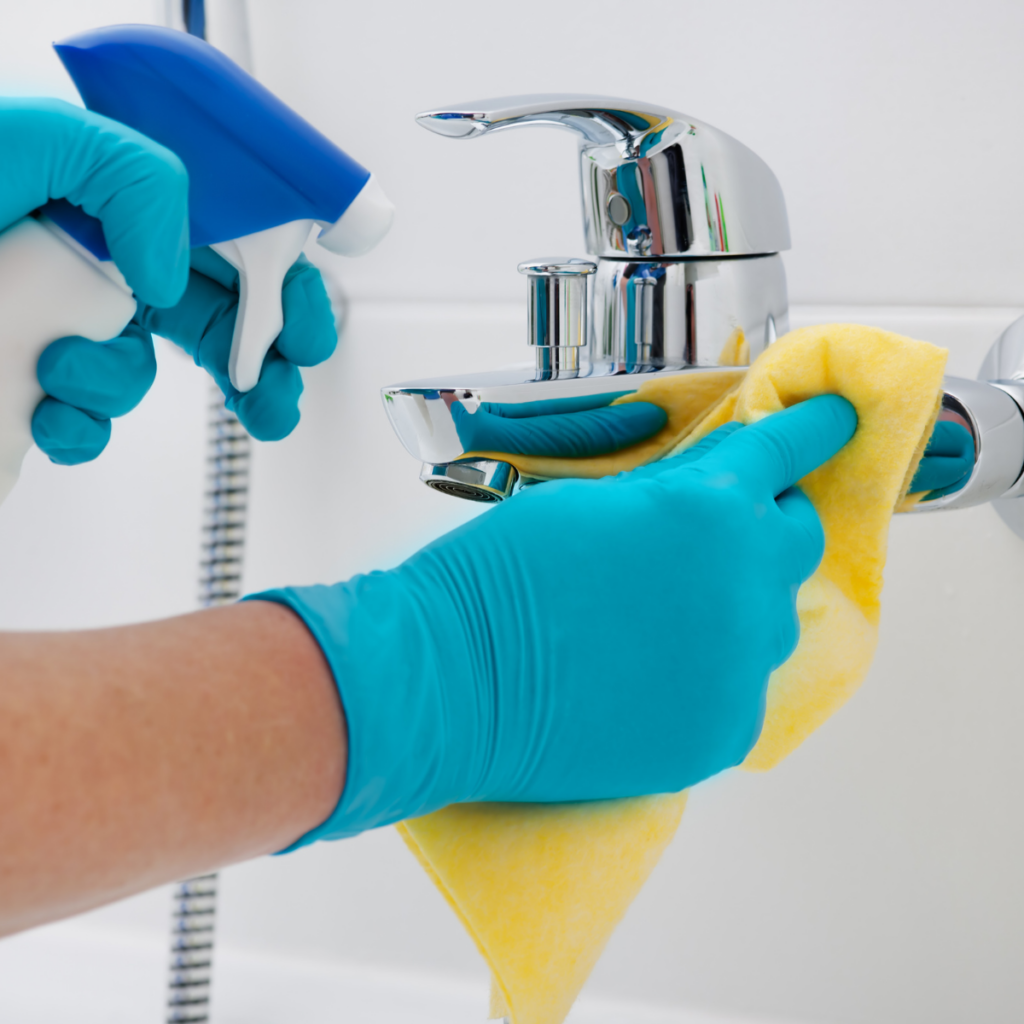
Non-Toxic Bathroom and Laundry Swaps-Rethink Your Shower and Bathroom Cleaning Routine
A fresh, clean bathroom doesn’t require a cabinet full of products. A simple routine, reusable tools, and suitable cleaners can handle many everyday messes.
Try Refillable Bathroom Cleaning Products
Instead of purchasing a new plastic bottle each time you run out of cleaner, consider a refillable spray bottle and a concentrated or tablet-based cleaner.
Refillable bathroom cleaning products can help reduce packaging waste. Look for products that disclose their ingredients and explain which surfaces they are designed to clean.
Microfiber may feel convenient, but it’s still a synthetic material made from petroleum‑based plastics like polyester and nylon. While reusable, it sheds microplastics every time it’s washed and isn’t biodegradable, meaning it lingers in the environment long after its useful life. For a truly non‑toxic, eco‑friendly home, natural fibers like cotton, linen, bamboo, or loofah are far better choices.
For an even simpler approach, use washable cloths and a dedicated scrub brush rather than disposable cleaning wipes.
- Wooden cleaning brushes with natural bristles offer a durable alternative to frequently replaced plastic brushes.
- A reusable glass spray bottle gives you a container you can refill instead of throwing it away.
For hard-water spots, select a cleaner appropriate for the surface. Never use acidic cleaners such as vinegar on natural stone, and never mix cleaning products, particularly bleach with vinegar or ammonia.
These simple changes make non-toxic bathroom and laundry routines easier to maintain while helping you cut down on unnecessary waste.
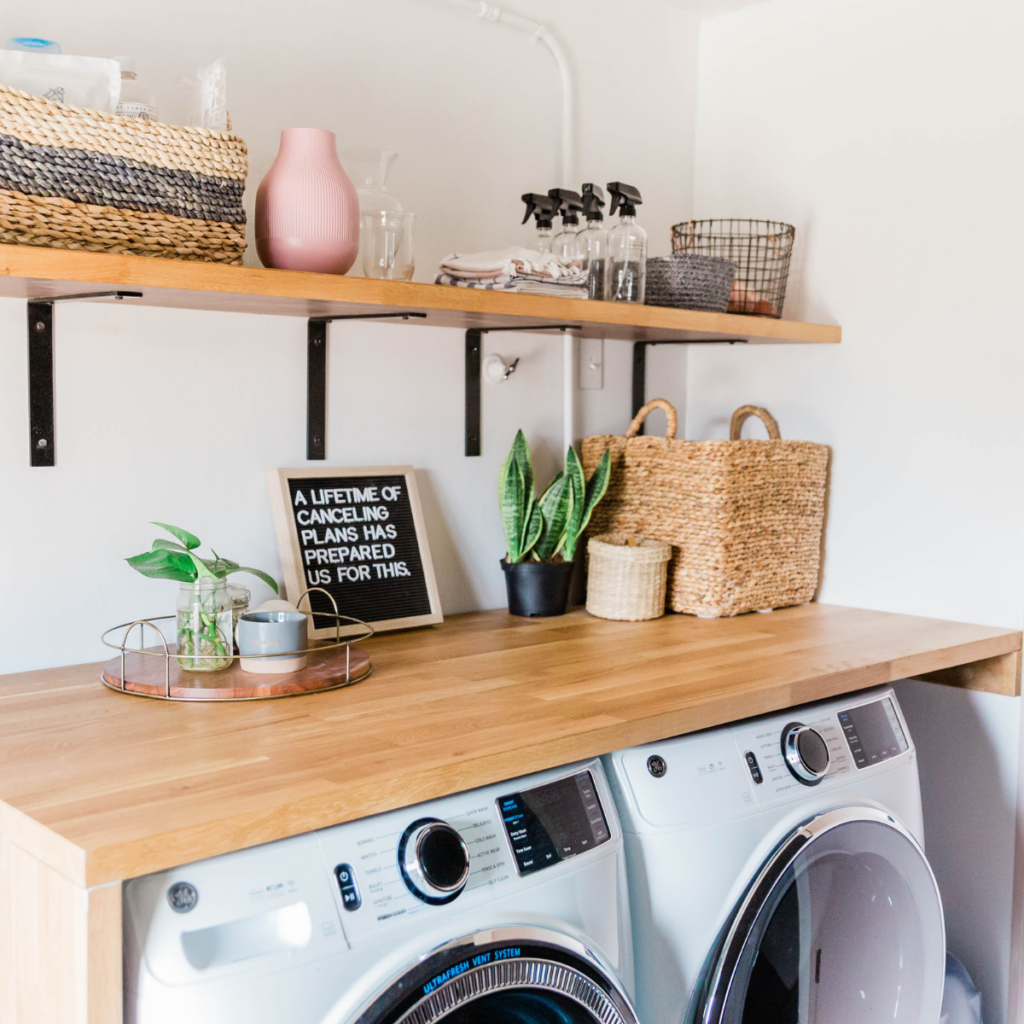
Non-Toxic Bathroom and Laundry Swaps-Make the Switch to More Sustainable Laundry Products
Laundry is one of those chores that never seems to stay finished for long, especially in a busy household. Between everyday clothing, towels, bedding, gardening clothes, and muddy shoes, there’s always another load waiting.
The good news is that a few thoughtful changes can make laundry day more environmentally conscious without adding extra work.
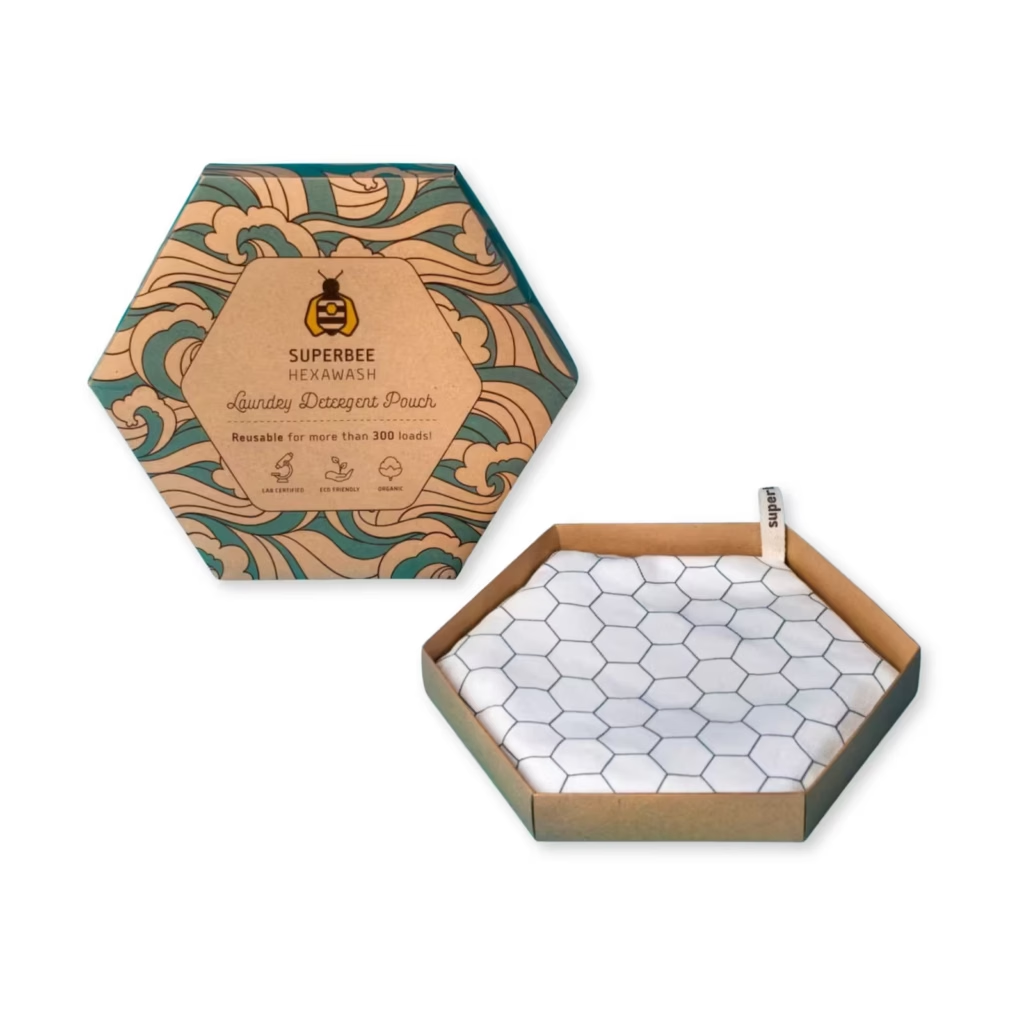
Try SuperBee Hexawash for a Different Approach to Laundry
If you’re interested in simplifying your laundry routine, take a look at SuperBee Hexawash.
Hexawash is an alternative to regular laundry detergent. It may be a good choice if you want to reduce waste. Read the instructions to see if it works for your laundry needs.
For muddy farm clothes, gardening gear, dirty towels, or tough stains, you may still need detergent or a stain remover. Choose the best option for each load to get your clothes clean.
Make Your Own Laundry Detergent or Choose Laundry Detergent With Transparent Ingredients
Making your own laundry detergent is one of the simplest, most empowering swaps you can make—saving money, cutting out harsh chemicals, and giving you full control over what touches your family’s clothes. If DIY isn’t your style, you can still make a healthier choice by shopping for detergents that clearly list their ingredients and offer straightforward, transparent directions.
Here are a few options worth exploring:
- Seventh Generation Free & Clear laundry detergent for a fragrance-free option.
- Molly’s Suds laundry powder for households interested in powder detergent.
- Meliora unscented laundry powder for an option with a focus on simpler ingredients and reduced packaging.
Compare the full ingredient list, packaging, cost per load, and washing performance before deciding which is right for your family. Fragrance-free doesn’t automatically mean allergy-proof, so check for ingredients you know you need to avoid.
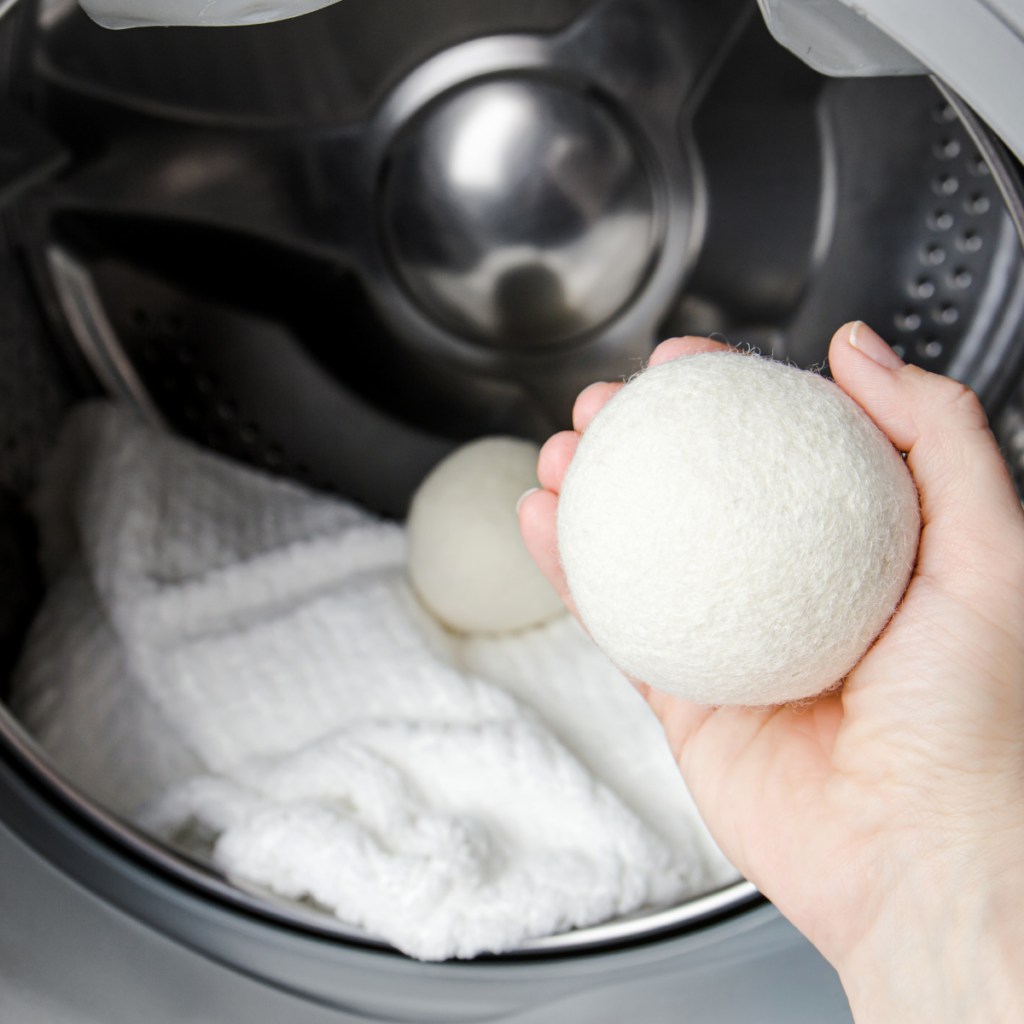
Replace Disposable Dryer Sheets With Wool Dryer Balls
Conventional dryer sheets are designed for single use. Reusable wool dryer balls offer a straightforward alternative that can help separate laundry as it tumbles, reduce static in some loads, and potentially shorten drying time.
Consider reusable wool dryer balls as an alternative to disposable dryer sheets.
They are easy to use: simply place the recommended number of balls in the dryer with your laundry and reuse them for subsequent loads. Results vary with load size, fabric type, and dryer settings.
For families who prefer fragrance-free laundry, wool dryer balls also let you skip the added scent that often comes with dryer sheets. Avoid adding essential oils if you are trying to minimize fragrance exposure, particularly when washing clothing for people with sensitive skin.
Rethink Fabric Softener
Liquid fabric softener is another product you may not need for every load. Wool dryer balls, appropriate drying settings, and avoiding overloading the dryer can help keep clothes comfortable without relying on conventional fabric softeners.
If you decide to use a laundry additive, choose one compatible with your fabrics and washing machine. Don’t assume that vinegar is a universal replacement for fabric softener; repeated use may affect some appliance components or materials.
A few practical adjustments can help make non-toxic bathroom and laundry choices more manageable, especially when you focus on products you use most often.
Use More Eco-Friendly Laundry Accessories
You don’t have to stop with detergent. Laundry accessories can also help reduce waste and protect clothing.
Wash Delicates in Reusable Laundry Bags
Synthetic clothing can release tiny fibers during washing. A specially designed laundry bag may help capture some fibers from suitable garments, although it won’t eliminate microfiber pollution.
Explore Guppyfriend washing bags for an option designed to help reduce fiber release from synthetic textiles.
These bags are particularly useful for items such as activewear and synthetic sweaters. Follow the manufacturer’s directions and dispose of captured fibers in the trash rather than rinsing them down the drain.
Use Oxygen-Based Stain Removers When Appropriate
Instead of immediately reaching for a heavily scented stain spray, consider an oxygen-based laundry stain remover suitable for the fabric and stain.
Oxygen-based laundry stain removers can be useful for many washable fabrics. Always check the care label, test an inconspicuous area first, and follow the manufacturer’s directions.
For everyday spots, treating stains promptly with a small amount of suitable detergent may be all you need.
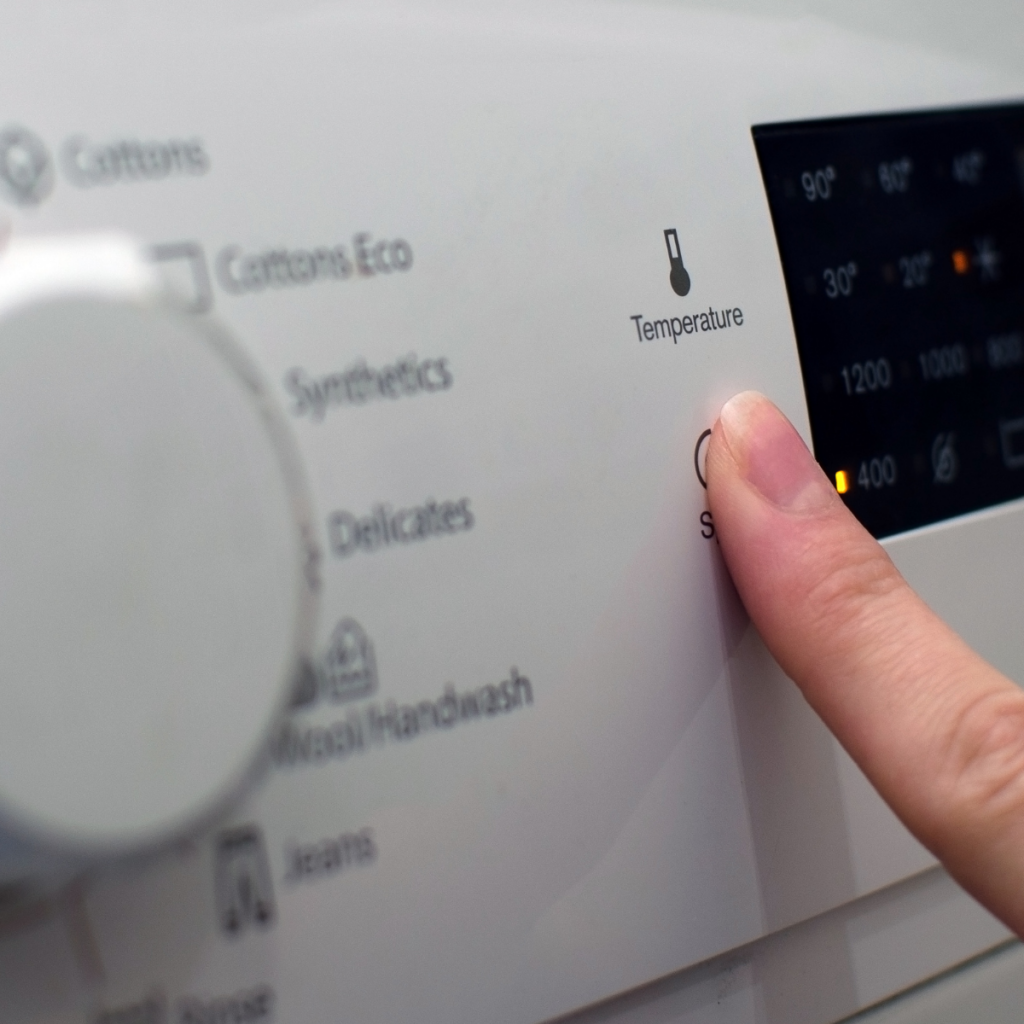
Make the Most of Cold-Water Washing
One easy way to make laundry day greener is to wash clothes in cold water. You don’t need to buy anything new! Cold water uses less energy because it doesn’t need to be heated. Many detergents work well in cold water, too. For very dirty clothes or certain items, warm or hot water may work better. Always check clothing labels and detergent instructions before washing.
Non-Toxic Bathroom and Laundry Swaps-Reduce Plastic Waste Around the Bathroom Sink
The bathroom sink is another area where small changes can add up. Rather than replacing everything at once, start with the items you reach for every morning and evening.
Try Bar Soap and Shampoo Bars
Solid personal care products can reduce the need for plastic bottles, especially when purchased with minimal packaging.
Explore these options:
- Plant-based bar soap for everyday handwashing and bathing.
- Shampoo bars for a concentrated alternative to bottled shampoo.
- Conditioner bars to pair with your preferred shampoo bar.
Not every bar works equally well for every hair type or water condition. If you live somewhere with hard water, it can contribute to mineral buildup, so experiment with products suited to your hair and rinse thoroughly.
Store bars where they can drain and dry between uses to help them last longer.
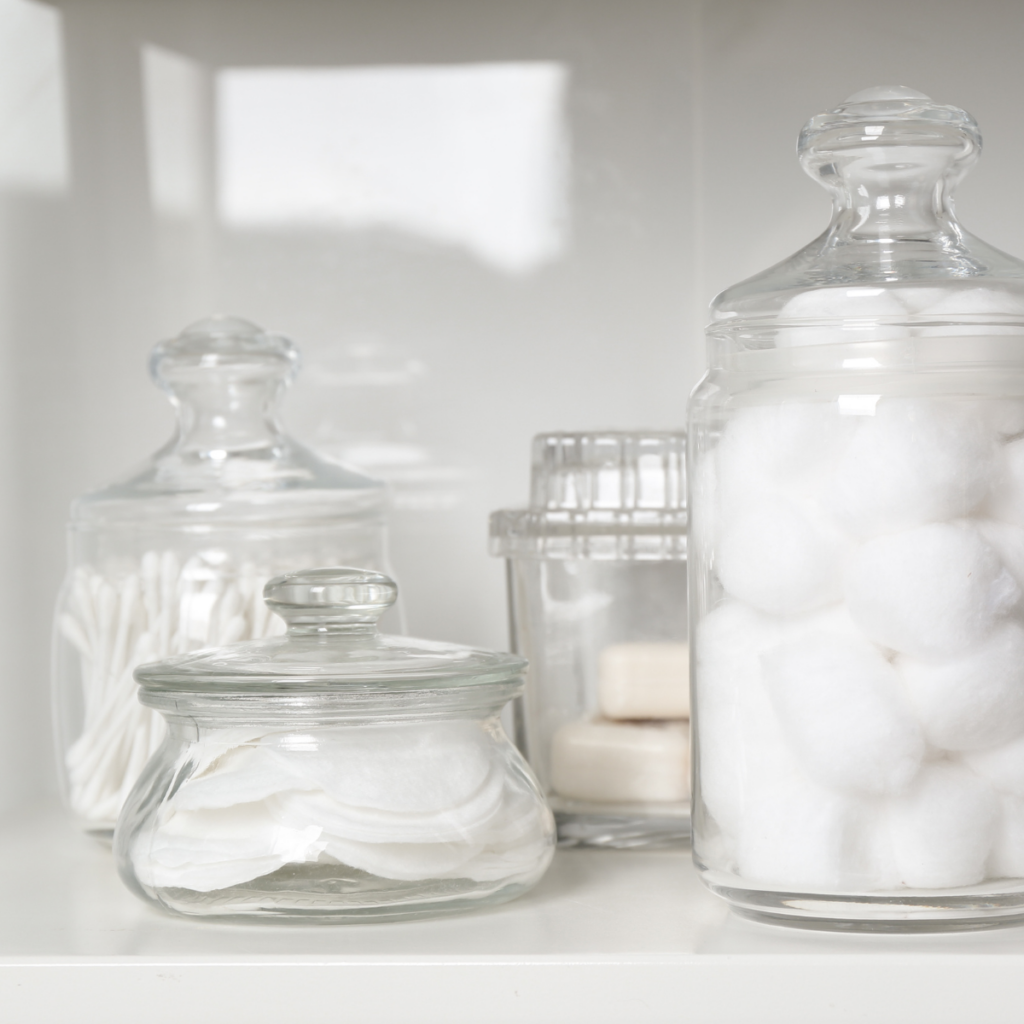
Choose Better Bathroom Storage
Bathroom organization can be eco-friendly, too. Reusing jars or containers you already own is often the most affordable starting point.
If you need additional storage, consider glass bathroom storage jars for cotton rounds, hair accessories, or other small essentials.
Keep products in their original packaging when safety information and ingredient labels are important, and always store cleaning supplies separately from personal care products.
Create a Simple Non-Toxic Bathroom and Laundry Plan
The easiest changes are the ones you can stick with. You don’t need a perfect home or a completely new shopping list to begin making better choices.
Here is a simple plan for getting started.
Week 1: Review your bathroom products. Look at the labels on your hand soap, bath products, and cleaners. Choose one item to replace when it runs out.
Week 2: Simplify laundry day. Compare your current detergent with a fragrance-free or lower-waste alternative. Check whether you can stop using dryer sheets or reduce fabric softener.
Week 3: Replace disposable accessories. Try reusable cloths, cotton rounds, or wool dryer balls. Use what you already have before buying more.
Week 4: Reduce packaging. Explore refillable cleaners, solid personal care products, or concentrated laundry products. Compare the packaging and cost per use rather than judging by the price on the shelf alone.
Keep a short list of what works for your household. If a product doesn’t clean effectively, irritates your skin, or creates more work than it saves, try another option.
The purpose of non-toxic bathroom and laundry changes is to make your home work better for you—not to add stress to your daily routine.

Non-Toxic Bathroom and Laundry Swaps Frequently Asked Questions
What are the easiest non-toxic bathroom and laundry swaps to make first?
Start with products you use frequently, such as laundry detergent, hand soap, bathroom cleaner, and dryer sheets. Choose options with transparent ingredient lists, consider fragrance-free formulas if appropriate, and replace disposable items with reusable alternatives when practical.
Are natural cleaning products always safer?
No. Natural ingredients can still irritate or react dangerously when mixed with other products. Read labels, follow directions, ventilate the area as recommended, and store cleaners safely away from children and pets.
Is SuperBee Hexawash a replacement for regular laundry detergent?
It is marketed as an alternative laundry-washing product. Check the manufacturer’s current instructions and performance guidance to determine whether it suits your washing machine, water conditions, and typical laundry loads. Heavily soiled items may require additional cleaning.
How can I make my bathroom more eco-friendly on a budget?
Use up existing products before purchasing replacements, wash reusable cleaning cloths, choose durable accessories, and refill containers when practical. Buying fewer products and avoiding unnecessary disposable items can be more affordable than replacing everything with specialty alternatives.
Do I need to replace all my bathroom and laundry products at once?
Absolutely not. Replacing products as they run out is usually more practical and creates less waste than discarding usable supplies. Start with one or two changes that make sense for your household and build from there.
Final Thoughts: Small Changes Make a Difference
A healthier, more sustainable home is built through everyday habits, not perfection. Choosing a gentler bath product, switching to reusable cleaning cloths, trying an alternative laundry product, or reducing plastic packaging may seem like a small step, but these choices can become meaningful routines over time.
For The Oklahoma Homesteader, the heart of homesteading is making thoughtful decisions that support our homes, families, and communities. You don’t have to live on a farm or grow all your own food to embrace that mindset.
Start with the products you use most often, choose what works for your household, and make changes at a pace that feels realistic. With a few practical non-toxic bathroom and laundry swaps, you can work toward a cleaner, less wasteful routine—one load of laundry and one bathroom shelf at a time.
-
Non-Toxic Bedroom Swaps for a Healthier Home
Non-Toxic Bedroom Swaps to create a healthier sleep space with simple, practical changes anyone can make. Check out our list!
-
Homemade Electrolyte Drink: Easy Hydration Recipe
A homemade electrolyte drink gives you control over the ingredients, the flavor, and the sweetness, making it an easy alternative to store‑bought options when you need extra hydration. You can mix a small batch, adjust it to your taste, and keep it chilled in the refrigerator for busy days outside. It’s simple, customizable, and a practical recipe to have on hand whenever you want a clean, refreshing way to replace electrolytes
-
Fall & Thanksgiving Homestead Gift Guide
Celebrate the season with our Fall & Thanksgiving Homestead Gift Guide! Discover thoughtful gifts for gardeners, home cooks, and country living enthusiasts. From cozy fall clothing and kitchen essentials to garden supplies and sweet treats, these finds bring a little extra warmth to the season. Whether you’re shopping for Thanksgiving or getting a head start on holiday gifting, you’ll find practical gifts for a homegrown lifestyle.
-
Non-Toxic Kitchen Swaps for a Healthier Home
Non-Toxic Kitchen Swaps to create a healthier kitchen with simple product changes and practical cooking tips.
-
Homemade Dishwasher Powder: Easy DIY Detergent Recipe
Homemade Dishwasher Powder made with simple ingredients for an easy, affordable alternative to store-bought dishwasher detergent.
-
Fall Wax Melts Recipe with Essential Oils
These fall wax melts bring warm, cozy scents to your home with just a few basic ingredients. They’re easy to make, budget‑friendly, and perfect for anyone who loves natural, homemade products. The blend of cinnamon, clove, orange, and cedarwood creates a comforting autumn aroma that feels right at home in any farmhouse kitchen. Make a batch for your own warmer or package them as sweet seasonal gifts.