Edible Landscaping: Grow a Beautiful Yard You Can Eat
Edible landscaping combines food-producing plants with the design of a traditional landscape. Start with one sunny bed or container, choose crops you will actually eat, and plan their mature size, watering, and harvest access before planting. Herbs, colorful greens, fruiting shrubs, and suitable edible flowers can add both food and visual interest.
Whether you’re in the suburbs, countryside, or even an urban neighborhood, edible landscaping is a sustainable and rewarding way to garden.

What Is Edible Landscaping?
Edible landscaping is the practice of replacing traditional ornamental plants with ones that produce food. Think blueberry bushes instead of boxwoods, kale in place of hostas, or a row of colorful Swiss chard lining your walkway.
It doesn’t mean you have to sacrifice curb appeal—quite the opposite. For example, many edible plants offer stunning colors, textures, and seasonal interest.
Plan Your First Edible Landscape Bed
- Observe the site. First, record where sunlight falls, how water drains after rain, and whether a hose reaches the bed. OSU recommends a sunny, well-drained vegetable-growing site near water in its Oklahoma Garden Planning Guide.
- Test before amending. Next, use a soil test to guide nutrient and pH decisions. OSU explains soil testing for vegetable crops; a decorative flower bed may have different needs from a food garden.
- Sketch mature plant sizes. Then, place taller plants where they will not shade smaller sun-loving crops. Also, leave a path so you can harvest without stepping into the bed. Keep spreading plants contained and thorny plants away from busy walkways.
- Choose a manageable first planting. For example, try a container herb near the kitchen and a short seasonal border of leafy vegetables. This is a starting layout to adapt, not a tested planting combination or a promise that every plant suits every Oklahoma yard.
- Plan beyond harvest. Finally, decide what replaces annual crops and how you will handle watering, pruning, and surplus food. Our vegetable watering guide and food preservation hub cover the next steps.
Oklahoma plant-selection note: Blueberries are not a simple swap for any shrub. They need acidic soil and suitable drainage. Consult OSU’s home blueberry guide before buying, and choose all perennial plants for your location and site. Only eat plants you can identify confidently as edible, and check treatment labels before using ornamental plants for food.
Benefits of Edible Landscaping
- Double duty: Your plants are both decorative and functional.
- Save money: Grocery prices keep climbing. Growing your own food—even just herbs and greens—can help you cut costs.
- Better health: Growing food at home gives you control over what you plant and how you care for it.
- Pollinator-friendly: Many edible landscaping plants attract bees, butterflies, and other beneficial insects.
- Less waste: You’re using your space more efficiently and sustainably.
Edible Plants That Look Great in the Landscape


Shrubs and Bushes
Blueberries – Glossy green leaves, white flowers in spring, and deep red foliage in fall.
Raspberries or Blackberries – Great for a natural fence or border (just be mindful of thorns).
Currants and Gooseberries – Unique and ornamental with tasty fruit.


Perennial Herbs and Edibles
Rosemary – Woody, fragrant, and great as a low hedge.
Lavender – Edible flowers with a calming aroma and purple blooms.
Thyme and Oregano – Low-growing herbs for sunny, well-drained edges; keep harvest plants out of regularly walked areas.


Vegetables with Visual Appeal for Edible Landscaping
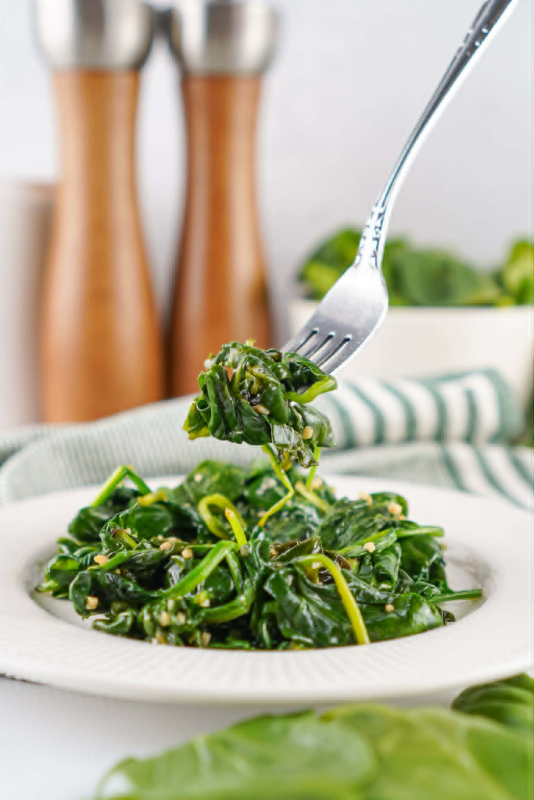
Rainbow Swiss Chard – Bright stems and leafy greens.
Lettuce and Kale – Ruffled textures and varying shades of green and purple.
Artichokes – Bold, architectural, and eye-catching.


Edible Flowers
Nasturtiums – Peppery taste, trailing vines, and colorful blooms.
Calendula – Golden petals that can be used in teas and salves.
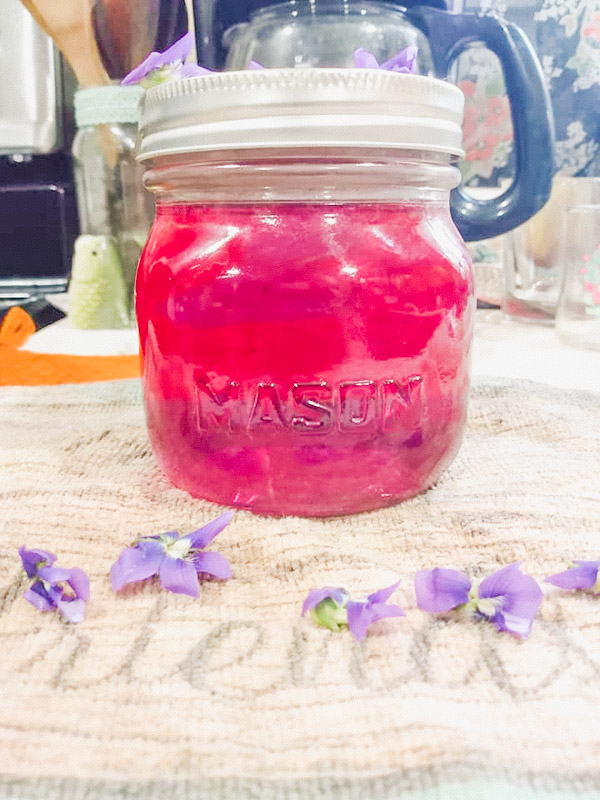
Pansies and Violas – Delicate and perfect for salads or garnishes.


Trees and Vines for Edible Landscaping
Dwarf Apple or Peach Trees – Perfect for smaller spaces and still offer a bounty.
Grapevines – Beautiful on a trellis or pergola.
Fig Trees – Lush foliage and sweet, exotic fruit.
Tips for Getting Started on Your Edible Landscaping Journey

Start small
You don’t need to overhaul your entire yard to begin. For example, add a handful of edible plants to places you already tend: flower beds, porch planters, or even a single raised bed. Starting small helps you learn what grows well in your space without feeling like you’ve taken on a second job.

Mix it up
Edible landscaping shines when food plants blend seamlessly with ornamentals. For example, tuck herbs between perennials, edge walkways with lettuces, or pair berry bushes with flowering shrubs. This approach keeps your yard looking intentional and lush rather than like a traditional vegetable patch.
Focus on design
Think like a landscape designer. For example, use height variation to create structure, repeat colors for cohesion, and play with textures to keep things visually interesting. Many edibles—like rainbow chard, purple basil, or artichokes—are naturally beautiful and can serve as focal points.
Keep it manageable
Match each plant to your climate, soil, and available time. For example, some herbs and fruiting plants are perennial, but winter survival varies by cultivar and site. Leafy vegetables often need seasonal replanting, and fruit trees can require regular pruning and pest management. Start with a small planting you can water and harvest consistently.

Think about placement
Most edible plants thrive with 6–8 hours of sunlight, so observe your yard’s light patterns before planting. Therefore, reserve the sunniest spots for heavy producers like tomatoes, peppers, and fruiting shrubs. Shade-tolerant edibles—mint, chives, kale—can fill in the cooler corners.
My Favorite Heirloom Seeds
Please consider buying your heirloom seeds from Bear Mountain Seeds. Mr. & Mrs. Bear have a small family business with a safe seed pledge. Their prices are among some of the lowest that I’ve seen, compared to how many seeds per package you get. Also, Mr. Bear has recently had health problems. I’d love for you guys to love on this family and order your seeds through them.

Final Thoughts on Edible Landscaping
Edible landscaping is one of the most rewarding ways to create a yard that’s both beautiful and useful. Whether you’re aiming to cut your grocery bill, encourage your family to spend more time outside, or just enjoy the satisfaction of eating something you grew, this is a fun, practical way to make the most of your space. Why not start with a few herbs by the front porch or swap your boring bushes for berry plants? Your yard could be feeding your family before you know it.
Use your harvest in our homemade dry herb rub. Start with a planting that fits your space, then expand based on what grows well and what you enjoy eating.