How to Harvest Henbit and Herbal Tea Benefits Recipe
If you read my previous post on the Nutritional Benefits of Henbit, you already know this humble “weed” is anything but ordinary. Now let’s take it one step further and turn it into one of my favorite early-spring herbal preparations: henbit tea. Today we will be talking about Henbit Tea Benefits.
As an herbal gardener and apothecary homesteader, I love adding wild greens to my tea garden. Henbit fits beautifully into that space. It grows abundantly, spreads easily, and can even be cultivated in a container if you want to keep it contained. Since I do not use chemicals in my yard, I feel confident harvesting it fresh each spring.
Here’s exactly how to harvest henbit properly and turn it into a gentle, nourishing herbal tea.
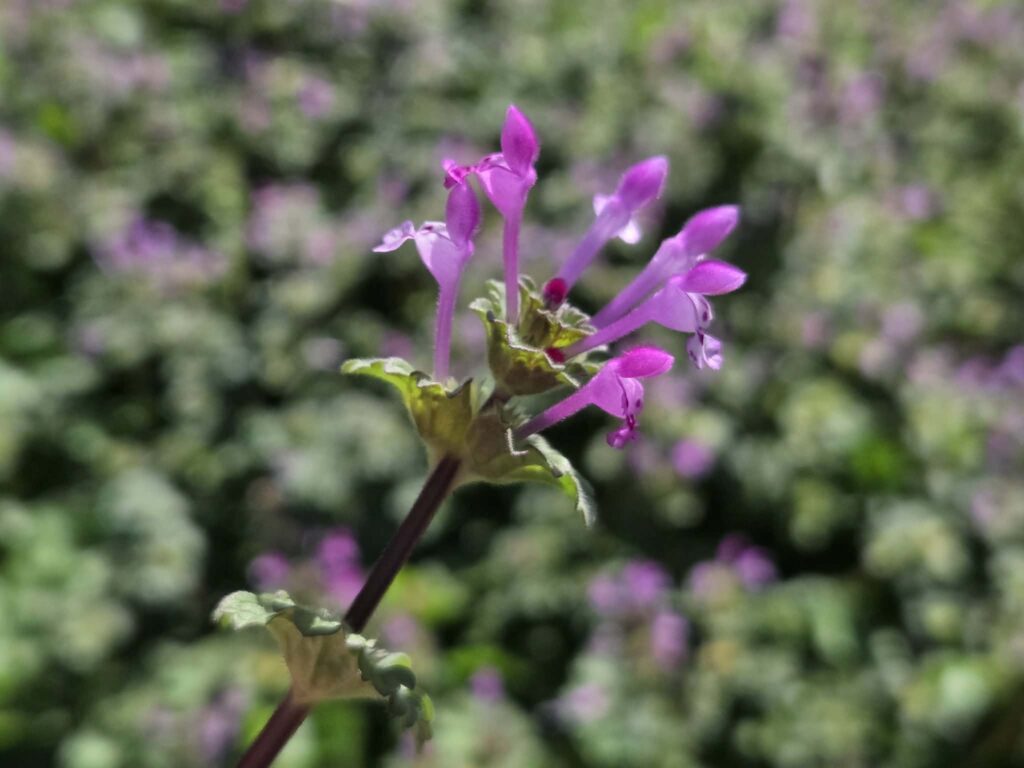
How to Safely Harvest Henbit
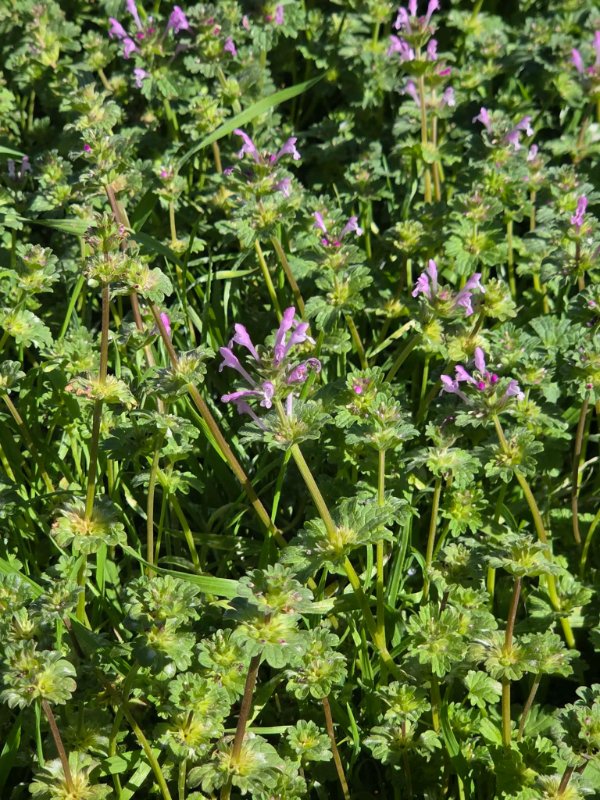
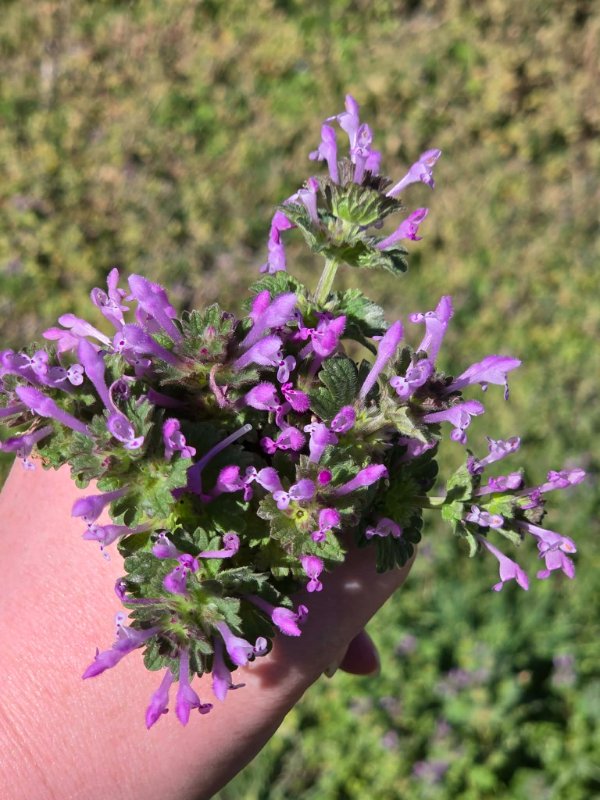
The best time to harvest henbit is early to mid-spring when the plant is tender and flowering. This is when the leaves and blooms are at their peak vitality.
Follow these steps:
- Positively identify the plant. Henbit has square stems, rounded, scalloped leaves that wrap directly around the stem, and pinkish-purple tubular flowers.
- Harvest from clean areas only. Avoid roadsides, sprayed lawns, or areas with pet traffic.
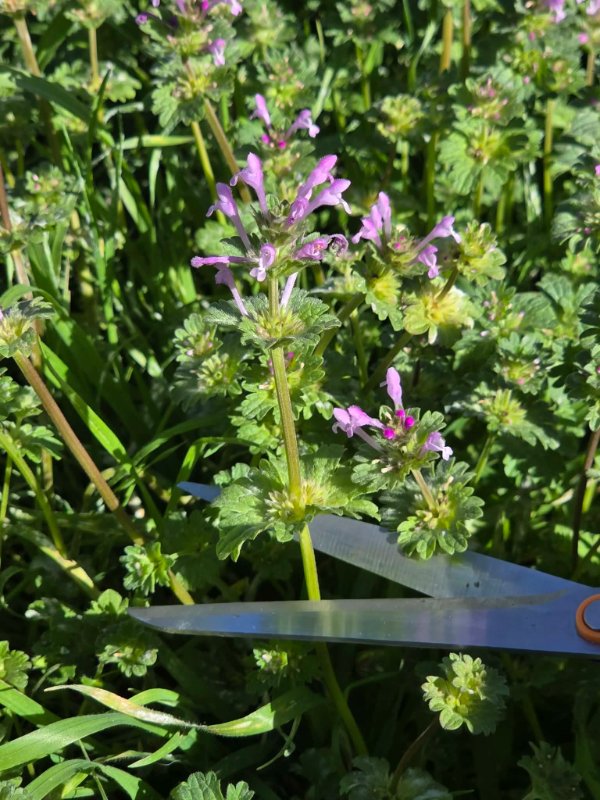
- Use clean scissors or garden snips.
- Cut the top 3–5 inches of the plant, including leaves and flowers.
- Leave the roots in place so the plant can continue growing.
Because henbit spreads aggressively, you do not need to worry about overharvesting from your own untreated yard. In fact, harvesting helps keep it under control.
If you prefer to grow it intentionally, you can transplant a small clump into a large pot. Keep it in part sun during early spring and allow it to reseed. Just be mindful — it spreads quickly.
Fresh vs. Dried Henbit for Tea
You can use henbit either fresh or dried.
For fresh tea:
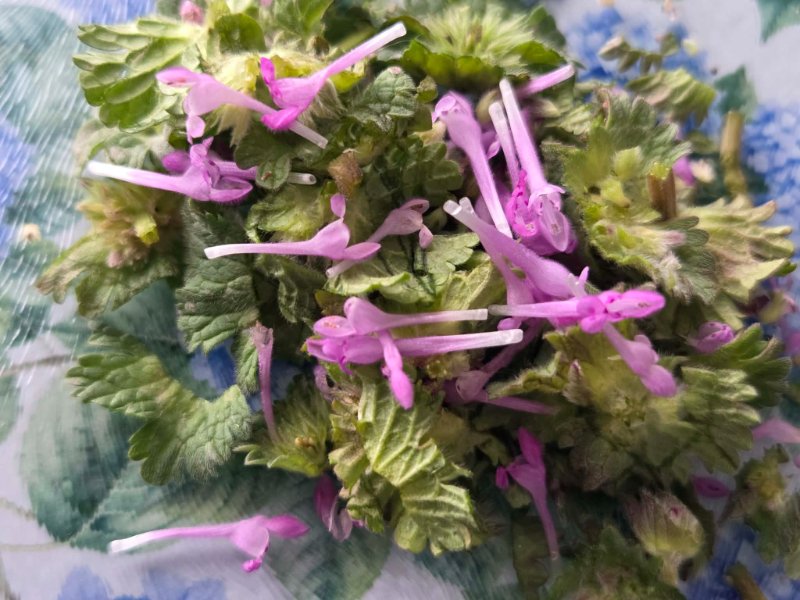
Use about 1 tablespoon of chopped fresh henbit per cup of hot water.
For dried tea:
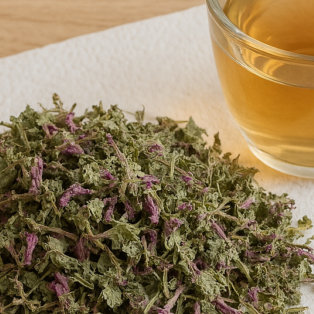
Dry the plant in a single layer on a screen in a well-ventilated space out of direct sunlight. Once crisp, store in a glass jar.
Use 1–2 teaspoons dried henbit per cup of hot water.
Both preparations offer gentle, nourishing support.
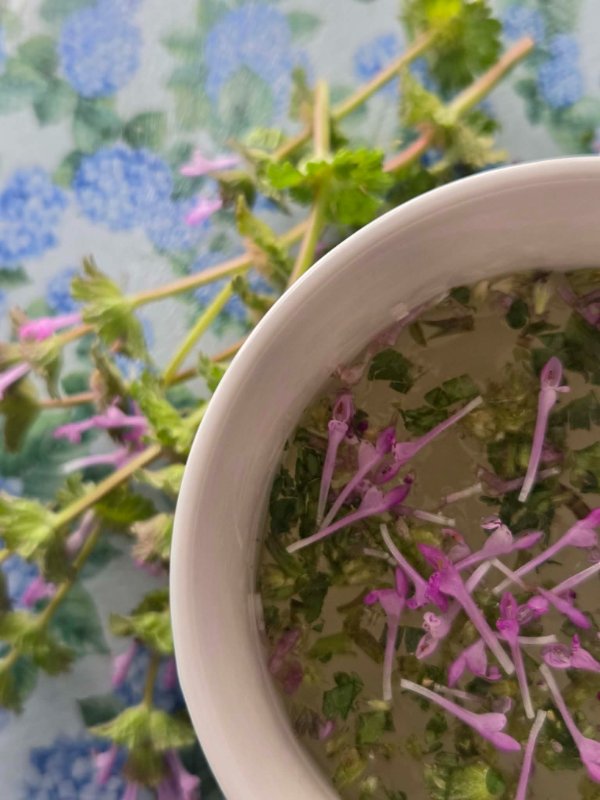
How to Make Henbit Tea
Making henbit tea is simple.
- Bring water to a boil.
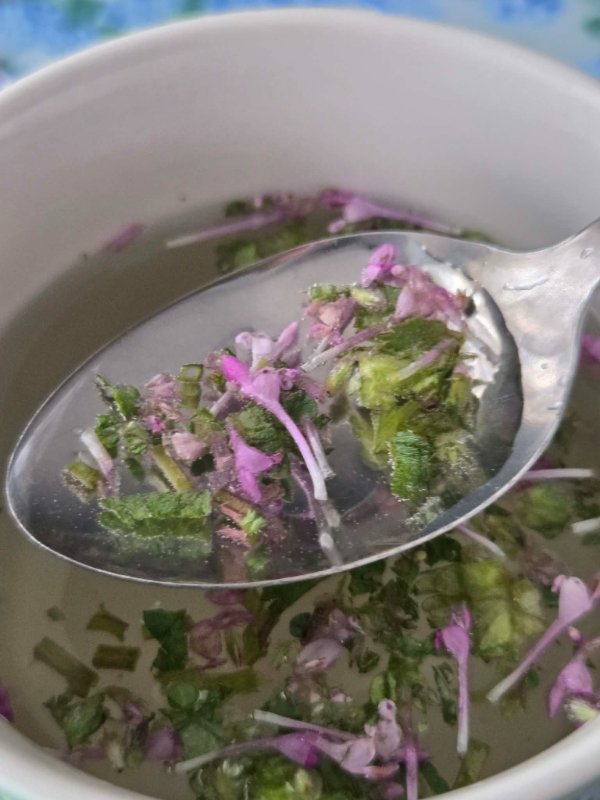
- Pour 1 cup of hot water over fresh or dried henbit.
- Cover and steep for 10–15 minutes.
- Strain and enjoy.
Covering the tea while steeping helps preserve beneficial volatile compounds.
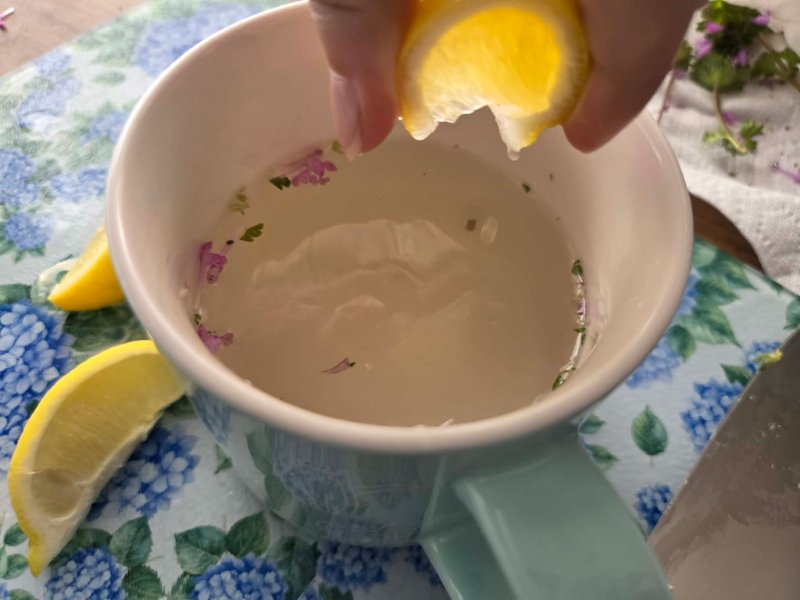
Tips for Henbit Tea Additions
Henbit has a mild, slightly earthy flavor. It is not bitter like many wild greens. Henbit tea has a mild, earthy flavor that pairs well with a variety of natural additions to enhance both taste and traditional benefits.
Common pairings include:
- Sweeteners & citrus: Honey, lemon, or stevia help brighten and balance its light green flavor. Lemon balm or mint can add a refreshing, herbal lift.
- Warming spices: Ginger, cinnamon, and clove bring warmth and depth, especially in soothing blends.
- Herbal blends: Dandelion, purple deadnettle, chamomile, and chickweed combine well with henbit for added nutrition and gentle wellness support.
Preparation tip:
Drying the leaves and flowers before brewing often improves flavor and texture. Steep for 10–15 minutes for a fuller, more balanced tea.
Note:
Always properly identify wild plants before use. Some individuals may have sensitivities, so use caution and consult a healthcare professional if needed, particularly if you are pregnant or nursing.
Henbit Tea Benefits
Henbit tea is best viewed as a nourishing herbal infusion rather than a strong medicinal decoction. Its benefits come from regular, gentle use.
Supports Seasonal Energy
Henbit contains iron and micronutrients that support oxygen transport and overall vitality. Many traditional herbalists used it in spring to help ease seasonal fatigue.
Provides Antioxidant Support
Henbit contains plant compounds such as flavonoids and phenolic acids that help neutralize free radicals and support cellular health.
Encourages Gentle Liver Support
Spring is traditionally associated with liver support in Western herbalism. Henbit provides vitamins and phytonutrients that assist the body’s natural detoxification pathways.
Supports Hormonal Balance
With its iron and vitamin K content, henbit tea can be a nourishing addition for women during reproductive years. While not a replacement for medical treatment, it can complement a whole-food lifestyle.
Calms Mild Inflammation
Plant compounds in the Lamium family have been traditionally used to soothe minor inflammation and support immune balance.
Adding Henbit to Your Tea Garden
In our previous post about creating a tea garden, we focused on intentional herbs like mint, chamomile, and lemon balm. Henbit can be a beautiful wild addition.
If you want to include it:
- Grow it in a dedicated container to prevent spreading.
- Allow it to flower for maximum vitality.
- Harvest regularly to encourage fresh growth.
- Let one plant go to seed for next year’s crop.
By welcoming henbit into your tea garden, you combine the wisdom of foraging with intentional cultivation.
Final Thoughts
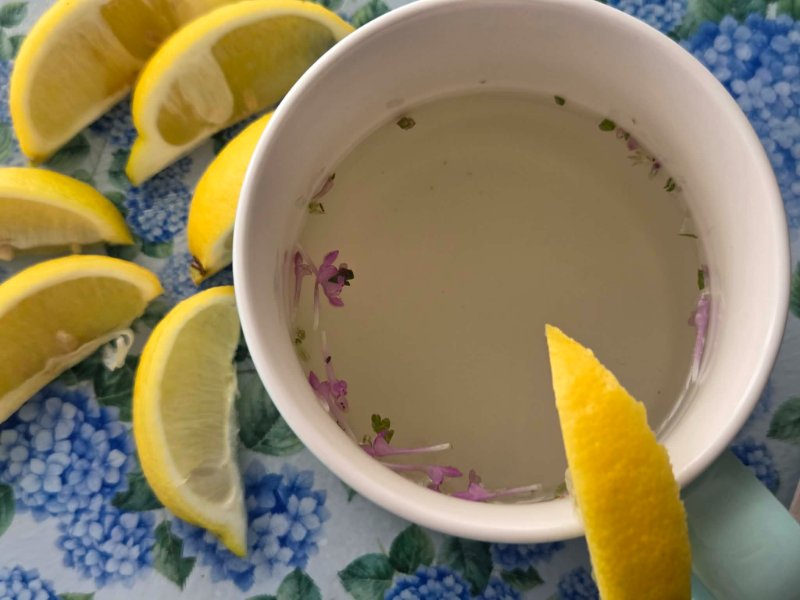
Henbit tea benefits go beyond simple hydration. This early spring green offers gentle nourishment, antioxidant support, and seasonal renewal in a simple cup of tea.
Sometimes the most powerful additions to our apothecary are already growing at our feet. Instead of fighting every “weed,” consider learning from it.
If you decide to try henbit tea, start slowly, observe how your body responds, and enjoy reconnecting with the rhythms of the season.
-
25 Must-Know Instant Pot Uses for Homesteaders (Part 4)
Discover more practical Instant Pot uses that can save time, reduce food waste, and make everyday cooking easier.
-
Homemade OxiClean Recipe: Easy DIY Stain Remover
Homemade OxiClean Recipe made with simple ingredients to help lift laundry stains and brighten clothes without the high cost.
-
Air Fryer Potato Chips: A Simple Snack
Air Fryer Potato Chips are a simple, crunchy snack made with just potatoes, salt, and a touch of oil. They cook fast, turn perfectly golden, and taste better than anything in a bag. Perfect for after‑school snacking or anytime you want something homemade and crisp.
-
How to Freeze-Dry Herbs in a Harvest Right Freeze Dryer
Learn how to freeze-dry fresh herbs to preserve your garden harvest and enjoy basil, rosemary, and dill year-round.
-
25 Must-Know Instant Pot Uses for Homesteaders (Part 3)
Discover more Must-Know Instant Pot Uses for your homestead kitchen, including homemade tomato sauce, whole grains, sweet potatoes, fresh corn, and pumpkin purée. Learn simple ways to save time, use seasonal produce, reduce food waste, and get more value from your Instant Pot.
-
25 Must-Know Instant Pot Uses for Homesteaders (Part 2)
Discover practical Instant Pot homestead uses that save time, reduce food waste, and simplify from-scratch cooking. From rendering tallow and making jam to proofing bread dough and cooking whole chickens, these creative ideas will help you get more value from one of the most versatile appliances in your kitchen.