How to Avoid Overwatering Houseplants
I didn’t grow up loving houseplants… my mom did.
She had them everywhere. Windowsills, shelves, corners of rooms—plants that somehow always looked alive and thriving, no matter what season it was. I didn’t fully appreciate that back then.
After she passed, everything changed.

At her funeral, instead of flowers, I asked people to bring houseplants. I did the same when we lost our son. Those plants became more than décor—they became something living to take care of, something that reminded me to keep going, to keep nurturing life even in hard seasons.
That’s really what homesteading is, even in the backyard… or inside your home.
If you’re just getting started, I want you to know this: houseplants are easier than you think—but they do require paying attention. And the biggest mistake most beginners make is overwatering plants.
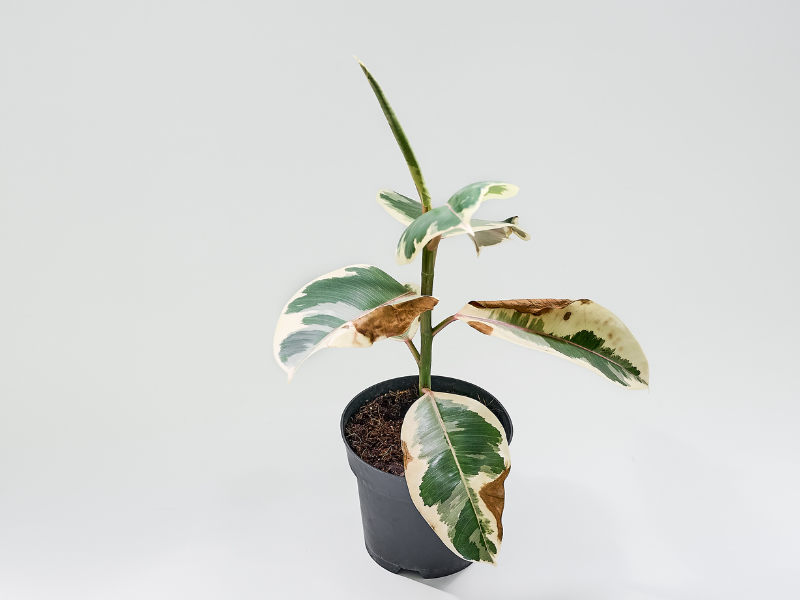
Why Overwatering Houseplants Is So Common
When you’re new, watering feels like the “right” thing to do.
You see a leaf droop, and you grab the watering can.
You want your plants to grow, so you water more.
More care equals more water.
But plants don’t work like that.
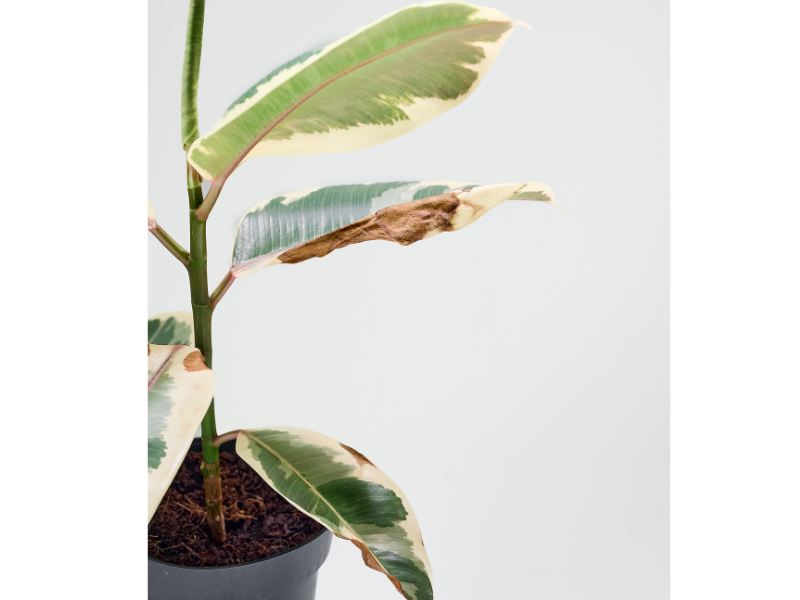
Overwatering doesn’t just mean too much water at once—it usually means watering too often and not letting the soil breathe.
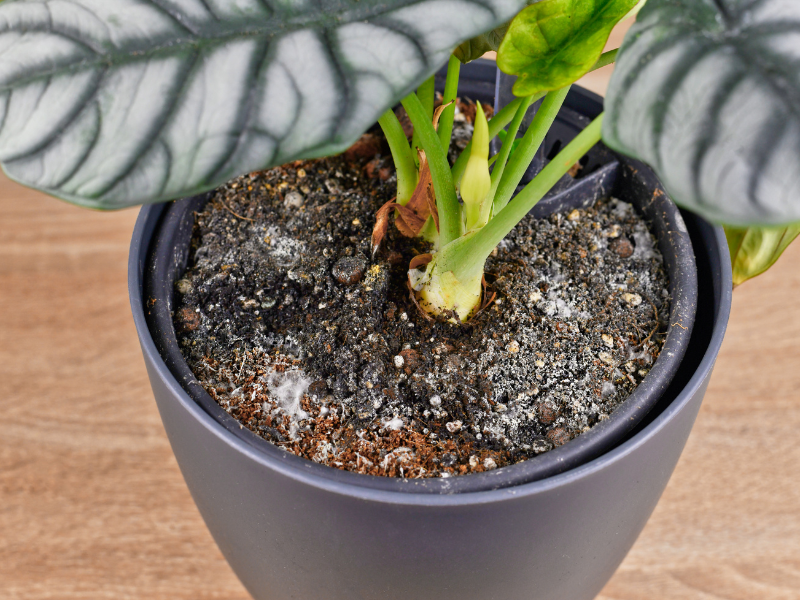
Signs You’re Overwatering Your Houseplants
Before we fix it, let’s make sure you know what it looks like.
- Yellow leaves that feel soft
- Drooping even though the soil is wet
- Mushy stems near the base
- Mold or fungus on top of the soil
- A sour or musty smell
If you’ve done this before, you’re not alone. I’ve loved a lot of plants a little too hard.
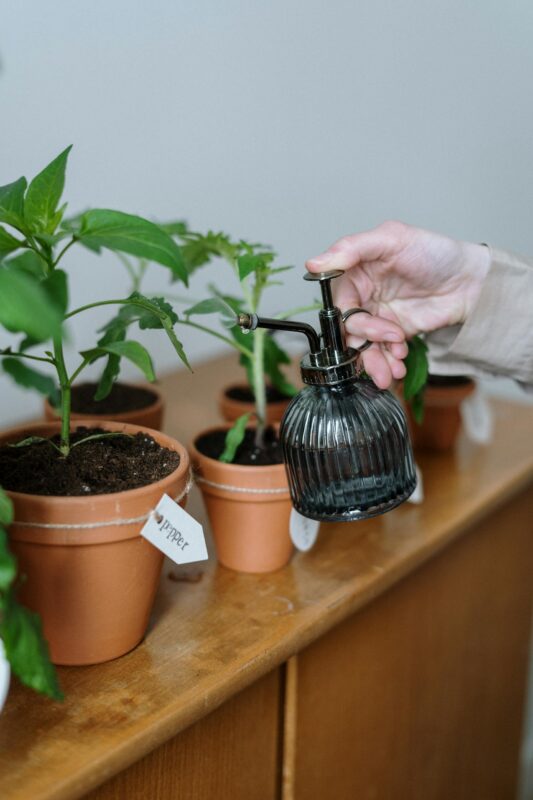
How to Care for Houseplants Without Overwatering
This is where things get simple—and where confidence starts to build.
Check the Soil, Not the Calendar
This is the biggest shift.
Stick your finger into the soil about 1–2 inches deep.
- Dry? Go ahead and water
- Still damp? Wait
Forget watering schedules. Your plant will tell you what it needs.
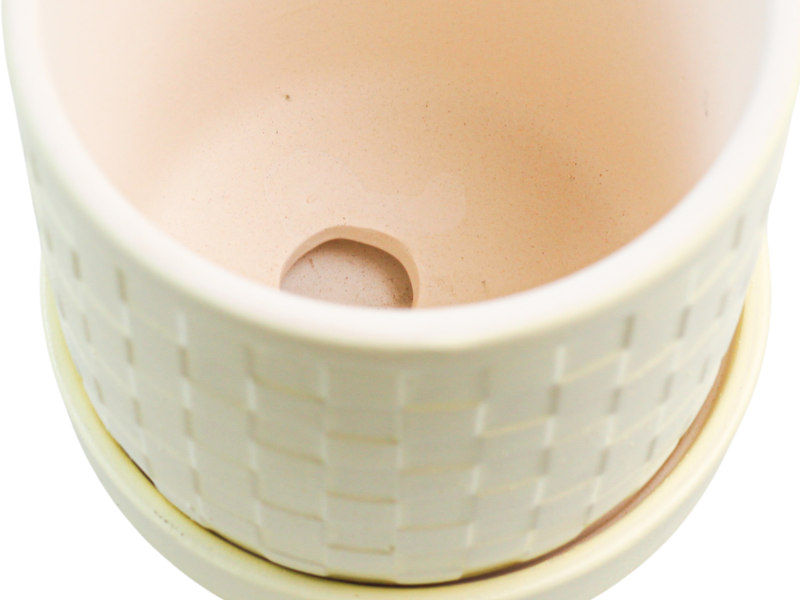
Use the Right Pot (This Matters More Than You Think)
Every plant you own should have drainage.
If water can’t escape, roots sit in moisture and start to rot.
If you love decorative pots (I do too), just keep your plant in a plastic nursery pot inside and remove it when watering.
Water Deeply, Then Let It Rest
When you water:
- Water until it runs out the bottom
- Let it fully drain
- Don’t let it sit in standing water
Then leave it alone until the soil dries again.
This is where a lot of beginners struggle—learning when not to do something.

Light Matters More Than Water
A lot of watering issues are actually light issues.
If a plant isn’t getting enough light, it can’t use the water you’re giving it.
For beginners:
- Bright indirect light is your safest bet
- South and west windows = stronger light
- North windows = lower light
If your plant is struggling, check the light before adjusting watering.
Other Beginner Houseplant Tips You Need to Know
Once you get watering right, these are the next pieces of the puzzle.
Feeding Your Plants
Plants in pots don’t have access to nutrients like garden plants do.
Feed them during the growing season (spring and summer) with:
- A gentle organic liquid fertilizer
- Compost tea if you make your own
Daniel is the master gardener in our house, and we use compost in everything we can—indoors included.
Natural Pest Control
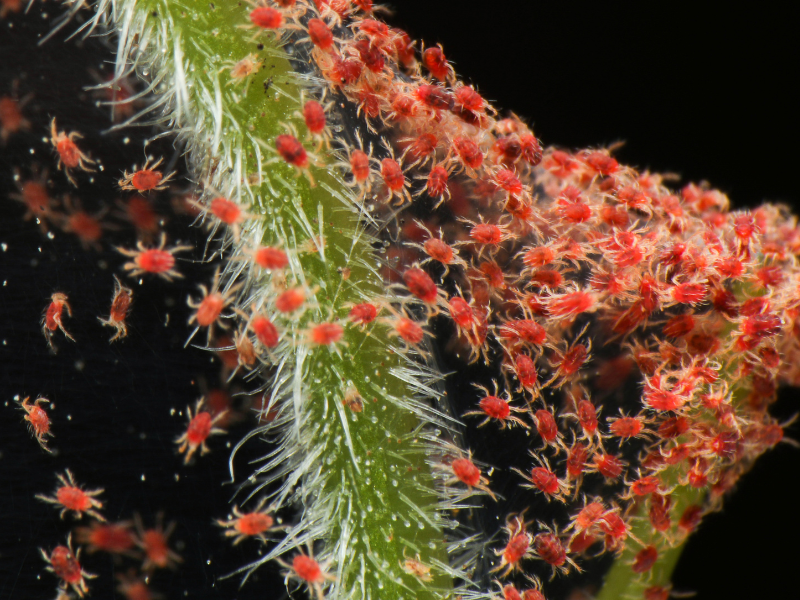
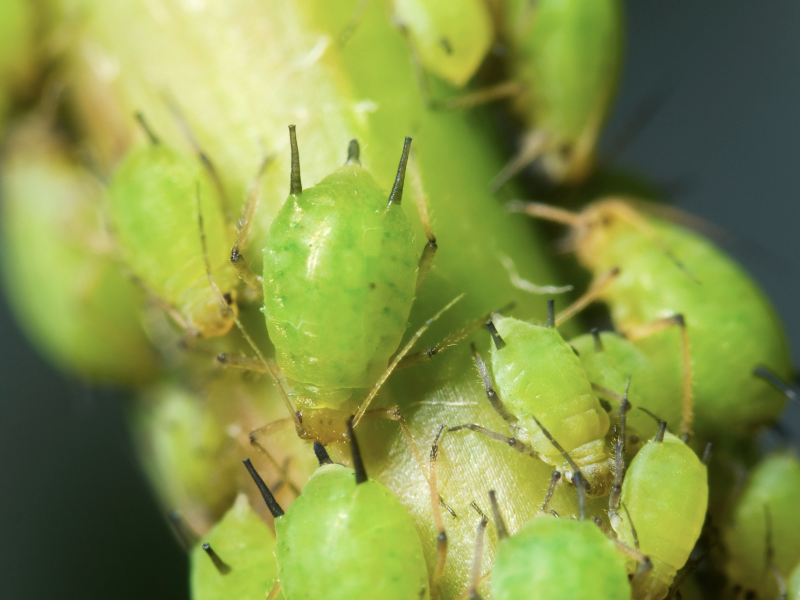
Even indoor plants can get pests.
Common ones:
- Fungus gnats
- Spider mites
- Aphids
Simple natural solutions:
- Let the soil dry out more between watering (huge for gnats)
- Spray with diluted neem oil
- Wipe leaves with a damp cloth
Just like in our raised beds, we try to keep everything as natural as possible.
Pet-Friendly Plants



With three dogs running around, this matters in our home. Some plants are toxic to pets, so always check before bringing something home.
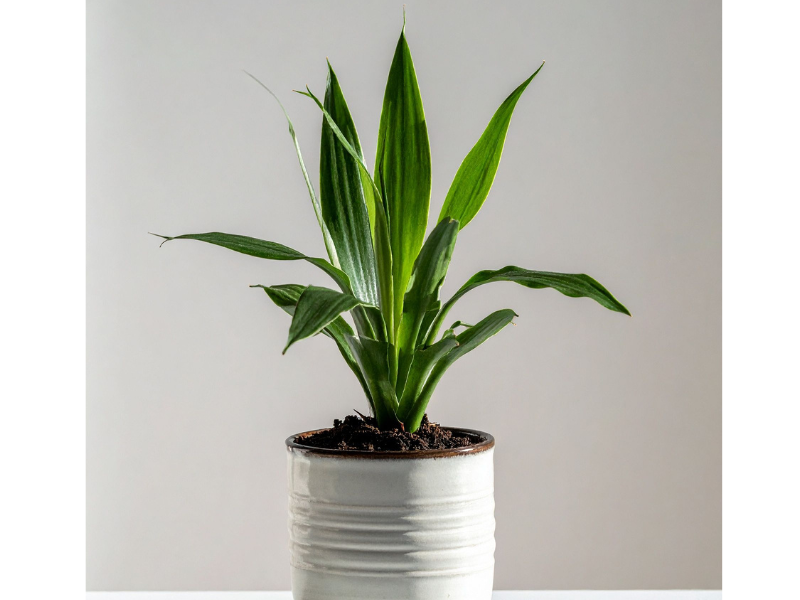
Safe beginner options:
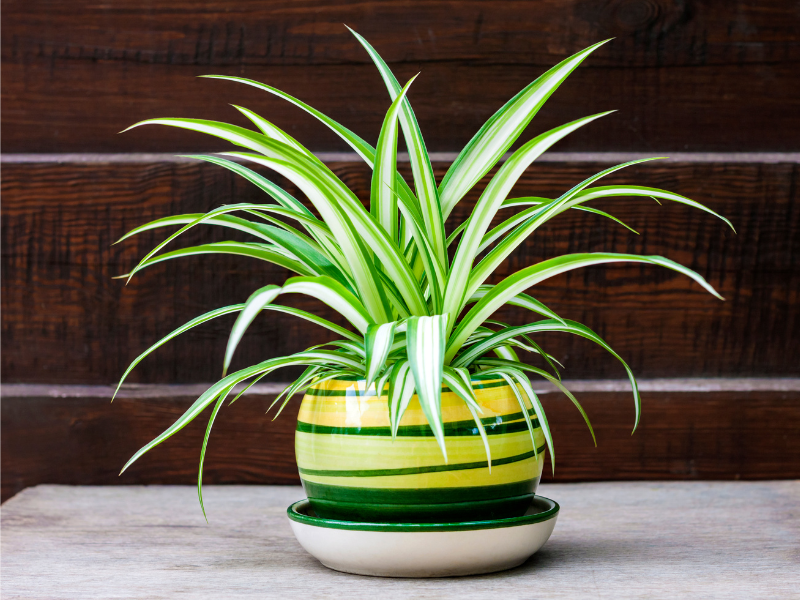
- Spider plant
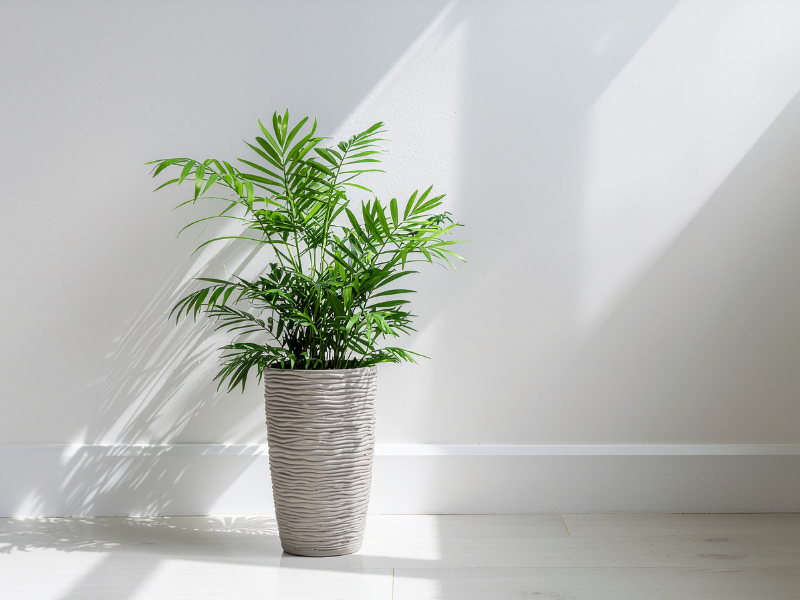
- Parlor Palm
- Cast Iron Plant
When in doubt, keep plants up high or out of reach.
Houseplants and Homesteading
If you’re a beginner homesteader, houseplants are a great place to start.
You don’t need land.
You don’t need perfect conditions.
Just have a willingness to learn.
For us, homesteading started small—containers, raised beds, compost piles, learning as we go. Our Vego beds came later. So did better systems.
Houseplants are the same way.
They teach you:
- Patience
- Observation
- Consistency
And maybe most importantly… they teach you how to care for something living again.
Overwatering Houseplants: Final Thoughts
Learning how to care for houseplants without overwatering is really about learning to slow down and pay attention.
You don’t need to be perfect.
You don’t need to have a green thumb.
Just start.
And if your first plant doesn’t make it? That’s okay too. Every homesteader—backyard or otherwise—has learned through trial and error.
Sometimes the smallest steps, like keeping a plant alive on your windowsill, are the ones that lead to something much bigger.
-
Fall & Thanksgiving Homestead Gift Guide
Celebrate the season with our Fall & Thanksgiving Homestead Gift Guide! Discover thoughtful gifts for gardeners, home cooks, and country living enthusiasts. From cozy fall clothing and kitchen essentials to garden supplies and sweet treats, these finds bring a little extra warmth to the season. Whether you’re shopping for Thanksgiving or getting a head start on holiday gifting, you’ll find practical gifts for a homegrown lifestyle.
-
Non-Toxic Kitchen Swaps for a Healthier Home
Non-Toxic Kitchen Swaps to create a healthier kitchen with simple product changes and practical cooking tips.
-
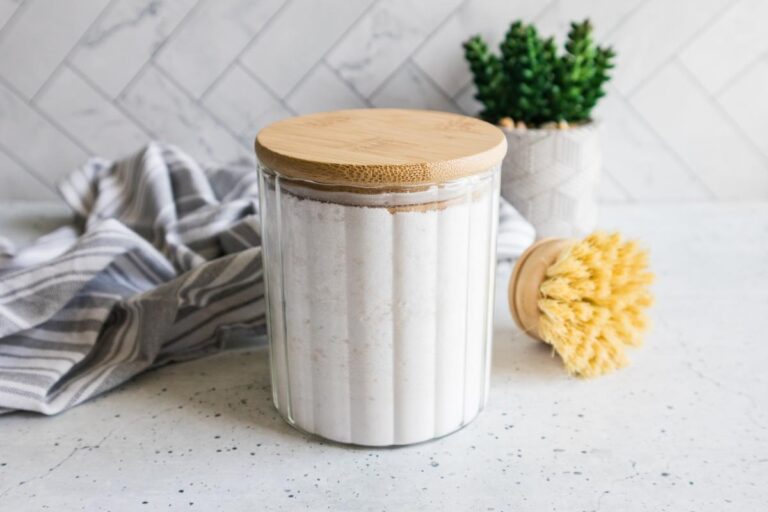
Homemade Dishwasher Powder: Easy DIY Detergent Recipe
Homemade Dishwasher Powder made with simple ingredients for an easy, affordable alternative to store-bought dishwasher detergent.
-
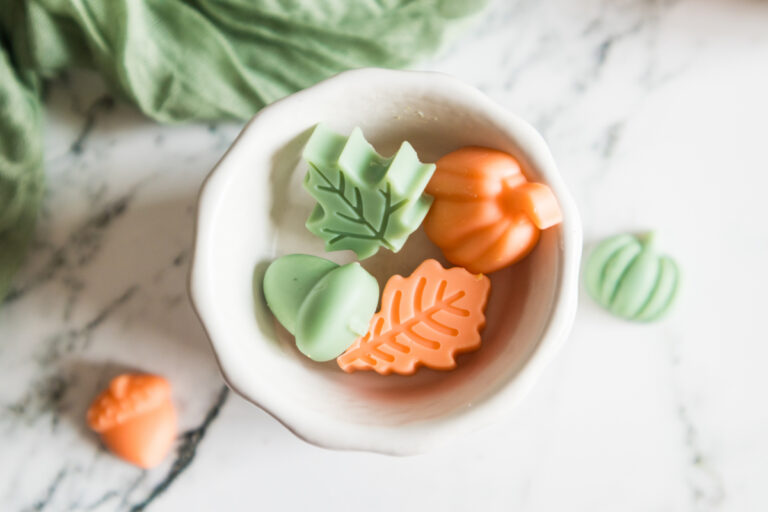
Fall Wax Melts Recipe with Essential Oils
These fall wax melts bring warm, cozy scents to your home with just a few basic ingredients. They’re easy to make, budget‑friendly, and perfect for anyone who loves natural, homemade products. The blend of cinnamon, clove, orange, and cedarwood creates a comforting autumn aroma that feels right at home in any farmhouse kitchen. Make a batch for your own warmer or package them as sweet seasonal gifts.
-
Whipped Tallow Balm Recipe with a Cozy Fall Scent
Whipped Tallow Balm Recipe with nourishing oils and a cozy fall scent. An easy homemade balm for soft, moisturized skin.
-
25 Must-Know Instant Pot Uses for Homesteaders (Part 5)
Finish the Must-Know Instant Pot Uses series with homemade herbal syrups, easy steamed desserts, helpful FAQs, and practical tips for saving time, money, and food in the kitchen.