Propagating Houseplants: Growing Your Indoor Garden for Free
Why Propagating Houseplants Belongs in Every Homestead Home
When I first started collecting houseplants, I believed growth required buying something new. Each plant felt like another purchase. But homesteading teaches a different rhythm. You don’t always need more. Sometimes you only need to multiply what you already have. That is where propagating houseplants comes in.
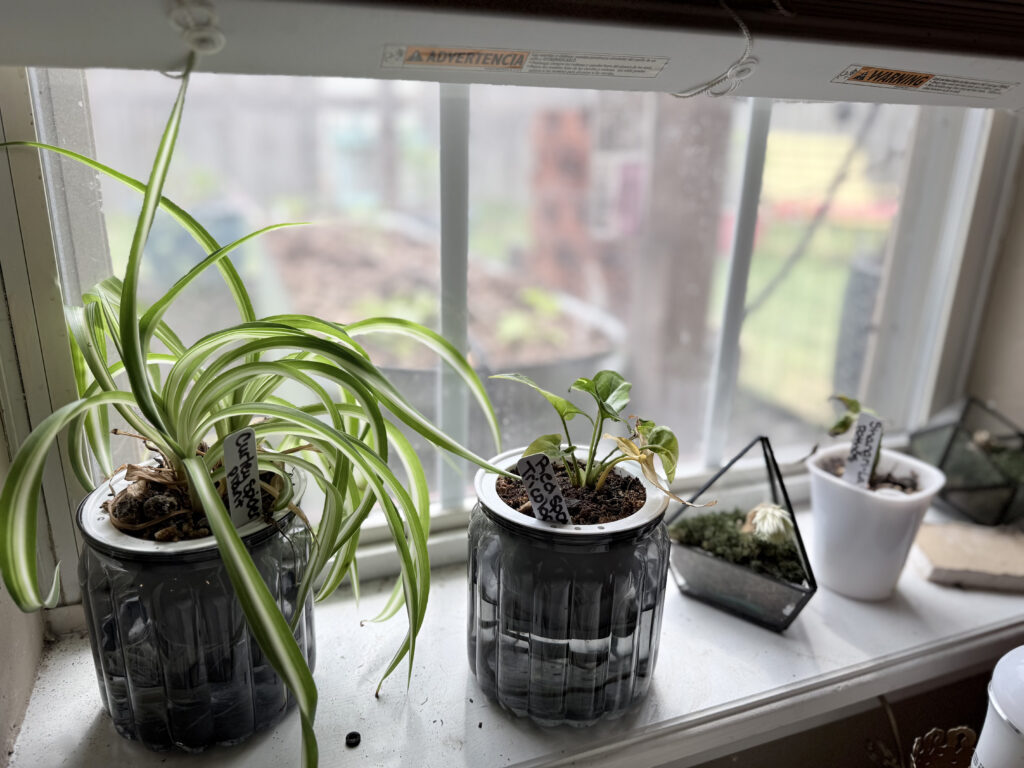
My mom understood this long before I did. She clipped stems, tucked them in jars, and let them root on sunny windowsills. I didn’t think much about it then. After bringing plants into our home—especially after losing her and our son—I see it differently. Growing new life from something already loved feels sacred. It feels like a quiet continuation.
That’s the heart of propagation. And once you learn about propagating houseplants and build your collection for free, you never look at plants the same way again.
What Is Plant Propagation?
Propagation means creating new plants from existing ones. Instead of buying another plant, you take a small piece of one you already own and help it grow into something new. You take a cutting, root it, and let it become a full plant. It’s simple, practical, and deeply rewarding. For beginner homesteaders, it’s one of the easiest skills to learn.
Why Propagating Houseplants Matters for Beginners
Propagating houseplants fits beautifully into a simple, intentional lifestyle. It saves money and reduces waste. Watching your efforts turn into healthy new growth helps build confidence. It also teaches you how plants behave, which helps you care for them better. Just like composting or saving seeds, it’s a small skill that creates long-term impact.
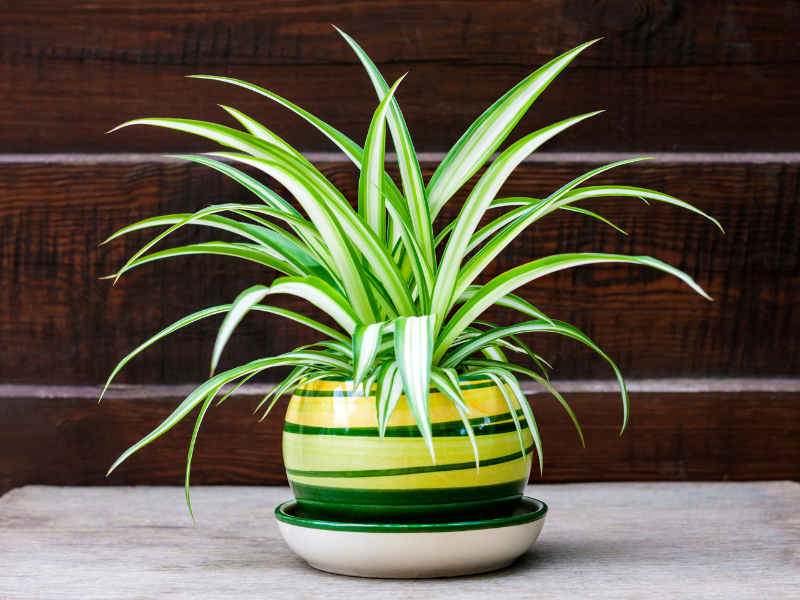
Propagating Houseplants: The Easiest Plants to Propagate
Start with forgiving plants that root quickly. These plants give you fast success and steady encouragement. Once
Great beginner choices:
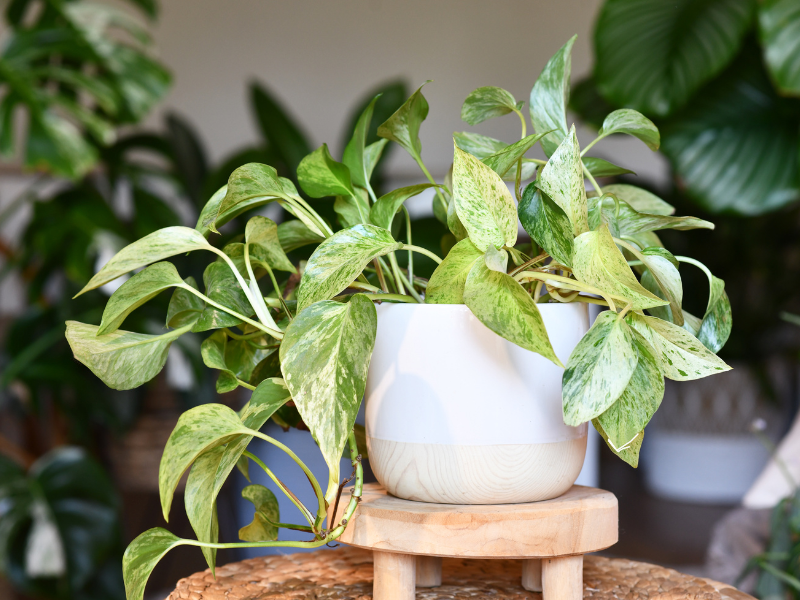
- Pothos — One of the easiest houseplants to propagate in water from stem cuttings.
- Philodendron — Roots quickly from cuttings and adapts well to water or soil propagation.
- Spider plants — Produce baby plantlets that can be rooted easily in water or potting mix.
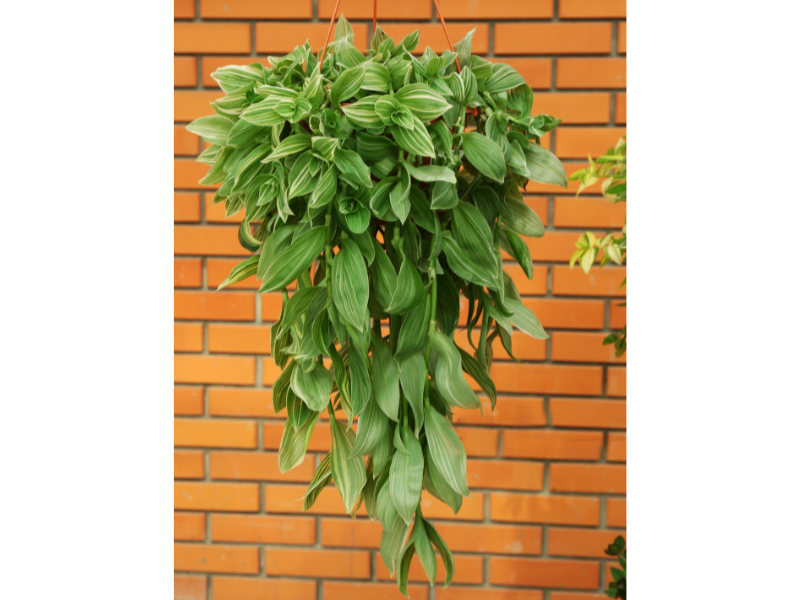
- Tradescantia — Fast-growing stems root quickly, making it ideal for beginner propagation.
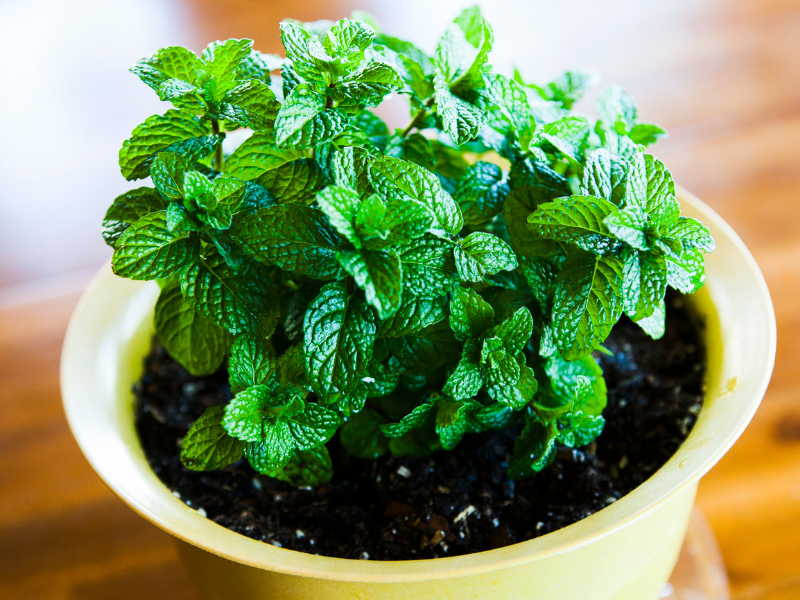
- Mint and other herbs — Many herbs root easily in water, providing fresh plants for cooking or gardening.
These plants root fast and help you learn without stress.
Propagating Houseplants in Water
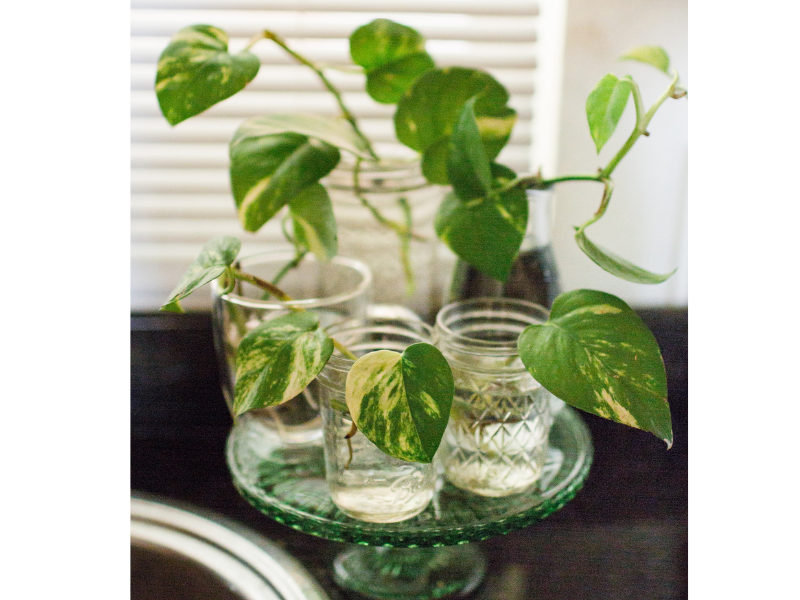
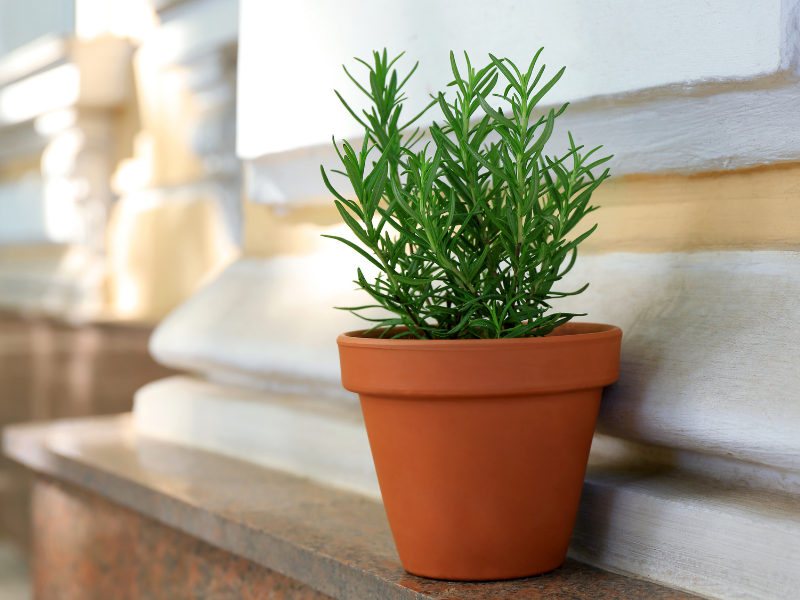
Propagating Houseplants in Water is simple and beginner‑friendly. It also lets you watch the roots grow, which feels rewarding. Herbs can be grown as houseplants. Some herbs are especially easy to propagate from cuttings. Mint, basil, lemon balm, oregano, and rosemary root quickly in water. Place the cuttings in a glass of clean water. Change the water often to prevent rot and keep the stems healthy.
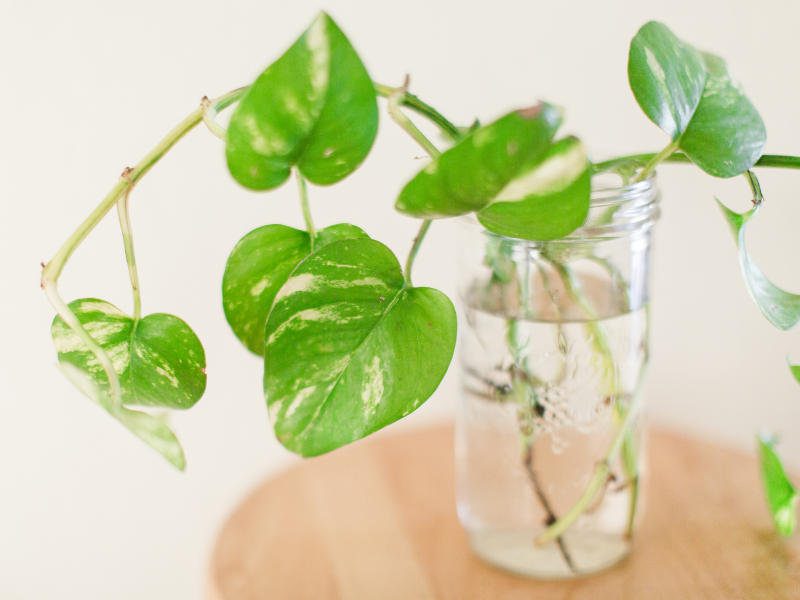
Step 1: Take a Cutting
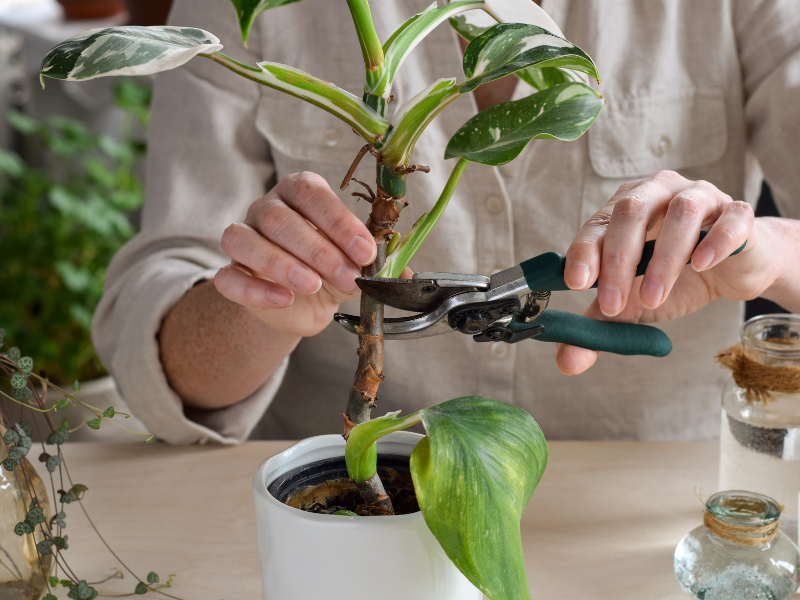
Choose a healthy stem with at least one node. The node is the small bump where roots form. Cut just below the node with clean scissors.
Step 2: Place in Water
Set the cutting in a jar with the node underwater. Keep the leaves above the water to prevent rot.
Step 3: Give It Light
Place the jar in bright, indirect light. Avoid harsh sun because it stresses the cutting.
Step 4: Wait and Watch
Roots usually appear within one to two weeks. When the roots reach a few inches long, you can move the cutting to soil or keep growing it in water.
Propagating Houseplants in Soil
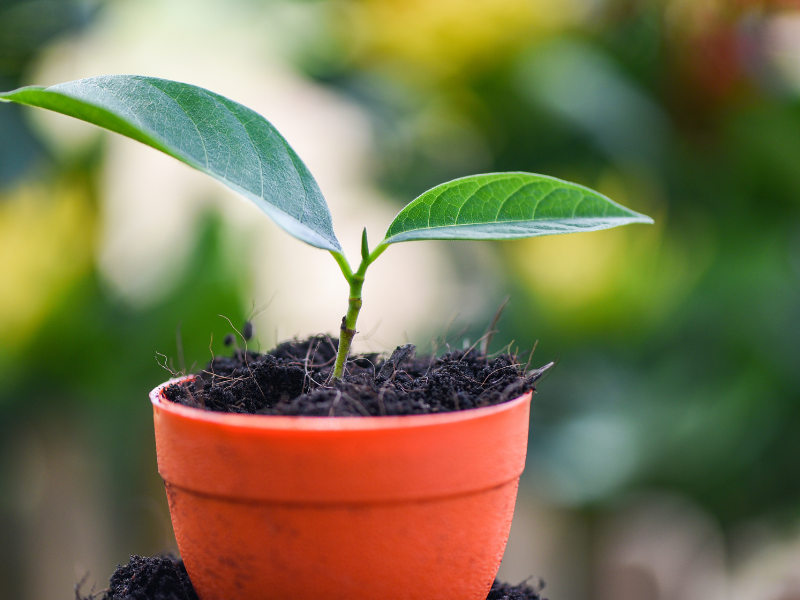
Some plants prefer to root directly in soil. This method works well for woody stems or plants that dislike sitting in water.
Step 1: Take a Cutting
Cut below a node just like you would for water propagation.
Step 2: Propagating Housplants by Planting in Moist Soil
Use a well‑draining mix. Press the cutting gently into the soil so the node sits below the surface.
Step 3: Keep Soil Slightly Moist
Avoid soggy soil. Too much water causes rot and slows growth.
Step 4: Be Patient When Propagating Housplants
Roots form under the soil where you can’t see them. Growth may look slow, but the plant is working.
Tips for Successful Propagation
- Use clean tools. Clean scissors prevent disease.
- Avoid overwatering. Too much water causes rot.
- Start small. Smaller cuttings root faster.
- Stay patient. Some plants root quickly. Others take their time.
Propagation teaches patience and observation—two skills every homesteader needs. I found this cute propagation station on Amazon. If you are having trouble or just want to give your plants a boost try using rooting powder.
How to Build Your Plant Collection for Free
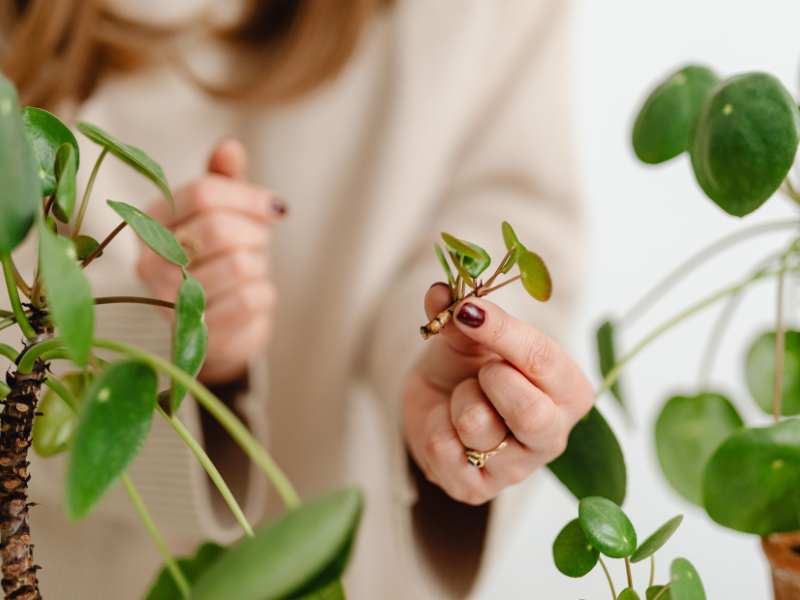
Once you understand propagation, opportunities appear everywhere. You can grow your collection without spending a dollar.
Try these simple ideas:
- Trade cuttings with friends
- Join local plant groups
- Swap at church or community events
- Take cuttings from plants you already own
Before long, one plant becomes five, then ten. That’s the rhythm of homesteading. You start small, and the growth follows.
A Homesteader’s Mindset Shift About Propagating Houseplants
When you stop thinking like a consumer and start thinking like a grower, everything changes. You begin to ask what you can grow instead of buy. You look for ways to multiply instead of replace. Propagating houseplants and then other plants becomes more than a skill. It becomes a mindset that shapes how you see your home and your land.
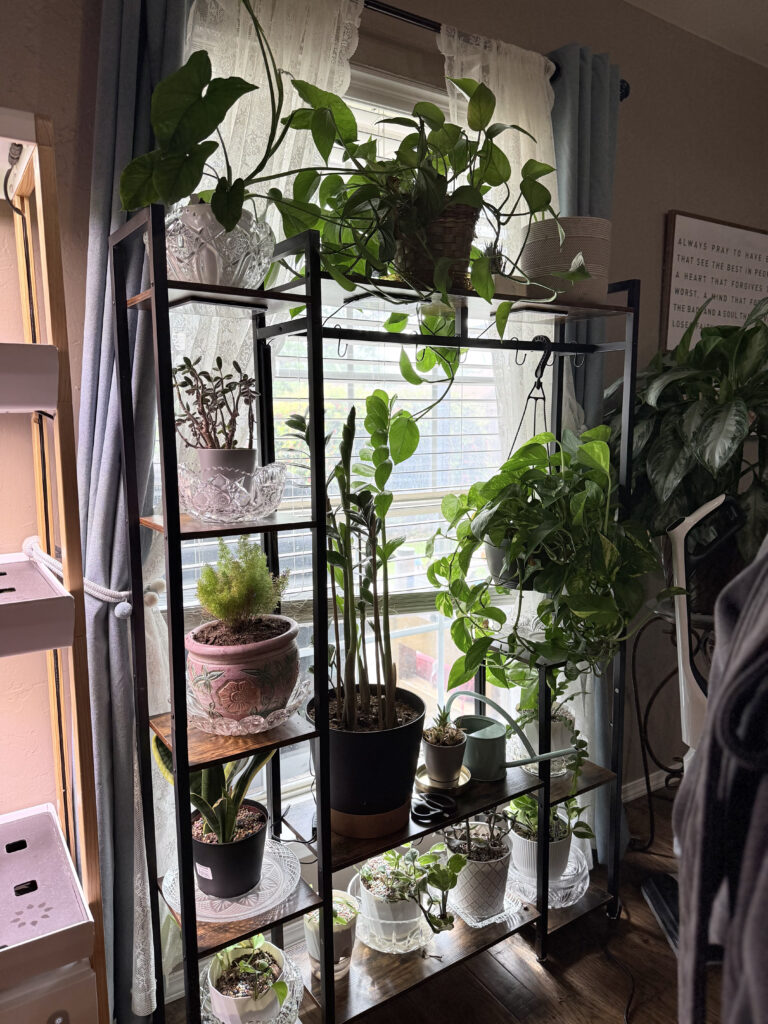
Final Thoughts on Propagating Houseplants
Learning about propagating houseplants and building your collection for free is about more than saving money. It’s about creating something meaningful. Every new plant carries a story. A clipping from a plant that once sat in my mom’s window. A small piece of life that continues to grow in our home.
That’s what homesteading is about. You nurture what you have. Grow what you can. You honor the life that came before you. Start with one plant. Take one cutting. See what happens. You may be surprised by how quickly new life takes root.
-
Non-Toxic Kitchen Swaps for a Healthier Home
Non-Toxic Kitchen Swaps to create a healthier kitchen with simple product changes and practical cooking tips.
-
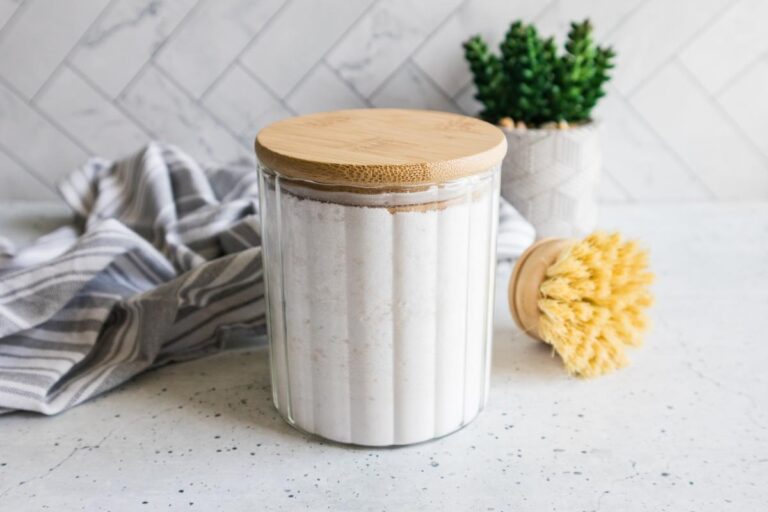
Homemade Dishwasher Powder: Easy DIY Detergent Recipe
Homemade Dishwasher Powder made with simple ingredients for an easy, affordable alternative to store-bought dishwasher detergent.
-
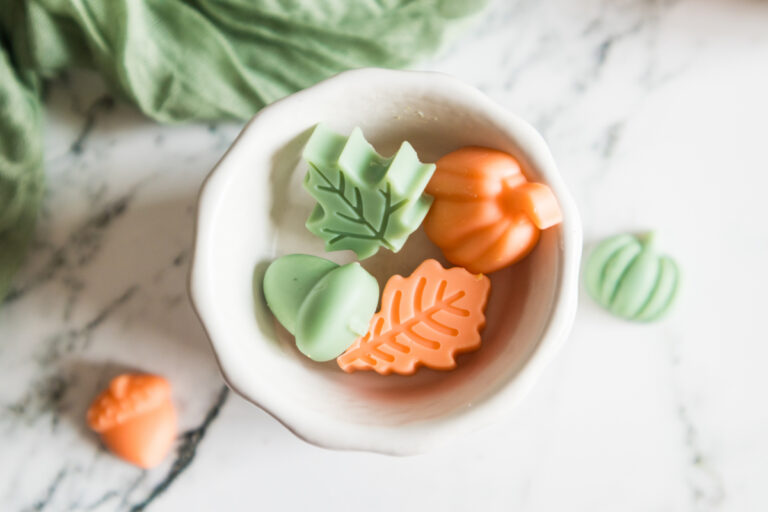
Fall Wax Melts Recipe with Essential Oils
These fall wax melts bring warm, cozy scents to your home with just a few basic ingredients. They’re easy to make, budget‑friendly, and perfect for anyone who loves natural, homemade products. The blend of cinnamon, clove, orange, and cedarwood creates a comforting autumn aroma that feels right at home in any farmhouse kitchen. Make a batch for your own warmer or package them as sweet seasonal gifts.
-
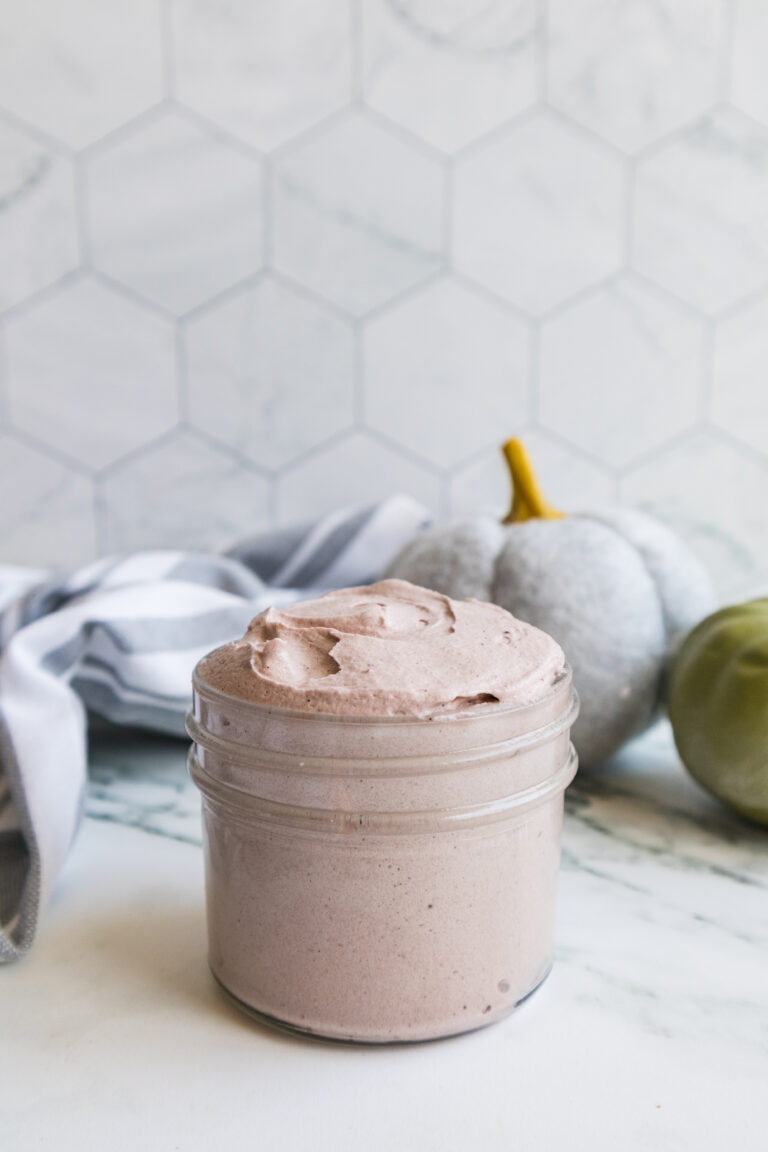
Whipped Tallow Balm Recipe with a Cozy Fall Scent
Whipped Tallow Balm Recipe with nourishing oils and a cozy fall scent. An easy homemade balm for soft, moisturized skin.
-
25 Must-Know Instant Pot Uses for Homesteaders (Part 5)
Finish the Must-Know Instant Pot Uses series with homemade herbal syrups, easy steamed desserts, helpful FAQs, and practical tips for saving time, money, and food in the kitchen.
-
25 Must-Know Instant Pot Uses for Homesteaders (Part 4)
Discover more practical Instant Pot uses that can save time, reduce food waste, and make everyday cooking easier.